
8 min walk
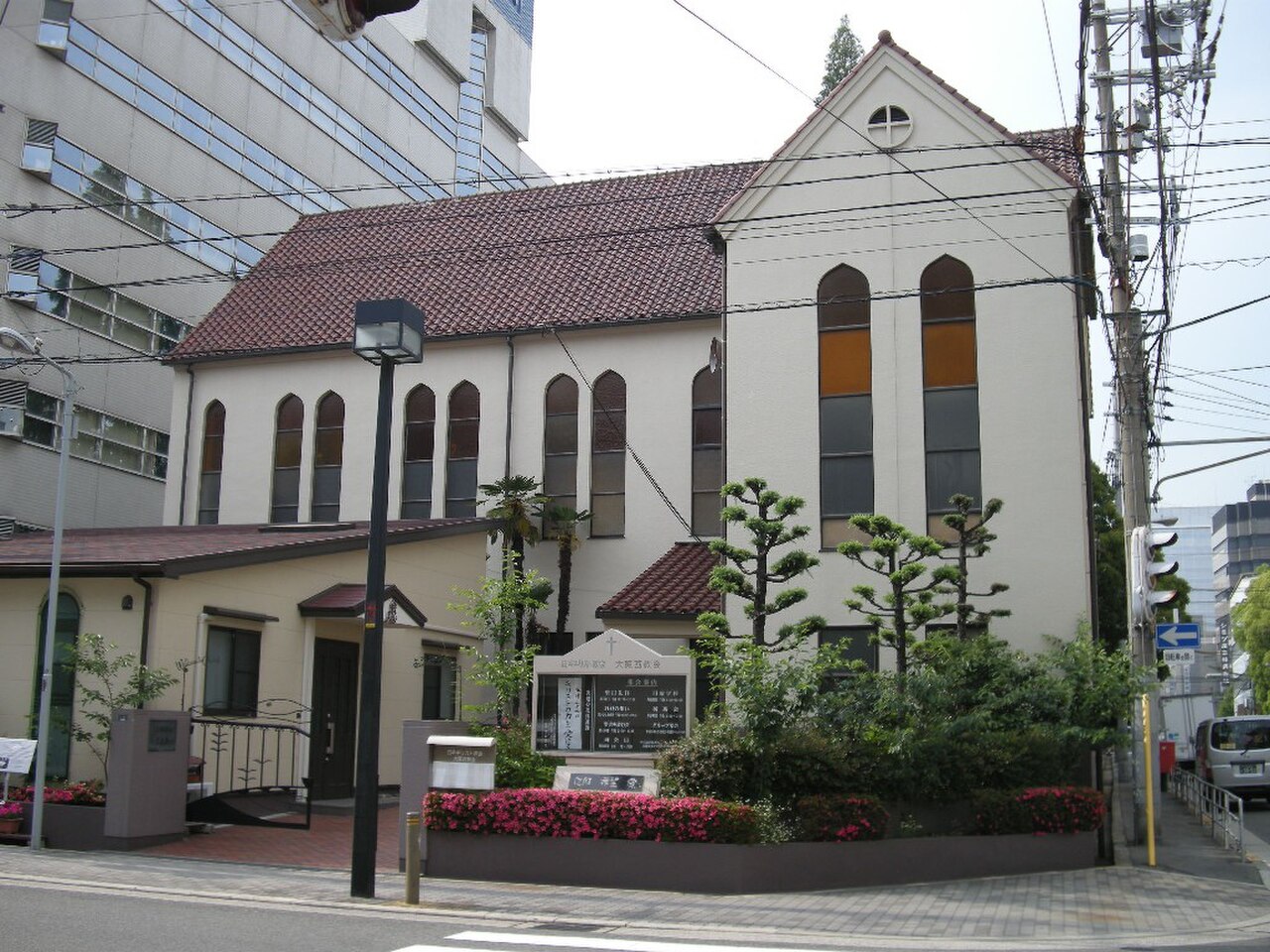
大阪西教会
- Must see
- Place of worship
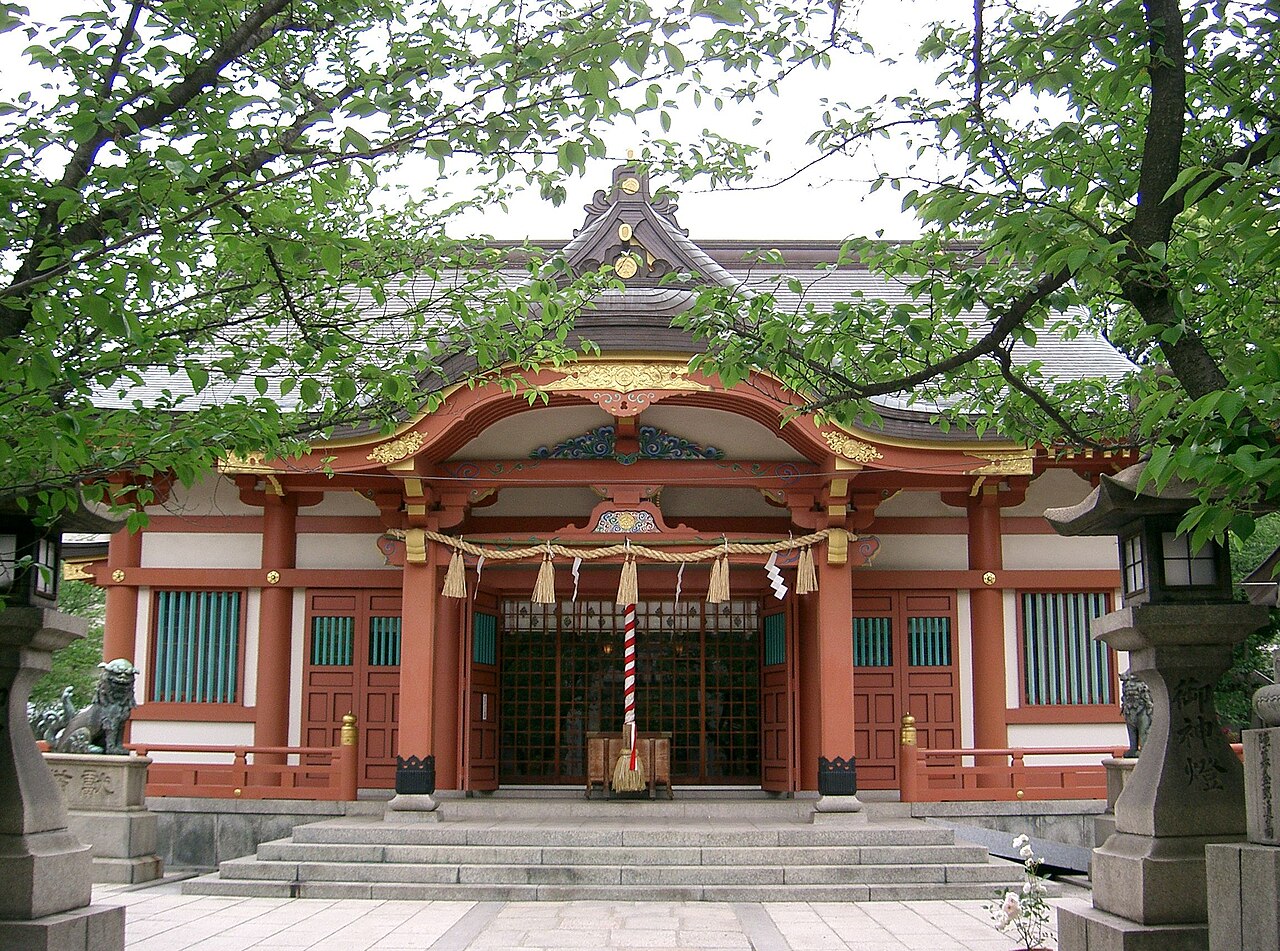
Place of worship · Osaka
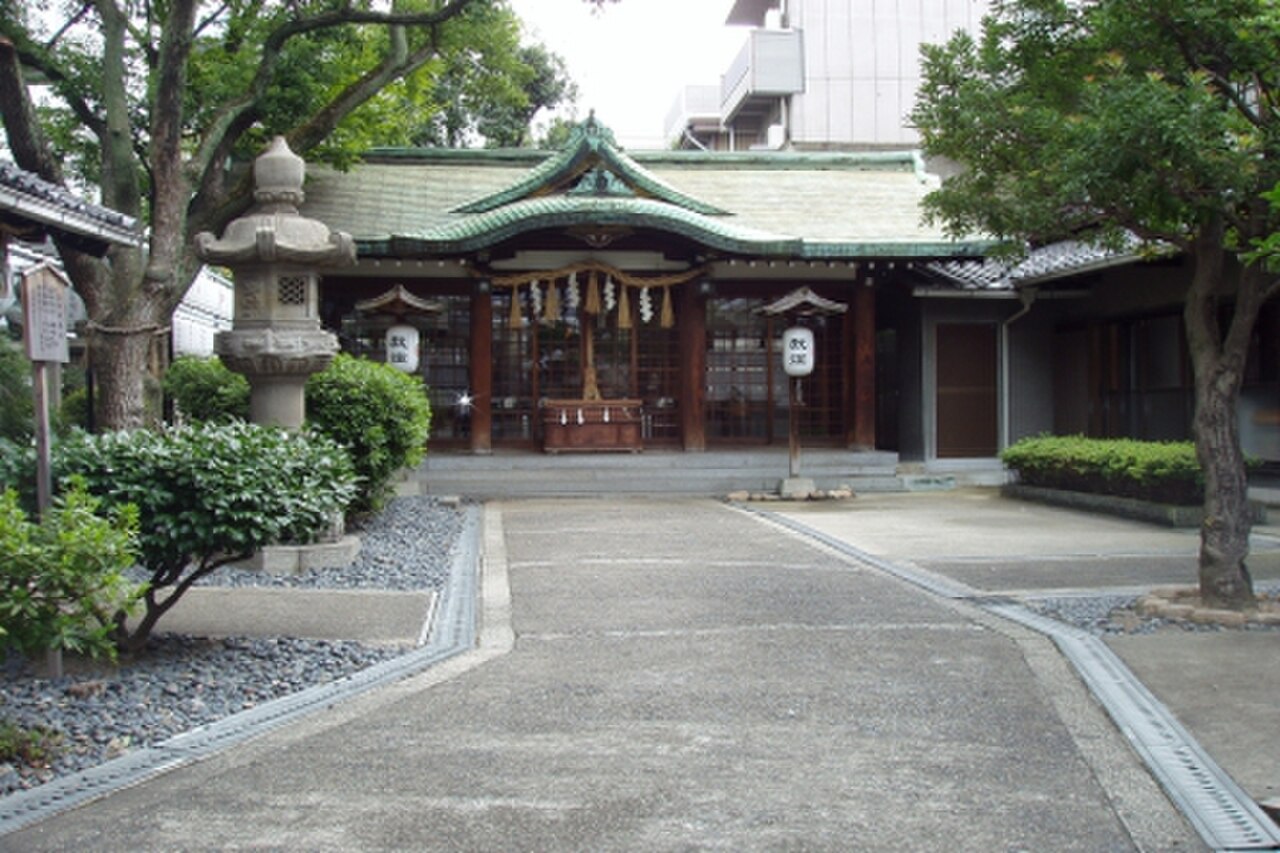
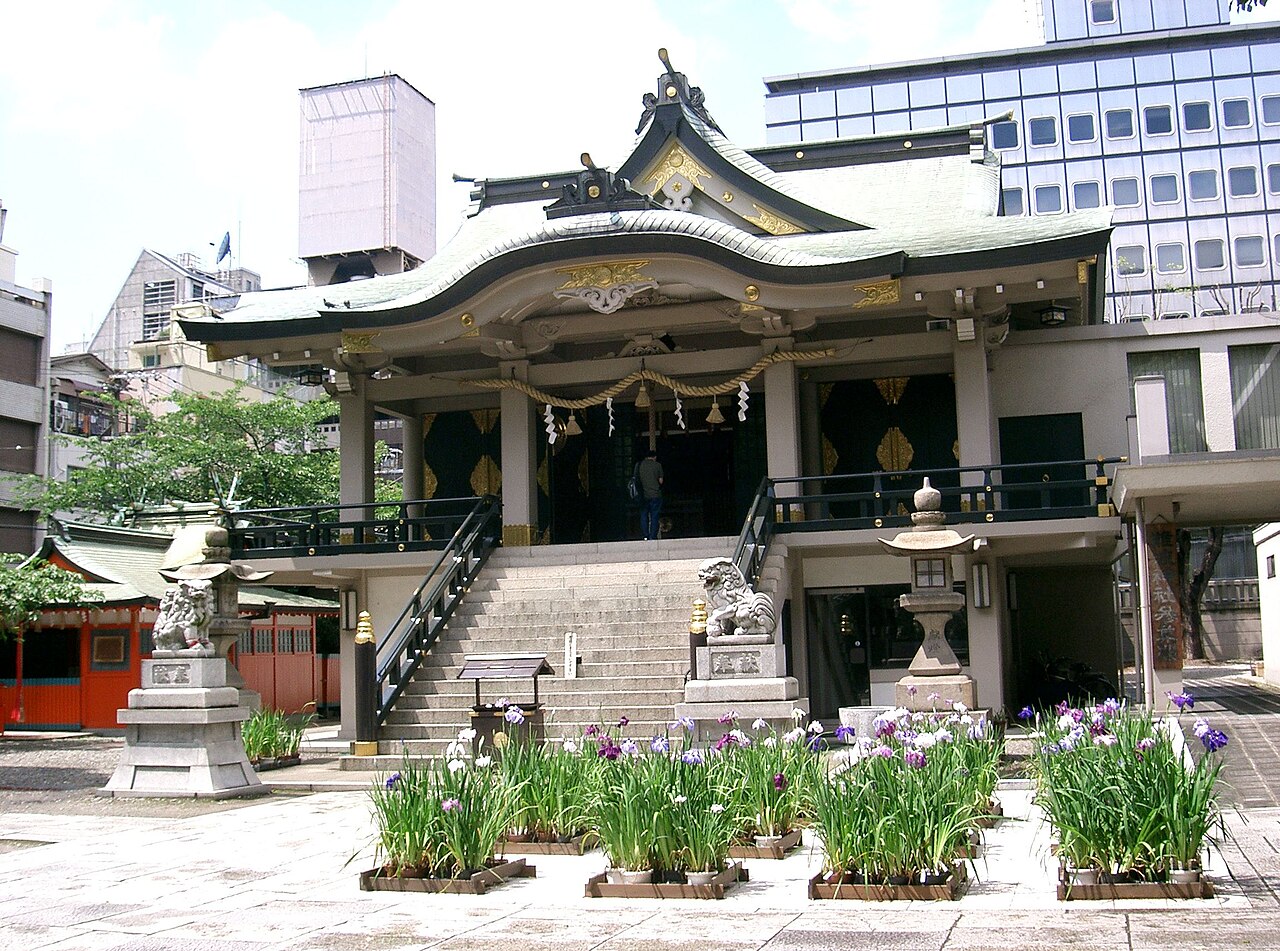
土佐稲荷神社
Tosa Inari Shrine is a Shinto place of worship in Osaka, known locally as 土佐稲荷神社. The shrine belongs to the Inari tradition, whose central figure is associated with rice, fertility, prosperity, and worldly success. Fox statues commonly serve as Inari messengers, giving visitors a visual way to recognize this religious tradition. The Tosa name connects the shrine with the historical name of Tosa Province on Shikoku. For travelers, the attraction is the chance to encounter a living religious site within Osaka rather than a museum arranged solely for sightseeing. Local worshippers may visit for prayer, seasonal observances, or personal reasons, so the atmosphere can change throughout the day. Treat the grounds as a sacred neighborhood setting: pause at the entrance, move quietly, and leave space for people engaged in worship. A visit works well as a short cultural stop for travelers who want to see a different side of Osaka beyond its shopping streets, towers, and entertainment districts.
Checked 2026-08-26 · Source
The shrine grounds present the familiar visual language of an Inari shrine. Torii gates mark the transition from ordinary streets into sacred space, while stone fox guardians frame the approach and worship area. A main worship hall provides the focal point for visitors who wish to offer a prayer. Traditional architectural details, sacred objects, and offerings contribute to the character of the compound. The exact arrangement is best understood by walking slowly from the entrance toward the principal hall, observing how each boundary changes the feeling of the site. Do not treat every structure as a photo prop: some areas serve active religious purposes. The grounds offer a compact contrast with Osaka’s dense urban rhythm, combining red shrine gates, stonework, timber architecture, and quiet corners. Visitors interested in Japanese religion can use the stop to connect the familiar Inari imagery seen elsewhere in Japan with the everyday practice of a local Osaka shrine. The experience rewards attention to details rather than a long checklist of attractions.
Checked 2026-08-26 · Source
Allow about fifteen to thirty minutes for a focused visit. That time gives you room to pass through the sacred entrance, view the fox guardians and torii, approach the worship hall, and pause without turning the visit into a rushed photograph stop. Travelers who enjoy architectural details, quiet reflection, or observing local religious customs may stay longer. The shrine does not need a full morning by itself, so it fits naturally between larger Osaka activities or as part of a neighborhood walk. A thoughtful visit is measured less by the number of structures seen than by the attention given to the setting. Move at an unhurried pace, leave room for worshippers, and use any extra minutes to notice the relationship between the shrine and the surrounding city. If you are visiting with children, explain the difference between a sacred compound and a conventional attraction before entering. That preparation helps the group enjoy the visit while maintaining an appropriate atmosphere.
Checked 2026-08-26 · Source
Daylight is the most comfortable period for seeing the grounds, reading visual details, and walking safely through the compound. Early morning can bring a quieter mood, while later visits may coincide with local prayer and neighborhood activity. Osaka’s summers are hot and humid, so carry water and protect yourself from strong sun during an outdoor walk. Spring and autumn are generally pleasant seasons for combining the shrine with other city walks, while winter calls for an extra layer. The shrine’s religious character remains important in every season. Festival days or other observances can make the grounds busier and more animated, but no specific event calendar is included here. Plan enough flexibility to step aside when worshippers need access to the hall or pathways. The best moment is one that lets you appreciate the site without competing with religious activity. A short morning stop can feel contemplative; a visit within a wider neighborhood route can provide a useful pause from Osaka’s busiest commercial areas.
Checked 2026-08-26 · Source
General access to the shrine grounds follows the character of a local Shinto place of worship rather than a ticketed museum. Visitors can enter for prayer and observation without planning a conventional attraction admission process. A donation box may be available near the worship area, and offerings are voluntary. Amulets, fortunes, ceremonies, or other religious services can have their own arrangements, but the guide does not attach a price to them. Carrying a small amount of Japanese cash is useful for customary offerings and for the wider neighborhood, where small purchases may be separate from the shrine visit. Do not treat an offering as payment for entry. Approach the hall respectfully, follow visible instructions, and allow people already praying to finish. The shrine is best included in a flexible Osaka itinerary because the visit is short and centered on atmosphere, architecture, and religious etiquette. There is no need to reserve a sightseeing slot for a simple grounds visit.
Checked 2026-08-26 · Source
Tosa Inari Shrine lies within Osaka’s urban area, where trains, subway services, buses, and taxis provide the main ways to move between neighborhoods. Use the shrine’s OpenStreetMap location as the destination when planning the final approach, especially if your route begins at a major station or another distant district. The last part of the journey may pass through ordinary city streets rather than a dedicated tourist corridor. Keep the Japanese name 土佐稲荷神社 available if you need to show the destination to a driver or ask for assistance. Navigation is easier when you allow time for transfers and the final walk instead of planning a connection with no margin. On arrival, identify the shrine entrance before photographing or exploring. The urban setting makes it practical to combine this stop with nearby errands, local streets, or another Osaka attraction. Taxis can simplify the final leg when carrying luggage, while public transport suits visitors building a broader city route. Respect residential streets and avoid obstructing entrances during the approach.
Checked 2026-08-26 · Source
Remember that Tosa Inari Shrine is an active religious site. Keep your voice low near the worship hall, do not block the approach, and give worshippers priority at gates, pathways, and offering areas. If you use the purification facilities, observe the local sequence demonstrated by the equipment or by other visitors. Covered worship structures may have different rules from the open grounds, including footwear or photography restrictions. Read signs before entering restricted spaces. Osaka’s summer heat and humidity can make a short outdoor visit tiring, so bring water and schedule shade or an indoor break elsewhere. Stone surfaces, steps, and narrow approaches require ordinary care, particularly in rain. Keep bags close in crowded moments and respect the residential setting around the shrine. Avoid touching fox statues, gates, offerings, or architectural details. Children should stay near adults, and groups should leave clear passage for local visitors. The most considerate visit is quiet, observant, and brief enough to preserve the shrine’s everyday function.
Checked 2026-08-26 · Source
The torii gates, fox guardians, worship hall, and contrast between sacred architecture and Osaka’s city fabric offer strong subjects for respectful exterior photography. Photograph the grounds from positions that keep pathways open and avoid placing a camera directly in front of someone praying. Treat the worship hall, altar area, ritual objects, and active ceremonies with restraint; visible signs and staff directions take priority. Do not photograph worshippers closely without consent. A phone is more practical than bulky equipment in a compact shrine compound, where visitor movement should remain easy. Morning and late afternoon light can bring out texture in timber, stone, and vermilion paint, while harsh midday light may flatten those details. Flash is unnecessary for outdoor views and should not be used near worship. Commercial shoots, tripods, or unusual equipment deserve extra caution because they can disrupt a working religious space. Keep photography secondary to the visit itself, and put the camera away when the atmosphere calls for quiet attention.
Checked 2026-08-26 · Source
It is a Shinto shrine associated with the Inari tradition, with torii gates, fox guardians, a worship hall, and a quiet religious atmosphere within Osaka.
The name connects the shrine with Tosa, the historical province on Shikoku. The shrine is also known locally as 土佐稲荷神社.
Visitors can see the sacred entrance marked by torii gates, stone fox guardians associated with Inari, traditional shrine architecture, and the main worship area.
A focused visit usually fits into about fifteen to thirty minutes, with extra time useful for quiet reflection, photography, or a slower look at the architecture.
Keep quiet near worship areas, leave pathways clear, avoid touching sacred objects, follow signs, and give worshippers space while they pray.
Torii gates, fox guardians, stonework, timber details, and the meeting point between the shrine and Osaka’s urban streets make the strongest exterior subjects.
Loading the interactive map…
The interactive map could not be loaded.
Last updated:
Source: OpenStreetMap contributors, Wikidata ·