


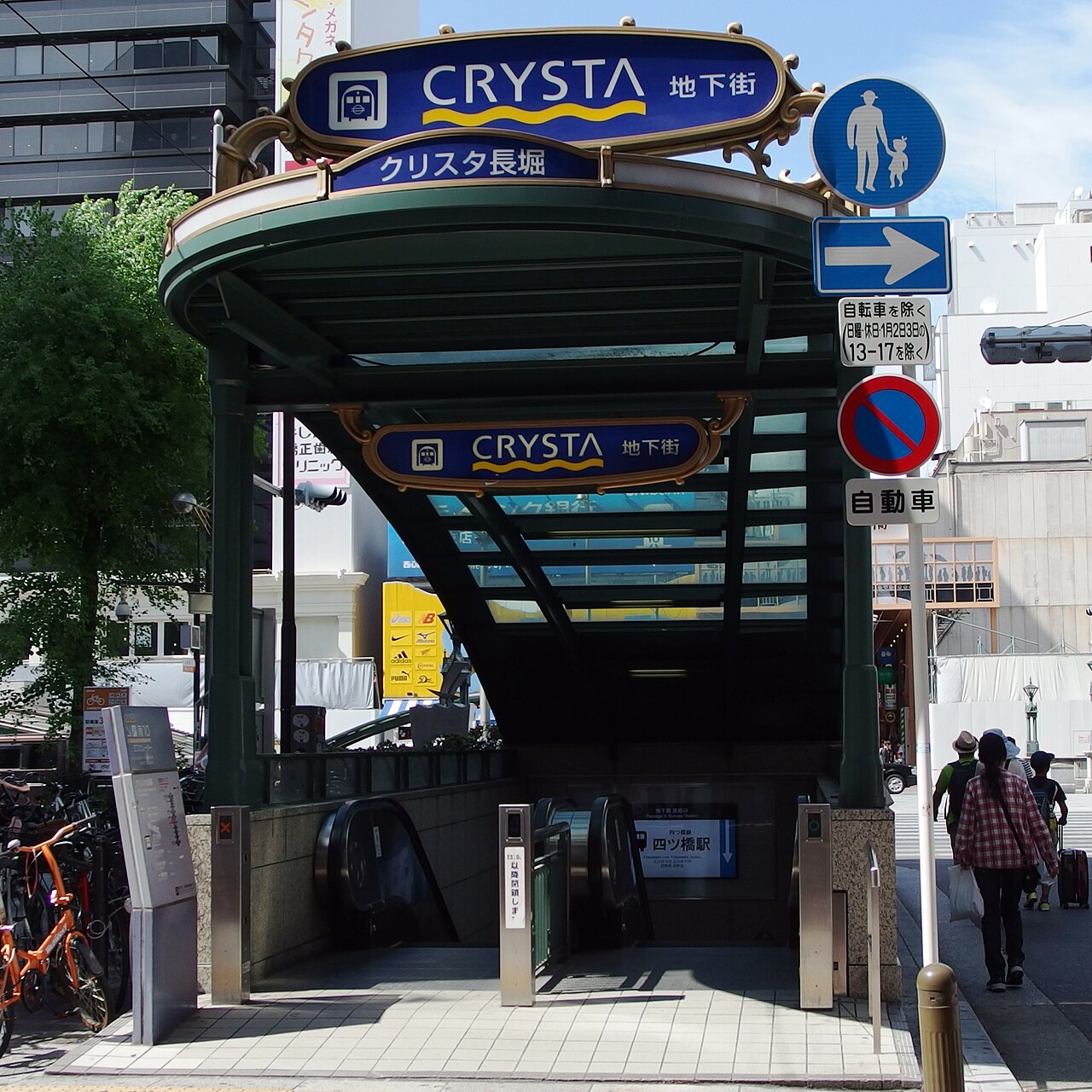
7 min walk
Crysta Nagahori
- Notable
- Market
Language · 11 published
Place of worship · Osaka
難波神社
Reviewed by Elena Voss · Roavina Travel Editor
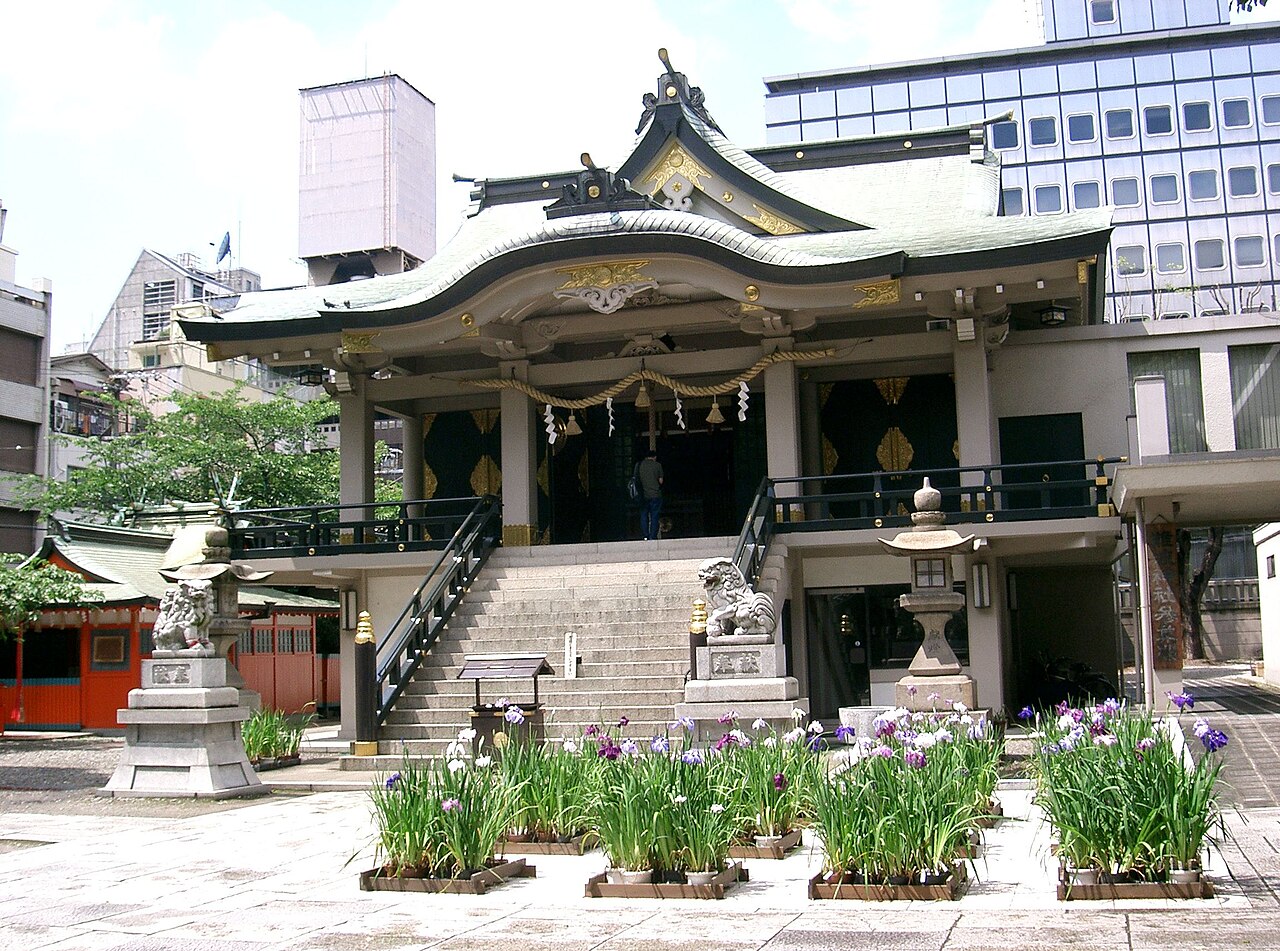
This place is a Place of worship.
Namba Shrine is a Shinto shrine in Osaka's Namba district, where traditional religious architecture stands among shopping, dining and entertainment streets. Known locally as 難波神社, it offers a quieter cultural pause within one of the city's most active urban areas. The shrine is best understood as a functioning place of worship rather than a large themed attraction. Its setting makes it easy to pair a brief shrine visit with wider exploration of central Osaka. Namba Shrine is a Shinto shrine located in Osaka's Namba district. The shrine is referenced in the Osaka tourism information portal, confirming its status as a recognized visitor point within the city. Its local name is 難波神社. The shrine occupies an urban position in one of Osaka's most commercially active neighborhoods, surrounded by shopping and entertainment areas. Its presence in the production city pool by verified identity indicates established documentation. The shrine represents traditional Japanese religious architecture amid modern commercial development. Many Shinto shrines do not charge fixed admission, but visitors should verify current conditions directly.
Checked 2026-08-26 · Source
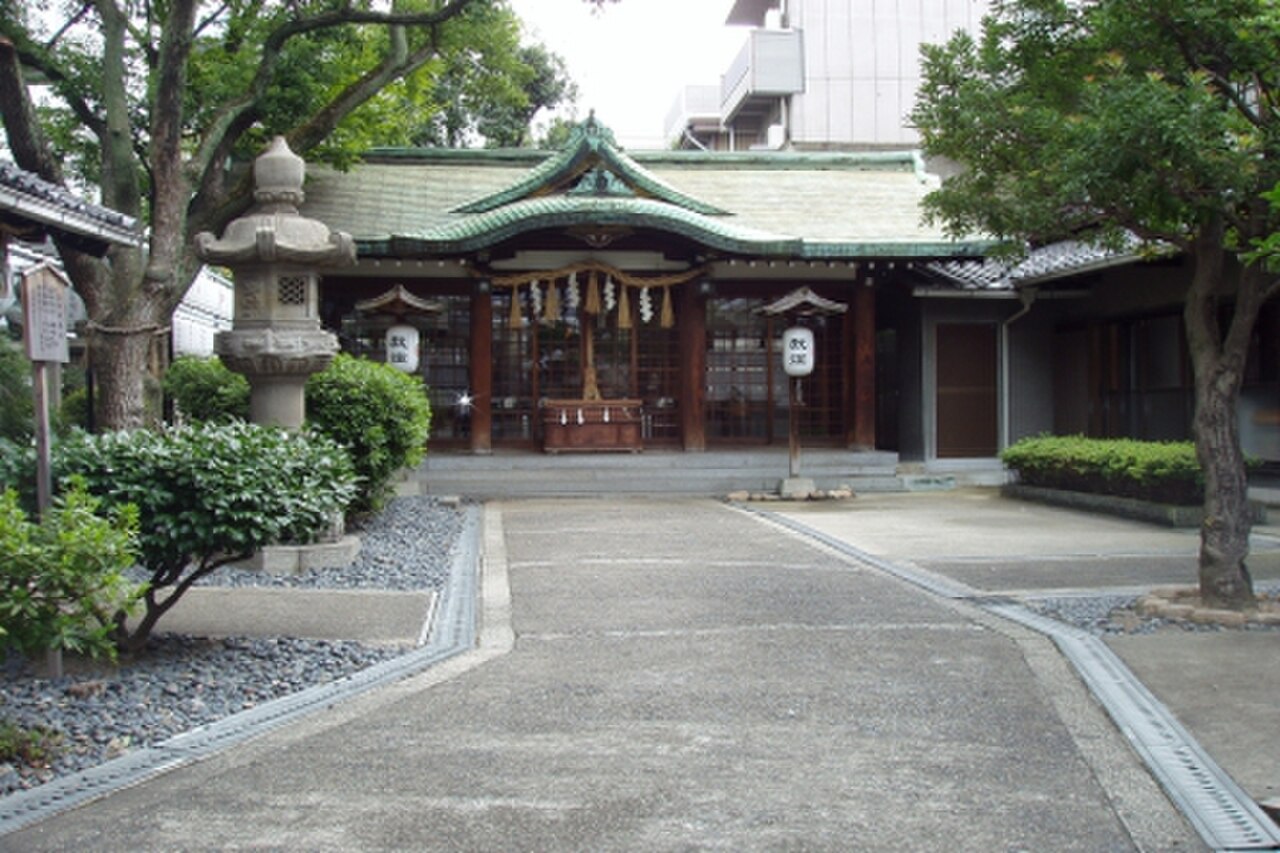
A visit centers on the shrine grounds, the approach through the urban neighborhood and the atmosphere of a working Shinto site. Travelers can look for the visual language associated with Japanese shrines, including a torii approach, worship space and offering area, while keeping their attention on the actual compound rather than treating it as a display hall. The surrounding Namba streets add a strong city contrast, with modern commerce immediately outside the religious setting. Typical Shinto shrine elements may include a torii gate, honden main hall, and offering boxes, but these are not confirmed for this particular site. Visitors should observe respectfully. The surrounding Namba area contains numerous commercial establishments, creating a distinctive contrast between spiritual and secular spaces.
Checked 2026-08-26 · Source

Allow about fifteen minutes to one hour, depending on whether you make a prayer, take photographs of the exterior and spend time observing the grounds. A short stop suits a busy Namba walking route, while a longer pause gives the shrine a calmer role in the day. Because the district contains many other destinations, Namba Shrine works especially well as one stop within a neighborhood itinerary rather than as an all-day excursion.
Checked 2026-08-26 · Source
Visit during a quieter part of the day if you want to observe the shrine atmosphere without the strongest movement of Namba's commercial crowds. Morning and daytime walking are comfortable for combining the shrine with nearby streets, while evenings in the district can be lively and busy. Osaka's humid summers make outdoor pauses warmer, whereas spring, autumn and mild winter days are pleasant for walking between the shrine and the surrounding attractions.
Checked 2026-08-26 · Source
Namba Shrine is a place of worship, so a traveler can include it in a walking itinerary without planning around a museum-style admission counter. Shrine visits commonly include the option of making an offering, while religious services and purchases such as charms follow their own arrangements. Bring small cash if you wish to participate in customary offering practices. Keep commercial spending in the surrounding Namba district separate from the shrine visit itself.
Checked 2026-08-26 · Source
Namba Shrine is in the Namba district, a major Osaka transport hub served by Osaka Metro, Nankai, Kintetsu and JR services. Travel to the relevant Namba station complex, then continue through the dense urban streets on foot. The neighborhood's concentration of rail stations, shops and restaurants makes the shrine straightforward to combine with central Osaka plans. A map is useful for the final approach because several major station facilities serve the same broad district.
Checked 2026-08-26 · Source
Treat Namba Shrine as an active religious site. Bow at the torii if you choose to follow shrine etiquette, keep your voice low near worship spaces, and avoid interrupting people who are praying. Use a purification fountain when one is available and follow any signs in the grounds. Namba itself can be crowded, especially around busy shopping and evening periods, so keep personal belongings close and leave clear space for worshippers.
Checked 2026-08-26 · Source
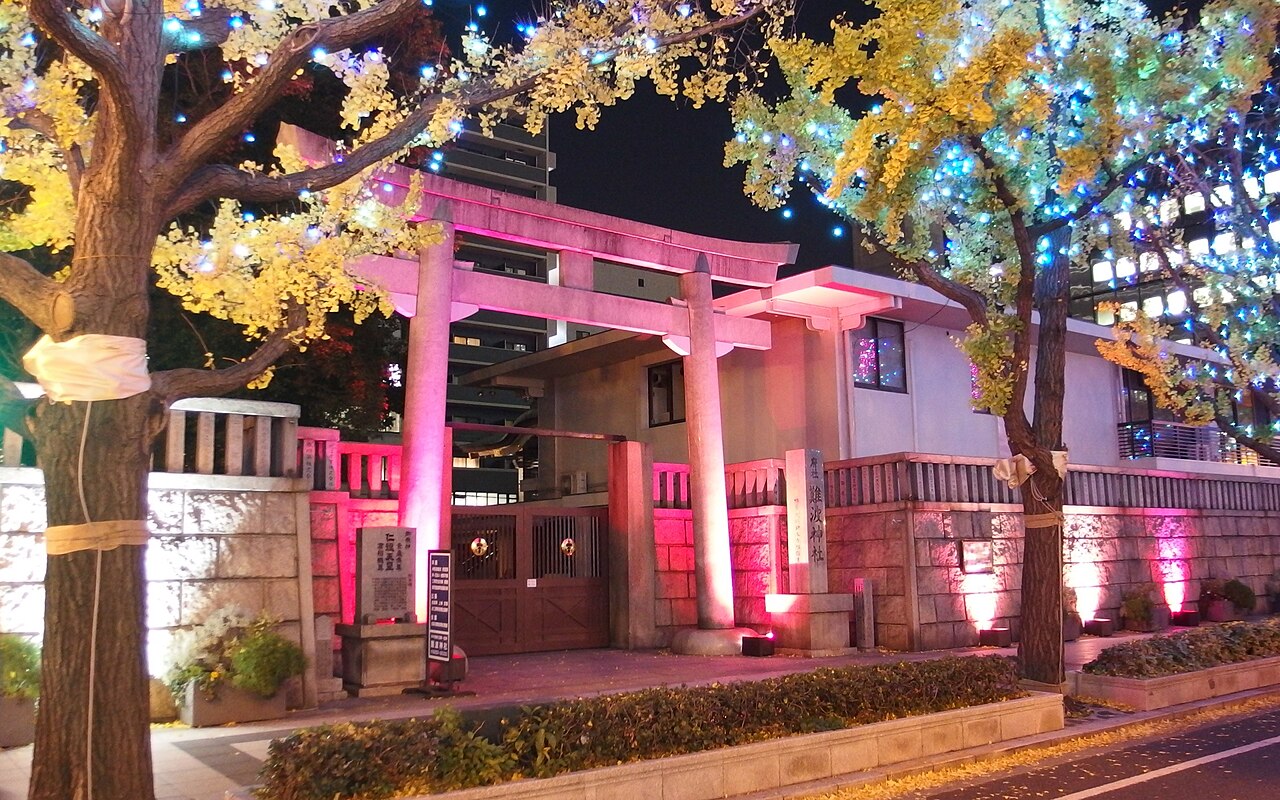
The urban setting creates opportunities to photograph the shrine's exterior and its contrast with the surrounding Namba streets. Avoid flash, do not photograph worshippers during prayer without permission, and follow every sign governing camera use. Interior or sacred areas may have stricter rules than open approaches. Frame photographs from the edge of paths so visitors can pass freely. The most rewarding images often pair the traditional shrine setting with the dense modern neighborhood beyond it.
Checked 2026-08-26 · Source
Namba Shrine is in Osaka's Namba district, surrounded by major shopping, dining and entertainment areas.
Osaka Metro, Nankai, Kintetsu and JR services all serve the wider Namba transport hub.
Plan for roughly fifteen minutes to one hour, depending on prayer, observation and photography.
It is a Shinto shrine and a functioning place of worship in central Osaka.
The shrine is surrounded by the active commercial streets of Namba, including shopping, dining and entertainment venues.
Keep quiet near worship spaces, respect people praying, follow posted signs and use shrine etiquette at the torii and purification area.
Loading the interactive map…
The interactive map could not be loaded.
Last updated:
Source: OpenStreetMap contributors, Wikidata ·