.JPG)
16 min walk
西法寺
- Notable
- Place of worship
Language · 11 published
Place of worship · Osaka
Reviewed by Elena Voss · Roavina Travel Editor
This place is a Place of worship.
Keizen-ji, written 慶善寺, is a Buddhist temple in Osaka. It belongs to the city’s broad landscape of religious sites, where places of worship remain woven into ordinary urban neighborhoods. Travelers interested in Buddhist architecture, quiet streets, and local spiritual life can use the temple as a brief cultural stop between larger Osaka attractions. Its character is best approached through respectful observation: the temple is a place for worship and contemplation as well as a point of interest for visitors. Keizen-ji is a Buddhist temple located in Osaka, Japan. The temple carries the local name 慶善寺 and holds a place within the city's religious and cultural landscape. Temples of this nature typically serve as places of worship, meditation, and community gathering for practitioners and interested visitors alike. Visitors must verify current accessibility before travelling.
Checked 2026-08-26 · Source
Travelers should therefore focus on the temple setting, the visible approach, and the atmosphere of a working Buddhist site. Main halls, altars, prayer areas, incense points, and other familiar temple features may shape the experience, but they should not be treated as confirmed highlights here. Observe from areas clearly intended for visitors and worshippers. Buddhist temples in Japan commonly house main halls with altars, statues of Buddhist figures, and spaces for prayer and ritual observance. Visitors may encounter traditional elements such as incense burners, offering areas, and decorative religious art. The exact configuration and notable objects at this particular temple await documentation through direct visitor observation or official temple sources.
Checked 2026-08-26 · Source
Set aside around fifteen to forty-five minutes for a thoughtful visit to Keizen-ji. A shorter stop suits travelers who want to see the exterior, pause quietly, and continue through Osaka. More time allows for slower observation of the temple approach and surrounding atmosphere without rushing worshippers. Since no large exhibition or extensive visitor route is identified, the temple fits naturally into a walking day with other neighborhood sights. Leave enough flexibility for quiet activity or restricted areas on arrival. Temple visits in Japan typically range from fifteen minutes for a brief prayer and observation to forty-five minutes or longer for those engaging in meditation, reading informational displays, or participating in rituals. Visitors should allocate sufficient time for respectful conduct and quiet contemplation. The pace of visit depends on individual interest in Buddhist practice, architecture, and the specific activities available at the temple on any given day.
Checked 2026-08-26 · Source
Early morning and late afternoon can create a calm setting for observing Keizen-ji, while spring and autumn are comfortable seasons for walking between Osaka’s religious sites. Summer heat and humidity favor a shorter outdoor stop, with a slower pace and shade whenever available. The temple’s atmosphere may change with worship, maintenance, or local religious activity, so keep your plans adaptable. Visit as a quiet part of the day rather than expecting the energy of a major sightseeing complex.
Checked 2026-08-26 · Source
No admission price, ticket counter, or payment arrangement is supplied for Keizen-ji. Plan the visit around respectful temple observation rather than around a confirmed paid attraction. Follow any visible local instructions and never treat a contribution as an obligation simply because you are visiting as a traveler.
Checked 2026-08-26 · Source
Use the OpenStreetMap node for 慶善寺 as the location reference when planning your route. Osaka’s extensive urban transit network makes rail, subway, and bus travel useful for reaching neighborhoods, followed by a walk to the temple. Keep a navigation map available, and be mindful of residential streets, narrow pavements, and entrances used by local residents.
Checked 2026-08-26 · Source
Keizen-ji is a Buddhist place of worship, so quiet and considerate behavior matters throughout the visit. Do not touch religious objects, enter closed areas, or interrupt prayer. Footwear may need to be removed in spaces where visitors are invited inside, and interior photography may be restricted. Watch your footing on steps, gravel, or uneven paving. Dress and act respectfully, leave passageways clear, and follow signs or staff direction when the temple is active.
Checked 2026-08-26 · Source
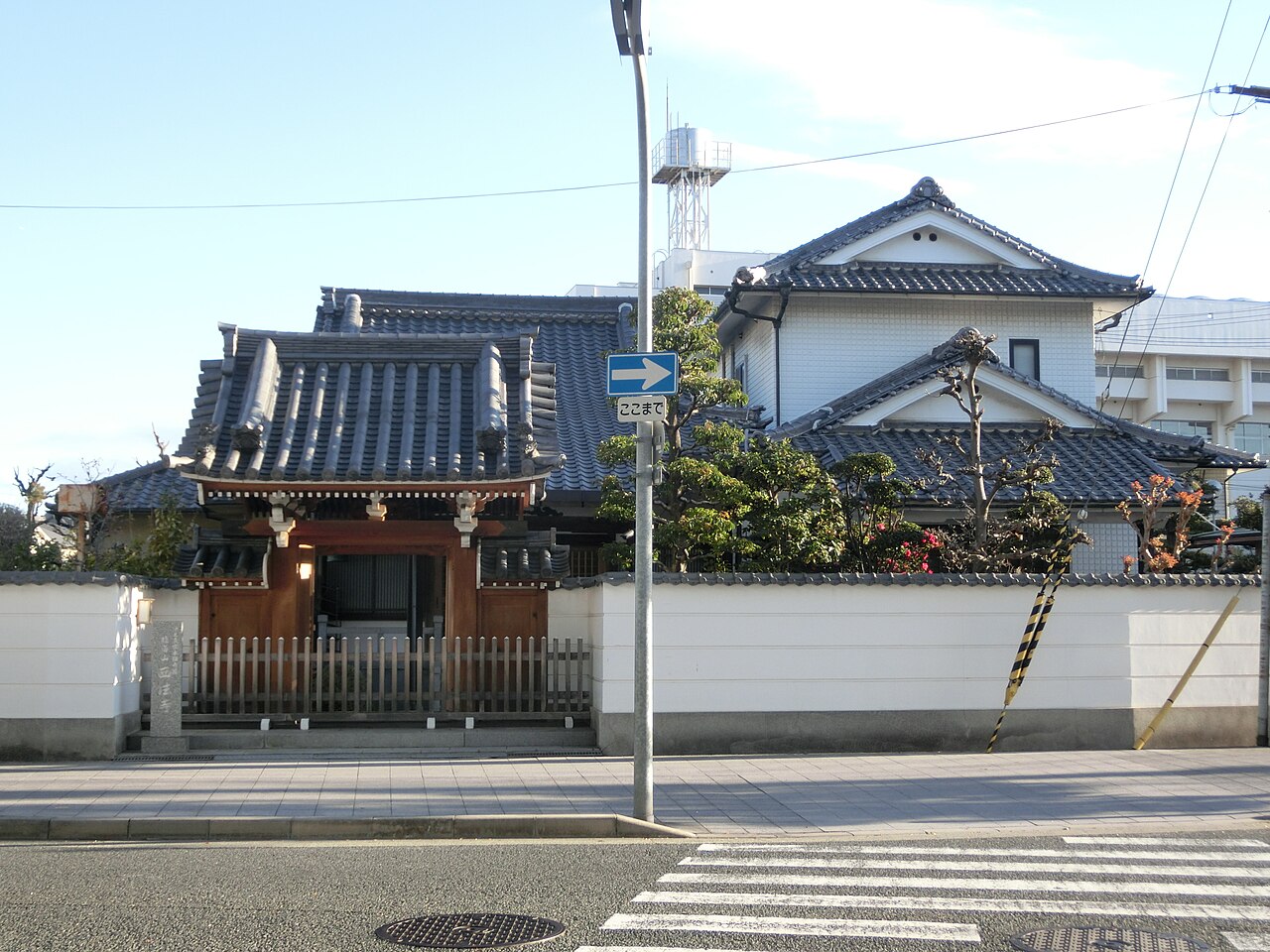
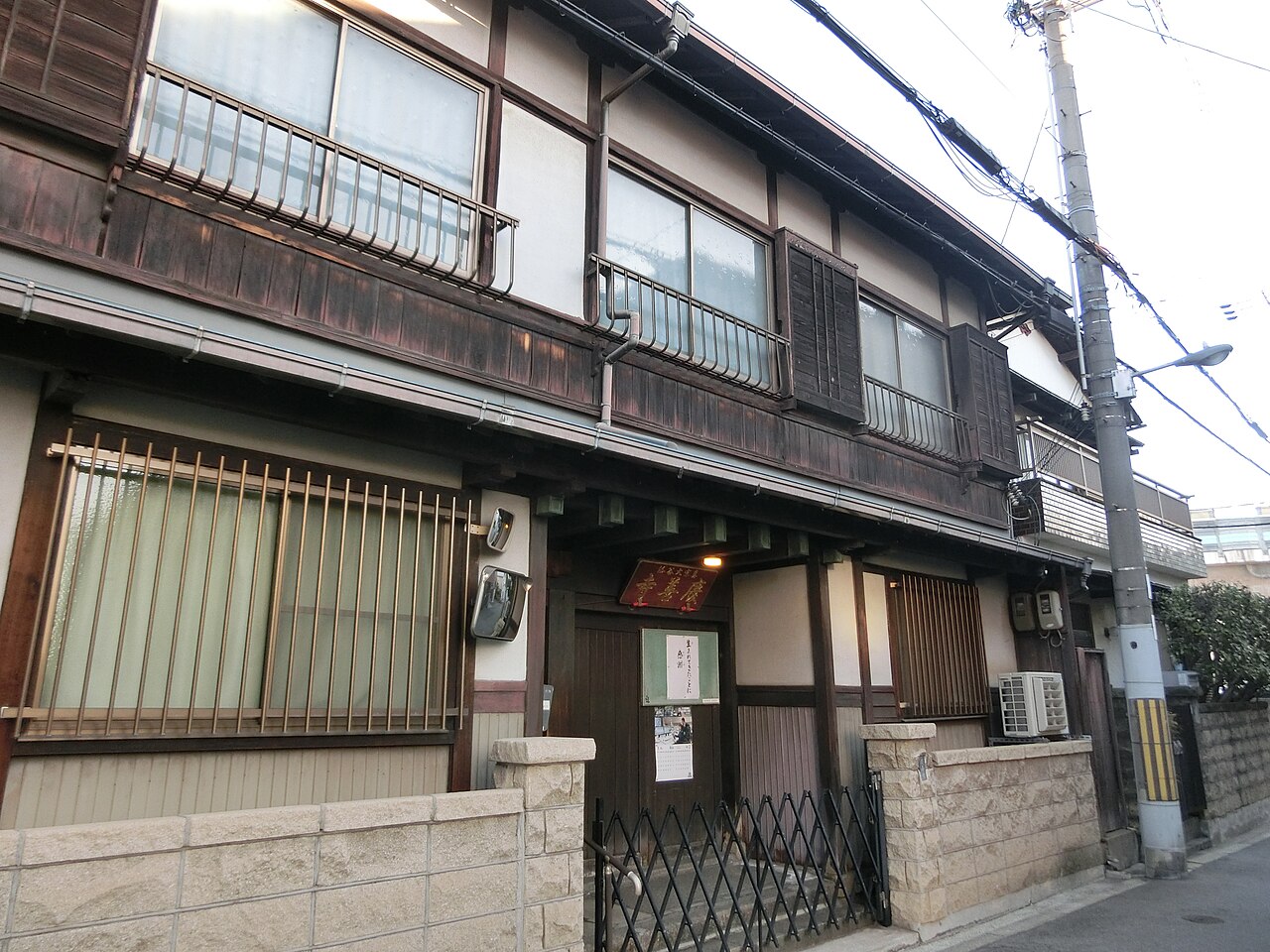
Exterior photography can focus on the temple approach, roof forms, gates, timber details, and the way Keizen-ji sits within Osaka’s neighborhood fabric. Interior worship spaces require greater restraint: follow signs, avoid flash, and never photograph people engaged in prayer without consent. If no clear permission is visible, keep the camera outside sacred interiors. Do not use a drone around the temple without the necessary authorization. A quiet handheld camera is the most respectful way to record the visit.
Checked 2026-08-26 · Source
Keizen-ji, written 慶善寺, is a Buddhist temple in Osaka and part of the city’s neighborhood religious landscape.
Allow around fifteen to forty-five minutes for exterior observation, a quiet pause, and a respectful look at the temple setting.
Keizen-ji offers a quiet cultural stop centered on Buddhist worship, neighborhood atmosphere, and respectful observation rather than a large museum-style display.
Keep quiet, leave worshippers room, avoid touching religious objects, follow signs, and respect any areas closed to visitors.
Focus on exterior subjects such as the approach, roof forms, gates, timber details, and the temple’s relationship with its Osaka neighborhood.
Yes. Its compact temple experience fits naturally into a walking day that links several neighborhood sights across Osaka.
Loading the interactive map…
The interactive map could not be loaded.

Last updated:
Source: OpenStreetMap contributors, Wikidata ·