
8 min walk
大阪市立茨田中学校
- Must see
- Place of worship
Language · 11 published
Place of worship · Osaka
八幡神社
Reviewed by Elena Voss · Roavina Travel Editor
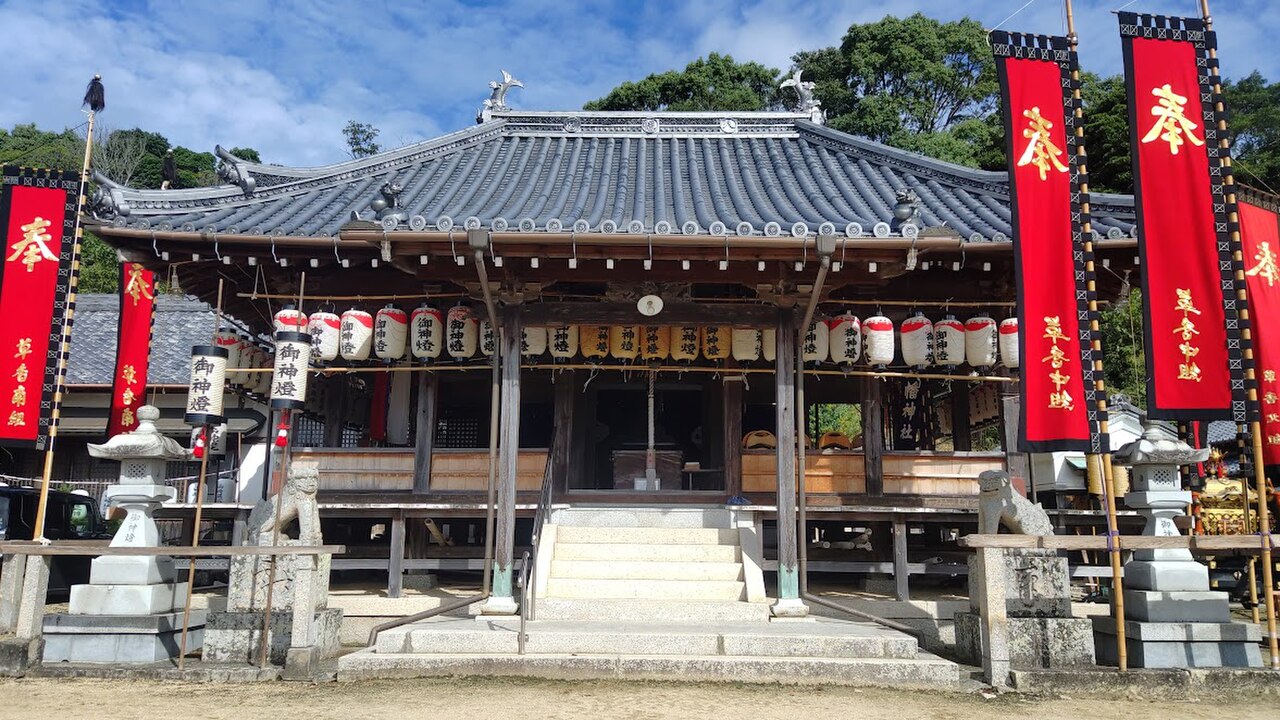
This place is a Place of worship.
Hachiman Shrine is a Shinto shrine in Osaka, known locally as 八幡神社. It is dedicated to Hachiman, a deity traditionally associated with warriors and protection. The shrine offers travelers a compact encounter with living Shinto practice inside the urban environment. Rather than expecting a large temple complex or museum-style attraction, come for the atmosphere of a neighborhood place of worship, its sacred approach, and the everyday relationship between the shrine and its community. Hachiman Shrine is a Shinto shrine in Osaka, Japan, known locally as 八幡神社. It is dedicated to Hachiman, the deity traditionally associated with warriors and protection. The shrine holds a place within Osaka's broader religious and cultural landscape, serving as a site of worship and community gathering. Visitors encounter a space that reflects enduring Shinto architectural and spiritual traditions within an urban Japanese context.
Checked 2026-08-26 · Source
The shrine grounds contain the kinds of elements associated with Shinto worship, including a sacred approach and a main hall. Torii gates may frame the route into the grounds, while auxiliary spaces support the shrine’s religious function. The site is better understood through its sequence and atmosphere than through a long list of displays. Walk slowly, notice the transition from Osaka’s streets into the shrine space, and leave room for worshippers using the grounds. The shrine grounds typically feature structures common to Shinto sites, including a main hall for worship and auxiliary buildings. Visitors should expect the general atmosphere of a functioning neighborhood shrine rather than an expansive religious complex.
Checked 2026-08-26 · Source
Plan approximately fifteen to thirty minutes for Hachiman Shrine. That span allows time to pass through the approach, observe the architecture, pause at the worship area, and take a quiet look around the grounds. Visitors interested in Shinto customs may spend longer in personal reflection. Its urban shrine character makes it easy to include between other Osaka activities, especially when you want a short cultural stop rather than a full-day attraction. A visit to Hachiman Shrine would reasonably require between fifteen and thirty minutes for most visitors.
Checked 2026-08-26 · Source
A daytime visit gives the clearest experience of Hachiman Shrine’s approach and grounds. Keep your schedule adaptable because the shrine is a functioning place of worship and community gathering. Osaka can be hot and humid in summer, so a short visit may feel more comfortable when combined with shaded streets or indoor stops. Cooler seasons make neighborhood walking easier. Choose a time when you can enter calmly and avoid crowding worshippers.
Checked 2026-08-26 · Source
Hachiman Shrine is presented as a neighborhood Shinto shrine rather than a paid museum or enclosed attraction. The visit centers on entering the grounds, observing the sacred setting, and allowing worshippers to use the shrine peacefully. If you choose to pray, an offering is a personal religious act rather than a sightseeing requirement. Keep small Japanese coins available for customary shrine practice, while remembering that the shrine’s cultural value does not depend on purchasing admission.
Checked 2026-08-26 · Source
Hachiman Shrine lies within Osaka’s urban area and can be incorporated into a day using the city’s rail, bus, and walking network. The mapped place information identifies the shrine but does not provide a named nearest station or a walking route. Search for 八幡神社 alongside the OpenStreetMap node when navigating, and allow time for the final approach on foot. The neighborhood setting is part of the experience, so avoid rushing directly from one landmark to another.
Checked 2026-08-26 · Source
Treat Hachiman Shrine as an active Shinto place. At a torii, a brief respectful bow is appropriate for visitors who wish to follow shrine etiquette. If a purification basin is available, observe how others use it before participating. Keep voices low, do not interrupt prayers, and stay clear of restricted spaces. Avoid leaning on structures or handling objects. The shrine’s grounds may be compact, so considerate movement helps both visitors and local worshippers.
Checked 2026-08-26 · Source
Exterior photography can document the shrine’s approach, torii, and relationship with Osaka’s streets, provided it does not interfere with worship. Be especially careful around the main hall and any people engaged in prayer. Follow posted instructions and keep equipment unobtrusive. Ask before photographing individuals or religious activity. A quiet composition that shows the transition from the urban neighborhood to the sacred grounds will convey more about Hachiman Shrine than close images of private devotional moments.
Checked 2026-08-26 · Source
Hachiman Shrine is a Shinto shrine in Osaka, known locally as 八幡神社 and dedicated to Hachiman, a deity associated with warriors and protection.
Most visitors can spend around fifteen to thirty minutes walking through the approach, observing the grounds, and pausing at the worship area.
The shrine is known locally as 八幡神社.
Hachiman is traditionally associated with warriors and protection.
Keep quiet, give worshippers space, respect torii and purification areas, follow signs, and avoid entering restricted spaces.
Exterior photography can document the approach and grounds when it does not disturb worship; ask before photographing people or religious activity.
Loading the interactive map…
The interactive map could not be loaded.


Last updated:
Source: OpenStreetMap contributors, Wikidata ·