

_Shrine_hdsr_S5_01.jpg)
_Shrine_hdsr_S5_02.jpg)
_Shrine_hdsr_S5_03.jpg)
_Shrine_hdsr_S5_04.jpg)
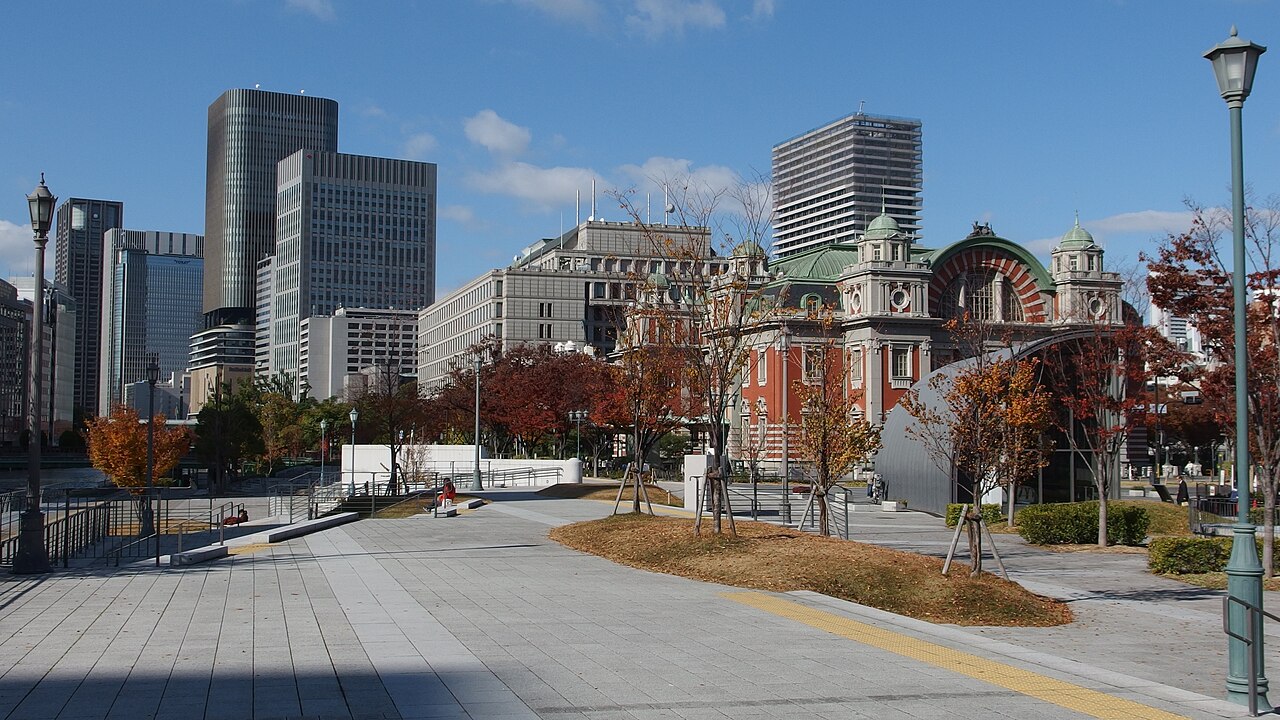
6 min walk
Nakanoshima Park
- High
- Nature site
Language · 11 published
Place of worship · Osaka
少彦名神社
Reviewed by Elena Voss · Roavina Travel Editor
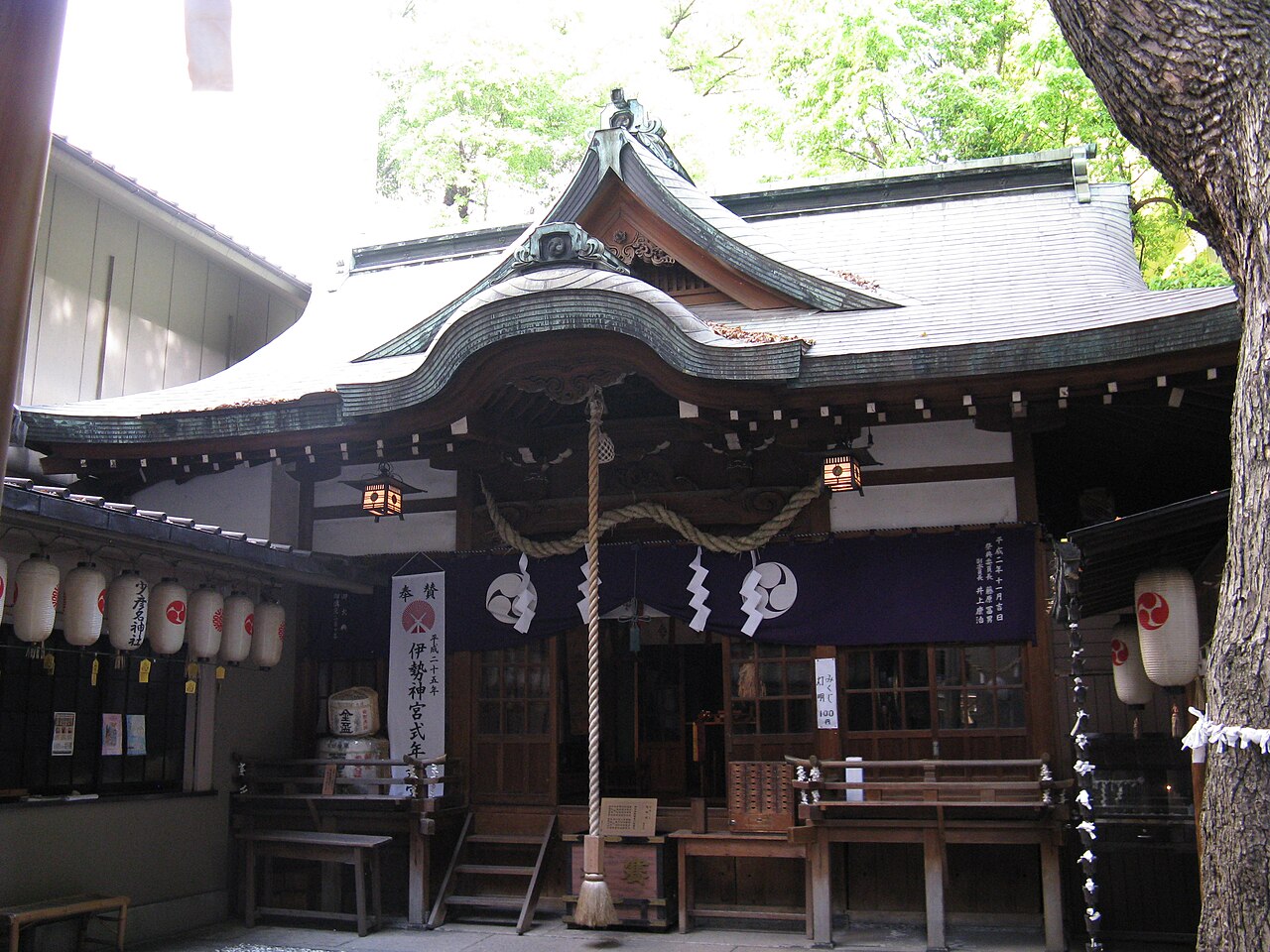
This place is a Place of worship. It was established in 1780. It carries the Registered Tangible Cultural Property of Japan heritage designation.
Sukunahikona Shrine is a Shinto shrine in Osaka dedicated to Sukunahikona, a deity associated with medicine, healing, and brewing. The local name is 少彦名神社. The shrine offers a focused cultural stop for travelers interested in Japanese religious traditions and the way sacred places remain part of a large urban setting. Visitors come to pay respects, observe the shrine atmosphere, and spend a quiet moment away from Osaka’s busy commercial streets. The site is best understood as an active place of worship rather than a conventional entertainment attraction. Its value lies in the connection between religious practice, local identity, and the city’s everyday landscape.
Checked 2026-08-26 · Source
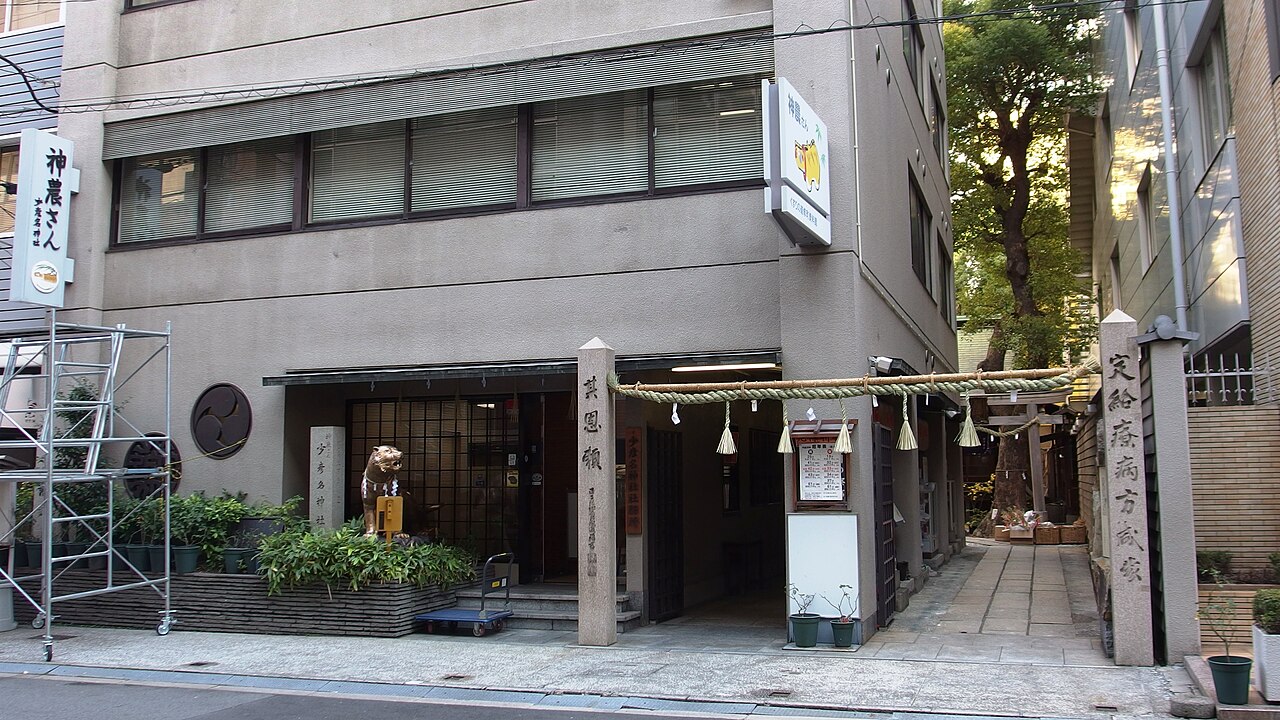
The shrine grounds include traditional Shinto elements such as a torii gate and a main worship hall. Travelers may also encounter a purification font used for temizu, together with offering boxes and religious symbols associated with shrine worship. The precinct creates a distinct sacred space within the surrounding city streets. The main hall is the central focus for prayer, while the approach and courtyard provide the clearest opportunity to observe the relationship between architecture, movement, and ritual. Inner sacred areas should be treated as restricted unless access is clearly offered. A short visit can still convey the shrine’s character through its entrance, worship space, and quiet urban setting.
Checked 2026-08-26 · Source
Allow about fifteen to thirty minutes for a straightforward visit to Sukunahikona Shrine. That time covers walking through the grounds, observing the architecture, completing a purification ritual if desired, and offering a prayer. Travelers with a personal interest in Shinto customs or the shrine’s associations with medicine, healing, and brewing may stay longer for quiet reflection. The compact urban setting makes the shrine suitable for inclusion in a wider Osaka walking route. It does not require the same time commitment as a museum or large temple complex. Plan the stop around the experience of respectful observation rather than a long sequence of exhibits.
Checked 2026-08-26 · Source
Spring and autumn generally offer the most comfortable outdoor conditions for visiting Sukunahikona Shrine in Osaka. Summer is hot and humid, while winter is milder but can still feel cool during a stationary visit. Weekday mornings suit travelers who want a quieter atmosphere than busy weekend periods. The shrine’s religious character also means the mood can change when worshippers are present. Visit with enough time to pause rather than rushing between city landmarks. Seasonal weather affects comfort, but the shrine’s urban setting makes it easy to combine with other cultural or neighborhood stops during an Osaka day.
Checked 2026-08-26 · Source
General visits to Sukunahikona Shrine are suited to travelers seeking a religious and cultural experience rather than a ticketed attraction. The visit centers on entering the shrine grounds, observing the worship hall, and paying respects. Visitors who wish to make an offering or obtain a religious item should carry Japanese yen in small denominations. The shrine is not presented as a venue with an advance admission system or a timed sightseeing entry. Treat any payment connected with worship as separate from the experience of viewing the grounds. The practical focus is respectful participation, not a paid exhibition or guided attraction.
Checked 2026-08-26 · Source
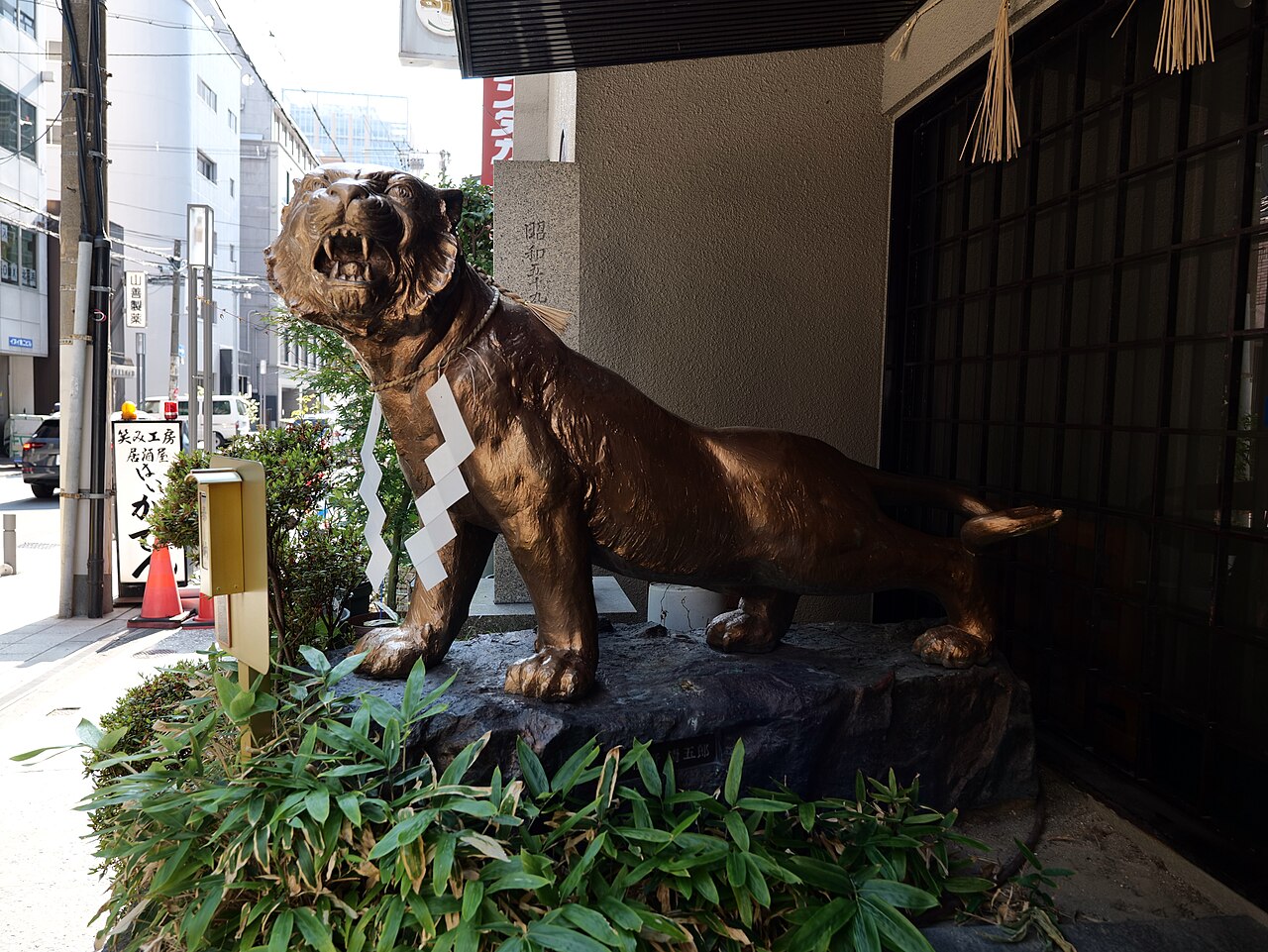
Sukunahikona Shrine is in Osaka’s urban environment, where rail, subway, bus, taxi, and pedestrian connections form the main ways of reaching local destinations. Use the shrine’s OpenStreetMap location as the destination point when planning the final approach. The city setting means the route may pass through ordinary streets rather than a dedicated tourist precinct. Allow time to identify the entrance and to move carefully through surrounding pedestrian traffic. The shrine works well as a stop within a broader cultural itinerary, especially when the route already includes nearby religious, historic, or neighborhood destinations. A map application is useful for the last section of the walk.
Checked 2026-08-26 · Source
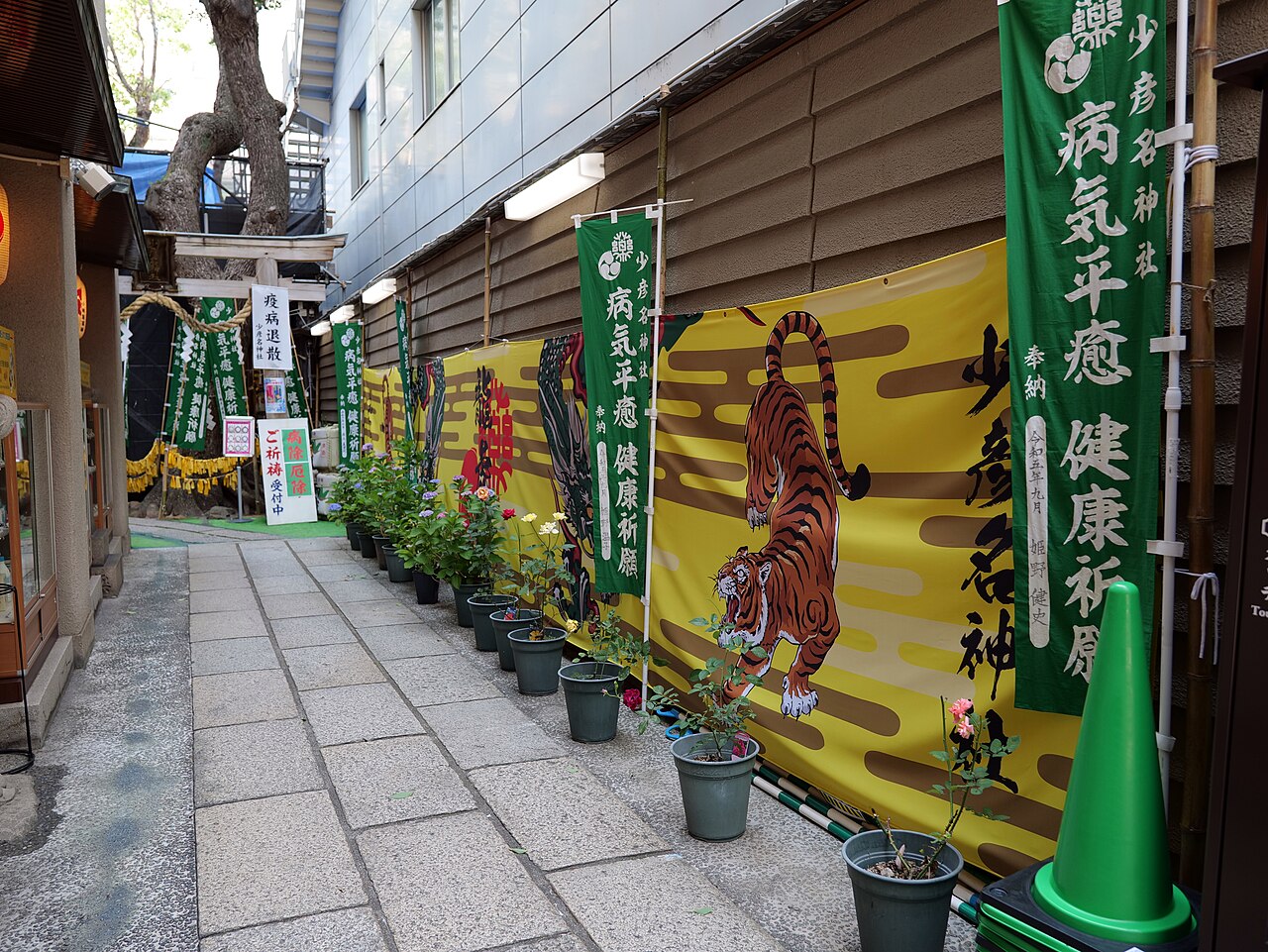
Sukunahikona Shrine is an active religious place, so travelers should keep voices low, leave worshippers space, and follow the layout of the precinct. Bowing at the torii, washing at the temizu font, and approaching the offering box calmly are respectful ways to participate in the visit. Do not cross barriers or enter areas marked for restricted access. Dress should be neat and respectful, with shoulders and knees covered where practical. Osaka’s summer heat and humidity can make outdoor waiting uncomfortable, so carry weather protection and water. Small cash is useful for offerings or shrine purchases, while ordinary urban traffic requires attention on the approach.
Checked 2026-08-26 · Source
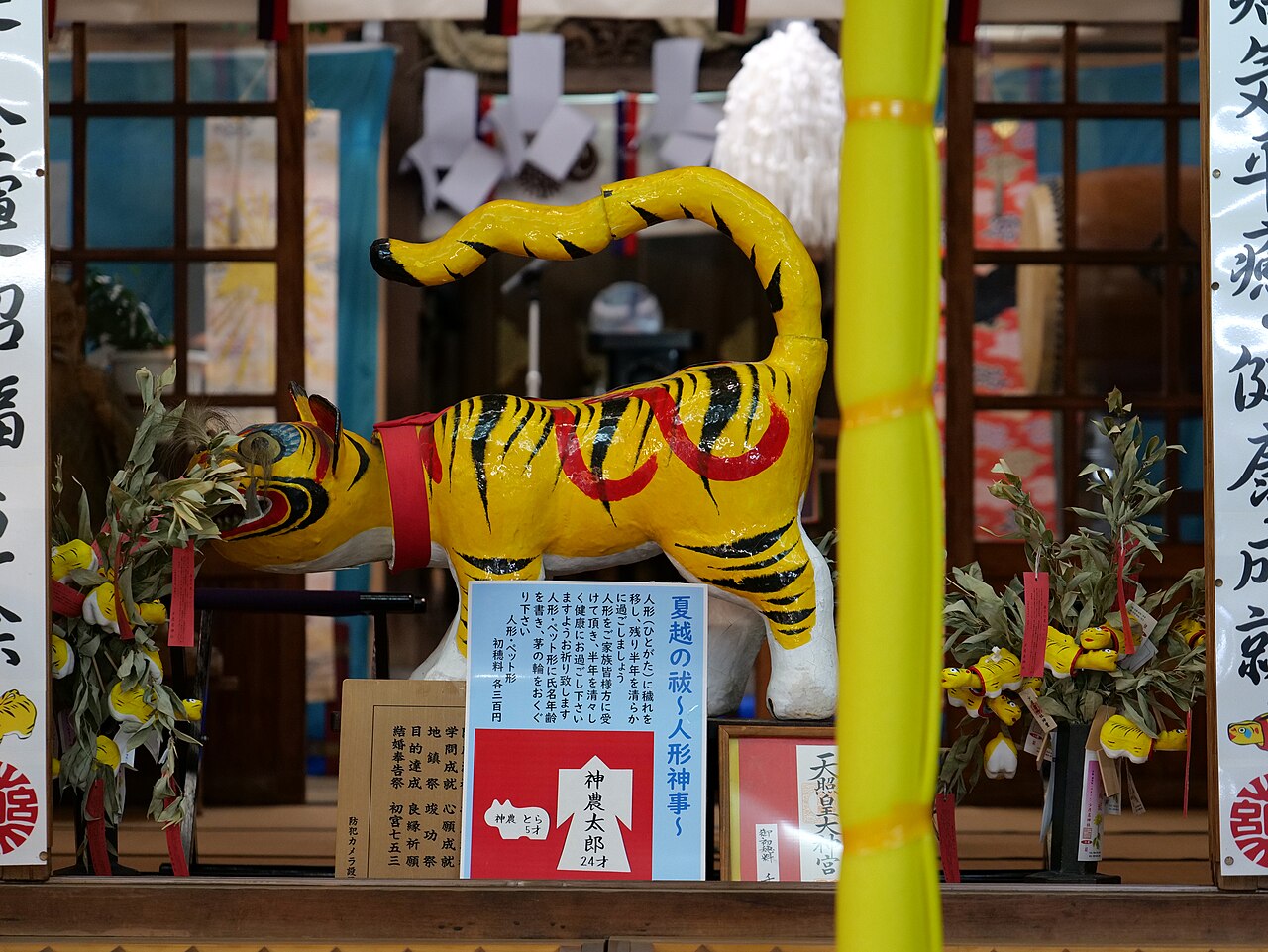
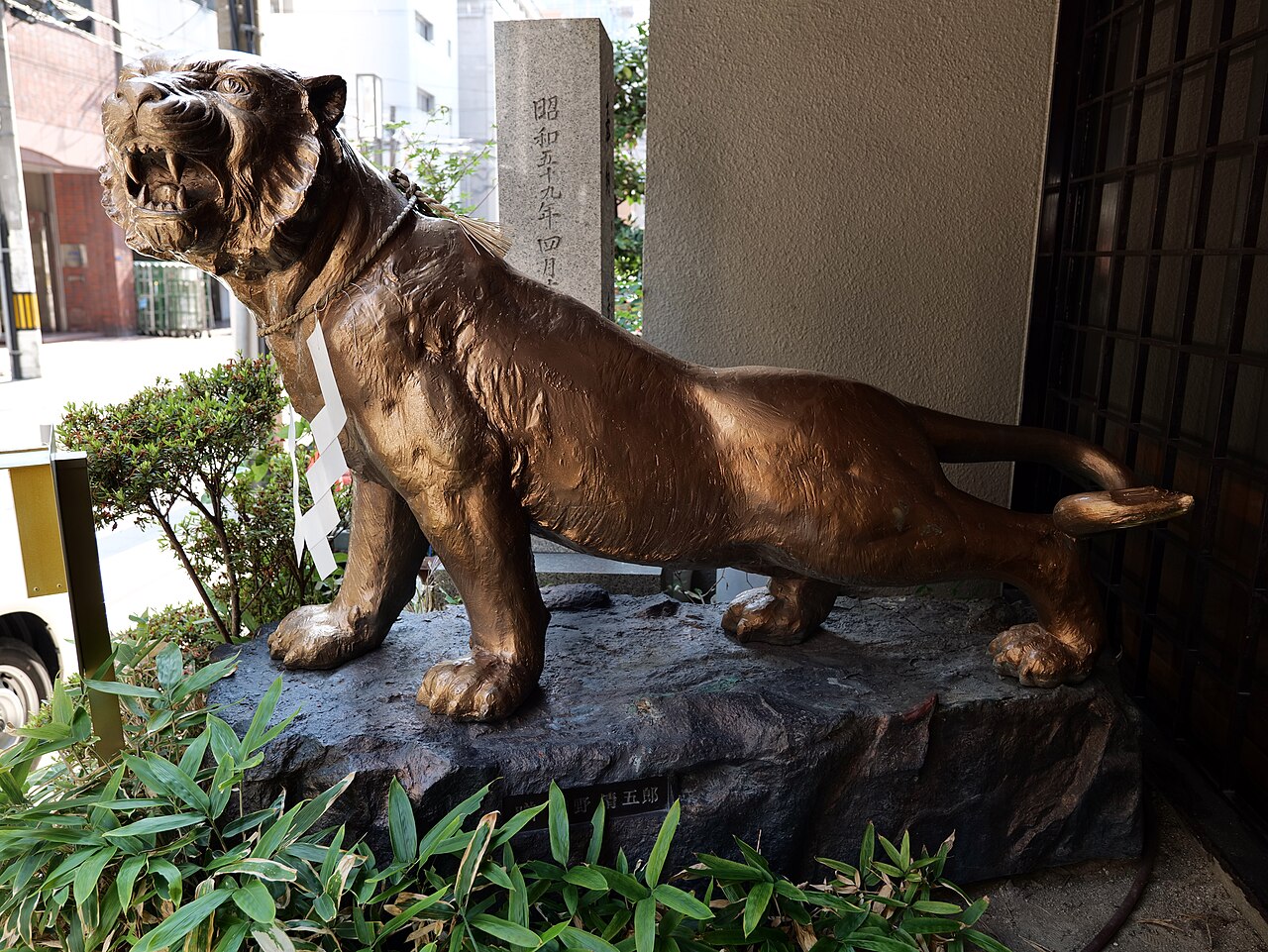
Exterior photography of Sukunahikona Shrine can help capture the torii, worship hall, and the contrast between sacred architecture and Osaka’s urban surroundings. Keep cameras away from worshippers and never photograph people during prayer without consent. Treat inner altar areas and sacred objects as unsuitable subjects unless a sign or shrine attendant clearly permits photography. Avoid flash when it could disturb worship. Tripods and commercial equipment should not obstruct the approach or worship space. A respectful sequence is to photograph the architecture from an unobtrusive position, put the camera away during personal prayer, and leave room for people using the shrine for religious purposes.
Checked 2026-08-26 · Source
Sukunahikona Shrine is dedicated to Sukunahikona, a deity associated with medicine, healing, and brewing. The shrine provides a place to observe Shinto worship in Osaka’s urban setting.
Allow about fifteen to thirty minutes for observing the grounds, purification, prayer, and a quiet look at the shrine architecture.
The grounds include a torii gate, a main worship hall, and a purification font, together with the customary spaces used for Shinto prayer.
Spring and autumn usually provide comfortable outdoor conditions. Weekday mornings are suited to travelers seeking a calmer atmosphere than busy weekend periods.
Keep quiet, leave worshippers space, bow at the torii, use the purification font, and respect barriers around restricted religious areas.
Focus on the torii, worship hall, and exterior grounds. Avoid photographing worshippers, prayer, inner altar areas, or sacred objects without clear permission.
Loading the interactive map…
The interactive map could not be loaded.


Last updated:
Source: OpenStreetMap contributors, Wikidata ·