_20250831.jpg)


4 min walk
Yodoyabashi odona
- High
- Market
Language · 11 published
Historic monument · Osaka
芝川ビルディング
Reviewed by Elena Voss · Roavina Travel Editor
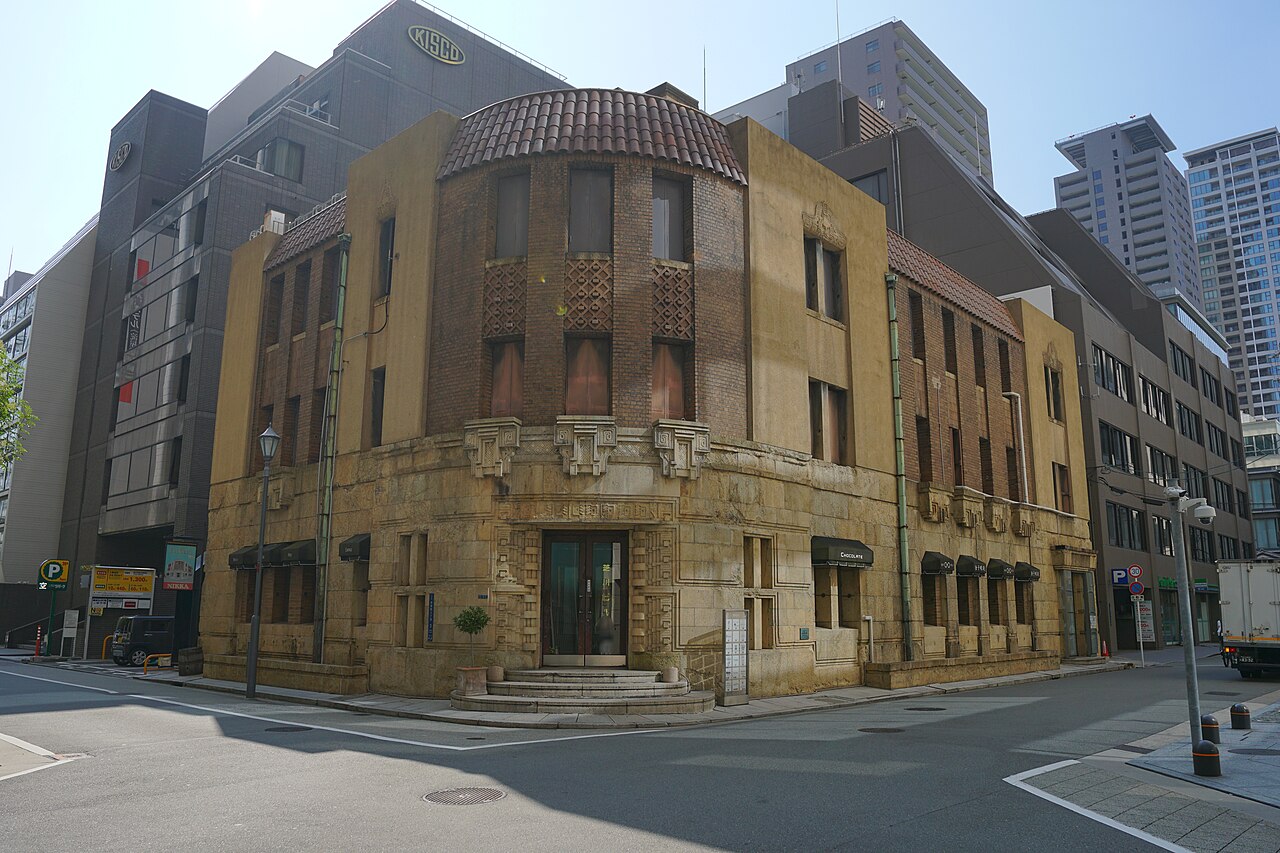
It was established in 1927. It carries the Registered Tangible Cultural Property of Japan heritage designation.
Shibakawa Building is an Osaka urban structure known locally as 芝川ビルディング. The building is a useful stop for travellers interested in the city’s streetscape, architecture, and the way notable structures sit within a modern metropolitan environment. Unlike a temple or shrine, Shibakawa Building belongs to the built fabric of Osaka and is best understood through its exterior presence, relationship with nearby streets, and position among commercial and office buildings. The visit suits architecture enthusiasts, urban photographers, and travellers who enjoy adding a short design-focused pause to a day of city exploration. Shibakawa Building can be combined with other central Osaka stops rather than treated as a full-day attraction. Its appeal comes from looking carefully at the façade, proportions, materials, entrances, and surrounding street context. Because urban buildings can include private or commercial areas, visitors should keep to public approaches and avoid treating every doorway as an invitation. A brief, considerate stop can add variety to an itinerary otherwise centred on temples, shopping, food, or large attractions. Shibakawa Building gives Osaka’s everyday cityscape a specific point of focus.
Checked 2026-08-26 · Source
Shibakawa Building should be experienced first through its exterior architecture and public-facing surroundings. The building may contain commercial or office spaces, but visitors should not treat private interiors or tenant areas as part of a standard sightseeing route. Study the façade from the pavement, notice the entrance design, and consider how the structure meets the surrounding Osaka streets. If a public tenant, lobby, or permitted interior area is clearly identified, follow the access rules at that entrance. Do not enter offices, shops, or restricted corridors simply to inspect the building. The contrast between Shibakawa Building and the modern city around it is part of the experience: the building becomes a subject in an urban composition rather than an isolated object. Architecture-focused visitors can look for repeated forms, surface detail, window rhythm, and the way daylight changes the frontage. A careful exterior visit gives enough material for a meaningful stop without requiring a confirmed interior programme. Respect for occupants and businesses is essential, since Shibakawa Building exists within a working city environment.
Checked 2026-08-26 · Source
Allow about 5 to 15 minutes for an exterior visit to Shibakawa Building. That time is enough to pause on the public pavement, study the façade, take permitted photographs, and place the structure within the surrounding Osaka streetscape. Travellers with a strong interest in architecture may stay longer to examine details or wait for better light, but the building does not need a long dedicated block in a city itinerary. Combine Shibakawa Building with nearby walking, shopping, dining, or cultural stops so the visit becomes part of a broader urban route. Keep the schedule flexible if a pavement is busy or an entrance is in active use. A short stop is preferable to lingering in a way that obstructs workers, residents, or customers. The building works well as a transition between larger attractions: visitors can use it to slow down and notice Osaka’s built environment before continuing. Photography, sketching, and façade study can extend the visit without requiring interior access. Plan the stop around public observation and the rhythm of the street.
Checked 2026-08-26 · Source
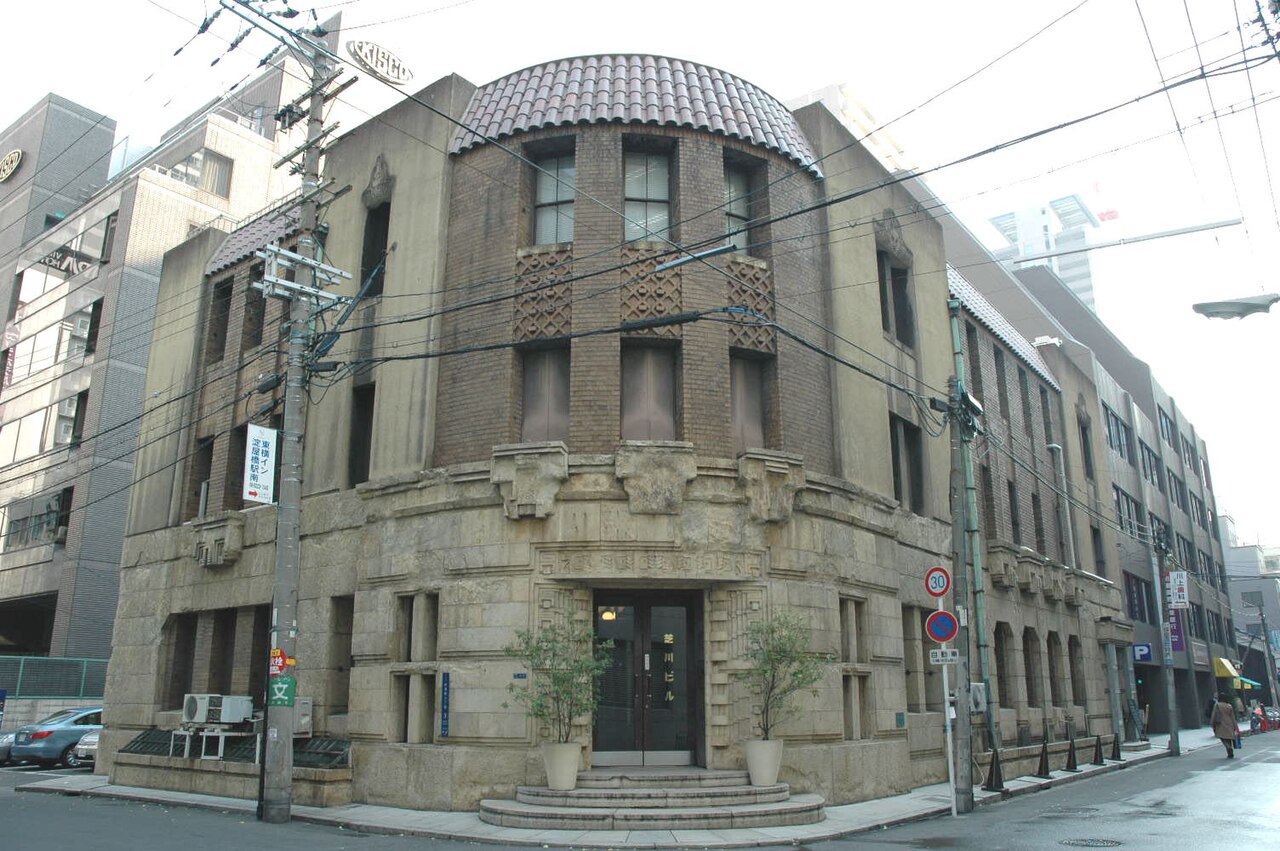
Daylight is the most useful time to visit Shibakawa Building because the experience depends on observing the exterior architecture and its relationship with the street. Morning and late afternoon light can bring out façade texture, while overcast conditions reduce harsh reflections and strong shadows. Choose a time when the surrounding pavement is comfortable for a short pause and when you can avoid obstructing busy entrances. Osaka’s summer heat and humidity make brief exterior visits easier than extended architectural study, while spring, autumn, and cooler winter days are more comfortable for walking between buildings. Shibakawa Building suits a year-round urban itinerary because its interest is tied to the cityscape rather than to a seasonal natural display. If the surrounding area is busy, admire the building while continuing along the public route instead of stopping in a narrow passage. A visit during ordinary city activity can be rewarding: working streets, passing pedestrians, and neighbouring commercial premises show the building as part of Osaka rather than as a detached monument. Dress for the season and keep the stop adaptable.
Checked 2026-08-26 · Source
Shibakawa Building is most suitable for a free exterior architecture stop on a public street. Visitors should not plan around a conventional building admission ticket or expect general access to working interiors. Any shop, office, exhibition, or other tenant inside the structure may have its own entrance rules and commercial arrangements. Keep spending expectations focused on the wider Osaka itinerary rather than on building entry. If a clearly public space offers an activity, follow the information presented at that specific entrance and respect the boundary between a visitor area and a private tenant. The building can be appreciated without entering: the façade, doorway, street alignment, and surrounding urban context provide the principal sightseeing experience. This approach is especially useful for travellers fitting Shibakawa Building between larger attractions. Do not pressure staff for access to offices or closed premises. A short exterior visit costs no time beyond the walk and can add architectural interest to a day built around Osaka’s central streets. Treat all commercial purchases as separate from the building itself and keep public observation as the default.
Checked 2026-08-26 · Source
Reach Shibakawa Building as an urban walking stop within Osaka’s extensive subway, JR, and private railway network. Use the building’s exact name in a navigation app, then plan the final approach along public streets and pavements. Taxis are useful when connecting several central destinations or when weather and luggage make walking less comfortable. The building is best paired with neighbouring commercial and cultural areas, allowing the route between stops to become part of the visit. Check the final pedestrian approach before setting a precise meeting time, since active city streets can be busy and building entrances may serve workers or customers. Once nearby, remain on public thoroughfares and observe the façade without blocking doorways. Shibakawa Building is not a countryside landmark requiring a special excursion; it belongs within Osaka’s metropolitan pattern of streets, transit, offices, and shops. Comfortable shoes help with the wider walking route. If the building is difficult to identify from the pavement, use the exact name and location rather than entering unrelated premises to ask for access.
Checked 2026-08-26 · Source
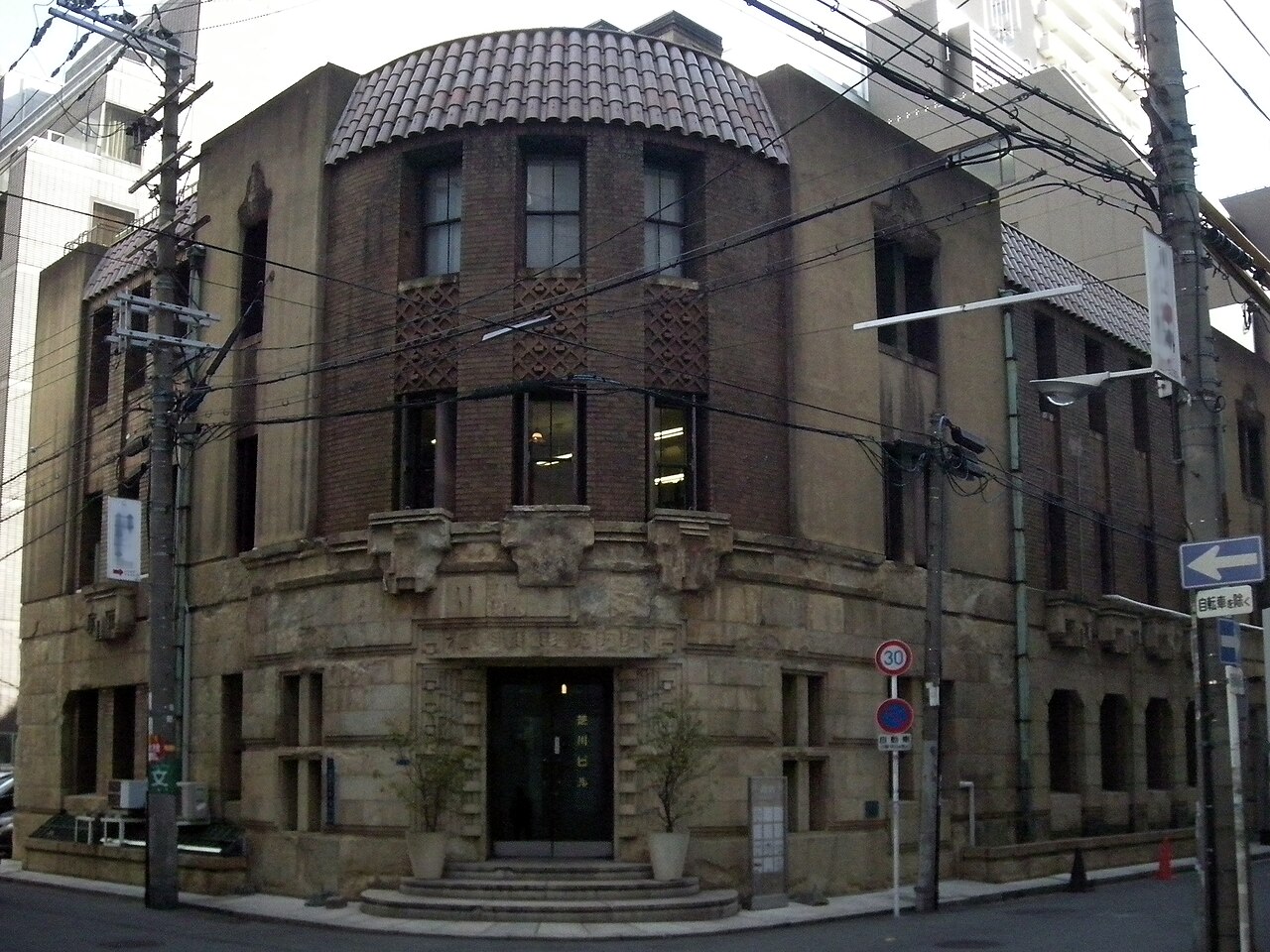
Treat Shibakawa Building as part of a working Osaka city block. Stay on public paths, keep clear of entrances, and respect private offices, commercial tenants, residents, security staff, and customers. Do not enter a lobby, corridor, or room unless access is clearly offered. Busy pavements and vehicle movement require ordinary urban awareness, especially when looking upward at the façade or taking photographs. Construction, deliveries, temporary barriers, or tenant activity can change the practical character of the surroundings. Follow every sign at the building and never cross a marked boundary for a better view. Visitors with mobility needs should pay attention to pavement surfaces, kerbs, doors, and any steps encountered on the public approach; specific visitor facilities vary by accessible area. Weather affects comfort during an exterior stop, with heat, humidity, and rain making a short visit preferable. Keep bags close in crowded streets and avoid gathering in front of entrances. Shibakawa Building rewards curiosity, but curiosity must remain compatible with the privacy and daily work of the people using the building.
Checked 2026-08-26 · Source
Exterior photography is the clearest way to experience Shibakawa Building. Photograph from public thoroughfares, leave entrances unobstructed, and frame the façade together with the surrounding Osaka streetscape. Morning, late-afternoon, and overcast light can reveal different textures and shadows, while a wider composition shows how the building relates to neighbouring commercial and office structures. Interior photography requires explicit permission from the relevant tenant or management, and photographs of workers, customers, or private activities should be avoided. Do not use a drone in the urban area, and use a tripod only where it does not interfere with pedestrians or where permission makes it appropriate. Take care while looking through a viewfinder near roads, crossings, and busy pavements. The strongest images may come from small details—doorways, windows, materials, and the meeting of old and new urban forms—rather than from standing directly in front of an entrance. If staff or security request that photography stop, comply immediately. Shibakawa Building is a subject for respectful urban observation, not a reason to intrude on daily work.
Checked 2026-08-26 · Source
Shibakawa Building is best for a short exterior architecture stop, urban photography, and observing how a notable structure fits into Osaka’s working cityscape.
Allow about 5 to 15 minutes for exterior observation and permitted photographs. Architecture enthusiasts may stay longer to study details or wait for suitable light.
Treat the exterior and public surroundings as the visitor experience. Enter an interior only when a tenant or clearly public area expressly permits access.
Use Osaka’s subway, JR, or private railway network for the main journey, then walk along public streets to the building. A taxi is another practical option.
Exterior photography from public thoroughfares is the appropriate approach, provided entrances and pedestrians remain clear. Interior or commercial photography needs permission.
The building adds an architecture-focused pause to a day of Osaka exploration and highlights the city’s ordinary streets, commercial activity, and built heritage.
Loading the interactive map…
The interactive map could not be loaded.
Last updated:
Source: OpenStreetMap contributors, Wikidata ·