.jpg)
1 min walk
Tsūtenkaku
- Must see · Heritage site
- Viewpoint
Language · 11 published
Historic monument · Osaka
新世界
Reviewed by Elena Voss · Roavina Travel Editor
| Monday | 00:00 – 23:59 |
|---|---|
| Tuesday | 00:00 – 23:59 |
| Wednesday | 00:00 – 23:59 |
| Thursday | 00:00 – 23:59 |
| Friday | 00:00 – 23:59 |
| Saturday | 00:00 – 23:59 |
| Sunday | 00:00 – 23:59 |
Checked 2026-08-31 · Source
Read from the OpenStreetMap access tags; anything not listed has no tag recorded.
Set the group type to family in the planner and the day window contracts to about three quarters of a solo day.
This place is a Attraction. It opened in 1912.
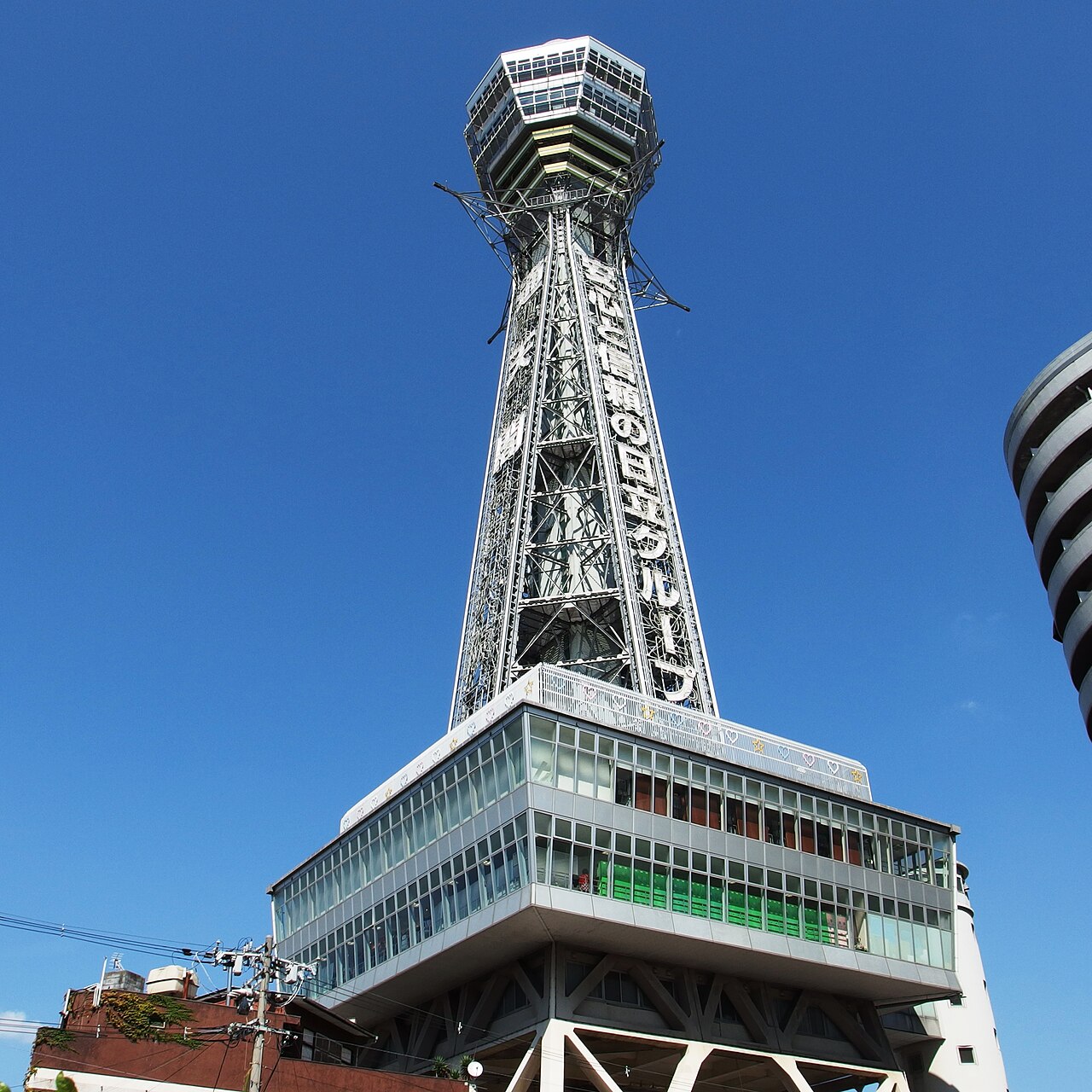
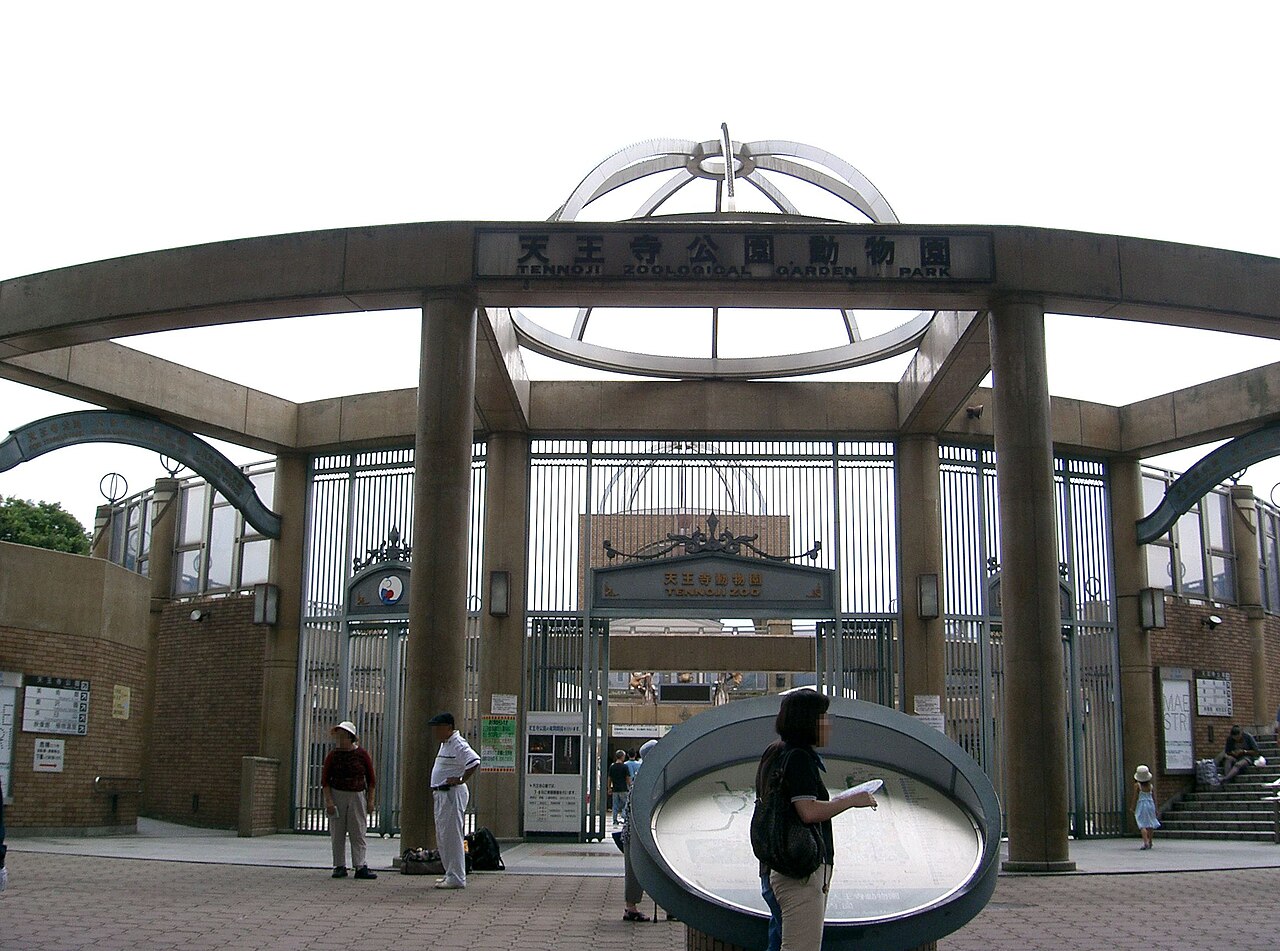
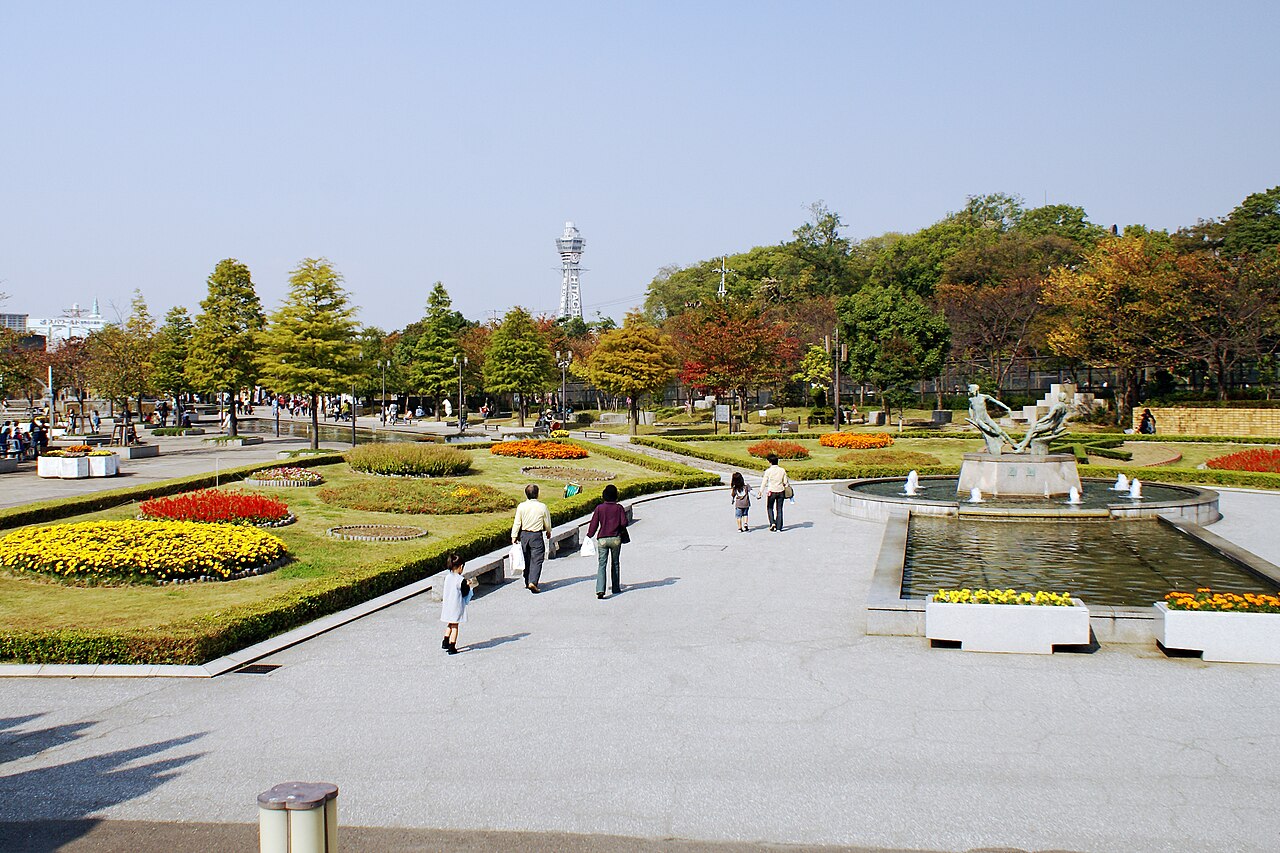
Shinsekai is a small neighbourhood in Naniwa ward, pressed between Tennoji Park on its east side and Nishinari on its south, and it is one of the few parts of Osaka people travel to for the street itself rather than for a building standing on it. The name means "New World", and the place was built to earn it. The neighbourhood was created in 1912 on ground that the Fifth National Industrial Exhibition had opened up in 1903, and it was laid out as deliberate theatre: the northern half modelled on Paris, the southern half on New York, Coney Island in particular, with a Luna Park amusement park at its foot that ran from 1912 until 1923.
Checked 2026-08-31 · Source
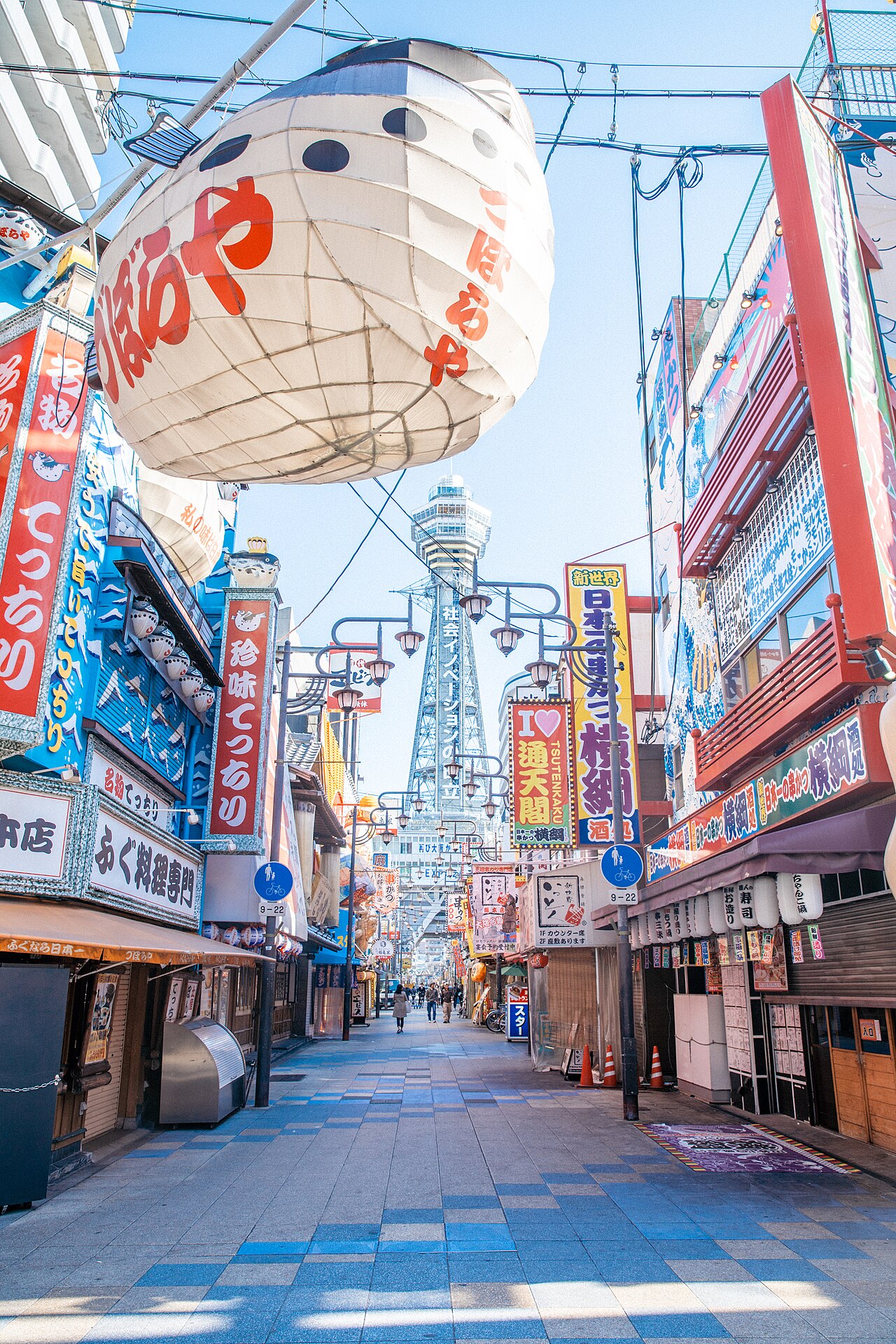
The spine of the district is Janjan Yokocho, an arcade of roughly fifty shops running 130 metres north to south. Osaka's tourism bureau names kushikatsu counters, doteyaki places, and go and shogi clubs as what fills it, and that mix is accurate: eating houses and small gambling-adjacent halls sit side by side, most of them narrow enough that a queue forms on the pavement. Kushikatsu — meat, fish and vegetables breaded on short skewers and deep-fried to order — is what the neighbourhood is known for rather than the fugu the lanterns advertise, though several blowfish restaurants still trade here.
Checked 2026-08-31 · Source
Allow ninety minutes for Shinsekai on foot. Neither Osaka's tourism bureau nor any operator publishes a suggested visit length for the district, so ninety minutes is this guide's editorial judgement rather than a recorded figure. It is built from the geography: Janjan Yokocho is 130 metres end to end, the grid of streets around Tsutenkaku takes another ten minutes to walk twice over, and the rest of the time goes on standing still — reading a menu board, waiting for a counter seat, eating six or eight skewers, and photographing the tower from the two or three angles that work. Under an hour is enough only if a visitor eats nothing, which misses the point of coming.
Checked 2026-08-31 · Source
Public streets are accessible 24 hours daily; restaurants, shops and attractions keep separate hours. Events, worship, maintenance and security measures can alter ordinary access. The district has no opening hours of its own. Osaka's tourism bureau lists both business hours and holidays for Shinsekai as varying by store, so nothing about the streets as a whole is guaranteed open or shut at a given time, and individual counters keep their own closing days.
Checked 2026-08-31 · Source
Walking Shinsekai is free; towers, food, games and tours cost separately. Premium experiences and event products cost separately. Walking Shinsekai costs nothing. It is a public neighbourhood of ordinary streets, and the tourism bureau's entry for it carries no price field at all, where its entry for Tsutenkaku carries one — so the money in a visit here goes on food and on the tower, not on entry. Tsutenkaku's operator publishes its tariff in full. The general observation deck is 1,500 yen for an adult of 15 or over and 800 yen for a child aged 5 to 14.
Checked 2026-08-31 · Source
Osaka Metro Dobutsuen-mae or JR Shin-Imamiya stations. This is the named public-transport approach for an independent visit. No car is needed and none is wanted. The address is the Ebisu-Higashi area of Naniwa-ku, Osaka 556-0002, and three separate rail systems put a visitor at its edge. Osaka Metro's Sakaisuji Line stops at Ebisucho, which the tourism bureau describes as directly adjacent to the district — the exit opens onto it. Dobutsuenmae, served by both the Midosuji and Sakaisuji lines, is a three-minute walk, which matters because the Midosuji line is the one running down the spine of the city from Umeda and Namba.
Checked 2026-08-31 · Source
Step-free entrances or public approaches, lifts where required, and accessible toilets serve principal visitor areas. The access description applies to principal visitor areas rather than every historic or operational space. The pufferfish lantern is the trap. Osaka's tourism bureau still names a giant pufferfish lantern as one of the things Shinsekai is famous for, but the best-known one belonged to the fugu restaurant Zuboraya, whose Shinsekai main branch closed in 2020; Japanese Wikipedia now describes Zuboraya in the past tense, and the local Shinsekai news site reported the lantern being taken down on 3 September 2020. Other restaurants here still hang illuminated fugu, so a visitor will see one — but not that one, and not on the corner the older photographs show.
Checked 2026-08-31 · Source
Shinsekai is a street photographer's district and a tripod photographer's problem. Tsutenkaku's operator lists photography that occupies a fixed spot with a tripod among the acts prohibited inside the building, so the tower's decks are hand-held only; the same list covers flames, smoking and unauthorised live streaming of the interior. Outside, the constraint is different — Janjan Yokocho is 130 metres of narrow arcade with shopfronts trading on both sides, and setting up in it blocks a working business. The best pictures here need nothing but a phone and the right hour.
Checked 2026-08-31 · Source
Public streets are accessible 24 hours daily; restaurants, shops and attractions keep separate hours.
Walking Shinsekai is free; towers, food, games and tours cost separately.
Step-free entrances or public approaches, lifts where required, and accessible toilets serve principal visitor areas.
Osaka Metro Dobutsuen-mae or JR Shin-Imamiya stations.
Yes. Events, maintenance, weather and ceremonies can change ordinary access.
No. Special tours, exhibitions and upgrades use separate tickets.
Loading the interactive map…
The interactive map could not be loaded.
Last updated:
Source: OpenStreetMap contributors, Wikidata ·