
01
1 hour
Tsūtenkaku
通天閣
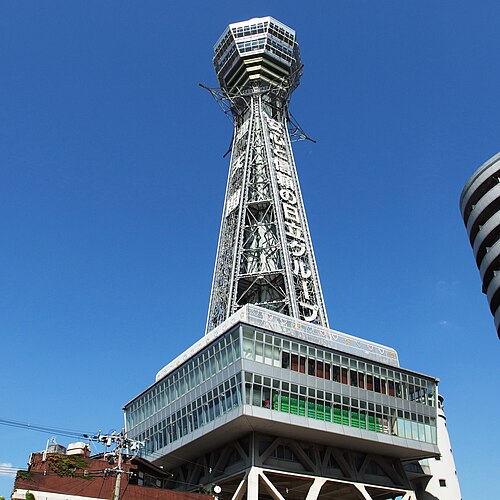
Tsutenkaku is an observation tower in Shinsekai, in Osaka's Naniwa ward, and it is the second tower to stand on the spot.
- Must see
- Viewpoint
Language · 11 published
City guide · Japan

Osaka is a large but legible city whose visitor areas follow several rail hubs. Kita centres on Osaka and Umeda stations, Minami gathers around Namba, Shinsaibashi and Dotonbori, and Tennoji anchors the southern core. Osaka Castle lies east of the centre, while the bay area contains major family attractions. Plan each area as a separate walking cluster connected by rail.
Reviewed by Elena Voss · Roavina Travel Editor
Set your days, your pace and the hours you actually want to be out. The planner works around closing days and travel time, and leaves room to eat.
Ranked by importance — sitelinks, pageviews and heritage status, not editor preference.
4 places match
Category
Typical visit duration
Interests
通天閣
Tsutenkaku is an observation tower in Shinsekai, in Osaka's Naniwa ward, and it is the second tower to stand on the spot.
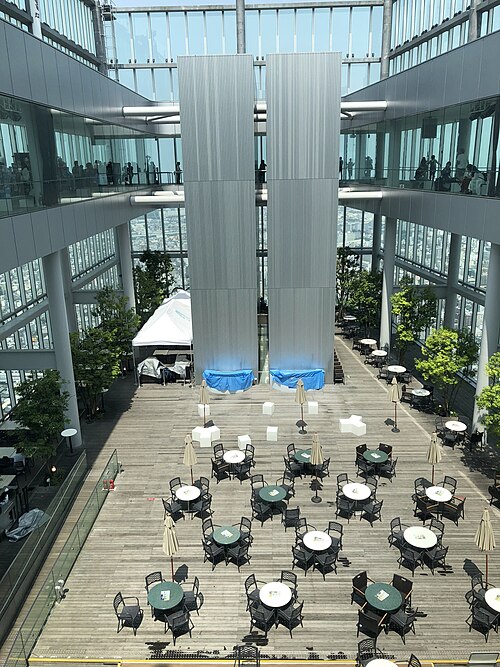
ハルカス300
Harukas 300 is an observation deck located at the summit of Abeno Harukas, a prominent skyscraper in Osaka. The facility occupies the building's top three floors, offering visitors elevated views across the Kansai region.
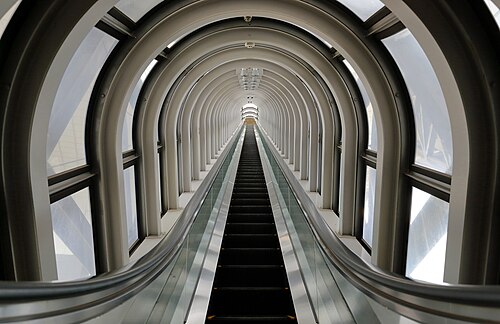
The Umeda Sky Building is a distinctive high-rise structure in Osaka's Kita district, completed in 1993.
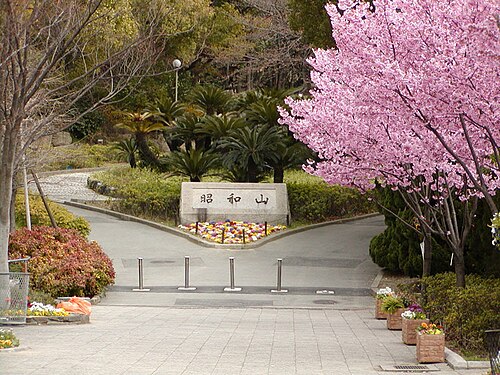
昭和山
Showazan, written 昭和山 in Japanese, is a visitor place in Osaka. It offers a different kind of stop from the city’s internationally famous commercial districts and landmark attractions.
Source: OpenStreetMap contributors, Wikidata ·
Kita is the northern commercial and transport centre around Umeda. Minami is the southern entertainment and shopping centre around Namba and Shinsaibashi, with Dotonbori between them. Tennoji and Shinsekai extend the sightseeing axis farther south. Osaka Castle forms its own eastern cluster, and the waterfront attractions sit west around the bay. The Osaka Loop Line and subway connect these distinct zones.
Checked 2026-08-26
Use Osaka Metro for travel between Kita, Minami and the central sightseeing districts, then walk within each cluster. The Osaka Loop Line connects major rail interchanges and provides transfers to private and regional railways. Buses cover gaps in the rail network, while water buses offer selected river journeys. Check the official route information for the destination rather than assuming every attraction is on one line.
Checked 2026-08-26
A fixed duration is not recorded. Allocate time by cluster: Kita, Minami, Osaka Castle, Tennoji and the bay area each work best as distinct blocks.
Kita is the northern centre around Osaka and Umeda stations. Minami is the southern centre around Namba, Shinsaibashi and Dotonbori, with a stronger concentration of nightlife and shopping.
Use the subway for most visitor journeys and walk within each district. The Osaka Loop Line is useful for transfers between major rail hubs and onward regional services.
No. Osaka Castle forms an eastern sightseeing cluster, while Dotonbori is in Minami. Treat them as separate stops linked by metro rather than one continuous walk.
Yes. The bay attractions sit west of the central districts and are best grouped together, reducing repeated transfers between the waterfront and the Kita-Minami axis.