
8 min walk
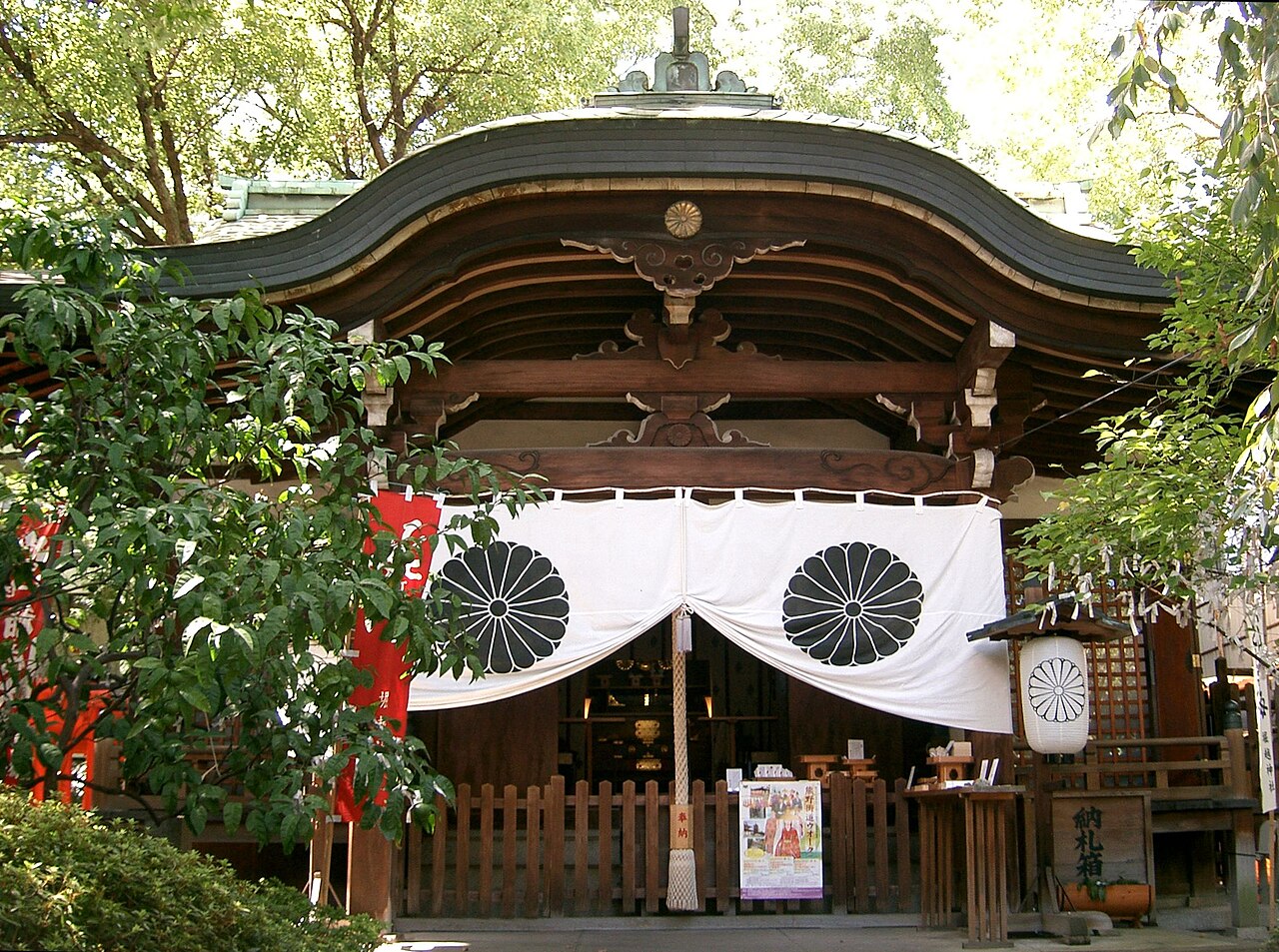
Horikoshi Shrine
- Must see
- Place of worship
Language · 11 published
Viewpoint · Osaka
ハルカス300
Reviewed by Elena Voss · Roavina Travel Editor
| Monday | 09:00 – 22:00 |
|---|---|
| Tuesday | 09:00 – 22:00 |
| Wednesday | 09:00 – 22:00 |
| Thursday | 09:00 – 22:00 |
| Friday | 09:00 – 22:00 |
| Saturday | 09:00 – 22:00 |
| Sunday | 09:00 – 22:00 |
Checked 2026-08-31 · Source
Read from the OpenStreetMap access tags; anything not listed has no tag recorded.
Set the group type to family in the planner and the day window contracts to about three quarters of a solo day.
This place is a Viewpoint.
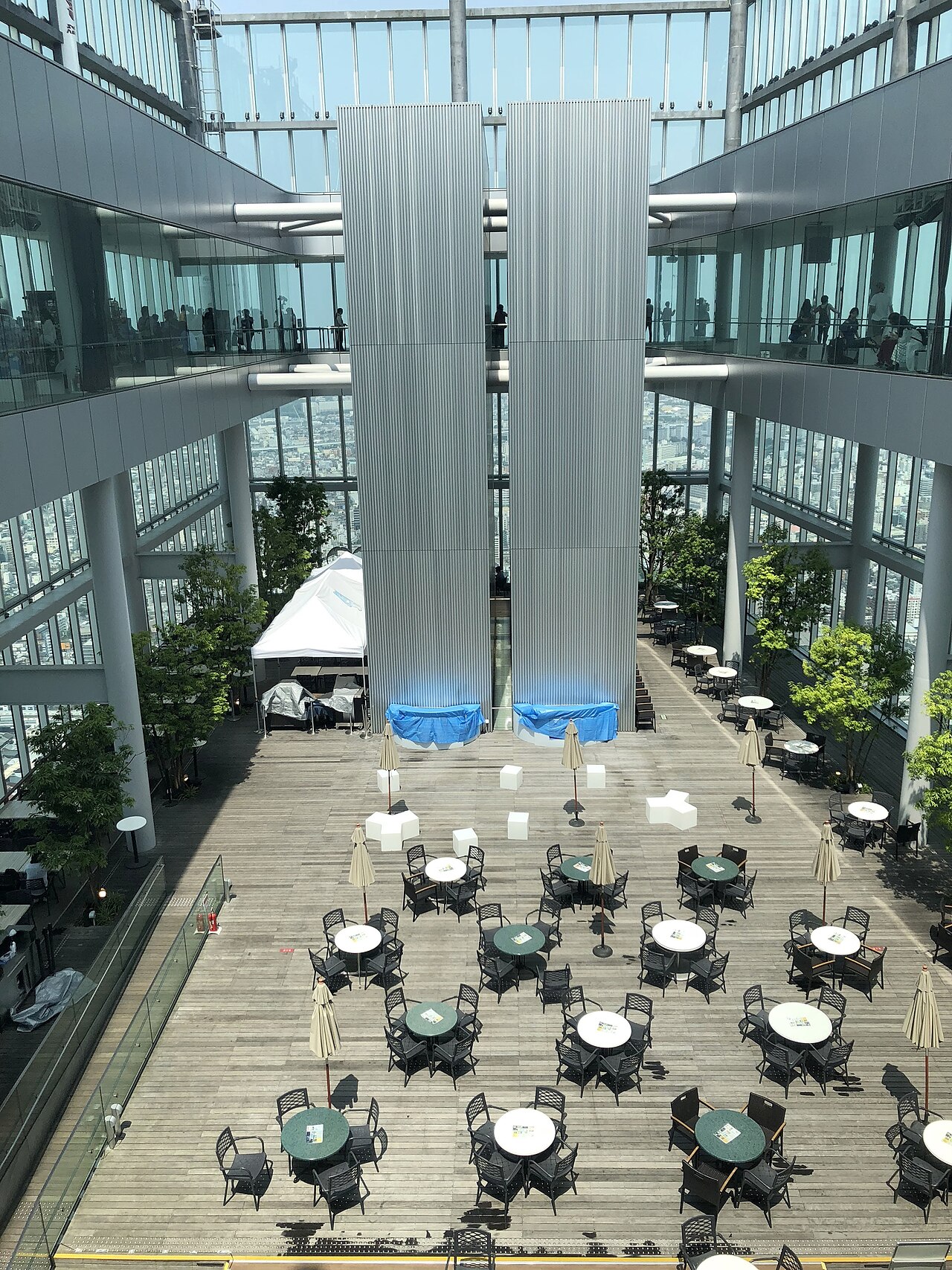
Harukas 300 is an observation deck located at the summit of Abeno Harukas, a prominent skyscraper in Osaka. The facility occupies the building's top three floors, offering visitors elevated views across the Kansai region. The name derives from its approximate 300-meter height above ground level. It represents a significant urban tourism infrastructure within Osaka's central Abeno district, serving as a recognizable landmark in the city skyline and a destination for both domestic and international visitors seeking panoramic perspectives. Harukas 300 also earns time in a osaka itinerary because A primary visitor landmark supported by the three required source families and matched exactly to the production city pool.
Checked 2026-08-31 · Source
The observation deck features indoor viewing galleries with floor-to-ceiling glazing, allowing visitors to observe the urban landscape regardless of weather conditions. An open-air rooftop terrace provides unobstructed exposure to the elements. The facility incorporates a restaurant and café operation, enabling dining with elevated outlooks. Retail spaces offer commemorative merchandise. The architectural design emphasizes vertical circulation through dedicated express elevators. The interior presentation includes directional signage and informational displays identifying visible landmarks. The spatial configuration separates free-flowing visitor zones from commercial and service functions.
Checked 2026-08-31 · Source
Visitor duration varies substantially based on individual objectives and conditions. Casual observation typically requires thirty to sixty minutes for comprehensive perimeter viewing and photography. Incorporating dining extends stays to ninety minutes or longer. Sunset arrival followed by nocturnal viewing demands extended commitment. Weather quality significantly influences experience satisfaction and consequent duration. Peak visitation periods may introduce queuing delays for elevator access. Visitors prioritizing photography should allocate additional time for lighting transitions. The facility does not impose explicit time limits upon entry, permitting self-determined pacing throughout operational hours.
Checked 2026-08-31 · Source
Open daily 09:00-22:00, last admission 21:30; private events can affect individual areas. Events, ceremonies, maintenance and security measures can alter ordinary access. Optimal timing depends upon visitor preferences for atmospheric conditions and illumination. Daylight hours facilitate identification of distant landmarks and geographic features. Twilight transitions offer simultaneous day and night visibility. Complete darkness emphasizes artificial illumination patterns across the metropolitan area. Weather clarity substantially affects visibility range and photographic outcomes. Seasonal variations in sunset timing alter operational relevance of evening visits. Advance consultation of meteorological forecasts assists expectation management regarding atmospheric transparency and precipitation probability.
Checked 2026-08-31 · Source
Adult observation-deck admission is JPY 2,000; combination and sunset products may vary. Premium experiences and event products cost separately. Access requires purchase of admission credentials. Combination arrangements with other attractions or dining packages may exist. Online advance purchase options potentially offer convenience or preferential rates compared to on-site acquisition. Group provisions may apply for organized parties exceeding threshold sizes. Open daily 09:00-22:00, last admission 21:30; private events can affect individual areas. Payment method acceptance varies; verification recommended for international transaction instruments.
Checked 2026-08-31 · Source
JR and Osaka Metro Tennoji or Kintetsu Osaka-Abenobashi station. This is the named public-transport approach for an independent visit. Abeno Harukas occupies a position directly above Osaka-Abenobashi Station, served by the Kintetsu Minami-Osaka Line. The site maintains proximity to Tennoji Station, a convergence point for multiple railway operators including JR West, Osaka Metro, and Kintetsu. This interchange accessibility enables connection from diverse origin points across the metropolitan region and beyond. Pedestrian access integrates with surrounding commercial and transportation infrastructure. Surface transit options including municipal bus services operate in the immediate vicinity. The location within central Osaka facilitates approach from major accommodation concentrations and complementary visitor destinations.
Checked 2026-08-31 · Source
Step-free entrances or public approaches, lifts where required, and accessible toilets serve principal visitor areas. The access description applies to principal visitor areas rather than every historic or operational space. Elevated exposure presents inherent considerations for visitors with vertigo sensitivity or anxiety regarding height. The open-air terrace subjects occupants to meteorological conditions including wind, precipitation, and temperature variation; appropriate attire advisable. Crowding intensifies during domestic holiday periods and seasonal peaks, potentially degrading experience quality and extending waiting durations. Photography restrictions may apply to commercial or tripod-mounted equipment; verification recommended. Children require supervisory attention near glazing and terrace boundaries. Elevator capacity limitations may necessitate patience during high-demand intervals. Personal belongings warrant secure management in exposed conditions.
Checked 2026-08-31 · Source
The facility presents extensive photographic opportunities across cardinal directions, though specific vantage quality varies with atmospheric conditions and time of day. Glazing reflections may interfere with interior capture; positioning close to surfaces and shielding ambient light reduces interference. The open-air terrace eliminates reflective obstruction for equipment positioned appropriately. Night photography demands stabilization accommodation for extended exposures; tripod policy should be confirmed with operational staff. Directional orientation assists landmark identification for contextualized imagery. Crowded conditions may constrain positioning flexibility during peak visitation. Weather-protected equipment advisable for terrace exposure.
Checked 2026-08-31 · Source
Open daily 09:00-22:00, last admission 21:30; private events can affect individual areas.
Adult observation-deck admission is JPY 2,000; combination and sunset products may vary.
Step-free entrances or public approaches, lifts where required, and accessible toilets serve principal visitor areas.
JR and Osaka Metro Tennoji or Kintetsu Osaka-Abenobashi station.
Yes. Events, maintenance, weather and ceremonies can change ordinary access.
No. Special tours, exhibitions and upgrades use separate tickets.
Loading the interactive map…
The interactive map could not be loaded.
Last updated:
Source: OpenStreetMap contributors, Wikidata ·