
5 min walk
Tennōji Park
- Must see
- Nature site
Language · 11 published
Place of worship · Osaka
堀越神社
Reviewed by Elena Voss · Roavina Travel Editor
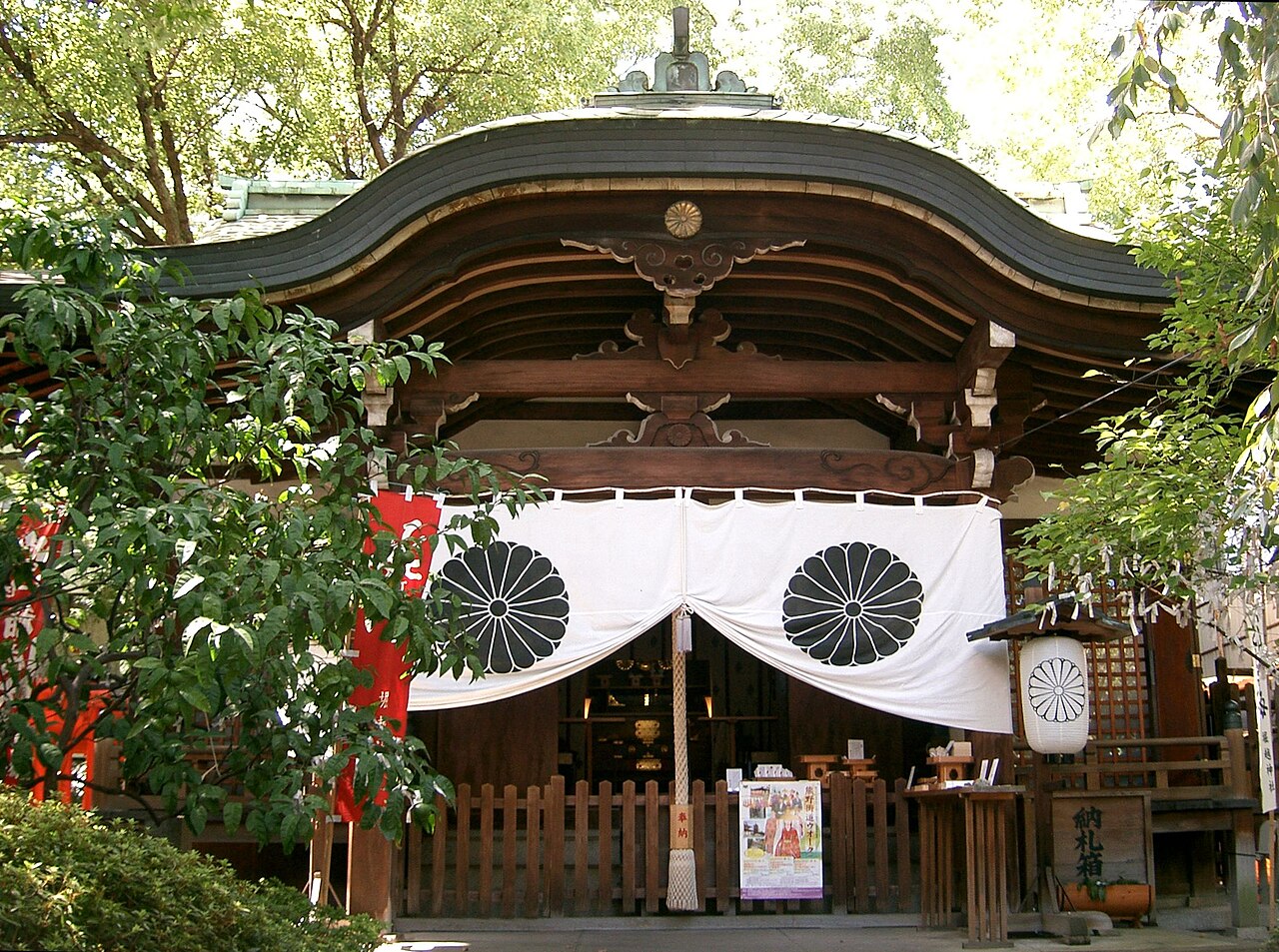
This place is a Place of worship.
Horikoshi Shrine, written 堀越神社 in Japanese, is a Shinto place of worship in Osaka’s dense urban landscape. Its character comes from the contrast between a sacred precinct and the surrounding city: the visit offers a quiet cultural pause rather than a museum-style attraction with a documented exhibition route. Notice how the entrance marks a transition from ordinary streets into a religious setting, and approach with the understanding that local worshippers may be using the shrine for personal prayer. The Japanese name is useful for matching signs and local references. A visit here suits travellers who want to include everyday religious culture in an Osaka walk, rather than those seeking a large, highly programmed sightseeing complex.
Checked 2026-09-02 · Source
The precinct is best explored as a place of worship, observation, and atmosphere. Begin by identifying the entrance boundary, then look toward the principal worship area and read any notices displayed on site. The available visitor information does not establish a formal collection, named interior rooms, or a guaranteed sequence of monuments, so allow the shrine’s actual scale and arrangement to guide you. Do not import expectations from larger Osaka shrines. The Japanese characters 堀越神社 can help confirm that the place you have reached is the intended shrine. Give yourself time to notice small details at the threshold, the arrangement around the worship area, and the way the precinct sits beside the city street.
Checked 2026-09-02 · Source
Allow roughly 20 to 40 minutes for a first visit. This is enough time to find the entrance, take in the public-facing parts of the precinct, pause for prayer if you wish, and read any information presented on site. A shorter stop can fit easily between other Osaka plans, while a longer stay may be appropriate if a ceremony or queue is visibly taking place. Keep the visit unhurried and considerate: the shrine is not simply a scenic backdrop, and the time needed for personal worship will vary. If Horikoshi Shrine is one stop in a longer walking route, place it where you can arrive without rushing from the previous attraction.
Checked 2026-09-02 · Source
Plan Horikoshi Shrine as a flexible part of your Osaka day rather than as a tightly timed attraction. Daylight is helpful for understanding the approach and seeing the precinct clearly. The atmosphere can change with weather, worship, and local activity, and a quiet arrival does not mean the space is private or inactive. If your purpose is a ceremony or seasonal observance, make that the central planning question and seek current information from the shrine before travelling. Early or quieter periods may make it easier to observe respectfully, while busier moments require more patience around the entrance and worship area.
Checked 2026-09-02 · Source
Treat Horikoshi Shrine as a brief religious visit and follow the shrine’s own instructions at the entrance and worship area. Optional offerings, charms, fortunes, or arrangements connected with a particular event are separate from the experience of walking through the precinct. If you choose to make an offering or purchase a religious item, handle it quietly and according to the shrine’s instructions on site. Keep discretionary spending separate from transport and other planned costs, and carry a little local currency if you prefer to be prepared for an on-site religious transaction.
Checked 2026-09-02 · Source
Horikoshi Shrine sits in Osaka’s dense urban setting, making rail or subway travel followed by a final walk a practical way to approach it. Search for 堀越神社 in your live mapping or transport app, compare the map pin with the shrine entrance, and allow for the difference between reaching the street and reaching the actual gate. A taxi can simplify the final approach. Cycling may also work from your starting district, provided you have a lawful and convenient place to leave the bicycle. Save the Japanese name before leaving your accommodation, because it is more useful for local map searches than an English-only query.
Checked 2026-09-02 · Source
Keep voices low, leave worshippers room, and follow every notice about movement or conduct. Outdoor shrine surfaces may be uneven or affected by rain. When pedestrian traffic narrows the entrance or path, wait rather than blocking other visitors. Dress and behave as you would in any active religious setting, and ask on site before entering an area that is not clearly public. Avoid treating the precinct as a shortcut or picnic space, and keep bags, umbrellas, and mobility equipment positioned so they do not obstruct worshippers. During ceremonies, pause at the edge and let the local activity proceed.
Checked 2026-09-02 · Source
Use photography as a quiet record of the visit, not as the purpose of the visit. Take pictures only from areas where visitors are clearly permitted to stand, keep worshippers and staff out of close-up images unless they agree, and obey signs or direct requests. Never cross a boundary or enter a restricted space to improve a composition. During prayer, ceremonies, or busy moments, lower the camera or put it away. When the rules are unclear, choosing not to photograph is the most respectful option. Frame the entrance and wider precinct from a visitor’s position, and avoid photographing private conversations, offerings, or people engaged in worship.
Checked 2026-09-02 · Source
Plan Horikoshi Shrine as a flexible stop and seek current information from the shrine if a ceremony or particular service is essential to your visit.
Treat any offering, charm, fortune, or religious purchase as a separate on-site matter and follow the shrine’s own instructions.
Search for 堀越神社 in a live mapping or transport app, then compare the map pin with the shrine entrance. The shrine is in Osaka’s dense urban setting, so expect a final walk after rail or subway travel.
Plan for a self-directed visit and follow the shrine’s instructions unless the shrine itself announces an organised tour, ceremony, or other activity for your date.
Photograph only from clearly public areas, respect worshippers and signs, avoid restricted spaces, and stop if staff or an on-site notice asks you to put the camera away.
If an event matters to your trip, rely on a current announcement from Horikoshi Shrine rather than an unverified event calendar.
Loading the interactive map…
The interactive map could not be loaded.
Last updated:
Source: OpenStreetMap contributors, Wikidata ·