
_Temple_13.jpg)
_Temple_17.jpg)
_Temple_18.jpg)
_Temple_19.jpg)
_Temple_hdsr_S5_01.jpg)
6 min walk
Horikoshi Shrine
- Must see
- Place of worship
Language · 11 published
Place of worship · Osaka
清水寺
Reviewed by Elena Voss · Roavina Travel Editor
This place is a Place of worship.
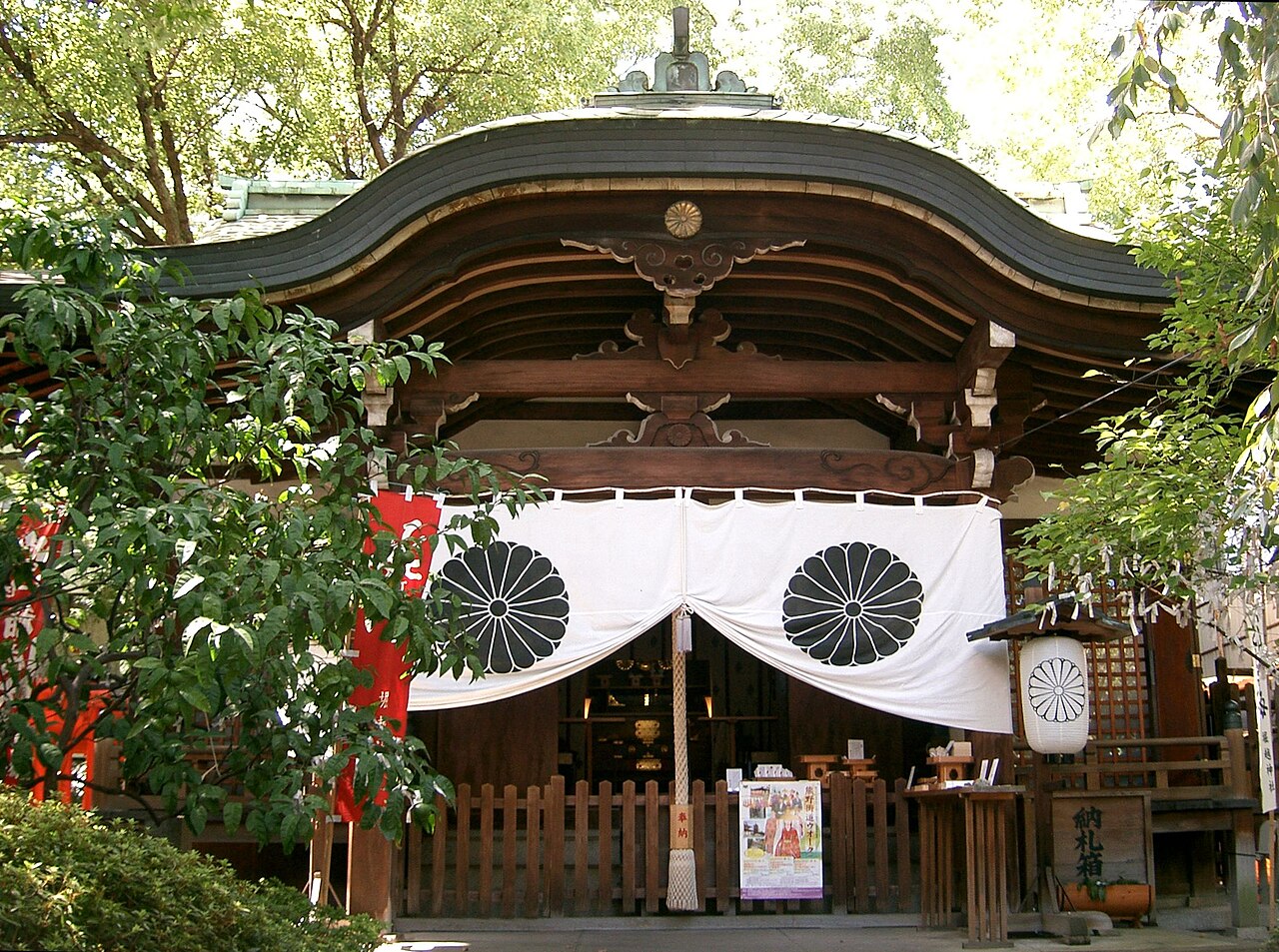
Kiyomizu-dera Temple is a Buddhist temple in Osaka, known locally as 清水寺. This Osaka temple is distinct from the better-known Kiyomizu-dera in Kyoto, despite sharing the same name. The site offers a quieter religious and cultural stop within Osaka’s urban landscape. Visitors come to observe Buddhist architecture, spend time in a place of worship, and add a contemplative pause to a city itinerary. Kiyomizu-dera Temple is best approached as a functioning religious site rather than as a conventional museum. The atmosphere depends on respectful behaviour, careful observation, and awareness that worshippers may be using the grounds at the same time. The temple’s value lies in its setting, devotional purpose, and connection with everyday religious life in Japan. Travellers comparing Osaka attractions can use the visit as a contrast to the city’s commercial districts and busier entertainment areas. The name itself is useful when planning: make sure directions refer to the Osaka temple, not the famous Kyoto landmark. A short visit can still feel complete if it includes the exterior architecture, the surrounding grounds, and a quiet moment for observation or prayer.
Checked 2026-08-26 · Source
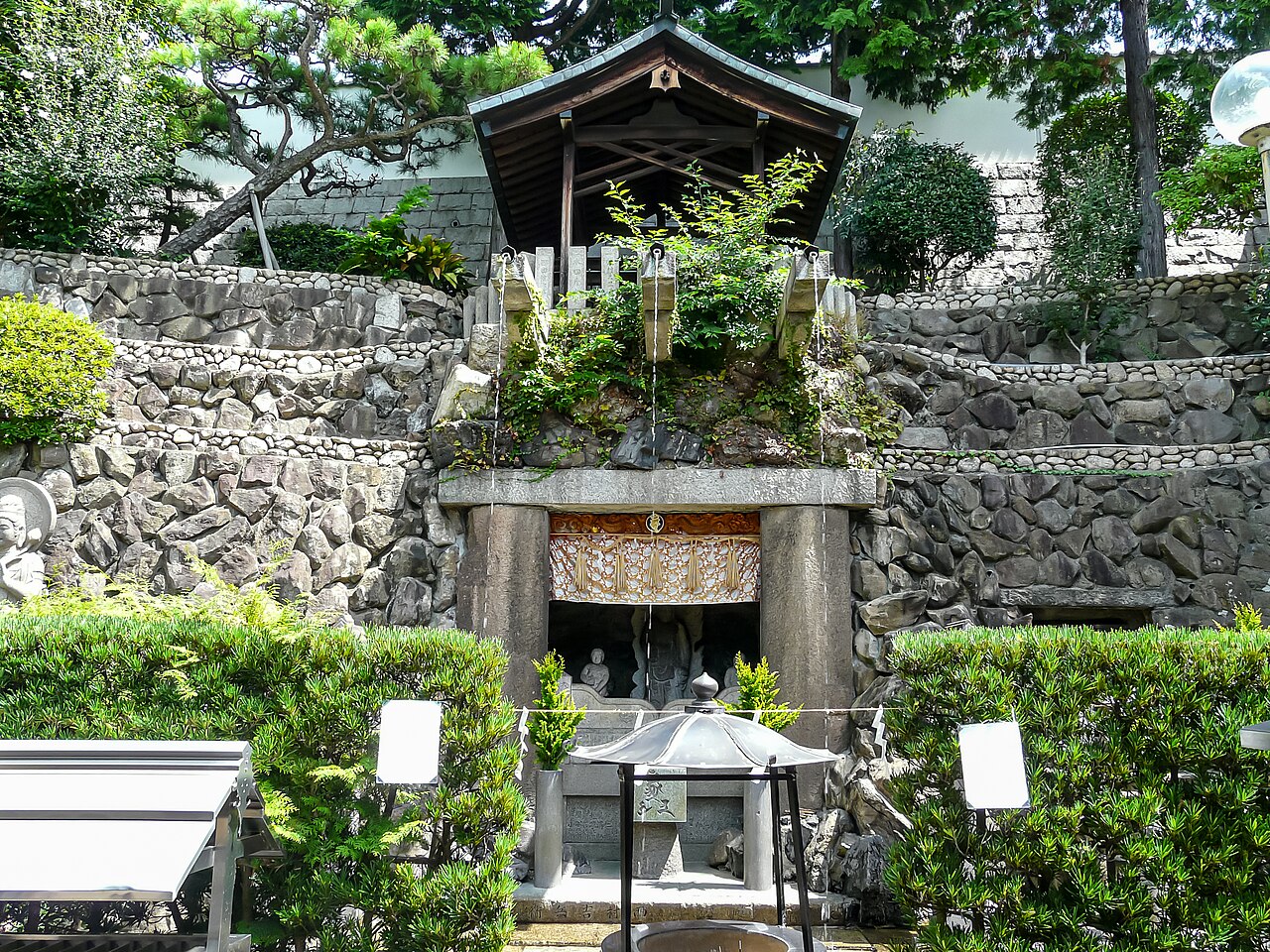
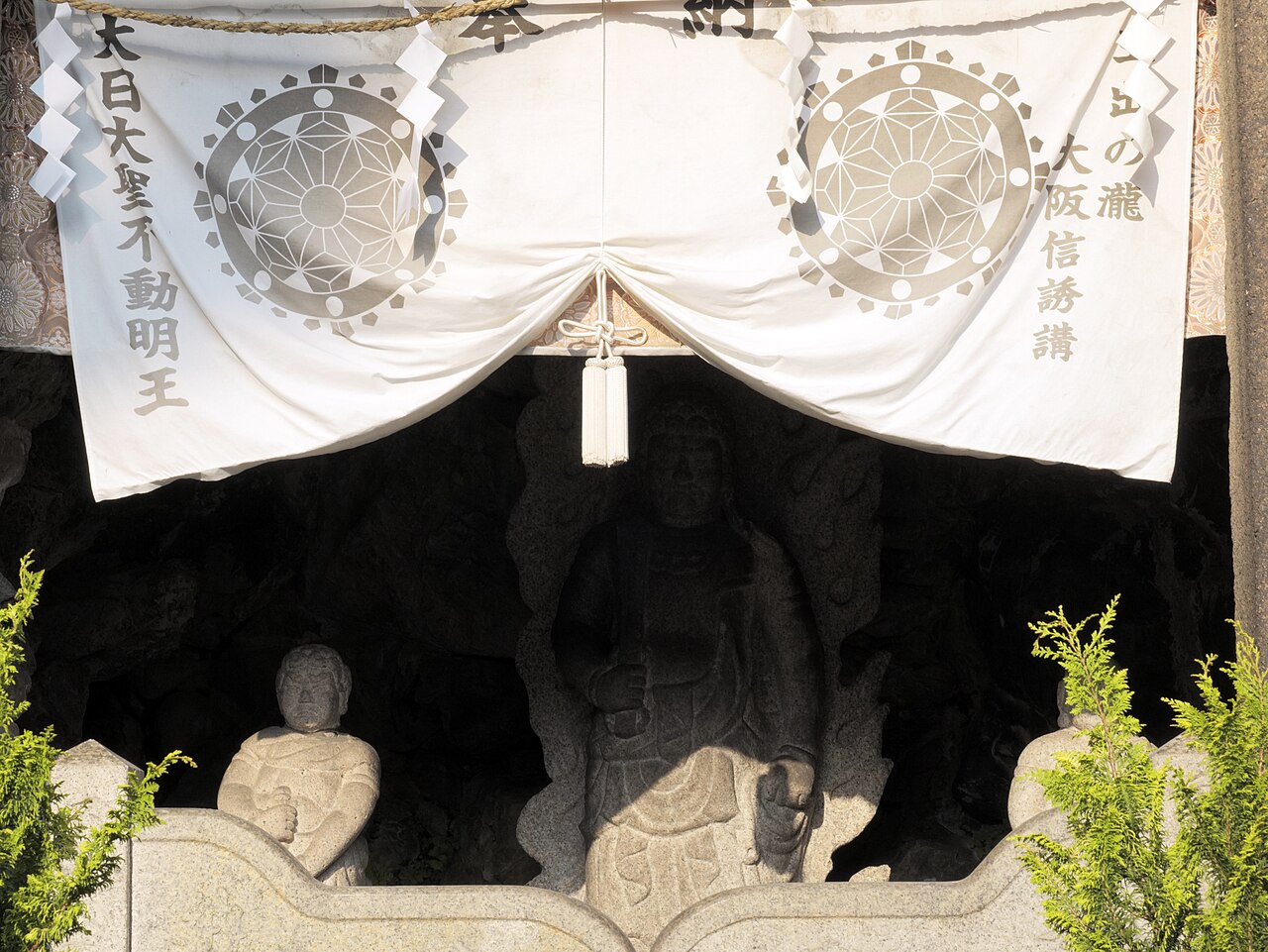
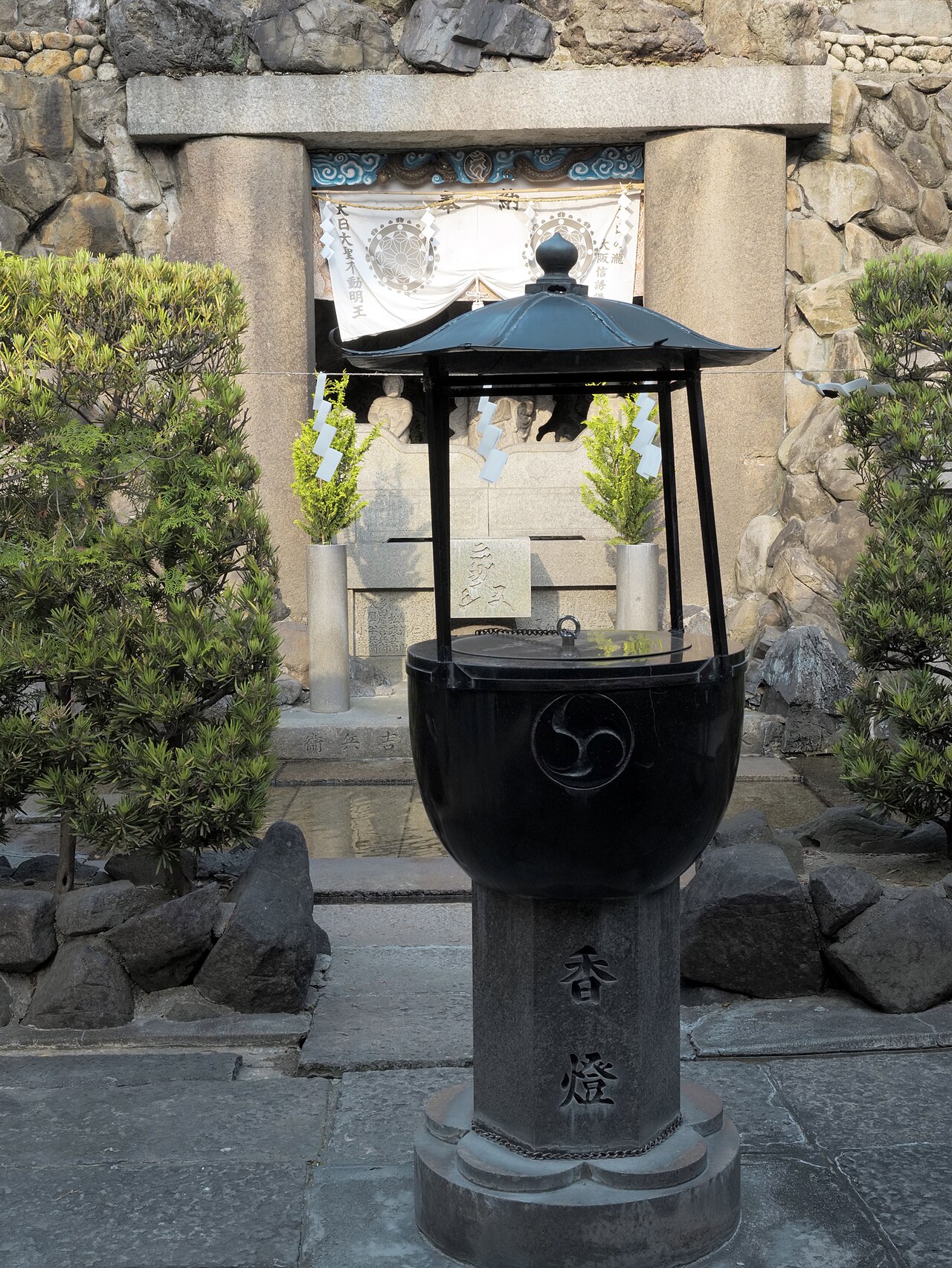
Kiyomizu-dera Temple presents the traditional character of a Buddhist religious precinct. Visitors can expect main hall structures, devotional objects, stone lanterns, and spaces connected with worship and contemplation. The grounds are more meaningful when viewed as an active temple environment than as a collection of display rooms. Look closely at the relationship between the buildings, paths, lanterns, and areas used for prayer. The temple’s name is associated with the idea of pure water, but the visit should centre on the place itself rather than on an expected museum-style interpretation. The most rewarding approach is unhurried: notice architectural details from the public areas, observe how visitors behave, and allow the setting to establish its own rhythm. Interior religious spaces may have their own rules, so visitors should follow signs and instructions at the entrance to each building. Kiyomizu-dera Temple suits travellers interested in Japanese religious heritage, traditional construction, and quiet urban exploration. The experience is primarily visual and atmospheric, with the functioning character of the temple forming an important part of what visitors encounter.
Checked 2026-08-26 · Source
Allow about 30 to 60 minutes for a straightforward visit to Kiyomizu-dera Temple. That time covers a calm walk through the grounds, exterior observation, photography where permitted, and a brief pause for prayer or reflection. Visitors who study architectural details or spend longer in contemplation can extend the stop. The temple works well as part of a broader Osaka walking day because it does not need to dominate the entire schedule. Build in extra flexibility during busy periods, when movement through religious spaces can be slower and photography may require more patience. A shorter visit is suitable for travellers making a cultural detour between other city stops. A longer visit makes sense for visitors who want to experience the atmosphere rather than simply identify the building and leave. Because Kiyomizu-dera Temple is a place of worship, the quality of the visit matters more than the number of minutes spent inside the grounds. Move quietly, avoid blocking paths, and let the available public areas determine the pace.
Checked 2026-08-26 · Source
Kiyomizu-dera Temple can form part of an Osaka visit in any season, with comfort depending on the weather and the amount of time spent outdoors. Spring and autumn generally provide pleasant conditions for walking, while Osaka’s summer heat and humidity can make a short visit more comfortable than a long one. Winter offers cooler conditions for travellers who prefer less heat. Morning visits are often a good choice for a calmer atmosphere and softer light around the buildings. Religious observances and ceremonies can change the character of the grounds, so visitors should be prepared to share the space with worshippers. The best time is therefore linked to the experience wanted: choose a quieter period for reflection, or a busier occasion if witnessing active religious life is part of the interest. Kiyomizu-dera Temple is not simply a photo stop, and the atmosphere can matter as much as the architecture. Wear suitable clothing for the season and leave enough time for a respectful, unhurried visit.
Checked 2026-08-26 · Source
Plan Kiyomizu-dera Temple as a religious visit rather than as a conventional ticketed museum experience. Japanese Buddhist temples commonly distinguish between general grounds access and charges connected with particular buildings, gardens, ceremonies, or special activities. Visitors should be ready for the possibility that donations or religious purchases may be part of the experience, and carrying cash is practical for offerings or omamori charms. The important distinction is between entering the temple environment and paying for a separate service or special area. Keep expectations flexible and respect any contribution boxes or notices placed around the precinct. A donation is part of religious etiquette only when freely offered; it should not interrupt worshippers or ceremonies. Kiyomizu-dera Temple’s value does not depend on a retail-style attraction format. Travellers can focus on the architecture, devotional atmosphere, and public areas while allowing the site’s own rules to shape the visit. If a ceremony or restricted interior is encountered, follow the instructions at that point and continue through the parts of the temple open to visitors.
Checked 2026-08-26 · Source
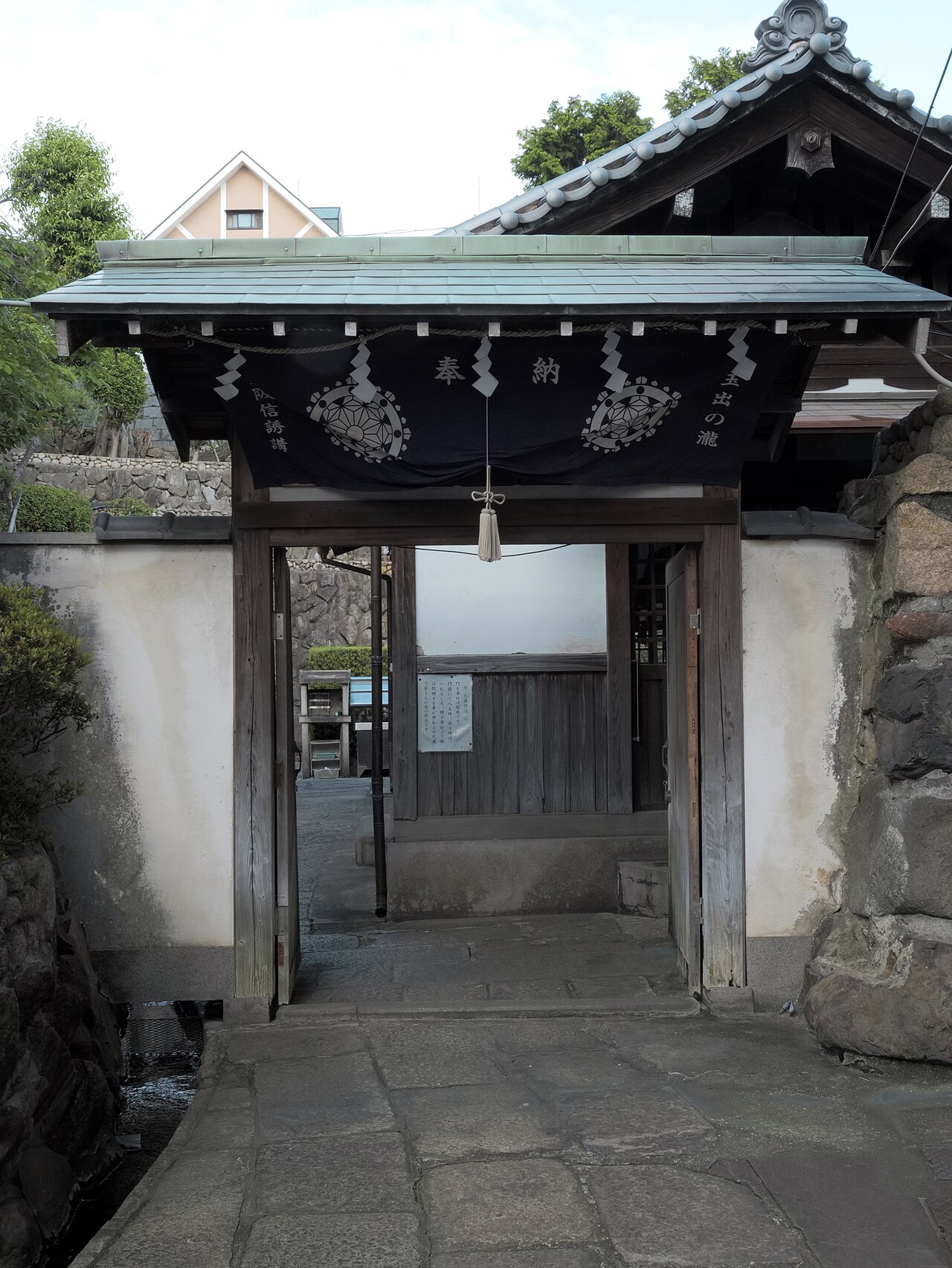
Kiyomizu-dera Temple is an Osaka urban destination served by the city’s extensive public-transport network. Subway lines and buses are the practical modes for reaching the temple area, while taxis offer a direct alternative. Use the temple’s exact name when entering directions, since the Osaka site shares its name with Kiyomizu-dera in Kyoto. Digital maps can help distinguish the two destinations before departure and prevent an intercity routing mistake. Visitors already exploring Osaka on foot can treat Kiyomizu-dera Temple as a cultural stop within a wider neighbourhood route. Public transport is useful for the main journey, but the last section should be planned with pedestrian movement in mind. Follow signs, respect residential or temple boundaries, and avoid treating every entrance as public access. The temple’s urban position makes it suitable for combining with other Osaka activities, provided the itinerary leaves time for the walk and for a calm visit.
Checked 2026-08-26 · Source
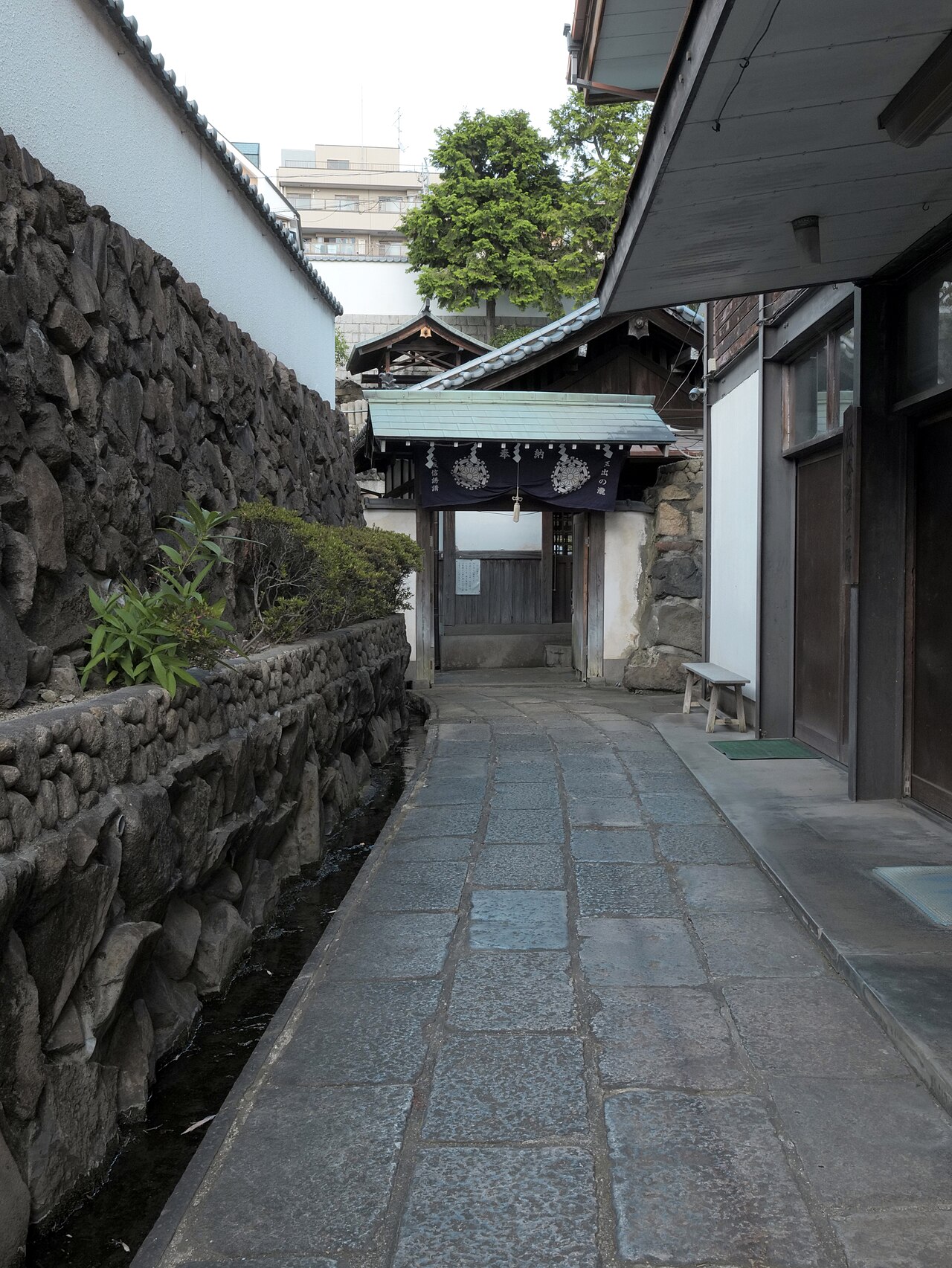
Kiyomizu-dera Temple remains an active Buddhist place of worship, so visitors should keep voices low, follow signs, and give priority to people praying or attending ceremonies. Interior areas can have stricter rules than outdoor grounds, including limits on photography or requirements to remove shoes before entering wooden-floored halls. Incense and candles may involve open flames, so move carefully around devotional areas. Wet weather can make outdoor surfaces slippery, particularly around traditional architecture and stone features. Crowds may gather during religious events or popular seasons; keep personal belongings close and avoid stopping in narrow paths. Modest clothing and a calm manner are appropriate. Visitors with limited mobility should expect that historic temple construction can include steps or uneven surfaces, although specific access arrangements vary by area. Do not climb, touch devotional objects, or enter a building simply because its door is open. Kiyomizu-dera Temple rewards observation, but respectful distance is part of the experience. Leave food, drink, and loud conversation outside worship spaces unless signs clearly permit them.
Checked 2026-08-26 · Source
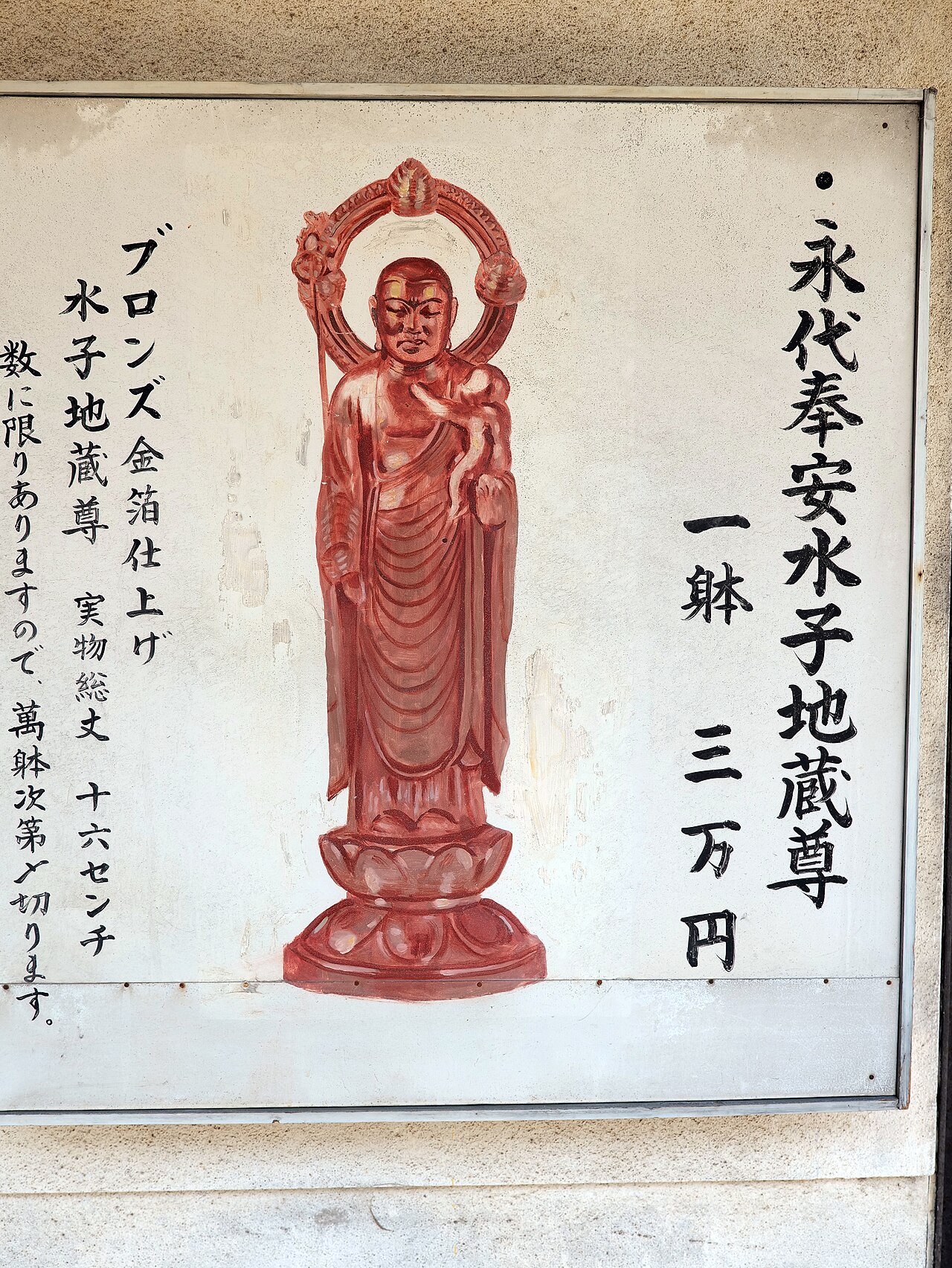
Exterior photography is a natural part of a visit to Kiyomizu-dera Temple, especially when documenting the relationship between traditional buildings, paths, lanterns, and the surrounding urban setting. Interior spaces and devotional objects require more restraint. Follow every posted photography instruction, avoid flash where it could disturb worship or damage sensitive material, and never photograph worshippers without permission. Keep cameras and phones from blocking paths or creating a queue at a viewpoint. Tripods and drones are poor choices in a functioning religious site and a dense city environment unless explicit permission is provided. Daylight gives the architecture clear form, while overcast weather can soften contrast on wood and stone. The strongest photographs usually show the temple as a place with atmosphere, not merely as an isolated façade. Pause before taking a picture, check whether a ceremony is taking place, and lower the camera when religious activity deserves privacy. Personal photography should remain secondary to the temple’s devotional purpose and the comfort of other visitors.
Checked 2026-08-26 · Source
No. The Osaka temple is a distinct Buddhist religious site that shares the name 清水寺 with Kyoto’s Kiyomizu-dera. Use the Osaka location when planning this visit.
It is a Buddhist temple offering visitors a place to observe traditional religious architecture, experience a devotional atmosphere, and spend time in quiet contemplation within Osaka.
Allow roughly 30 to 60 minutes for a calm visit. Visitors interested in prayer, photography, or detailed architectural observation can stay longer.
Walk respectfully through the public grounds, observe the Buddhist architecture and devotional details, and leave time for quiet reflection or prayer.
Exterior photography is suitable where permitted. Interior spaces, religious objects, ceremonies, and worshippers require careful attention to signs, privacy, and temple etiquette.
Keep quiet, follow posted instructions, respect worshippers, avoid touching devotional objects, and take care around incense, candles, steps, and wet outdoor surfaces.
Loading the interactive map…
The interactive map could not be loaded.
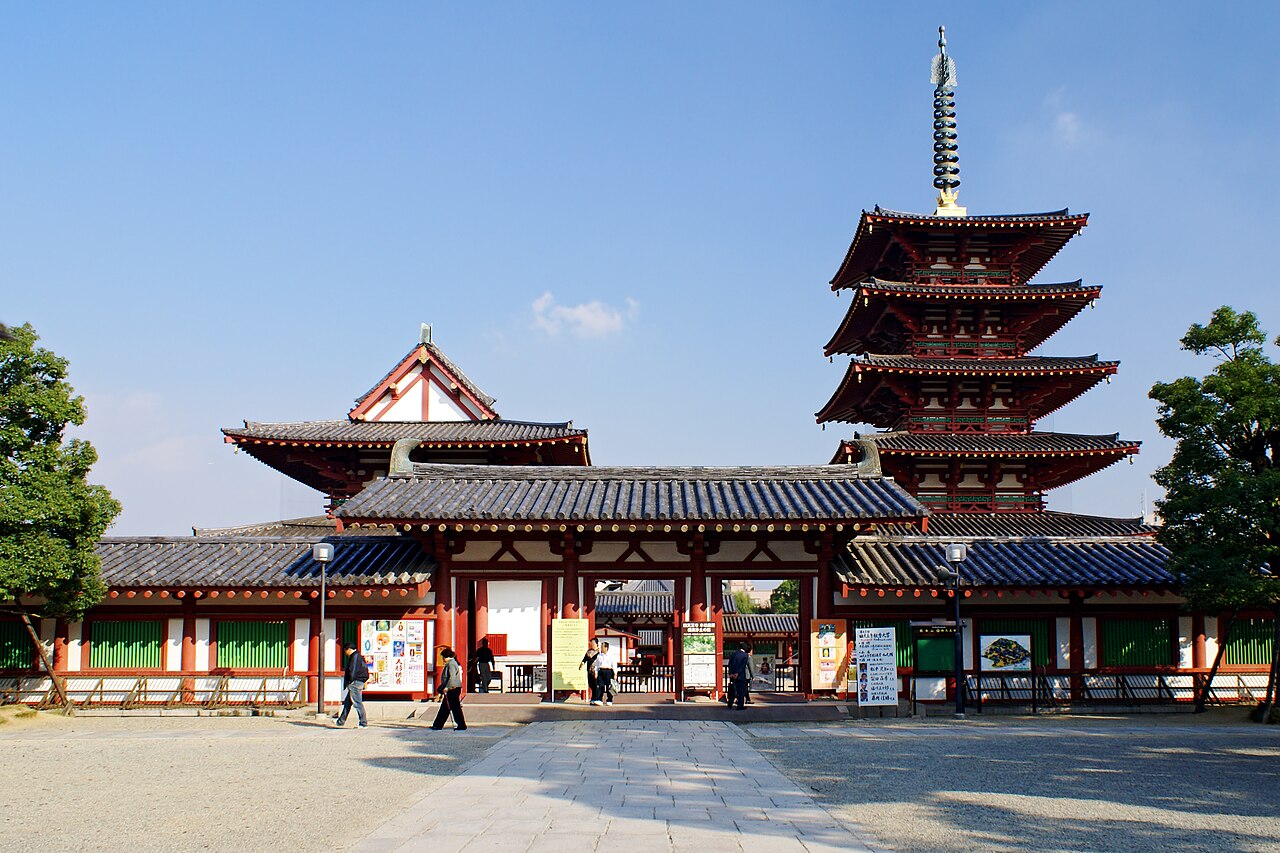
Last updated:
Source: OpenStreetMap contributors, Wikidata ·