
5 min walk
大阪市立桑津小学校
- Must see
- Place of worship
Language · 11 published
Place of worship · Osaka
京善寺
Reviewed by Elena Voss · Roavina Travel Editor
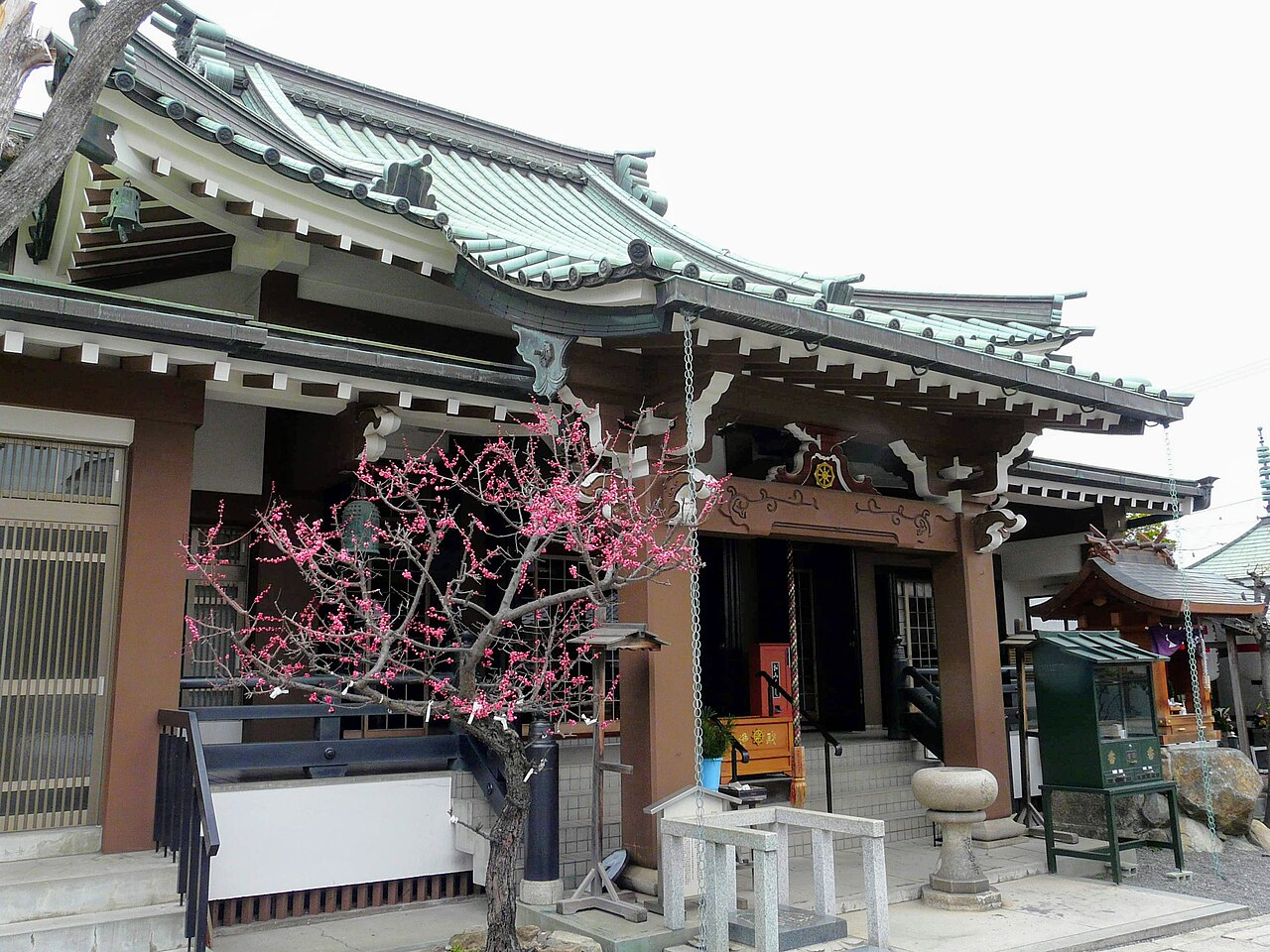
This place is a Place of worship.
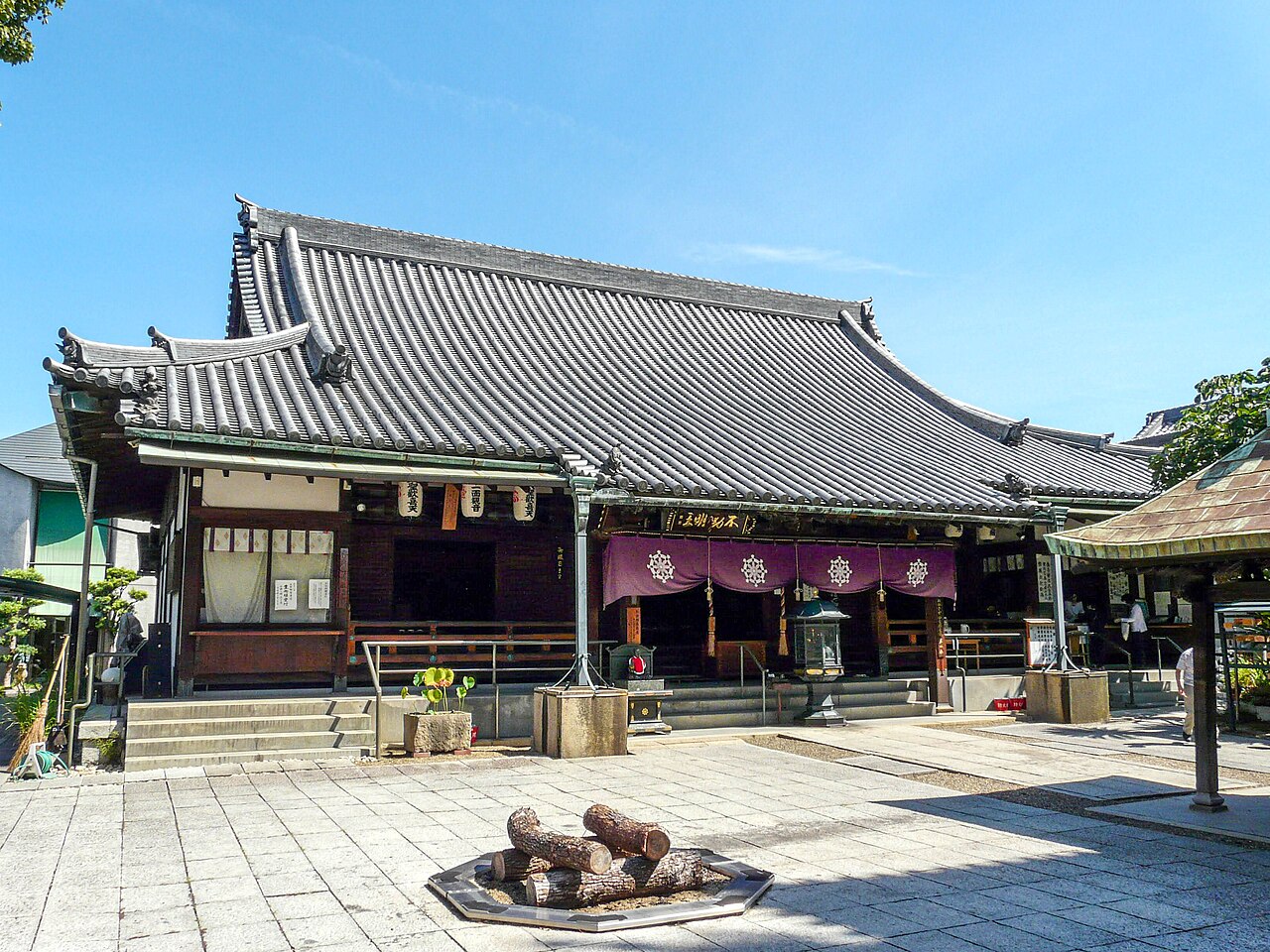
Kyōzen-ji Temple, written locally as 京善寺, is a Buddhist temple in Osaka. It forms part of the city’s religious and cultural landscape, where places of worship stand alongside dense modern development. The temple offers a chance to encounter Buddhist practice in an urban setting. Visit with the understanding that this is a functioning religious place, so quiet observation and respect matter as much as the architecture. Kyōzen-ji Temple, known locally as 京善寺, is a Buddhist temple situated in Osaka, Japan. It represents a place of worship and spiritual significance within the urban fabric of Japan's second-largest city. The temple belongs to the broader cultural and religious landscape that characterizes Osaka, where historical sites coexist with modern development. As a visitor place matched to the production city pool, it offers travelers an opportunity to encounter traditional Japanese temple architecture and Buddhist practice. The temple contributes to the diverse religious heritage found throughout the Kansai region, an area historically central to Japanese Buddhism and culture.
Checked 2026-08-26 · Source
A Buddhist temple visit centres on the religious setting rather than a guaranteed museum-style display. The temple may include worship spaces and Buddhist imagery, but the available guide material does not identify particular objects or rooms for public viewing. Begin with what is visible from permitted areas, and let signs, barriers and the conduct of worshippers show you where visitors may stand. Keep the atmosphere calm around active devotional spaces. Visitors can reasonably expect to find elements common to Japanese Buddhist temples, such as a main hall, altar space, and possibly statues or images of Buddhist figures. The temple's physical layout and architectural details would require on-site observation or additional authoritative sources to describe accurately. Visitors interested in specific interior features should consult the temple directly or seek guidance from local cultural institutions before planning their visit.
Checked 2026-08-26 · Source
Kyōzen-ji suits a short, unhurried stop. Allow enough time to observe the temple setting, pause quietly and appreciate the contrast between Buddhist practice and Osaka’s urban surroundings. A brief visit can fit easily between other city destinations, while a longer stay depends on how much of the grounds is open and whether worship is taking place. Do not build the day around activities that are not described for visitors. The duration of a visit to Kyōzen-ji Temple depends on individual interests and the scope of activities available at the time of arrival.
Checked 2026-08-26 · Source
Daylight is the most useful period for approaching and observing Kyōzen-ji, particularly when you want to understand the temple’s setting within Osaka. Spring and autumn offer comfortable conditions for walking. Summer is hot and humid, and winter can be cool. Religious activity may shape the atmosphere when you arrive, so keep your visit flexible and be prepared to give worshippers priority in shared spaces.
Checked 2026-08-26 · Source
Kyōzen-ji is a Buddhist temple rather than a conventional paid attraction in the guide’s description. Plan your visit as a respectful encounter with a religious site, and carry some cash if you wish to make an offering. The available material does not describe a fixed visitor charge, a ticket counter or paid visitor programme. Keep the visit focused on permitted observation and quiet conduct.
Checked 2026-08-26 · Source
Kyōzen-ji lies within Osaka’s extensive urban transport area. Reach the part of the city shown by your current map, then use local rail, bus or walking directions for the final approach. Osaka’s subway and railway network connects many neighbourhoods, while an IC card simplifies travel across operators. Check the map before setting out so the temple can be combined naturally with nearby stops rather than treated as an isolated journey.
Checked 2026-08-26 · Source
Kyōzen-ji is an active Buddhist place of worship. Speak quietly, keep a respectful distance from people praying and do not touch religious objects. Follow signs about shoes, photography and restricted areas. If an interior space requires shoes to be removed, do so only where the temple indicates. Osaka’s heat, humidity, rain and busy streets can affect comfort, so choose footwear and clothing suited to walking.
Checked 2026-08-26 · Source
Photograph the exterior and grounds only where the temple permits it. Interior worship spaces, Buddhist images and people at prayer deserve particular restraint. Look for posted rules, avoid flash and do not photograph worshippers without consent. Keep cameras and phones unobtrusive during devotional activity. Drone use is unsuitable for a compact urban religious site unless all applicable permissions and Japanese aviation requirements have been satisfied.
Checked 2026-08-26 · Source
Kyōzen-ji is a Buddhist temple in Osaka and part of the city’s living religious and cultural landscape.
It works best as a short, unhurried stop for quiet observation, with the exact length depending on the areas open to visitors and activity on arrival.
Observe permitted worship spaces quietly, respect signs and barriers, and avoid touching religious objects or disturbing people at prayer.
Use Osaka’s rail, subway and bus network to reach the temple’s neighbourhood, then follow current walking directions for the final approach.
Speak quietly, respect active worship, follow instructions about shoes and photography, and leave religious objects untouched.
Daylight in spring or autumn is comfortable for walking and observation; Osaka’s summers are hot and humid, while winters can be cool.
Loading the interactive map…
The interactive map could not be loaded.
Last updated:
Source: OpenStreetMap contributors, Wikidata ·