
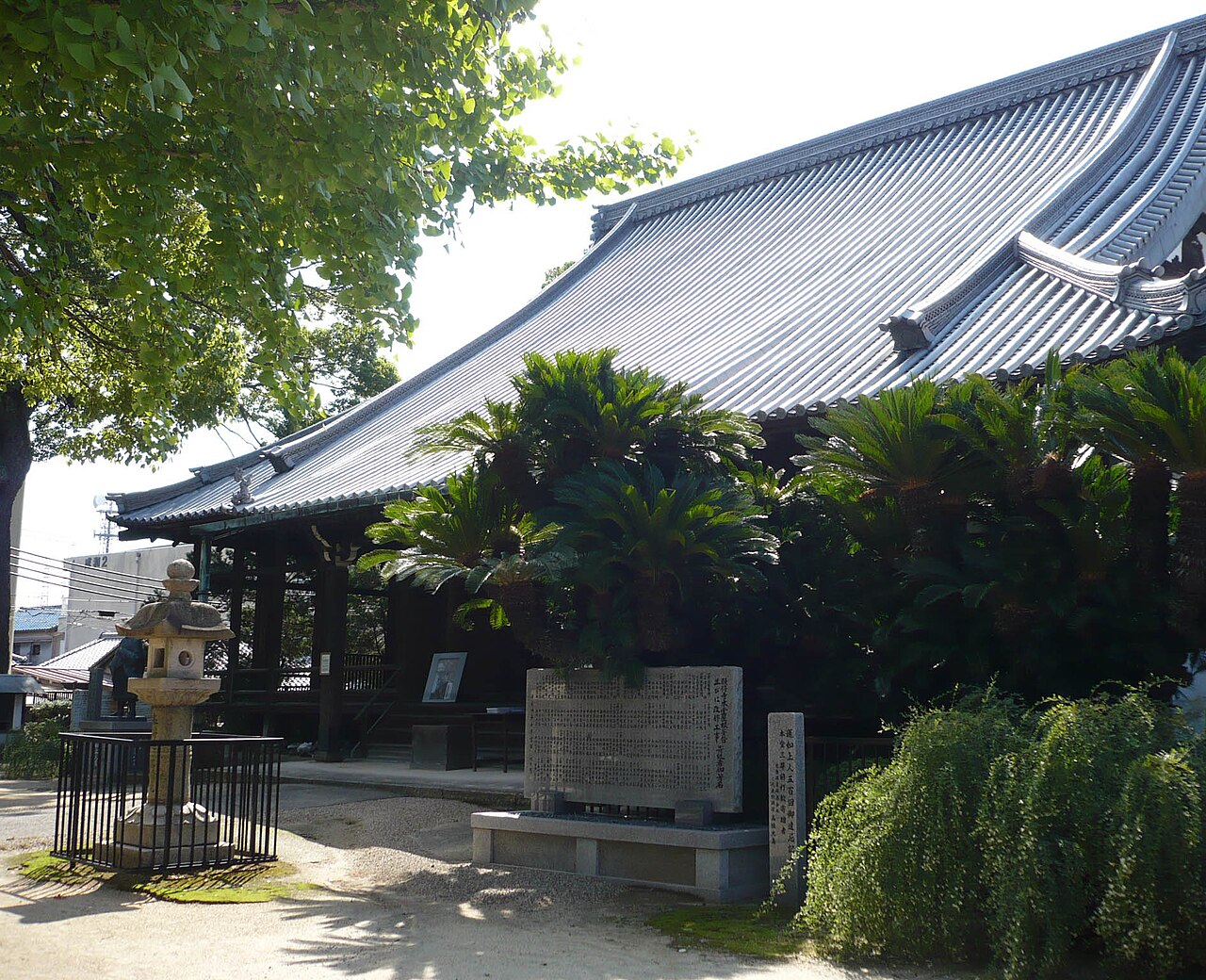
32 min walk
Gantoku-ji Temple
- Notable
- Place of worship
Language · 11 published
Place of worship · Osaka
佐太天神宮
Reviewed by Elena Voss · Roavina Travel Editor
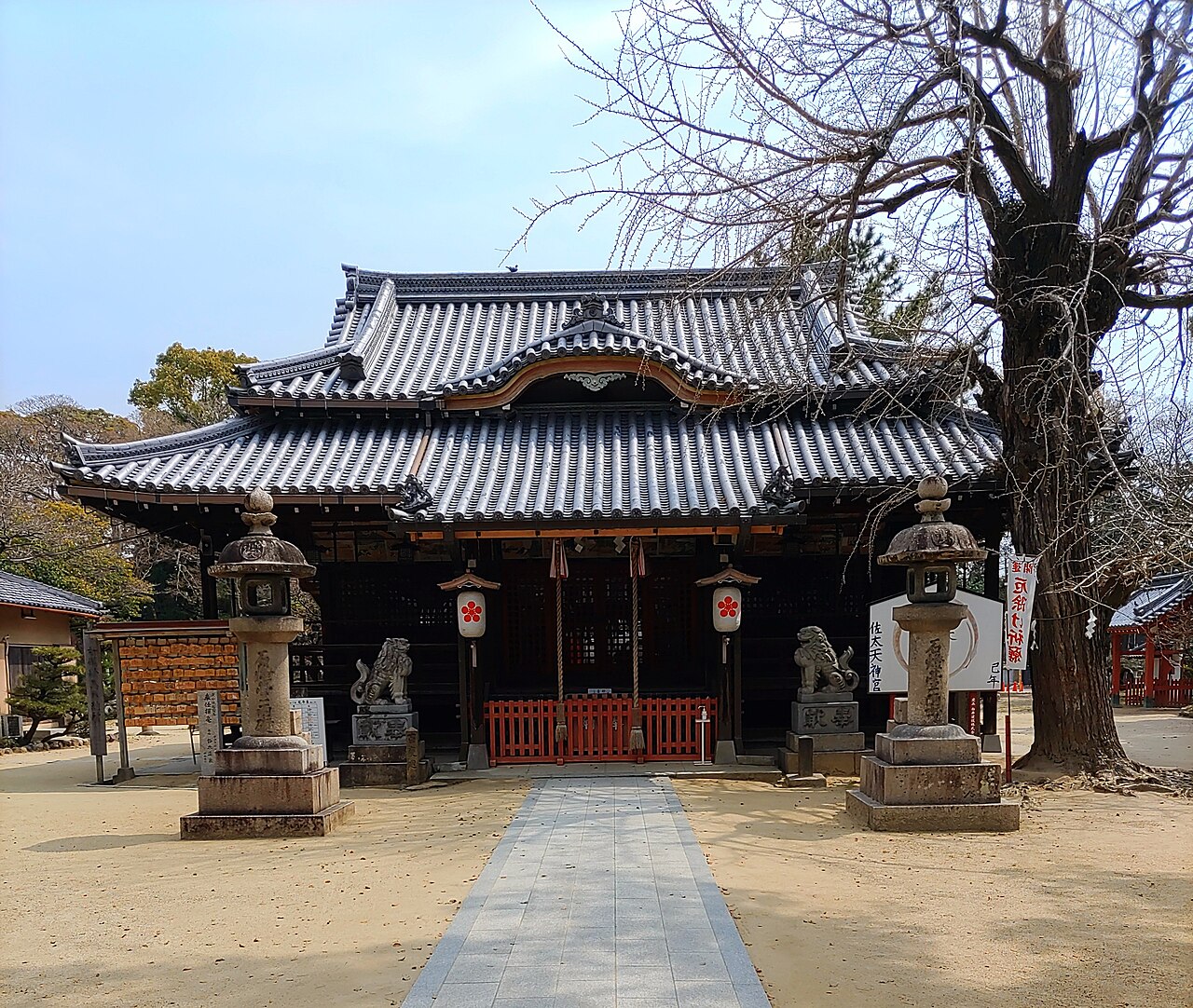
This place is a Place of worship.
Sata-tenjingu, written as 佐太天神宮, is a Shinto shrine in Osaka. The name identifies it as a Tenjin shrine, a tradition connected with the worship of Sugawara no Michizane, the scholar who became a revered kami. The shrine gives travellers a direct encounter with Japanese religious culture in an urban setting. Visit as a sacred place first and as a sightseeing stop second. Sata-tenjingu, known locally as 佐太天神宮, is a Shinto shrine situated in Osaka. As a tenjingu, it is dedicated to Tenjin, the deified scholar Sugawara no Michizane, a common figure of worship at shrines across Japan. The site represents part of Osaka's broader religious and cultural landscape, offering visitors a connection to traditional Japanese spiritual practice within an urban setting. Its documented presence in official tourism materials confirms its standing as a place of interest.
Checked 2026-08-26 · Source
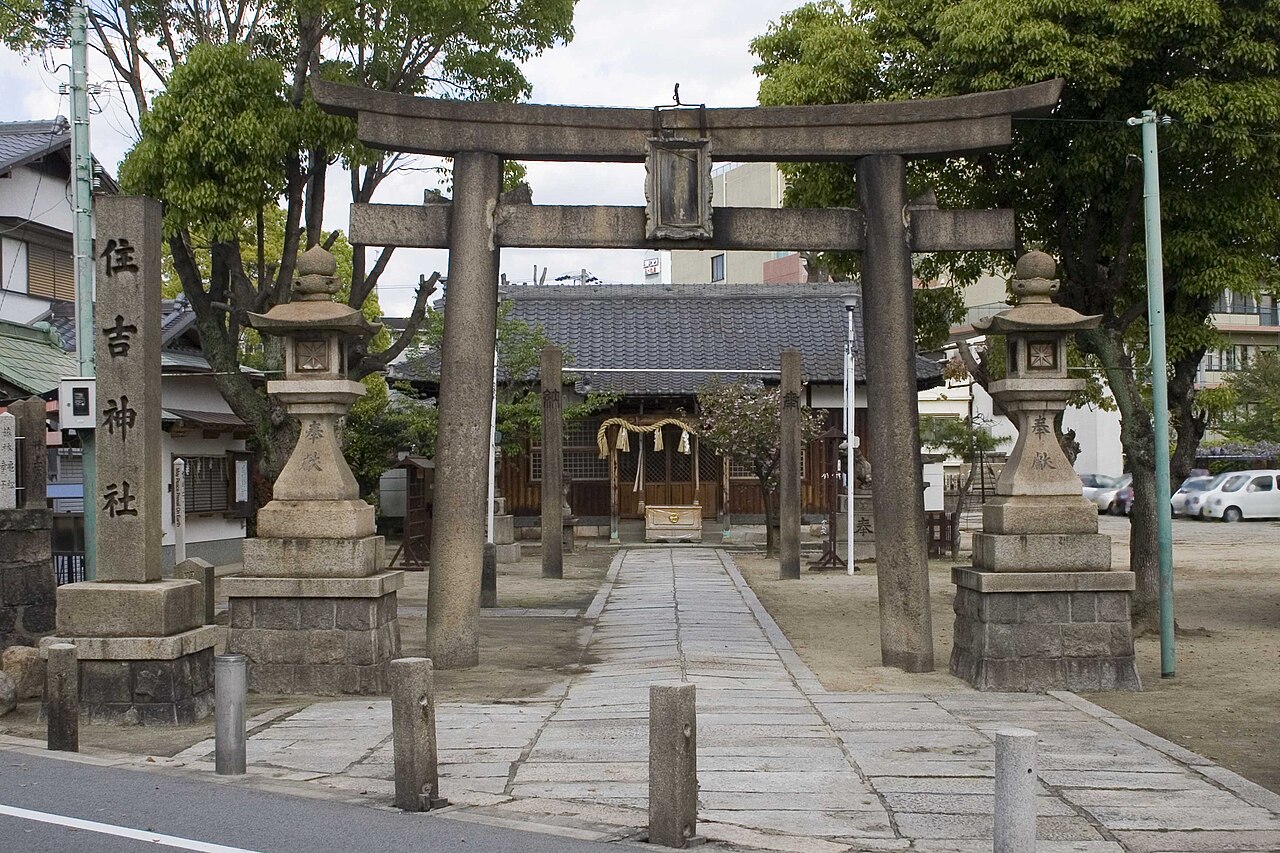
A shrine visit is experienced through its approach, sacred grounds and worship setting. Sata-tenjingu’s guide material identifies its Tenjin character but does not describe a complete inventory of buildings or objects. Explore only areas open to visitors and use gates, barriers and signs as your guide. The atmosphere, religious symbols and relationship between the shrine and its surrounding streets are more important to the visit than expecting a museum collection. The shrine grounds may contain trees, stone lanterns, or other customary landscaping, but no authoritative inventory exists. Visitors are advised to explore with appropriate cultural sensitivity, observing any posted rules regarding access to restricted areas.
Checked 2026-08-26 · Source
Sata-tenjingu is suitable for a compact shrine visit, with time for the approach, quiet observation and a respectful prayer if you choose to make one. A longer stay depends on the size of the grounds and the activity taking place when you arrive. Include it with other Osaka stops in the same broad area, leaving enough flexibility to avoid rushing through a place of worship. No duration guidance for visiting Sata-tenjingu is recorded in available materials. Visitor time at Shinto shrines typically varies considerably based on individual purpose, ranging from brief observational stops of several minutes to more extended visits incorporating prayer, contemplation, or exploration of grounds. Those seeking formal blessings or participating in rituals would require additional time. Without specific information about the shrine's size, number of structures, or available activities, visitors should allocate flexible time and adjust based on actual conditions encountered.
Checked 2026-08-26 · Source
Visit Sata-tenjingu in daylight so the approach and grounds are easier to appreciate. Spring and autumn are comfortable seasons for walking in Osaka. Summer is hot and humid, while winter is cooler. The shrine’s atmosphere may change during religious observances or local events, so keep the visit flexible and allow worshippers to use the grounds without interruption. Quiet periods are better for unhurried observation.
Checked 2026-08-26 · Source
Sata-tenjingu is a Shinto shrine, and the guide describes no fixed admission arrangement. Treat entry to the shrine grounds as a religious visit rather than a ticketed attraction. Carry small cash if you wish to make an offering or purchase a shrine-related item, while keeping those actions quiet and optional. Do not expect a standard museum-style ticket counter or guaranteed paid visitor service.
Checked 2026-08-26 · Source
Sata-tenjingu is within Osaka’s broad public transport network. Use a current map to identify the shrine’s neighbourhood and plan the final walk from the rail, subway or bus connection that suits your route. Osaka’s interconnected transport system makes combining several city destinations practical, and an IC card helps when changing between operators. Leave time for the approach rather than planning to arrive and depart immediately.
Checked 2026-08-26 · Source
Sata-tenjingu is a sacred Shinto site, so keep your voice low and avoid disruptive behaviour. Follow the shrine’s signs and respect any areas separated from visitors. If a purification basin is provided, observe how other worshippers use it before approaching the main worship area. Do not touch sacred objects, block paths or intrude on ceremonies. Hot weather, rain and crowded urban streets may affect the walk.
Checked 2026-08-26 · Source
Photograph Sata-tenjingu’s exterior and grounds only where signs permit. Keep the camera discreet near worshippers and never interrupt prayer or ceremonies for a better angle. Avoid flash around religious spaces and respect restrictions concerning the main sanctuary or other sacred areas. Commercial photography and drone use require appropriate permission and compliance with Japanese regulations. When a sign or staff member limits photography, follow that instruction immediately.
Checked 2026-08-26 · Source
Sata-tenjingu is a Shinto Tenjin shrine associated with the worship of Sugawara no Michizane.
Plan a compact visit with time for the approach, quiet observation and a respectful prayer if you choose to make one.
Explore permitted areas quietly, follow shrine signs and observe local worship practices before approaching the main worship area.
Use Osaka’s rail, subway and bus network to reach the shrine’s neighbourhood, then follow current map directions for the final walk.
Keep your voice low, avoid blocking paths, respect sacred areas and do not touch religious objects or interrupt worship.
Daylight in spring or autumn is comfortable for walking; Osaka’s summers are hot and humid and winters are cooler.
Loading the interactive map…
The interactive map could not be loaded.
Last updated:
Source: OpenStreetMap contributors, Wikidata ·