
3 min walk
Zenkaku-ji Temple
- Must see
- Place of worship
Language · 11 published
Place of worship · Osaka
Reviewed by Elena Voss · Roavina Travel Editor
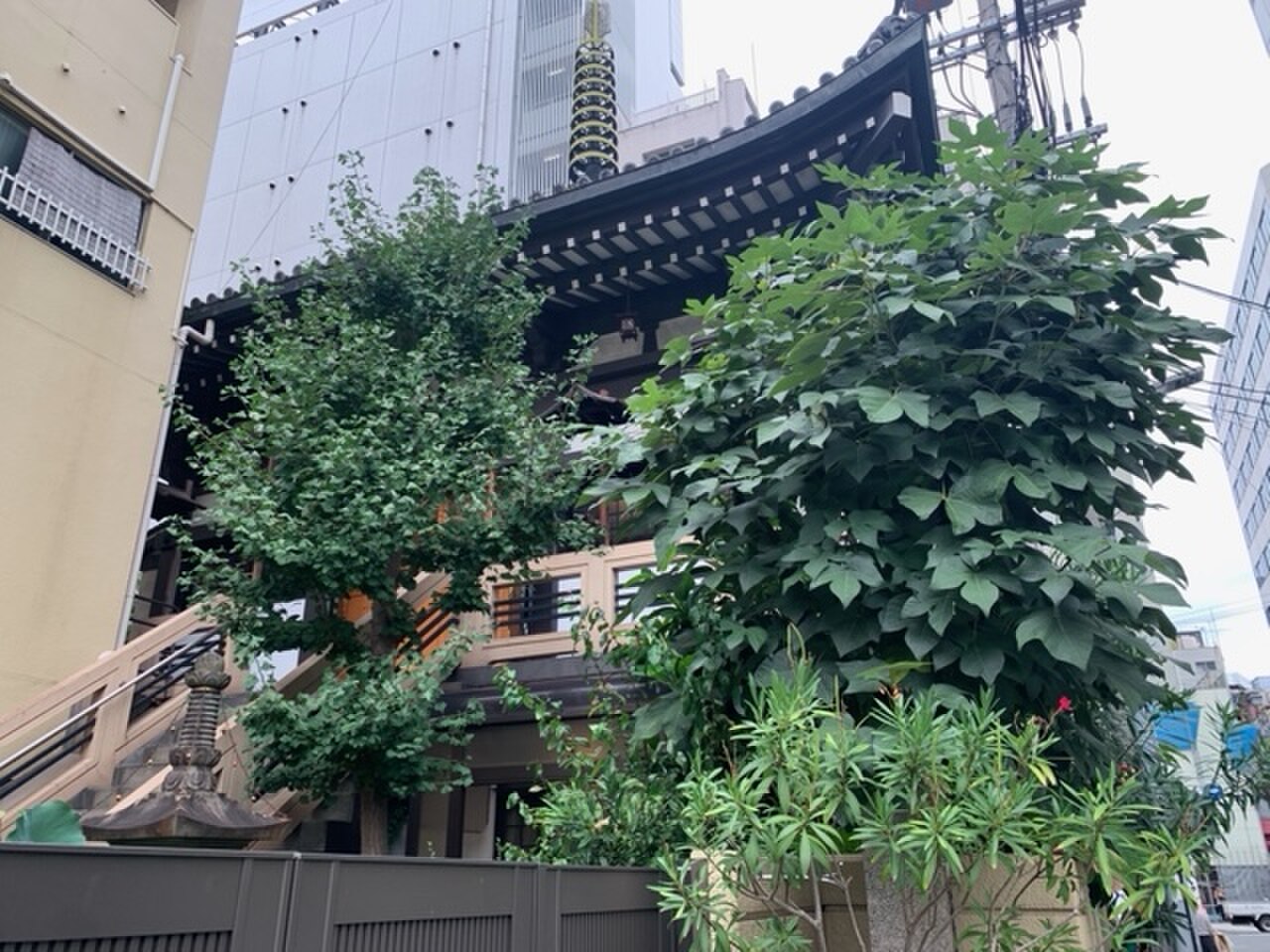
This place is a Place of worship.
Endonji is a neighborhood commercial area in Osaka, known by the Japanese name 円頓寺. Its character comes from everyday urban life: local shops, food businesses, residents, and streets designed for regular community use. Visitors come here for a grounded view of Osaka beyond its biggest tourist corridors, combining casual walking with observation of the city’s working commercial culture. Endonji is a local commercial and community area in Osaka. The district carries historical significance as a neighborhood shopping street and gathering place. Its character reflects the layered development of Osaka's urban fabric, where traditional commercial practices meet contemporary city life. The area serves residents and attracts visitors seeking an authentic neighborhood atmosphere distinct from major tourist corridors. Endonji represents the kind of local district that sustains everyday community functions while offering glimpses into Osaka's working urban culture. Endonji functions primarily as a local neighborhood commercial district rather than a major tourist destination. It offers authentic urban atmosphere for visitors interested in everyday Osaka life. Endonji is best for experiencing everyday Osaka through local commerce, small businesses, food stops, and a neighborhood streetscape.
Checked 2026-08-26 · Source
The area is experienced outdoors as a streetscape rather than as one enclosed attraction. Small businesses, eateries, shopfronts, signs, and the movement of local customers create the main points of interest. Walk at an unhurried pace and notice how commerce is arranged around daily needs. The value lies in the combined atmosphere of the district, not in a single monument or exhibition. The Endonji area contains a mix of small shops, eateries, and local businesses typical of a neighborhood commercial district in Osaka. These establishments serve the daily needs of surrounding residents. The streetscape preserves architectural and spatial qualities associated with traditional Osaka shopping streets. Visitors can observe local commerce in operation, with goods and services oriented toward community members rather than tourist markets.
Checked 2026-08-26 · Source
Allow fifteen to thirty minutes for a straightforward walk through Endonji. Spend one to two hours if you want to browse several businesses, pause for food, and observe the neighborhood at a slower pace. The district fits naturally into a walking itinerary because the visit can expand or contract around other plans. Leave time for unplanned shopfronts and local details. A visit to Endonji can be brief or extended depending on visitor interest in neighborhood exploration. Casual passersby might spend fifteen to thirty minutes walking through the district. Those wishing to observe local commerce, browse shops, or sample food from local establishments could allocate one to two hours. The area does not contain major monuments or museums requiring extended viewing time.
Checked 2026-08-26 · Source
Midday is useful for seeing the commercial character of Endonji while shops and food businesses are part of the street scene. Earlier or later visits create a different atmosphere, shaped by which individual businesses are active. Because the area is open to the city, weather matters; hot, humid conditions call for a slower pace, while cooler weather is comfortable for extended browsing.
Checked 2026-08-26 · Source
Walking through Endonji does not require an attraction ticket. Your spending depends on what you choose to buy or eat in the individual businesses along the route. This makes the district easy to combine with a low-cost Osaka walking day, while still leaving room for a meal, snack, or small purchase. Treat each shop as a separate commercial experience.
Checked 2026-08-26 · Source
Approach Endonji through Osaka’s dense urban transport network and finish the route on foot. The district is best navigated as a local street environment, so allow time to orient yourself among connecting roads and shopfronts. It pairs well with other central Osaka neighborhoods because there is no formal entrance sequence. A map pin is useful for reaching the area, followed by relaxed street-level exploration.
Checked 2026-08-26 · Source
Endonji serves residents as well as visitors. Keep clear of entrances, move carefully where pedestrians and vehicles share narrow streets, and avoid turning busy shopfronts into photo sets. Respect residential edges and local routines. In small businesses, patience and simple communication help the visit go smoothly. Heat, rain, and uneven or constrained walking space can affect comfort during a longer stay.
Checked 2026-08-26 · Source
Photograph the rhythm of the street: shop signs, building details, food displays, and the way businesses meet the public walkway. Ask before photographing inside a shop or focusing on merchandise and staff. Give people privacy, especially during transactions. Covered or narrow sections can create strong contrasts between shade and daylight, so a slower walk helps you notice useful compositions without obstructing local activity.
Checked 2026-08-26 · Source
Endonji is best for experiencing everyday Osaka through local commerce, small businesses, food stops, and a neighborhood streetscape.
A quick walk takes fifteen to thirty minutes; browsing and eating can extend the visit to one or two hours.
Yes. The district includes local eateries and food businesses, making it suitable for adding a meal or snack to a neighborhood walk.
No attraction ticket is needed for the street area. Costs come from optional purchases and food at individual businesses.
Look for shopfronts, signs, architectural details, food displays, and the everyday movement of Osaka’s neighborhood commerce.
Keep entrances clear, walk carefully around vehicles, respect residents and shop customers, and ask before taking close photographs indoors.
Loading the interactive map…
The interactive map could not be loaded.
Last updated:
Source: OpenStreetMap contributors, Wikidata ·