
10 min walk
NU Chayamachi
- Notable
- Market
Language · 11 published
Place of worship · Osaka
富島神社
Reviewed by Elena Voss · Roavina Travel Editor
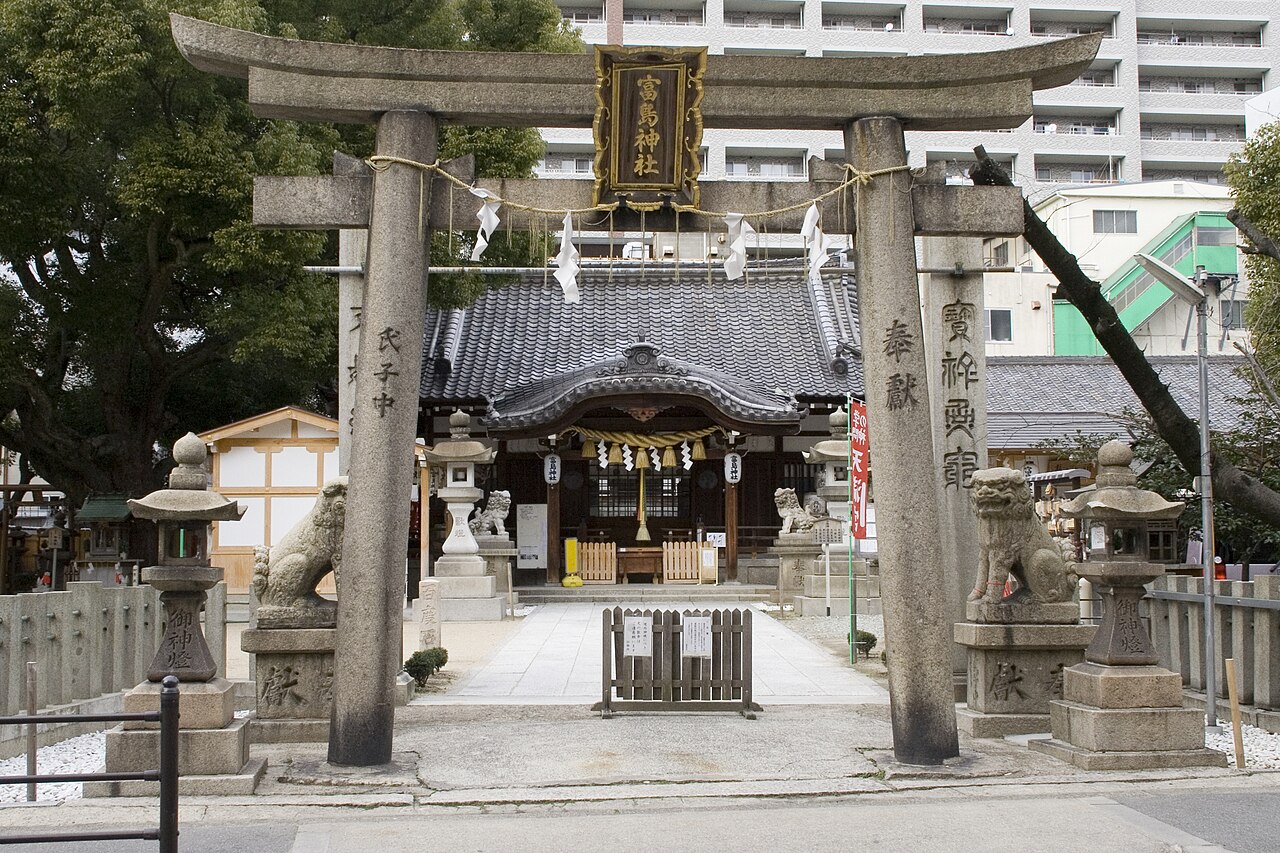
This place is a Place of worship.
Tomishima Shrine, known locally as 富島神社, is a Shinto shrine in Osaka. It offers a small sacred setting within the city, where visitors can encounter a form of Japanese religious practice alongside ordinary urban streets. The shrine is a place for prayer, reflection, and community observance. Travelers should approach it as a living place of worship, valuing quiet atmosphere and respectful movement over a rapid checklist of sights. Tomishima Shrine, known locally as 富島神社, is a Shinto shrine located in Osaka. The shrine serves as a place of worship and spiritual significance within the urban fabric of Japan's second-largest city. As a religious institution, it maintains traditional practices associated with Shinto, Japan's indigenous spiritual tradition. The shrine represents one of numerous sacred sites that punctuate Osaka's densely built environment, offering residents and visitors alike a space for contemplation, prayer, and connection to cultural heritage amid the city's renowned commercial energy.
Checked 2026-08-26 · Source
The visitor experience centers on the shrine grounds and the traditional visual language of Shinto worship. A torii may mark the transition into sacred space, while a worship hall and a more protected sanctuary are familiar elements of shrine layouts. The particular arrangement and objects at Tomishima Shrine should be read from what is present on arrival. The important distinction is between areas intended for general approach and spaces reserved for the shrine’s sacred focus. Shinto shrines typically contain a honden, or main sanctuary, where the enshrined kami, or deity, is believed to reside. Additional common elements may include a torii gate marking sacred ground, a haiden worship hall, and various auxiliary structures. The specific configuration at this particular shrine remains unverified.
Checked 2026-08-26 · Source
Tomishima Shrine suits a short, unhurried stop. Allow enough time to pass through the grounds calmly, notice the entrance and worship area, complete purification if a water basin is available, and offer a prayer if you wish. Travelers who enjoy religious architecture or quiet urban spaces may stay longer to observe details. The shrine is compact in concept, so the quality of attention matters more than filling a long itinerary block.
Checked 2026-08-26 · Source
Daylight is the natural time for exploring Tomishima Shrine, since the grounds and approach can be read more easily. Early morning often brings a calm atmosphere to religious sites, while a quieter evening approach can also feel contemplative if the grounds remain accessible. Osaka summers are hot and humid, so carry water for the walk; winter is cooler and suitable for a slower visit. If worshippers are present, let their activity set the pace.
Checked 2026-08-26 · Source
Shrine grounds are generally approached as religious space rather than as a ticketed museum experience. At Tomishima Shrine, a traveler can focus on the approach, atmosphere, and prayer rather than looking for an admission counter. If you choose an omikuji, ema, or omamori where these are offered, treat the item as part of shrine practice rather than as a sightseeing purchase. A small cash offering is a familiar part of respectful prayer at Japanese shrines.
Checked 2026-08-26 · Source
Tomishima Shrine is an urban Osaka destination, so combine the mapped location with the Japanese name 富島神社 when planning the route. Reach the surrounding district by the city’s rail, subway, bus, or taxi network, then complete the final approach on foot. The shrine is best used as one quiet waypoint within a neighborhood route. Leave enough space around the destination to stop without blocking the entrance or disturbing local movement.
Checked 2026-08-26 · Source
Use basic Shinto etiquette: bow at the torii if you choose, keep to the side of the approach rather than the center, and purify your hands and mouth at a water basin when one is provided. Walk quietly and do not cross barriers or approach protected sacred areas. Avoid loud conversation, careless eating, and disruptive behavior. The shrine is woven into an urban district, so watch traffic and keep entrances clear for worshippers.
Checked 2026-08-26 · Source
Photograph the torii, buildings, pathways, and surrounding atmosphere with restraint. Keep people, especially worshippers, out of the frame when possible, and do not photograph protected inner areas or active rituals if signs or shrine staff indicate a restriction. Flash is unnecessary for a calm outdoor visit. A shrine photograph works best when it records the relationship between sacred architecture and Osaka’s neighborhood setting without turning prayer into a spectacle.
Checked 2026-08-26 · Source
It is a Shinto shrine in Osaka, offering a living place for prayer, reflection, and community religious practice within an urban neighborhood.
You can walk through the grounds respectfully, observe the shrine setting, use a purification basin when provided, and offer a prayer if you wish.
A torii marks the transition into sacred shrine space, so visitors should cross it quietly and treat the grounds beyond it with respect.
A short, unhurried visit is suitable, with extra time for purification, prayer, and observing the shrine’s atmosphere if those activities interest you.
Stay quiet, keep to the side of paths, respect barriers and worshippers, and avoid entering areas reserved for the shrine’s sacred focus.
Outdoor photography can focus on the torii, buildings, paths, and atmosphere, while people, active rituals, and protected inner areas require restraint.
Loading the interactive map…
The interactive map could not be loaded.
Last updated:
Source: OpenStreetMap contributors, Wikidata ·