


20 min walk
Kotoura Shrine
- Notable
- Place of worship
Language · 11 published
Place of worship · Osaka
岡太神社
Reviewed by Elena Voss · Roavina Travel Editor
This place is a Place of worship.
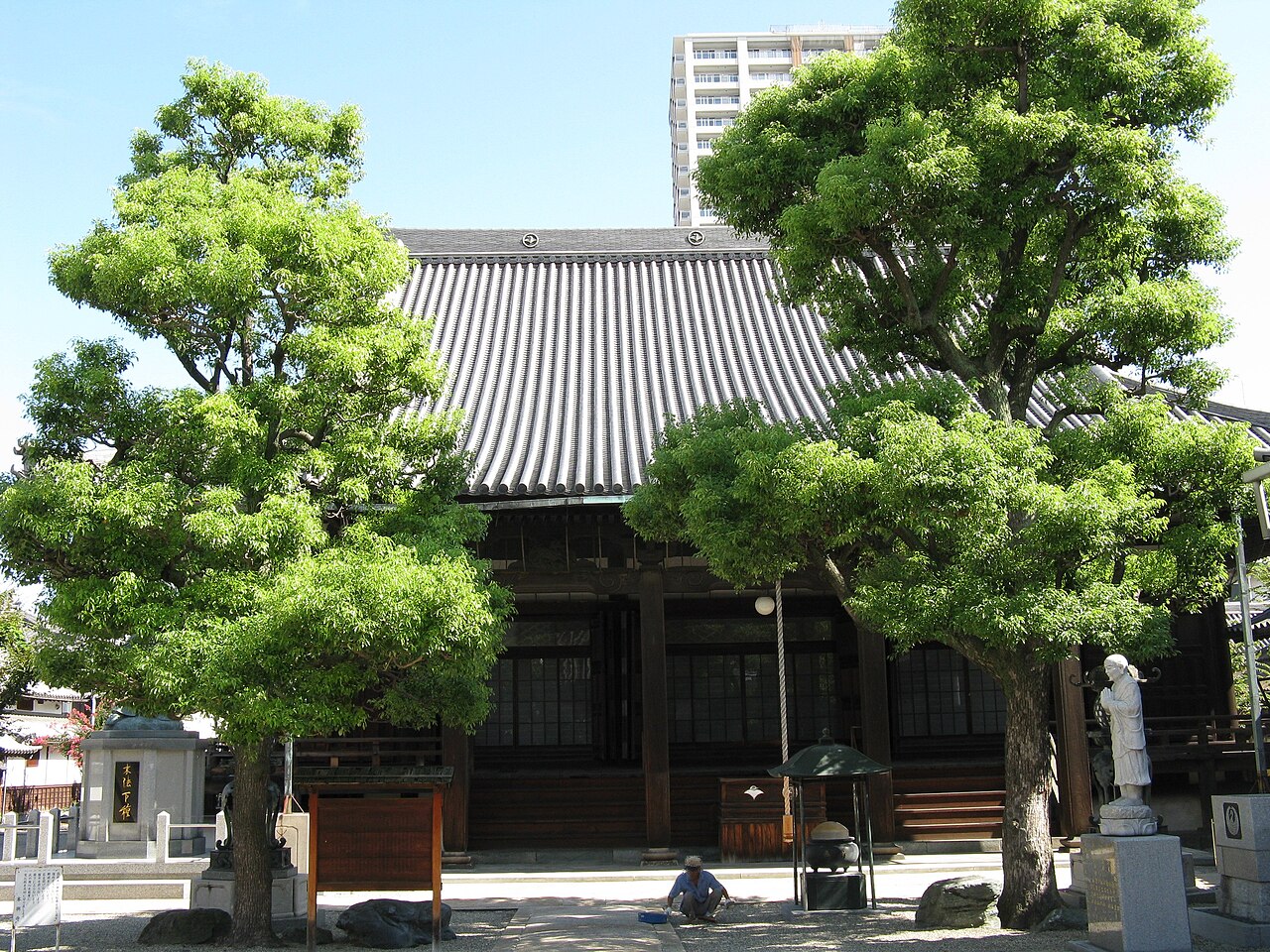
Okata Shrine is a Shinto shrine in Osaka, known locally as 岡太神社. The shrine is a place of worship embedded in the city, offering travelers a direct encounter with traditional Japanese religious space amid ordinary urban streets. A visit is centered on the approach, the sacred precinct, and the customs of Shinto observance rather than a collection of exhibits. Okata Shrine suits travelers who enjoy neighborhood-scale cultural sites and quiet pauses between larger Osaka attractions. Its importance comes from its continuing religious role and its presence within the city’s living landscape.
Checked 2026-08-26 · Source
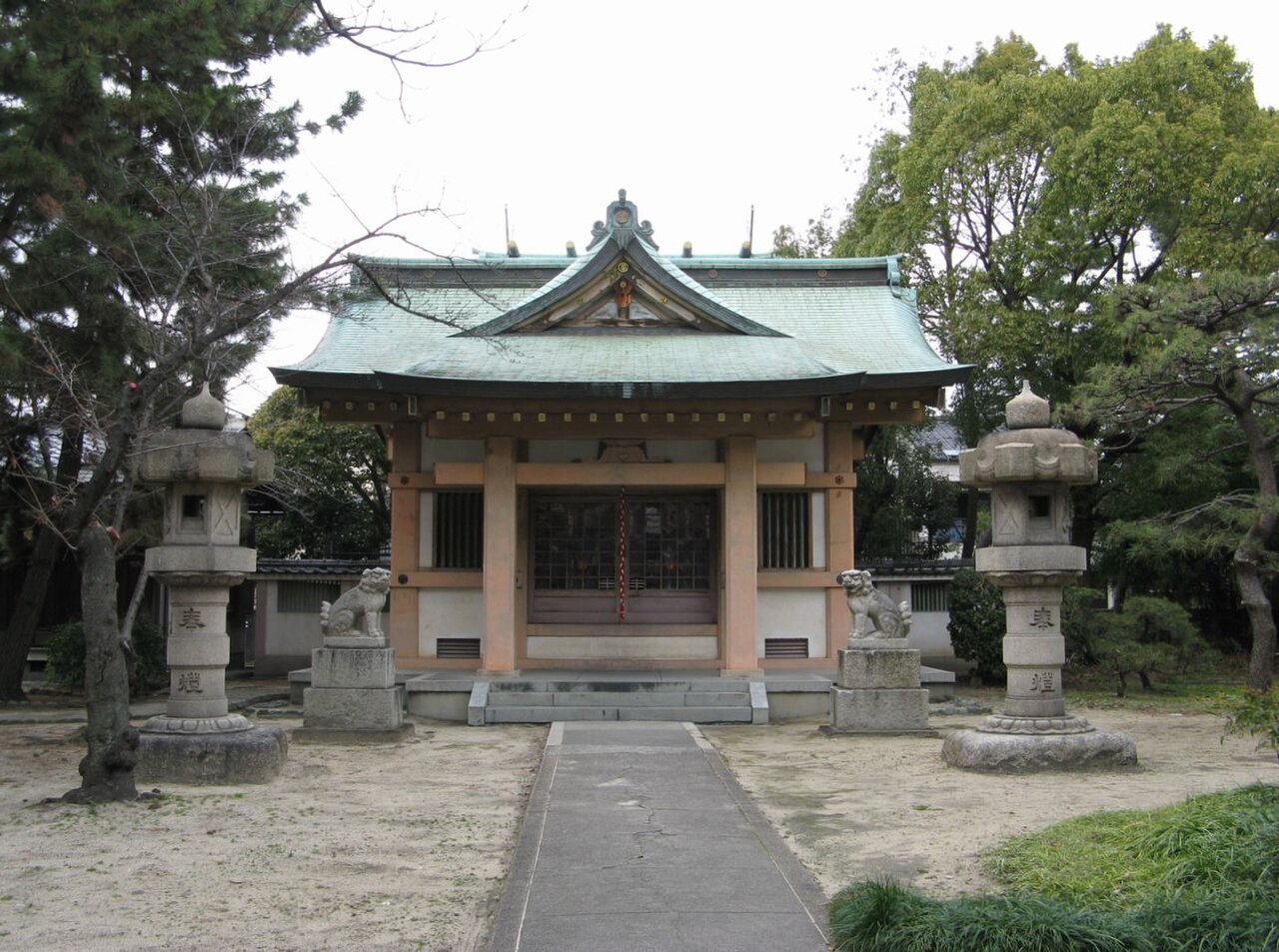
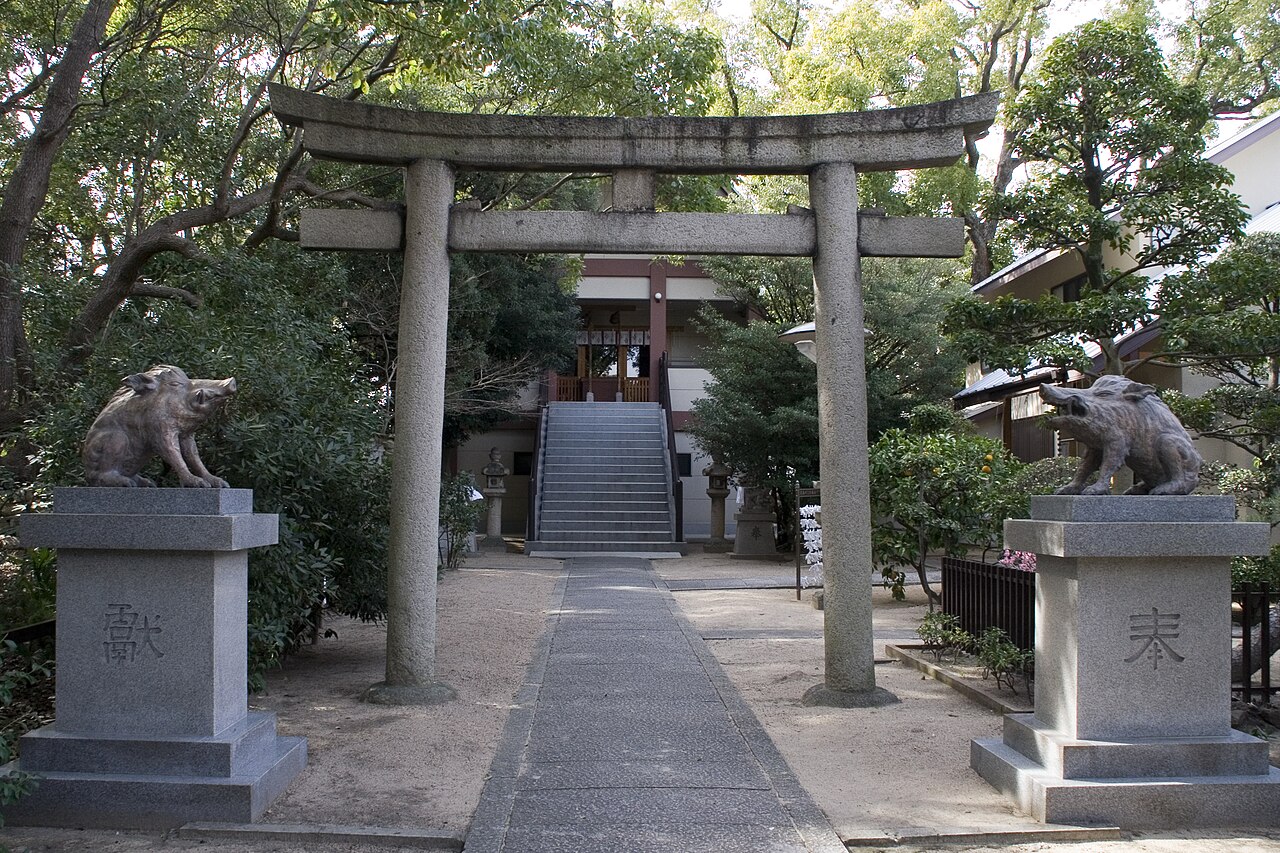
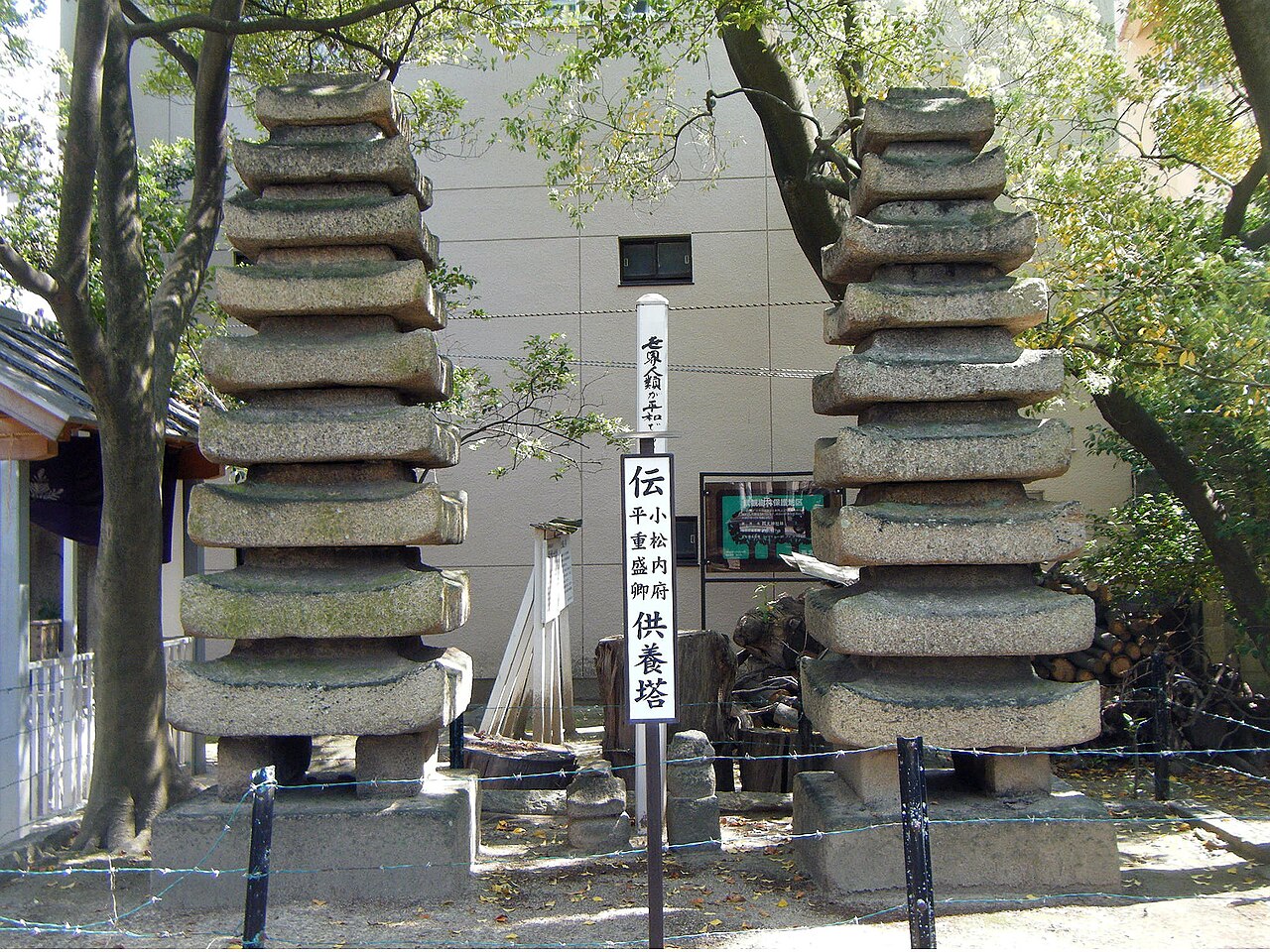
The precinct includes the familiar elements of a Shinto shrine, beginning with the torii and continuing toward the worship area. Travelers should look for the main hall, offering box, approach, and any purification point provided for visitors. The grounds may also include trees, commemorative features, or smaller sacred spaces, but the main experience remains the relationship between the entrance and the place of prayer. Inner sanctuaries are religious areas, not ordinary sightseeing rooms. Walk slowly, observe barriers, and let the arrangement of the grounds guide the visit. A modest shrine can reward attention to materials, proportions, and the transition from street to sacred space.
Checked 2026-08-26 · Source
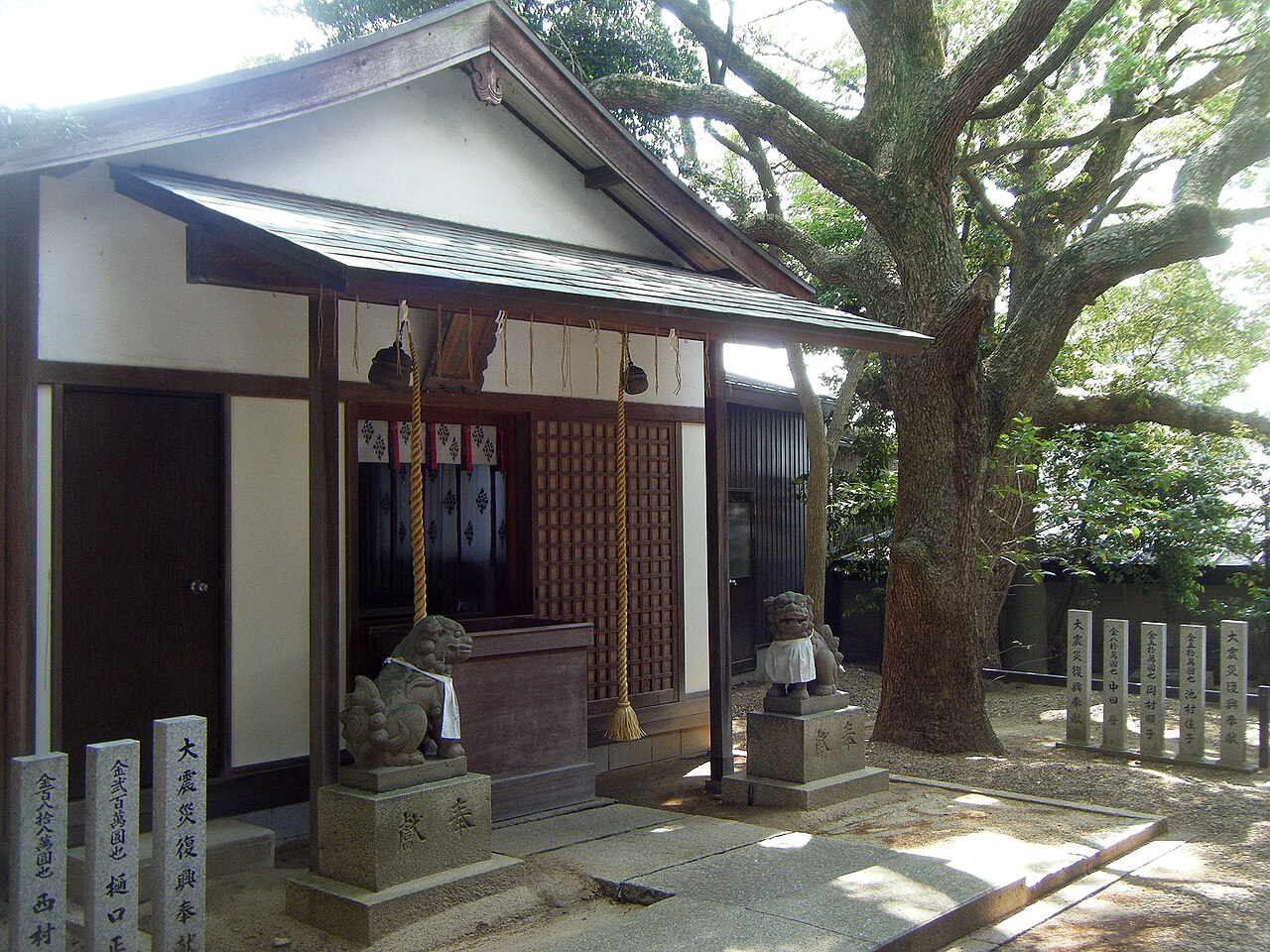
A short visit to Okata Shrine can take several minutes, while a visit that includes purification, prayer, architectural observation, and quiet reflection can take longer. The shrine is suitable for a brief stop on a neighborhood walking route because the experience is concentrated in the grounds rather than spread across a large exhibition complex. Travelers who enjoy religious architecture may wish to linger over the torii, worship hall, offering area, and surrounding urban frame. Allow enough time to behave respectfully and move without rushing. The shrine works best as one carefully observed stop among several Osaka experiences.
Checked 2026-08-26 · Source
Spring and autumn are comfortable seasons for spending time outdoors at Okata Shrine, while Osaka’s summer heat and humidity can make a short visit feel more demanding. Winter offers a milder urban climate but cooler conditions for travelers who pause in the open precinct. Visit during a quiet part of the day when possible, leaving room for worshippers and ceremonies. The shrine can be combined with other neighborhood stops in any season. Weather affects comfort, but the central consideration is the religious atmosphere: arrive ready to observe, wait, and move quietly rather than treating the grounds as a hurried photo stop.
Checked 2026-08-26 · Source
A visit to Okata Shrine is structured around entering the shrine grounds and paying respects, not around a museum-style admission gate. Travelers should bring small Japanese notes or coins if they wish to make an offering at the offering box. Religious purchases such as omamori charms, when available, are separate from simply viewing the precinct. The visit therefore fits easily into a walking itinerary without the planning rhythm of a ticketed attraction. Spend the available time on the architecture, approach, and atmosphere, and keep any offering or shrine purchase distinct from the act of entering the grounds.
Checked 2026-08-26 · Source
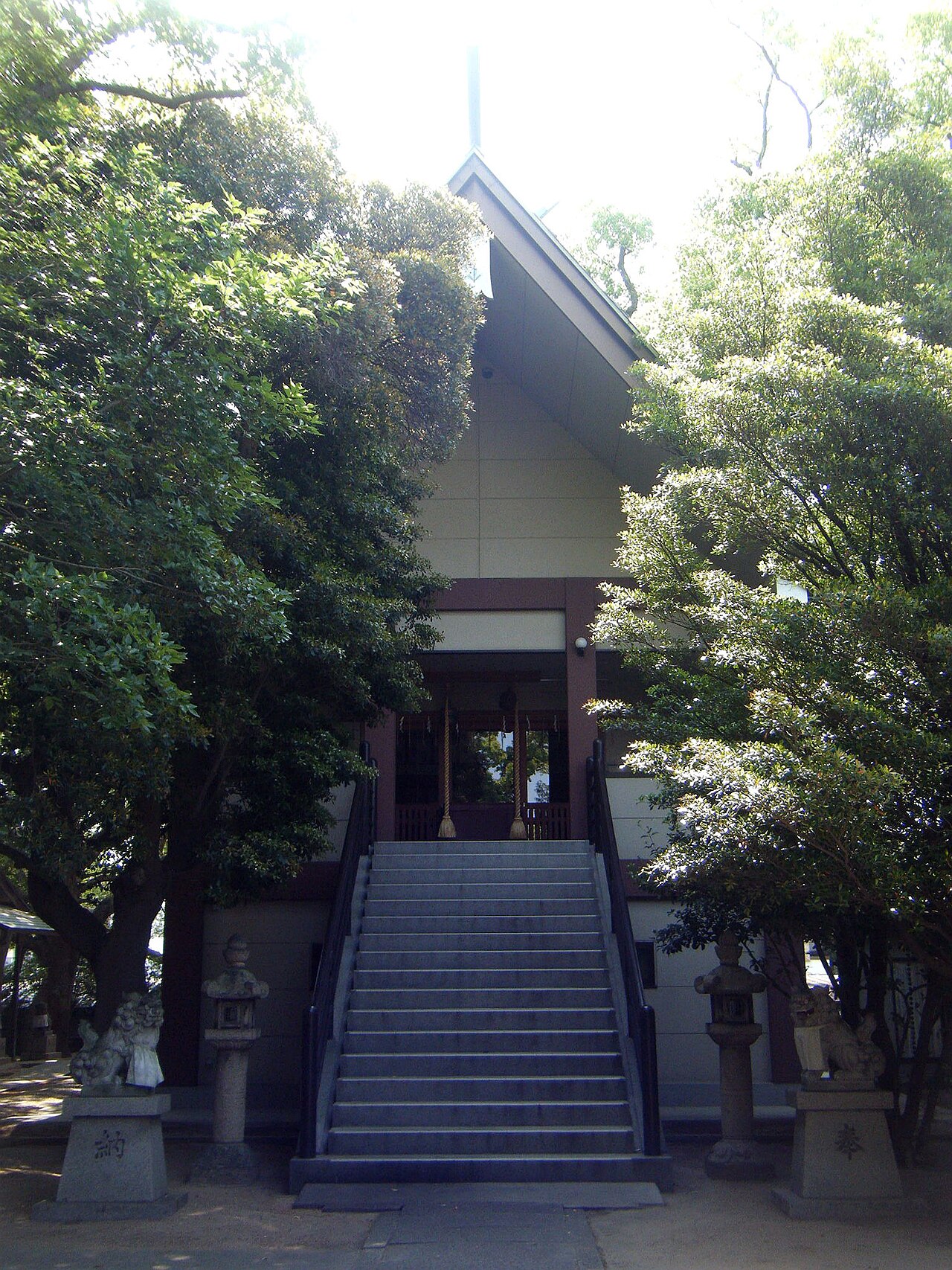
Okata Shrine is within Osaka city limits and can be incorporated into an urban route using the city’s JR, subway, private railway, bus, taxi, and pedestrian networks. Set the OpenStreetMap location as the destination when planning the final approach. The entrance may sit back from a main road, so watch for the transition from ordinary street frontage to the torii and sacred precinct. Allow time for the final walk and for careful street crossing. The shrine is most practical when paired with nearby neighborhood, religious, or cultural stops rather than treated as a distant stand-alone excursion.
Checked 2026-08-26 · Source
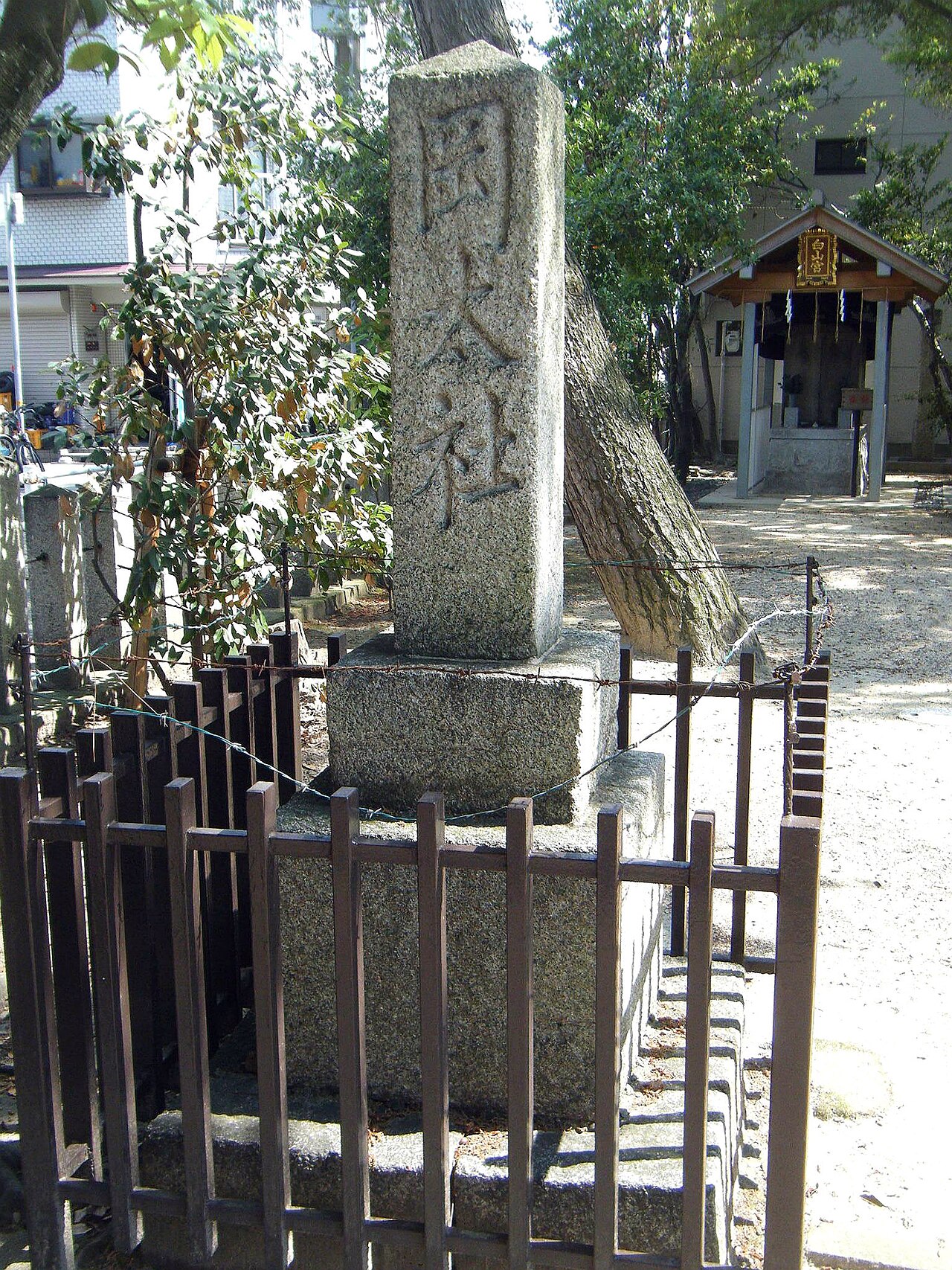
Okata Shrine remains a place of worship, so bow at the torii, use the purification water when provided, and keep a quiet, considerate manner near the prayer area. Give priority to worshippers and do not cross barriers around inner sacred spaces. Wear neat clothing suited to a religious setting, and be ready to remove shoes if a sign specifically requires it. Osaka’s streets can be busy around the approach, so pay attention to vehicles and pedestrians. Carry litter with you because public bins are scarce in Japan. Do not interrupt ceremonies, touch shrine objects, or treat offerings as decorative props.
Checked 2026-08-26 · Source
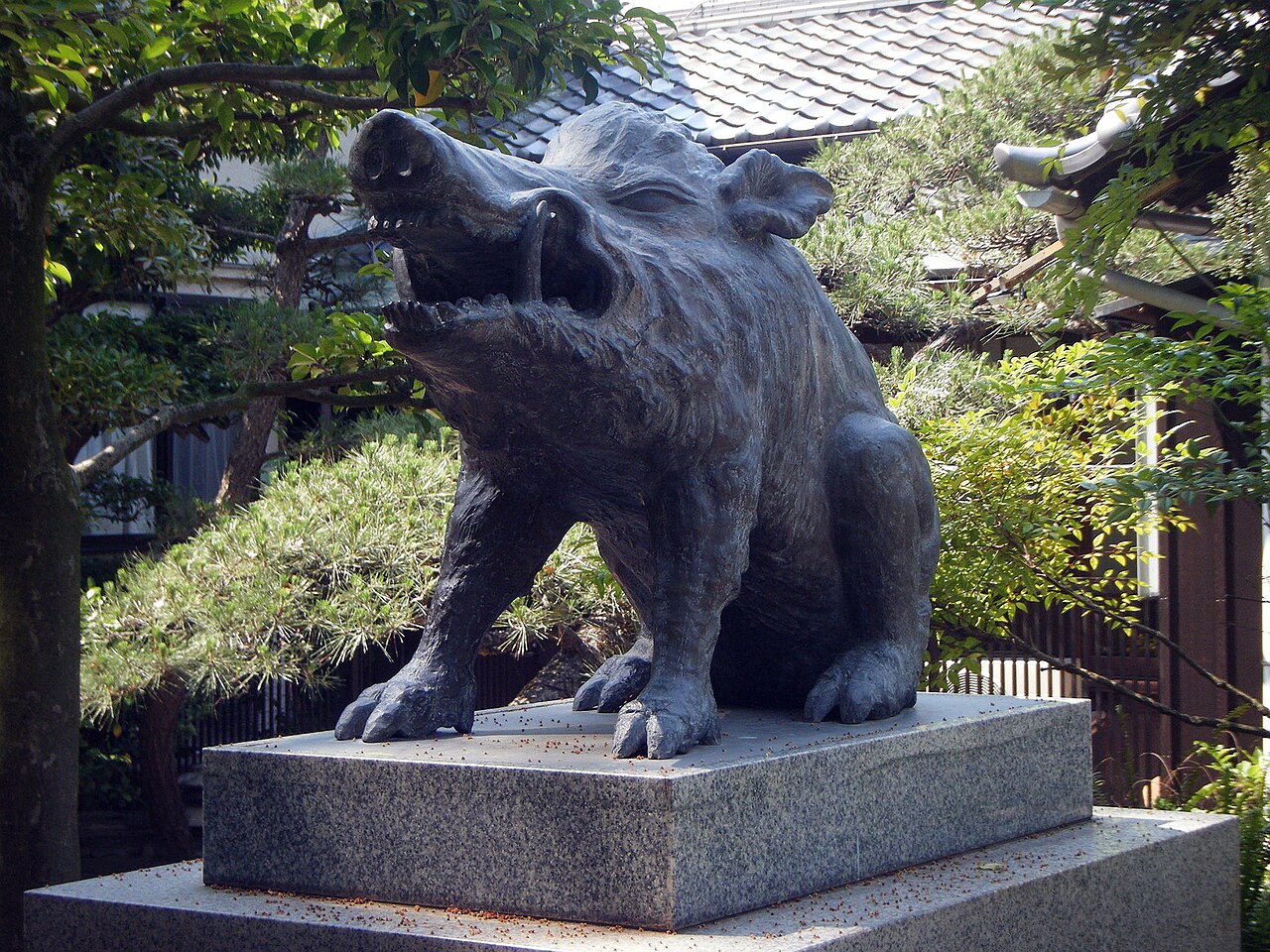
The torii, worship hall, approach, and surrounding city streets offer the strongest photographic subjects at Okata Shrine. Keep photography outside the way of worshippers and leave the camera down during active prayer or ceremonies. Do not photograph inner sanctuaries, sacred objects, or people without consent. Avoid flash near the worship area, and use a tripod only where it cannot obstruct movement or disturb the precinct. Commercial photography needs permission. The most respectful images show the shrine’s relationship with Osaka’s urban fabric while preserving the privacy and concentration of people who have come for religious reasons.
Checked 2026-08-26 · Source
Okata Shrine is a Shinto place of worship in Osaka, known locally as 岡太神社 and set within the city’s urban landscape.
The shrine experience includes the torii, worship area, main hall, offering box, approach, and the transition from Osaka’s streets into sacred space.
A brief stop can take several minutes. Allow longer if you wish to purify, pray, study the architecture, and reflect quietly.
Spring and autumn are comfortable for an outdoor shrine visit. Osaka’s summer is hot and humid, while winter is milder but cooler.
Bow at the torii, purify when a water basin is provided, keep quiet, leave worshippers space, and respect barriers around inner sacred areas.
Photograph the torii, worship hall, approach, and urban setting from an unobtrusive position. Avoid worshippers, prayer, inner sanctuaries, and sacred objects.
Loading the interactive map…
The interactive map could not be loaded.
Last updated:
Source: OpenStreetMap contributors, Wikidata ·