
20 min walk
Okata Shrine
- High
- Place of worship
Language · 11 published
Place of worship · Osaka
琴浦神社
Reviewed by Elena Voss · Roavina Travel Editor
This place is a Place of worship.
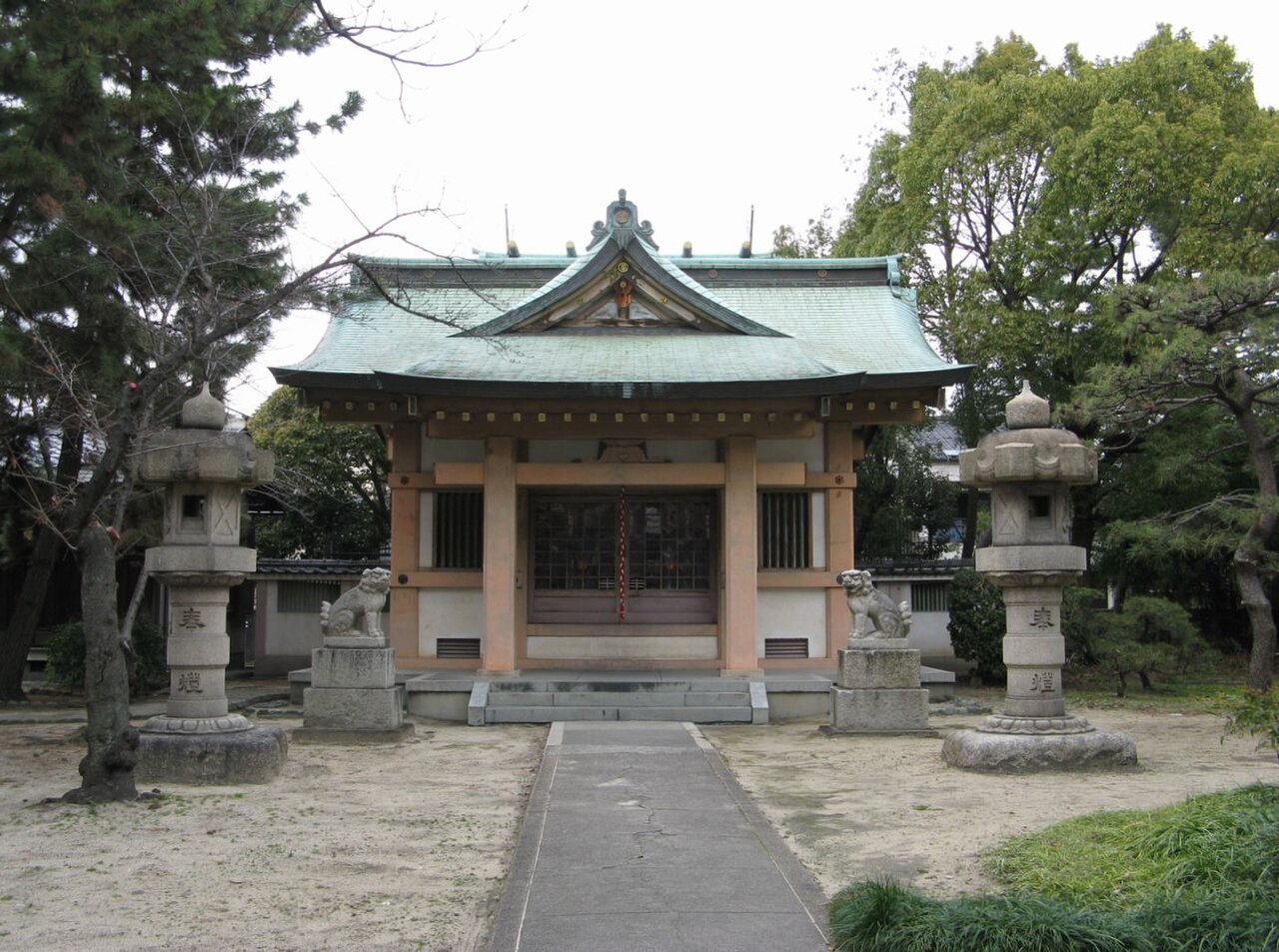
Kotoura Shrine, known locally as 琴浦神社, is a Shinto shrine in Osaka. The shrine is a place of worship and provides a direct encounter with the religious traditions that remain part of everyday Japanese urban life. Visitors can include Kotoura Shrine in a cultural route through Osaka, especially when they want a quieter stop between larger attractions. The experience centres on the shrine precinct, the approach to the worship area, and the respectful observation of customs rather than on a staged visitor attraction. Kotoura Shrine, known locally as 琴浦神社, is a Shinto shrine situated in Osaka. The shrine holds religious significance within the community and serves as a place of worship and spiritual practice. The shrine contributes to the diverse tapestry of sacred sites across Osaka, offering visitors insight into traditional Japanese shrine architecture and Shinto customs that have persisted through generations. Visitors must verify current times through official sources before visiting.
Checked 2026-08-26 · Source
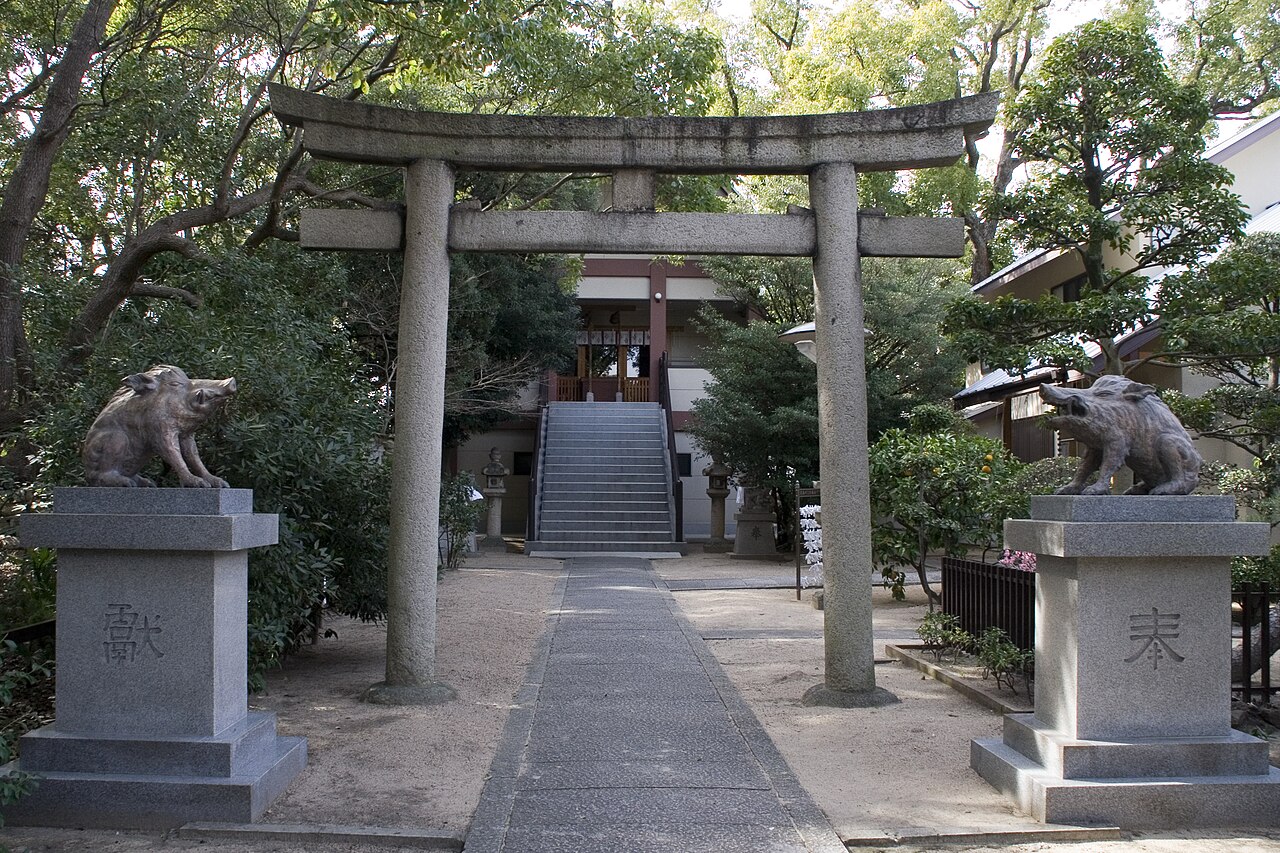
At Kotoura Shrine, pay attention to the spatial sequence from the entrance toward the worship area. Shinto shrines commonly use a torii to mark the transition into sacred space, a purification point where available, and a principal hall for prayer; the visit is shaped by how these elements guide movement. Look closely at timber, roof forms, gates, grounds, and offering areas without touching sacred objects. The shrine’s importance comes from its continuing religious function and its place within Osaka’s local community.
Checked 2026-08-26 · Source
Set aside fifteen to twenty minutes for a simple visit to Kotoura Shrine: approach the precinct, pause at the worship area, and leave enough space for quiet observation. Visitors who want to study architectural details or spend longer in prayer can extend the stop. The shrine is easy to combine with other Osaka plans because it does not require a long programme to convey its atmosphere. Build a little flexibility into the route so that worshippers and shrine activity can take precedence over a fixed departure time.
Checked 2026-08-26 · Source
Visit Kotoura Shrine in the morning if you prefer a calm setting for prayer and photography of the exterior. Spring and autumn are comfortable seasons for walking through Osaka, while summer can feel hot and humid and winter brings cooler conditions. A festival or local religious activity can change the character of the precinct and may bring more people into the space. Keep the shrine as a flexible point in your day, allowing worshippers to use the grounds without pressure from sightseeing schedules.
Checked 2026-08-26 · Source
Kotoura Shrine should be visited as a place of worship, with the main experience centred on entering the precinct and approaching the prayer area respectfully. Carry some Japanese yen for an offering if you wish to pray in the customary manner. Optional religious items or ceremonies may involve their own arrangements, so keep the visit focused on the shrine grounds and posted instructions. Do not treat an offering as a compulsory sightseeing charge. Any notice at the shrine takes priority for access and conduct.
Checked 2026-08-26 · Source
Kotoura Shrine is in Osaka and is reached through the city’s broad network of subway, JR, private railway, bus, taxi, and walking connections. Search for 琴浦神社 alongside the OSM location to identify the destination and plan the final streetside approach. On arrival, keep to the edge of local paths and avoid obstructing homes, businesses, or the shrine entrance. The shrine is best folded into a neighbourhood walk, with time left for navigation through Osaka’s ordinary urban streets.
Checked 2026-08-26 · Source
Kotoura Shrine is an active Shinto site. Bow at a torii when appropriate, use a purification fountain respectfully if one is available, and keep voices low near the worship area. Dress modestly, follow the direction of paths, and give priority to people carrying out prayer or shrine duties. Do not touch sacred objects or enter spaces marked for staff or worshippers. Urban traffic and narrow streets require ordinary care around the approach. Follow local signs for footwear, photography, and restricted areas.
Checked 2026-08-26 · Source
Photograph the exterior of Kotoura Shrine with attention to gates, rooflines, timber details, and the transition from Osaka’s street into the sacred precinct. Keep people out of close frames during prayer and never make a worshipper the subject without consent. Follow signs governing the worship hall, sacred objects, flash, tripods, or commercial equipment. Stand to one side while composing images so that visitors can pass. The strongest photographs will preserve the shrine’s quiet atmosphere instead of turning religious activity into a spectacle.
Checked 2026-08-26 · Source
Kotoura Shrine is known locally as 琴浦神社.
A concise visit takes about fifteen to twenty minutes, while prayer, careful observation, or shrine activity can make the stop longer.
Move quietly, respect the worship area, bow at the torii when appropriate, use purification facilities carefully, and follow signs around sacred spaces.
Yes. Kotoura Shrine is suited to a short neighbourhood stop combined with other Osaka destinations, provided the route leaves time for respectful observation.
Comfortable walking shoes and modest clothing are useful. Carry some Japanese yen if you wish to make an offering during prayer.
Concentrate on exterior gates, buildings, rooflines, and the precinct’s relationship with Osaka’s streets while protecting worshippers’ privacy and following shrine notices.
Loading the interactive map…
The interactive map could not be loaded.
Last updated:
Source: OpenStreetMap contributors, Wikidata ·