Roavina

City guide · Japan

Osaka

A photograph of Osaka
Photograph · Martin Falbisoner · CC BY-SA 4.0

Osaka is a large but legible city whose visitor areas follow several rail hubs. Kita centres on Osaka and Umeda stations, Minami gathers around Namba, Shinsaibashi and Dotonbori, and Tennoji anchors the southern core. Osaka Castle lies east of the centre, while the bay area contains major family attractions. Plan each area as a separate walking cluster connected by rail.

Reviewed by Elena Voss · Roavina Travel Editor

Practical information

Language spoken
Japanese
National practical orientation; regional and minority languages may also be used
Dialling code
+81
International calling code; local area and mobile prefixes still apply
Currency
Japanese yen (JPY)
Use the official local currency; card acceptance varies by place
Emergency number
110 police · 119 fire and ambulance
Use only for an emergency; tourist assistance may use a separate number
Plug type
Type A · 100 V
Check that chargers support the recorded voltage before using an adapter
Tap water
Safe from the mains
JNTO states that tap water is safe to drink

Turn this list into a plan

Set your days, your pace and the hours you actually want to be out. The planner works around closing days and travel time, and leaves room to eat.

Plan Osaka

Planning a visit

Suggested stay
Not recorded
Getting around
Metro, rail and walking
  1. January: viable with meaningful trade-offs
  2. February: viable with meaningful trade-offs
  3. March: good time to visit
  4. April: best time to visit
  5. May: best time to visit
  6. June: good time to visit
  7. July: viable with meaningful trade-offs
  8. August: recurring difficult conditions
  9. September: viable with meaningful trade-offs — current month
  10. October: best time to visit
  11. November: good time to visit
  12. December: viable with meaningful trade-offs
  • Best time
  • Good time
  • Viable with trade-offs
  • Difficult conditions

Sources

Top things to see

Ranked by importance — sitelinks, pageviews and heritage status, not editor preference.

  1. Shitennō-ji Temple Shitennō-ji Temple
    02 1 hr 30 min

    Shitennō-ji Temple

    四天王寺

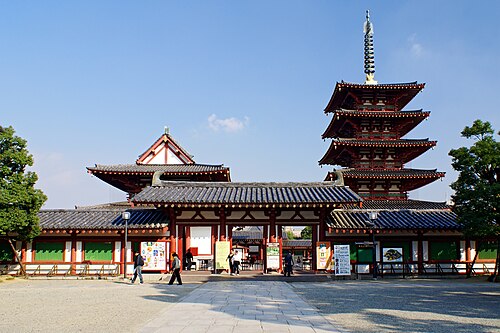
    Shitennoji is a working temple in Tennoji ward, in the middle of southern Osaka, and it dates its own founding to 593.

    • Must see
    • Place of worship
  2. Tennōji Zoo Tennōji Zoo
    03 1 hr 30 min

    Tennōji Zoo

    天王寺動物園

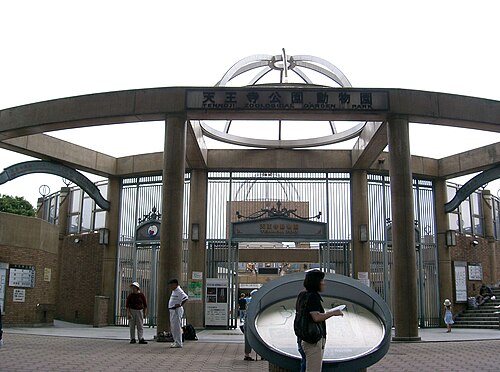
    Tennoji Zoo is a zoological garden located in Osaka, Japan. Established in 1915, it is one of the oldest zoos in the country. The zoo occupies a position within Tennoji Park in the southern part of Osaka city.

    • Must see
    • Family attraction
  3. Kuromon Market Kuromon Market
    04 1 hr 15 min

    Kuromon Market

    黒門市場

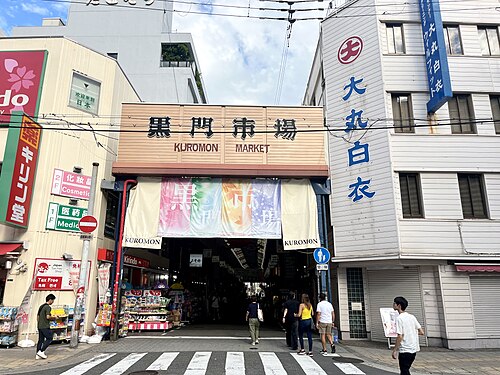
    Kuromon Ichiba is a covered shopping street in Nipponbashi, Chuo-ku, in the Minami half of central Osaka. Its own market office gives the address as 2-4-1 Nipponbashi and describes a roofed market stretching about 580 metres with roughly 150 shops.

    • Must see
    • Market
  4. Umeda Sky Building Umeda Sky Building
    05 1 hr 30 min

    Umeda Sky Building

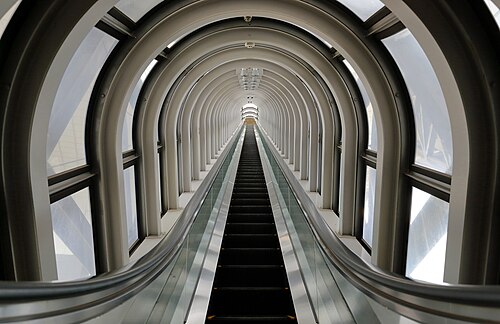
    The Umeda Sky Building is a distinctive high-rise structure in Osaka's Kita district, completed in 1993.

    • Must see
    • Viewpoint
  5. Osaka Museum of History Osaka Museum of History
    06 1 hr 30 min

    Osaka Museum of History

    大阪歴史博物館

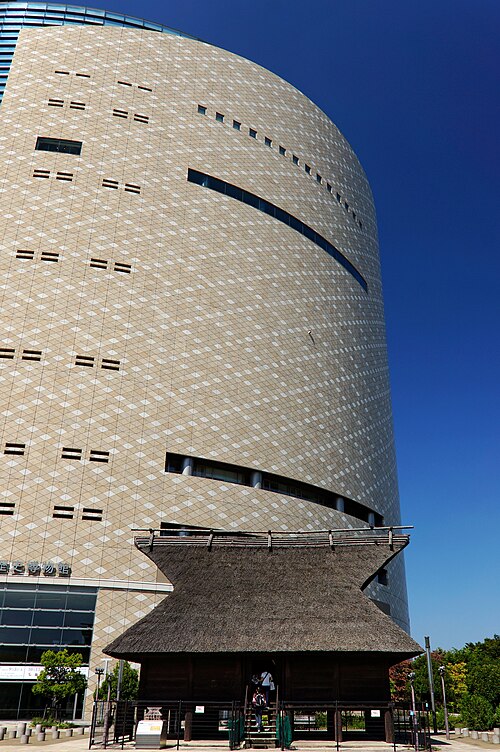
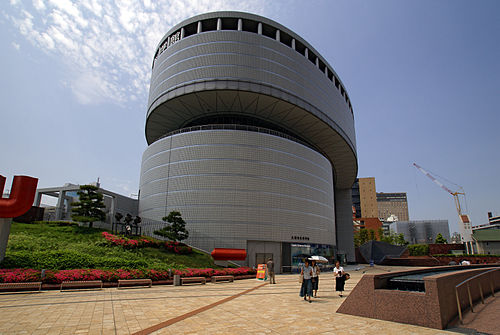
    The Osaka Museum of History is the city's history museum, at 4-1-32 Otemae in Chuo-ku, immediately south-west of Osaka Castle Park.

    • Must see
    • Museum
  6. National Museum of Art National Museum of Art
    07 1 hr 30 min

    National Museum of Art

    国立国際美術館

    The National Museum of Art, Osaka is a modern art museum located on Nakanoshima, an island in central Osaka. The museum is a national institution housing a government collection.

    • Must see
    • Museum
  7. Osaka Science Museum Osaka Science Museum
    08 1 hr 30 min

    Osaka Science Museum

    大阪市立科学館

    The Osaka Science Museum is a hands-on science museum and planetarium located in Osaka, Japan. It is separately ticketed from other attractions. The museum focuses on interactive exhibits designed to engage visitors directly with scientific concepts.

    • Must see
    • Museum
  8. Nakanoshima Museum of Art Nakanoshima Museum of Art
    09 1 hr 30 min

    Nakanoshima Museum of Art

    大阪中之島美術館

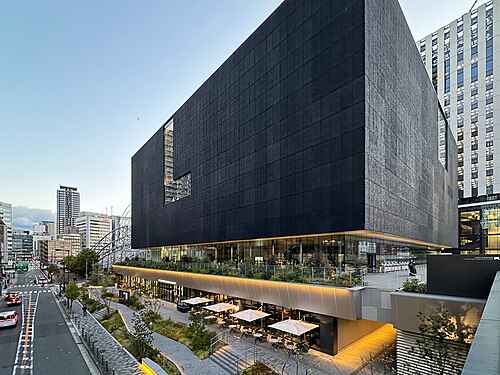
    Nakanoshima Museum of Art, Osaka is a modern and contemporary art museum located on Nakanoshima, a central sandbank between the Dojima and Tosabori rivers. The museum opened as a major independently entered institution with its own collection and exhibition programme.

    • Must see
    • Museum
  9. Shinsekai Shinsekai
    10 1 hr 30 min

    Shinsekai

    新世界

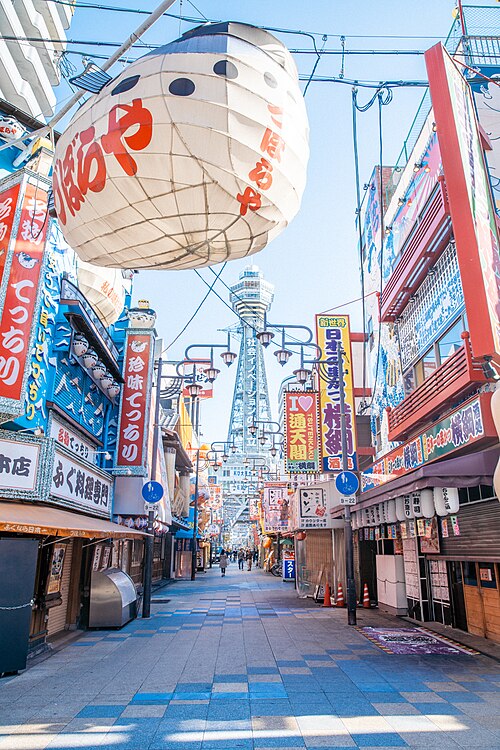
    Shinsekai is a small neighbourhood in Naniwa ward, pressed between Tennoji Park on its east side and Nishinari on its south, and it is one of the few parts of Osaka people travel to for the street itself rather than…

    • Must see
    • Historic monument
  10. Cup Noodles Museum Osaka Ikeda Cup Noodles Museum Osaka Ikeda
    11 1 hr 30 min

    Cup Noodles Museum Osaka Ikeda

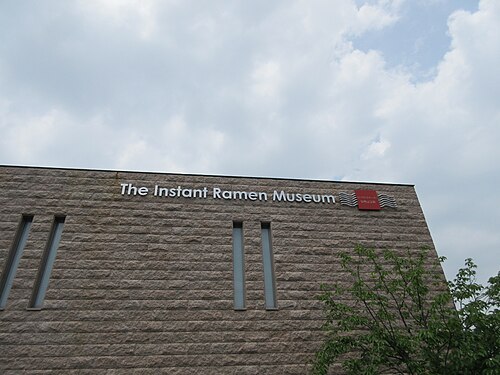
    Cup Noodles Museum Osaka Ikeda is an interactive museum dedicated to the history of instant noodles and the legacy of Momofuku Ando, inventor of Chicken Ramen and Cup Noodles.

    • Must see
    • Museum
  11. Osaka Museum of Housing and Living Osaka Museum of Housing and Living
    12 1 hr 30 min

    Osaka Museum of Housing and Living

    大阪くらしの今昔館

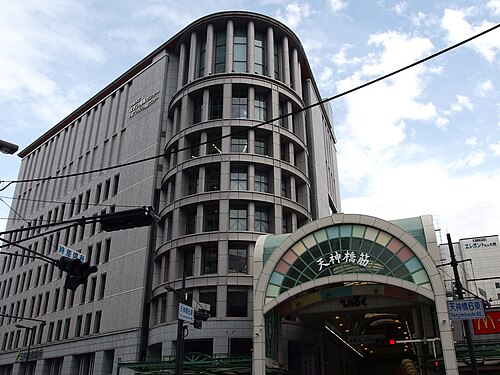
    The Osaka Museum of Housing and Living is a municipal museum in Osaka, Japan. It presents the history of urban life and housing in Osaka from the Edo period through the early Showa era.

    • Must see
    • Museum
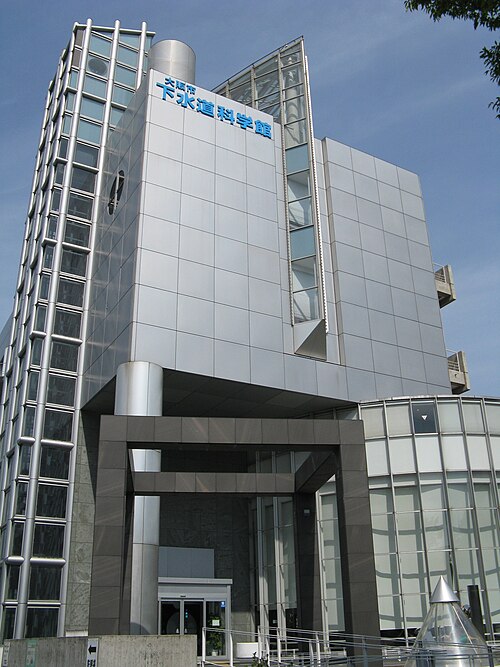
  12. Osaka City Sewerage Science Museum Osaka City Sewerage Science Museum
    13 1 hr 30 min

    Osaka City Sewerage Science Museum

    大阪市下水道科学館

    Osaka City Sewerage Science Museum is a public educational museum devoted to urban wastewater management. Its subject connects engineering, public health, environmental responsibility, and the practical systems that allow a dense city to function.

    • Must see
    • Museum
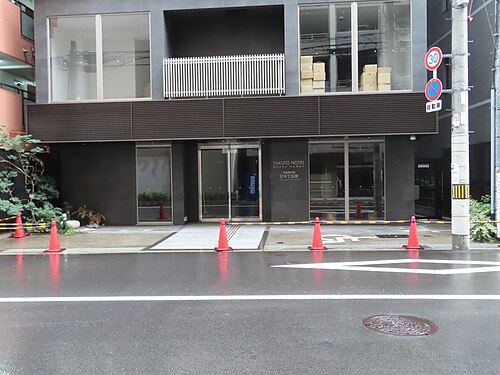
  13. Japan Folk Art Museum Japan Folk Art Museum
    14 1 hr 30 min

    Japan Folk Art Museum

    日本工芸館

    Japan Folk Art Museum, known locally as 日本工芸館, is an Osaka museum devoted to traditional Japanese crafts and folk art.

    • High
    • Museum
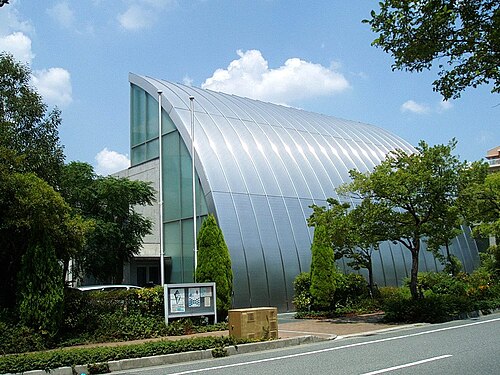
  14. Nishinomiya Shell Museum Nishinomiya Shell Museum
    15 1 hr 30 min

    Nishinomiya Shell Museum

    西宮市貝類館

    Nishinomiya Shell Museum, known locally as 西宮市貝類館, is a specialist museum devoted to shells and mollusks. It is located in Nishinomiya, within the wider Osaka metropolitan region rather than Osaka city proper.

    • Notable
    • Museum

Source: OpenStreetMap contributors, Wikidata ·

How the city is laid out

Kita is the northern commercial and transport centre around Umeda. Minami is the southern entertainment and shopping centre around Namba and Shinsaibashi, with Dotonbori between them. Tennoji and Shinsekai extend the sightseeing axis farther south. Osaka Castle forms its own eastern cluster, and the waterfront attractions sit west around the bay. The Osaka Loop Line and subway connect these distinct zones.

Checked 2026-08-26

Getting around

Use Osaka Metro for travel between Kita, Minami and the central sightseeing districts, then walk within each cluster. The Osaka Loop Line connects major rail interchanges and provides transfers to private and regional railways. Buses cover gaps in the rail network, while water buses offer selected river journeys. Check the official route information for the destination rather than assuming every attraction is on one line.

Checked 2026-08-26

Common questions

How many days should I spend in Osaka?

A fixed duration is not recorded. Allocate time by cluster: Kita, Minami, Osaka Castle, Tennoji and the bay area each work best as distinct blocks.

What is the difference between Kita and Minami?

Kita is the northern centre around Osaka and Umeda stations. Minami is the southern centre around Namba, Shinsaibashi and Dotonbori, with a stronger concentration of nightlife and shopping.

What is the easiest way to get around Osaka?

Use the subway for most visitor journeys and walk within each district. The Osaka Loop Line is useful for transfers between major rail hubs and onward regional services.

Is Osaka Castle near Dotonbori?

No. Osaka Castle forms an eastern sightseeing cluster, while Dotonbori is in Minami. Treat them as separate stops linked by metro rather than one continuous walk.

Should the Osaka bay area have its own itinerary block?

Yes. The bay attractions sit west of the central districts and are best grouped together, reducing repeated transfers between the waterfront and the Kita-Minami axis.