


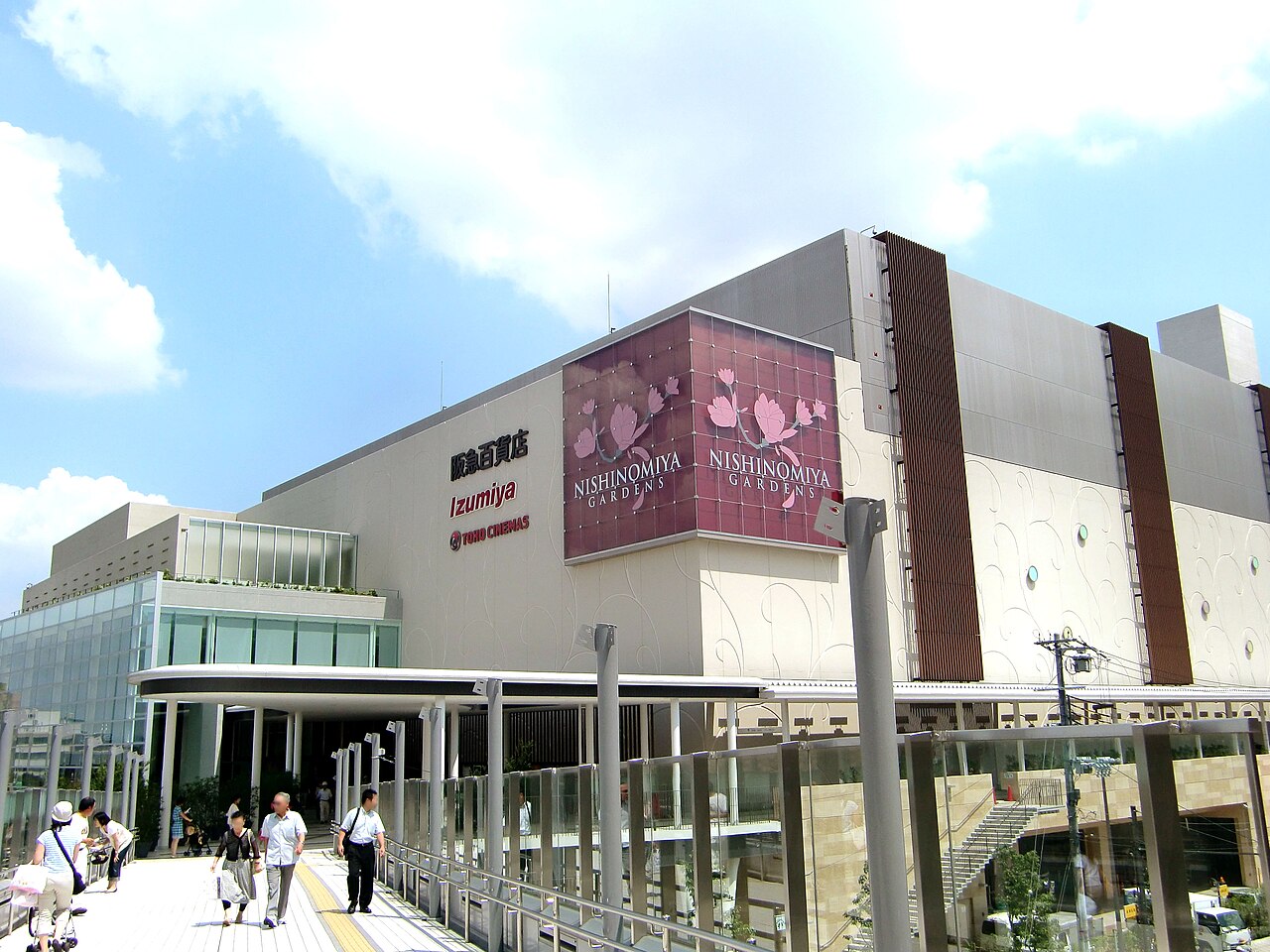
58 min walk
Hankyu Nishinomiya Gardens
- Notable
- Market
Language · 11 published
Museum · Osaka
西宮市貝類館
Reviewed by Elena Voss · Roavina Travel Editor
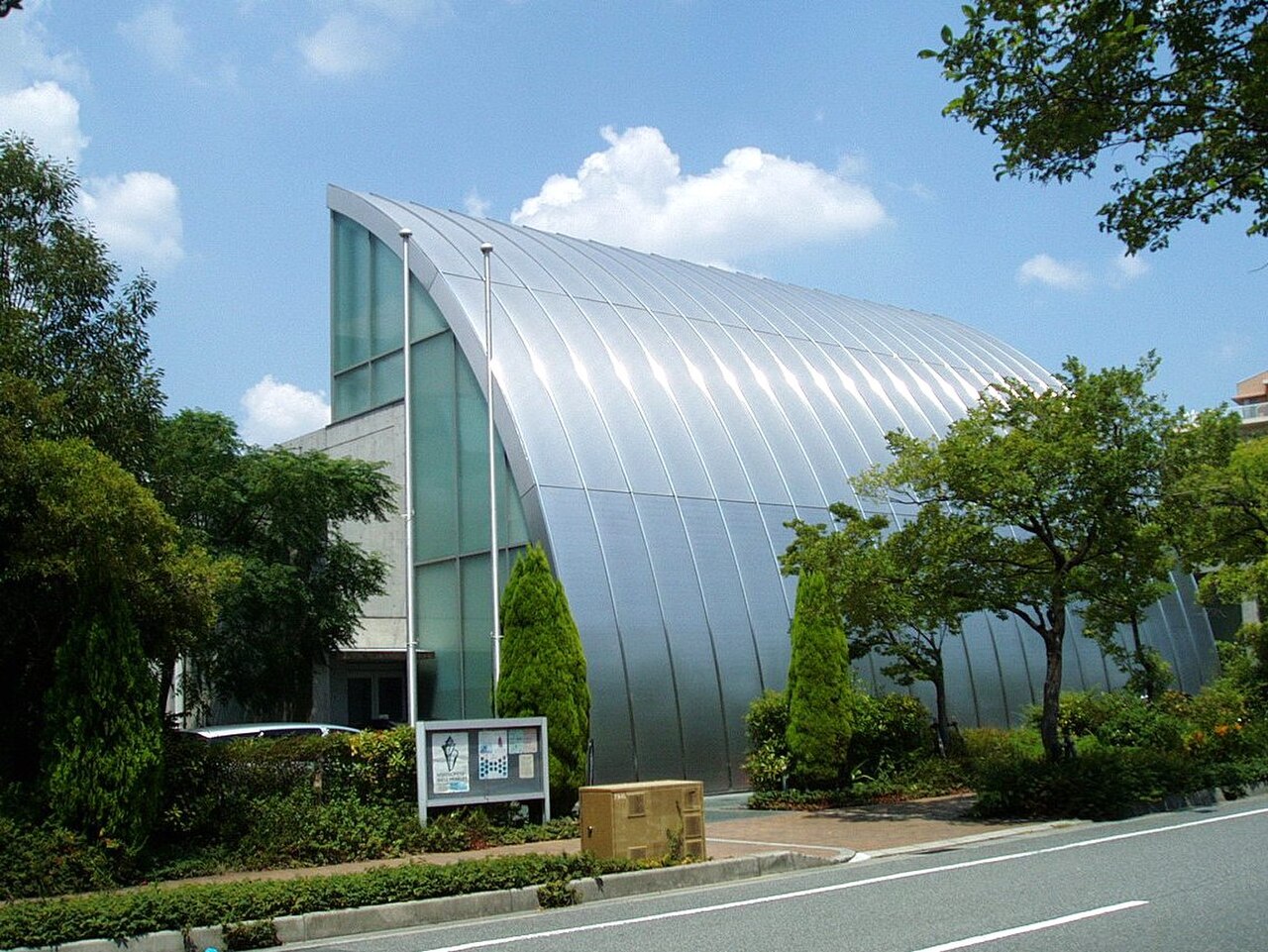
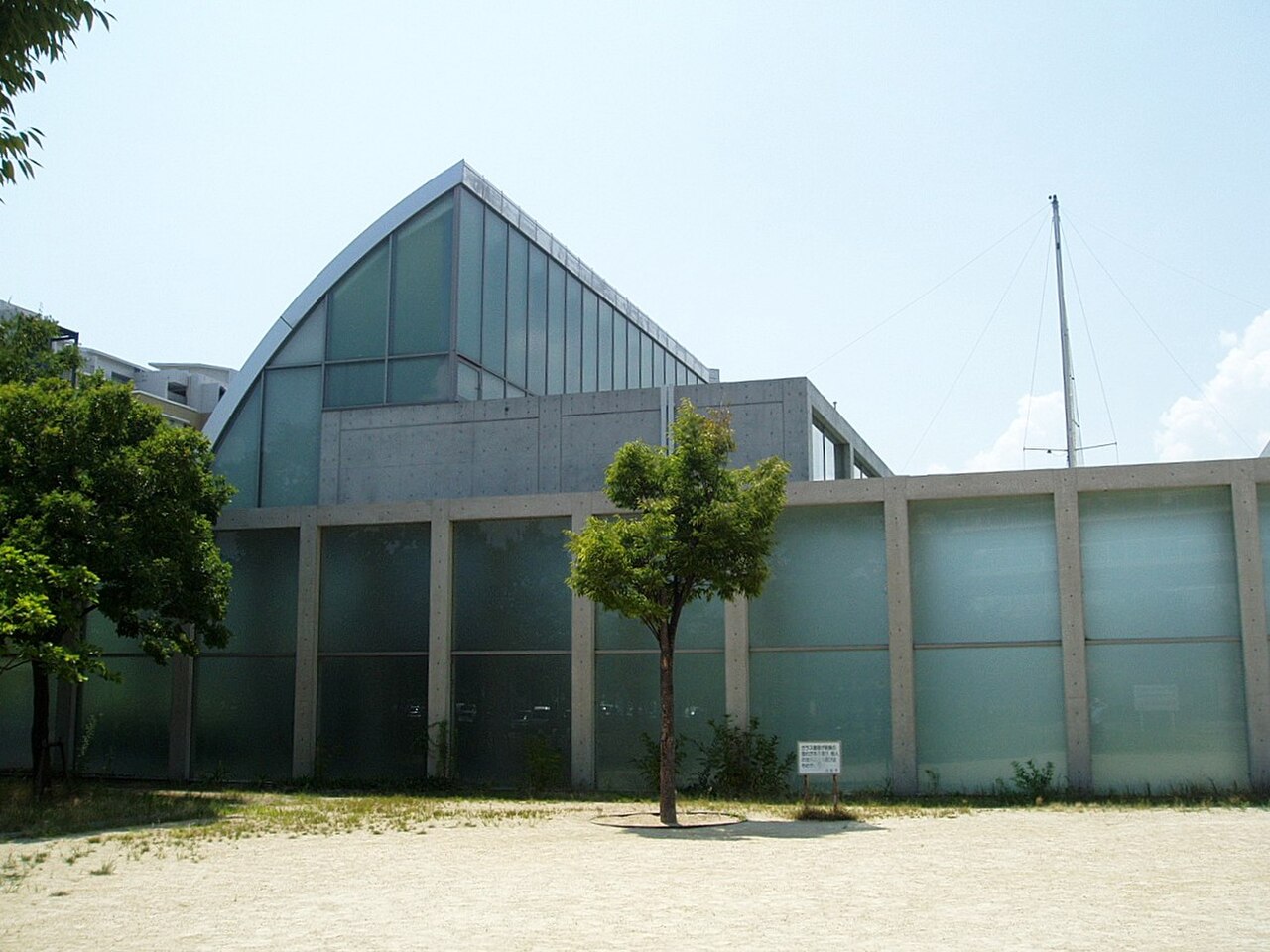
This place is a Museum. It opened in 1999. It was designed by Tadao Ando.
Nishinomiya Shell Museum, known locally as 西宮市貝類館, is a specialist museum devoted to shells and mollusks. It is located in Nishinomiya, within the wider Osaka metropolitan region rather than Osaka city proper. The museum offers a focused natural-history experience for travelers interested in marine life, collecting, biodiversity, and small museums with a distinctive subject. The Nishinomiya Shell Museum, known locally as 西宮市貝類館, is a specialized museum dedicated to shells and mollusks. Located in Nishinomiya, a city within the Osaka metropolitan area, this institution serves as a distinctive cultural and educational facility. The museum focuses on the natural history, scientific study, and aesthetic appreciation of shells from various marine environments. It represents a niche but noteworthy attraction for visitors interested in natural sciences, marine biology, or unique museum experiences beyond mainstream tourist destinations in the Osaka region. No. The museum is located in Nishinomiya, a city in Hyogo Prefecture within the broader Osaka metropolitan region.
Checked 2026-08-26 · Source
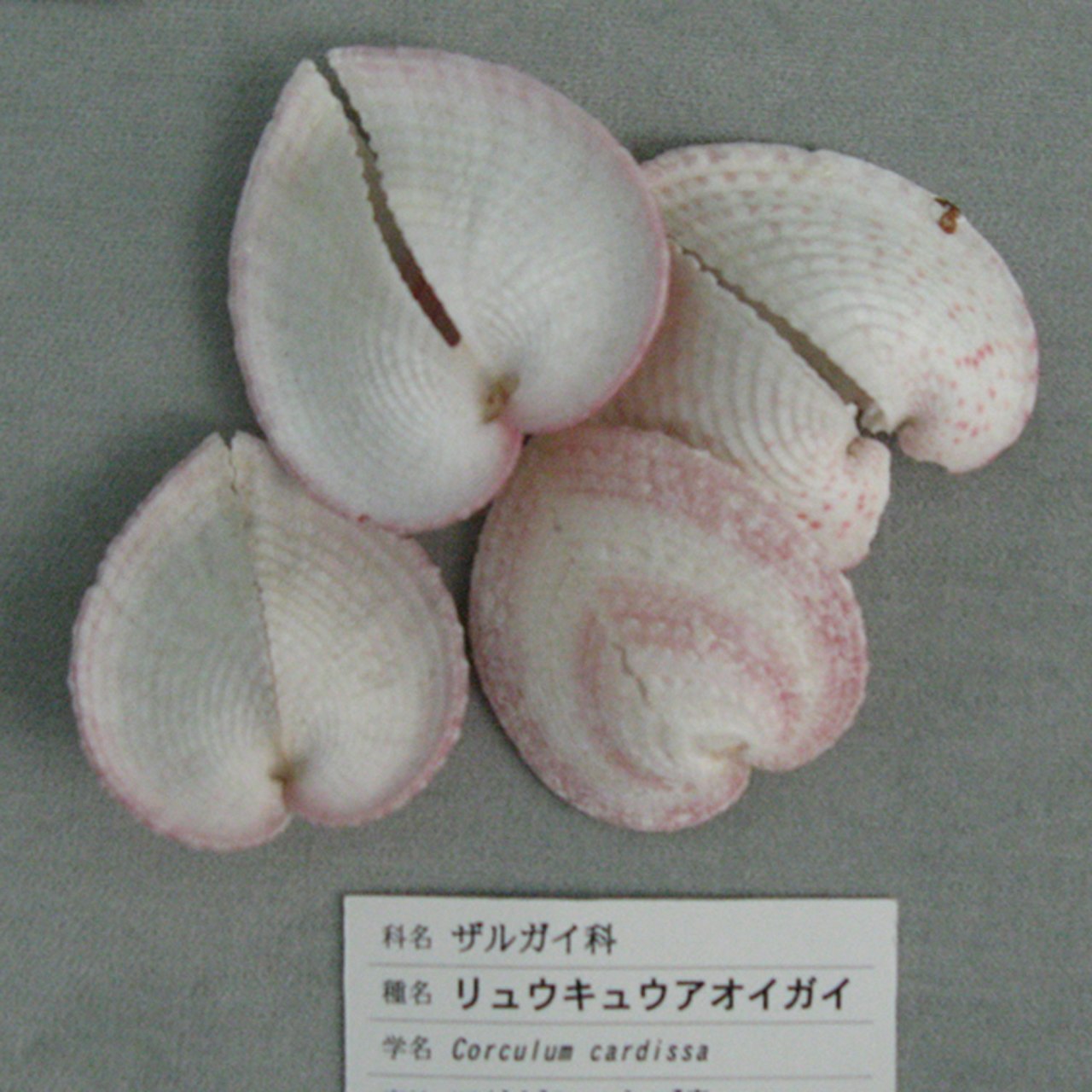
The museum’s central subject is the shell: its forms, variety, and relationship to mollusks and marine environments. Visitors can expect the experience to revolve around specimens and displays rather than broad art or general history collections. The specialist focus rewards close looking, making the museum a particularly good choice for families, collectors, and travelers drawn to natural science. The museum's collections center on shell specimens, encompassing diverse species from local Japanese waters and global marine habitats. The institution may feature both scientific collections and specimens valued for their aesthetic qualities. Interactive or interpretive elements could enhance visitor understanding of marine biodiversity.
Checked 2026-08-26 · Source
Set aside about one to two hours for Nishinomiya Shell Museum. That allows time to move through a focused collection, compare different shells, and read interpretive material at a comfortable pace. Visitors with a strong interest in marine biology or shell collecting may stay longer, while a quick overview can be completed in less time. Visitors with deep enthusiasm for marine biology or shell collecting may spend additional time examining specimens in detail. Those seeking a brief overview could complete a circuit more quickly. The compact, specialized nature of single-subject museums generally allows for efficient visitation. Visitors should assess their own pace based on reading habits and photography interests.
Checked 2026-08-26 · Source
The museum works well on a rainy day or whenever you want an indoor stop away from Osaka’s streets. Spring and autumn generally make the wider Osaka region comfortable for combining Nishinomiya with other visits. Allow extra planning time for the regional journey from central Osaka, and place the museum within a day built around Nishinomiya rather than a rushed city-center schedule. Visitors planning to attend the Nishinomiya Shell Museum should verify current opening schedules directly with the institution before traveling. Seasonal considerations for the Osaka region include warm, humid summers and mild winters, with spring and autumn offering generally comfortable conditions for travel. Rainy season occurs typically in June. Weekday mornings may offer quieter visiting conditions compared to weekends. Advance confirmation of operational status is strongly recommended, as museum schedules may change without broad public notification.
Checked 2026-08-26 · Source
Treat the museum as a dedicated stop whose entry cost is separate from regional transport and other attractions. The subject is compact but specialized, so travelers should choose it for genuine interest in shells and marine natural history rather than for a general sightseeing checklist. Many Japanese municipal museums maintain modest entry fees or occasional free admission days.
Checked 2026-08-26 · Source
Nishinomiya lies between Osaka and Kobe in Hyogo Prefecture. Regional rail connections from Osaka include JR and Hankyu services to Nishinomiya-area stations; the final journey to the museum requires local navigation from the chosen station. Use OpenStreetMap node/1423090893 for the destination point and allow time for the onward walk, bus, or taxi connection.
Checked 2026-08-26 · Source
This is a specialist museum, so the visit is strongest for travelers who enjoy a concentrated natural-history subject. Keep the regional journey in mind when planning the day, since Nishinomiya is outside Osaka city proper. Inside, treat shells and display cases carefully, follow the museum’s visitor rules, and allow a slower pace for reading and close observation.
Checked 2026-08-26 · Source
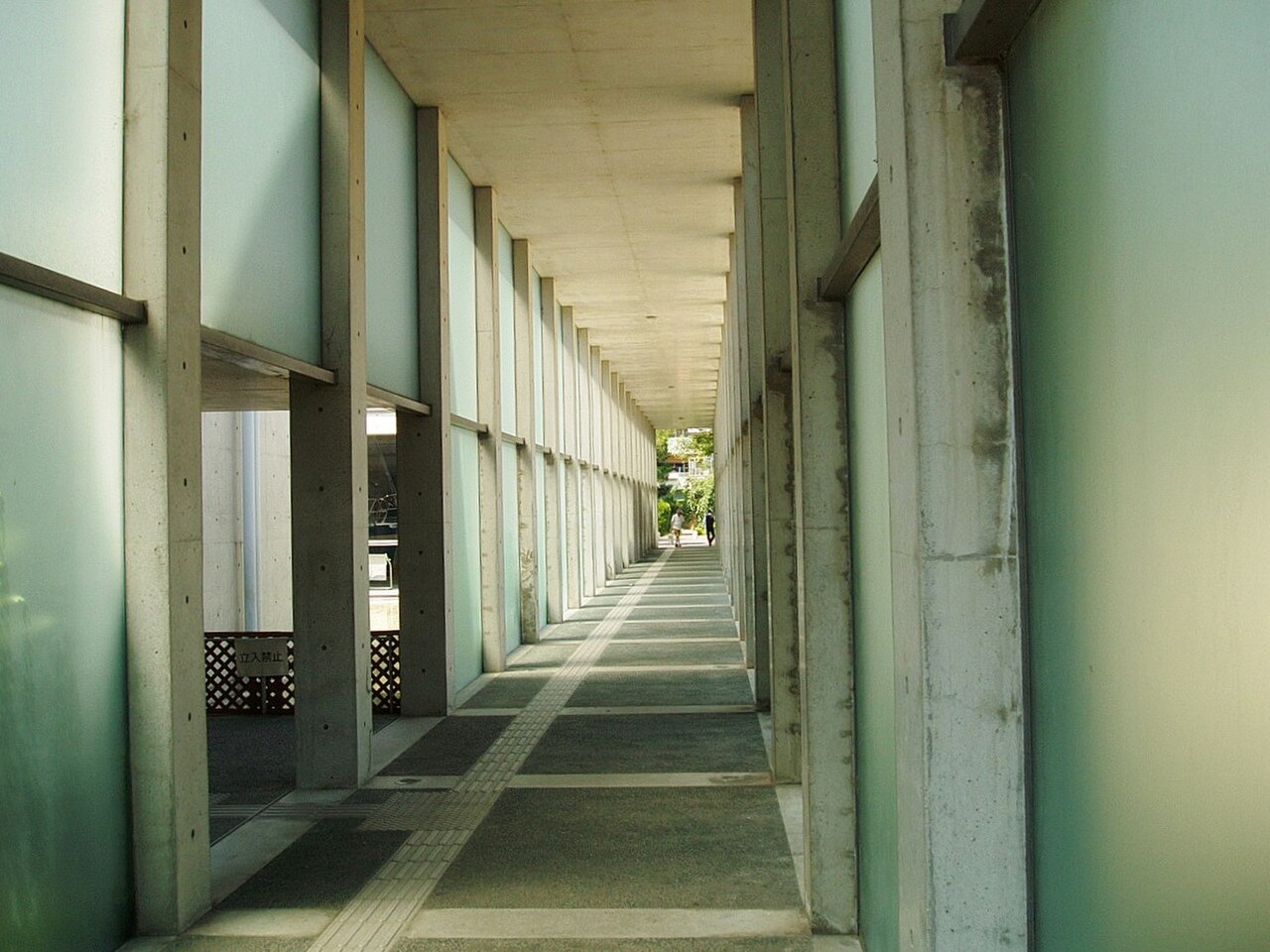
Shells offer strong subjects for detailed, close-up photography, but the museum’s collection should be photographed only in ways permitted inside the exhibition spaces. Keep flash, tripods, and equipment use subordinate to the displays and other visitors. When photography is limited, focus on the experience of comparing forms, colors, textures, and the marine stories connected with the specimens.
Checked 2026-08-26 · Source
It is in Nishinomiya, Hyogo Prefecture, within the wider Osaka metropolitan region and outside Osaka city proper.
The museum focuses on shells, mollusks, marine life, and natural-history displays connected with shell specimens.
Plan approximately one to two hours, depending on how closely you study the shell collections and interpretation.
Yes. Nishinomiya is regionally connected with Osaka by JR and Hankyu rail services, followed by a local connection to the museum.
It is especially suited to families, collectors, marine-life enthusiasts, and travelers who enjoy focused natural-history museums.
No. Its identity is specialist and centers on shells, mollusks, marine environments, and related natural-history themes.
Loading the interactive map…
The interactive map could not be loaded.
Last updated:
Source: OpenStreetMap contributors, Wikidata ·