

6 min walk
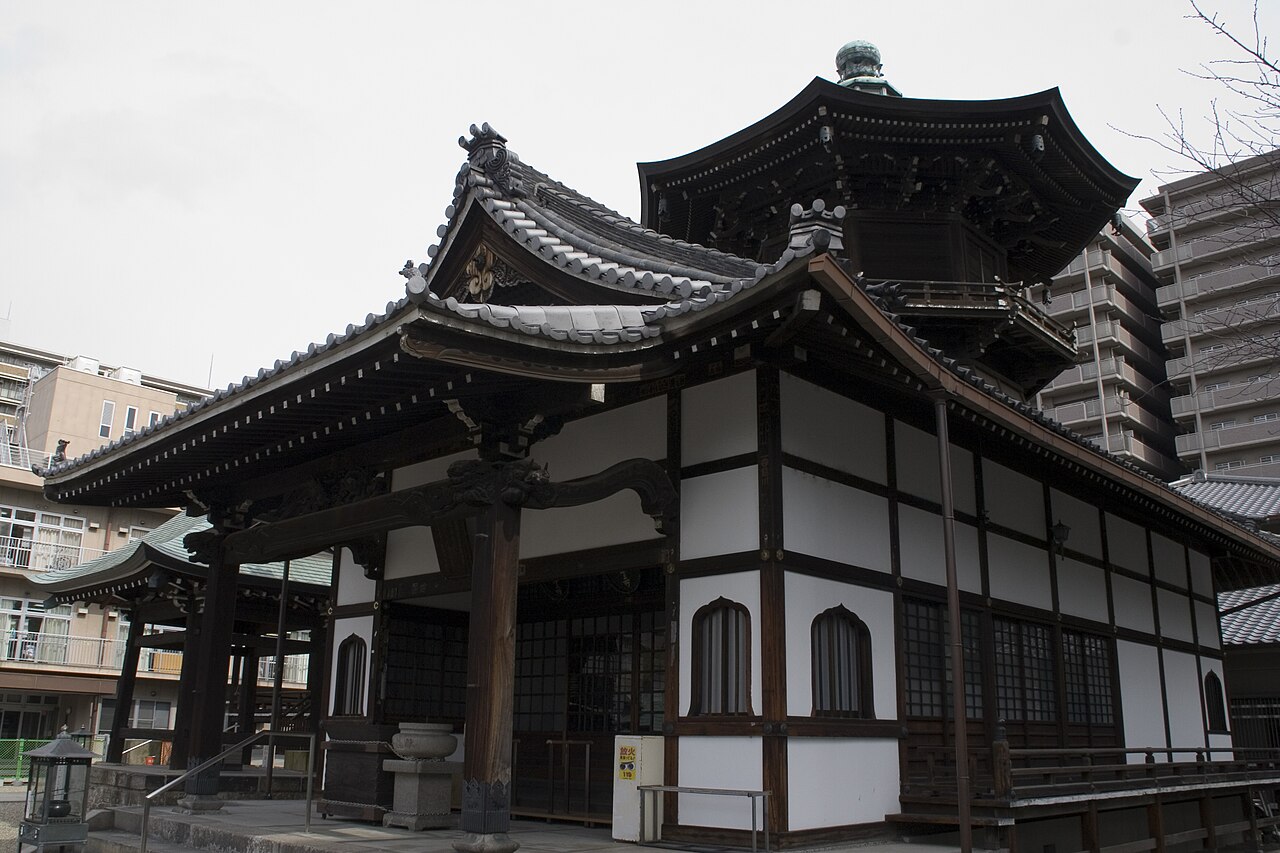
正徳禅寺
- High
- Place of worship
Museum · Osaka
大阪くらしの今昔館
| Monday | 10:00 – 17:00 |
|---|---|
| Tuesday | Closed |
| Wednesday | 10:00 – 17:00 |
| Thursday | 10:00 – 17:00 |
| Friday | 10:00 – 17:00 |
| Saturday | 10:00 – 17:00 |
| Sunday | 10:00 – 17:00 |
Checked 2026-08-31 · Source
| Per person | ¥600 |
|---|
Checked 2026-08-31 · Source
Read from the OpenStreetMap access tags; anything not listed has no tag recorded.
Set the group type to family in the planner and the day window contracts to about three quarters of a solo day.
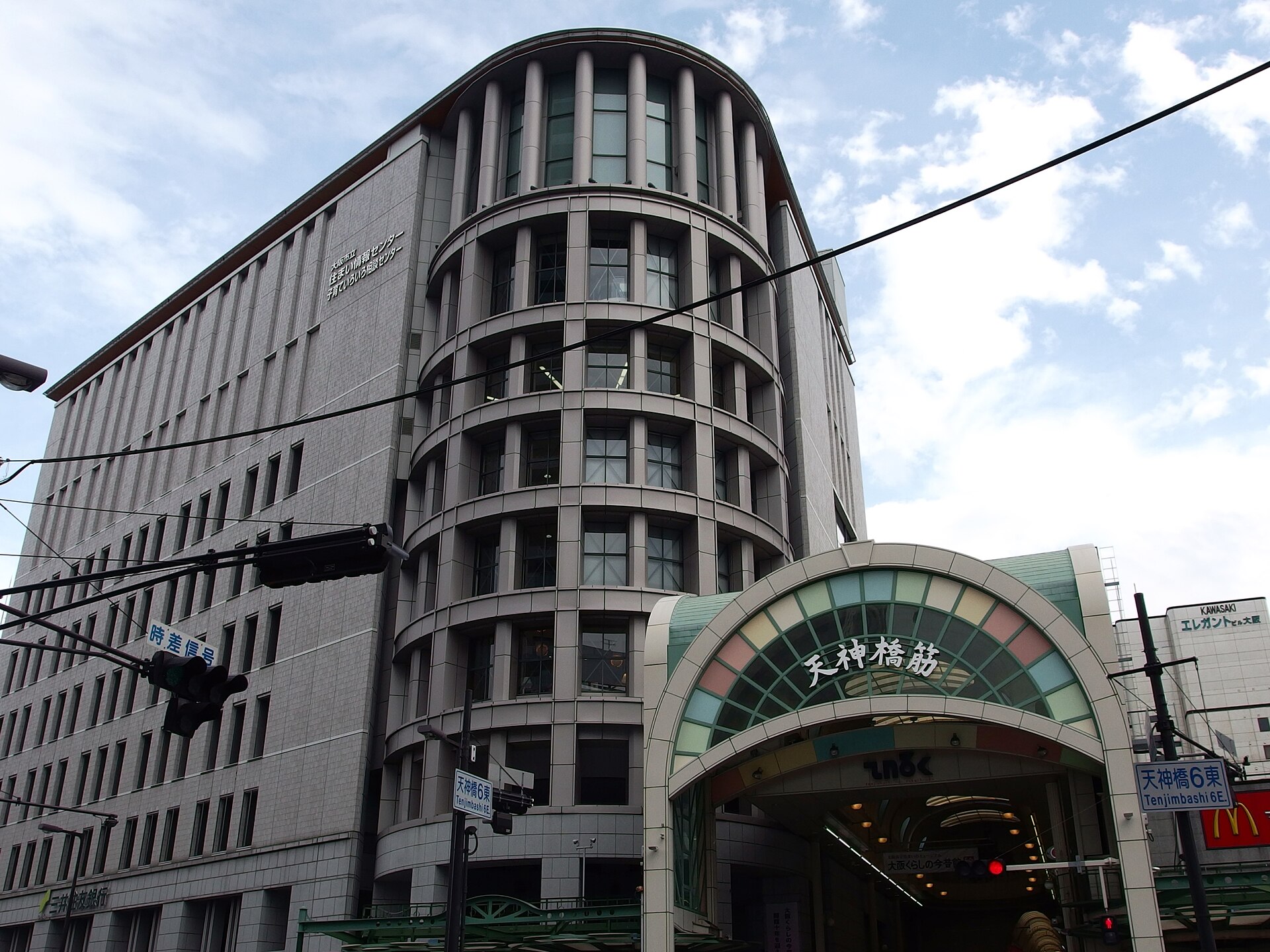
The Osaka Museum of Housing and Living is a municipal museum in Osaka, Japan. It presents the history of urban life and housing in Osaka from the Edo period through the early Showa era. The museum is operated by the Osaka City Housing Corporation. Its centerpiece is a full-scale reconstructed streetscape of late Edo-period Osaka, allowing visitors to walk through historical buildings and experience the atmosphere of the past. The facility opened in 2001 and serves as both a cultural institution and educational resource for understanding Osaka's development as a merchant city.
Checked 2026-08-31 · Source
The museum's main attraction is its immersive Edo-period street reconstruction, featuring traditional townhouses, shops, and other structures visitors can freely enter and explore. Exhibits include historical building materials, household items, and displays about Osaka's urban development. The facility also contains modern exhibition spaces with photographs, documents, and models showing housing evolution through the Meiji, Taisho, and early Showa periods. Interactive elements allow visitors to engage with historical daily life. The museum aims to preserve and communicate knowledge of traditional Japanese urban architecture and domestic culture that has largely disappeared from contemporary Osaka.
Checked 2026-08-31 · Source
Most visitors spend approximately one to two hours exploring the museum, though enthusiasts of Japanese history and architecture may stay longer. The Edo-period streetscape alone warrants thorough exploration, as each building contains period-appropriate details and furnishings. Additional time should be allocated for the modern exhibition areas documenting later housing developments. Visitors interested in comprehensive understanding of all display materials, including photographic archives and documentary exhibits, should plan for an extended visit. The self-paced nature of the museum permits flexible duration based on individual interest levels in urban history and architectural heritage.
Checked 2026-08-31 · Source
Open Wednesday-Monday 10:00-17:00, last admission 16:30; closed Tuesday and year-end/New Year. Events, worship, maintenance and security measures can alter ordinary access. Visitors should consult the official website or contact the museum directly before planning their visit. The indoor nature of the museum makes it suitable for any season, though Osaka's hot humid summers and cold winters may influence travel comfort. Weekday mornings potentially offer quieter experiences than weekends or Japanese public holidays when domestic visitors and school groups are more prevalent. The museum's location in northern Osaka provides reasonable accessibility throughout the year regardless of weather conditions affecting outdoor attractions.
Checked 2026-08-31 · Source
Adult museum admission is JPY 600; special events and kimono experiences may use separate terms. Premium experiences and event products cost separately. Municipal museums in Japan typically maintain modest entry fees compared to private institutions. Visitors should carry sufficient cash as some public facilities in Japan do not accept international credit cards. Annual passes or combination tickets with other Osaka cultural institutions may be available but require verification.
Checked 2026-08-31 · Source
Osaka Metro Tenjimbashisuji 6-chome station, directly connected to the building. This is the named public-transport approach for an independent visit. The museum is located in the Tenjimbashi area of northern Osaka. It is accessible via the Osaka Metro Sakaisuji Line, with the nearest station being Tenjimbashisuji Rokuchome. This station also serves the Hankyu Senri Line, providing connections from other parts of the Kansai region. Surface access by bus is available from various points in Osaka. The museum sits within an urban district with pedestrian accessibility from public transport nodes. Visitors unfamiliar with Osaka's transit network should allow additional navigation time and consult current route maps, as station configurations and line operations may change.
Checked 2026-08-31 · Source
Step-free entrances or public approaches, lifts where required, and accessible toilets serve principal visitor areas. The access description applies to principal visitor areas rather than every historic or operational space. The reconstructed Edo-period streetscape features authentic architectural details including uneven flooring, low doorways, and dim lighting that may present challenges for visitors with mobility limitations or visual impairments. Traditional building interiors often require removing footwear, so visitors should wear easily removable shoes and consider sock conditions. The immersive environment contains realistic but not actual historical artifacts, and visitors should treat all displays respectfully. Photography policies may restrict certain areas or uses. As with any popular cultural institution, visitors should maintain awareness of personal belongings and surrounding foot traffic in narrow reconstructed street spaces.
Checked 2026-08-31 · Source
Visitors should observe posted signage throughout the facility and respect any restrictions indicated. Flash photography may be prohibited to protect light-sensitive materials and maintain atmospheric conditions in the reconstructed streetscape. The visually distinctive Edo-period reconstruction offers compelling photographic subjects, but visitors should prioritize experiential engagement over image capture.
Checked 2026-08-31 · Source
Open Wednesday-Monday 10:00-17:00, last admission 16:30; closed Tuesday and year-end/New Year.
Adult museum admission is JPY 600; special events and kimono experiences may use separate terms.
Step-free entrances or public approaches, lifts where required, and accessible toilets serve principal visitor areas.
Osaka Metro Tenjimbashisuji 6-chome station, directly connected to the building.
Yes. Events, maintenance, weather and ceremonies can change ordinary access.
No. Special tours, exhibitions and upgrades use separate tickets.
Loading the interactive map…
The interactive map could not be loaded.
Last updated:
Source: OpenStreetMap contributors, Wikidata ·