
15 min walk
Rokusho Shrine
- Notable
- Place of worship
Language · 11 published
Place of worship · Tokyo
豪徳寺
Reviewed by Elena Voss · Roavina Travel Editor
| Monday | 06:00 – 17:00 |
|---|---|
| Tuesday | 06:00 – 17:00 |
| Wednesday | 06:00 – 17:00 |
| Thursday | 06:00 – 17:00 |
| Friday | 06:00 – 17:00 |
| Saturday | 06:00 – 17:00 |
| Sunday | 06:00 – 17:00 |
Parsed from OpenStreetMap opening hours on 2026-09-09.
This place is a Place of worship. It was established in 1480.
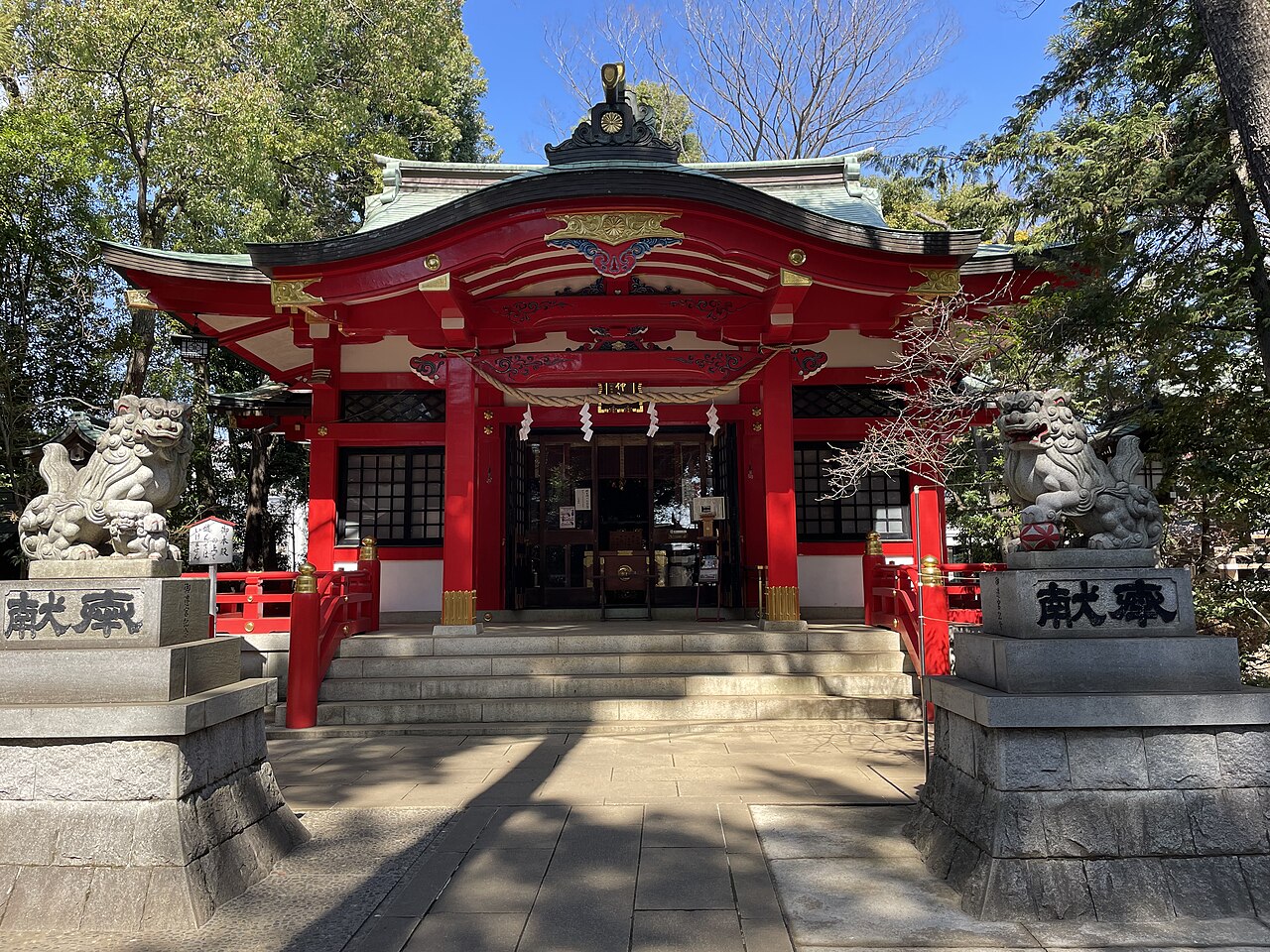
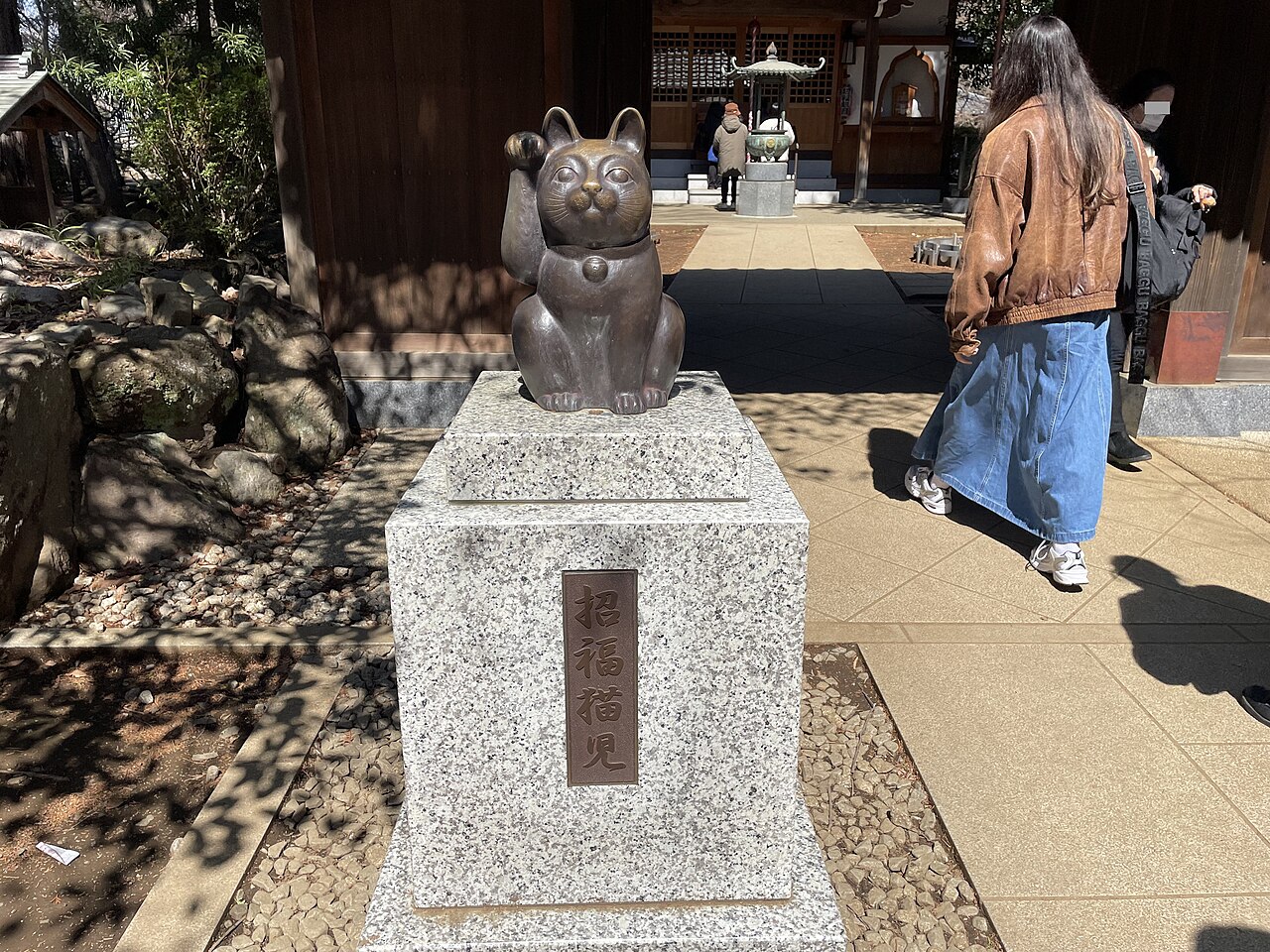
Gotokuji Temple is a Buddhist temple in Tokyo’s Setagaya ward, known in Japanese as 豪徳寺. It is strongly associated with maneki-neko, the beckoning cat figurines linked with good fortune. The grounds combine an active place of worship with traditional temple architecture, gardens and a cemetery. Visitors come for the quiet religious setting, the distinctive cat tradition and the contrast between this calm compound and Tokyo’s dense urban surroundings. Treat the temple as a cultural visit as well as a photographic stop, with respectful attention to its religious purpose. The temple is widely recognized in cultural tradition as the origin of the maneki-neko figurine.
Checked 2026-08-26 · Source
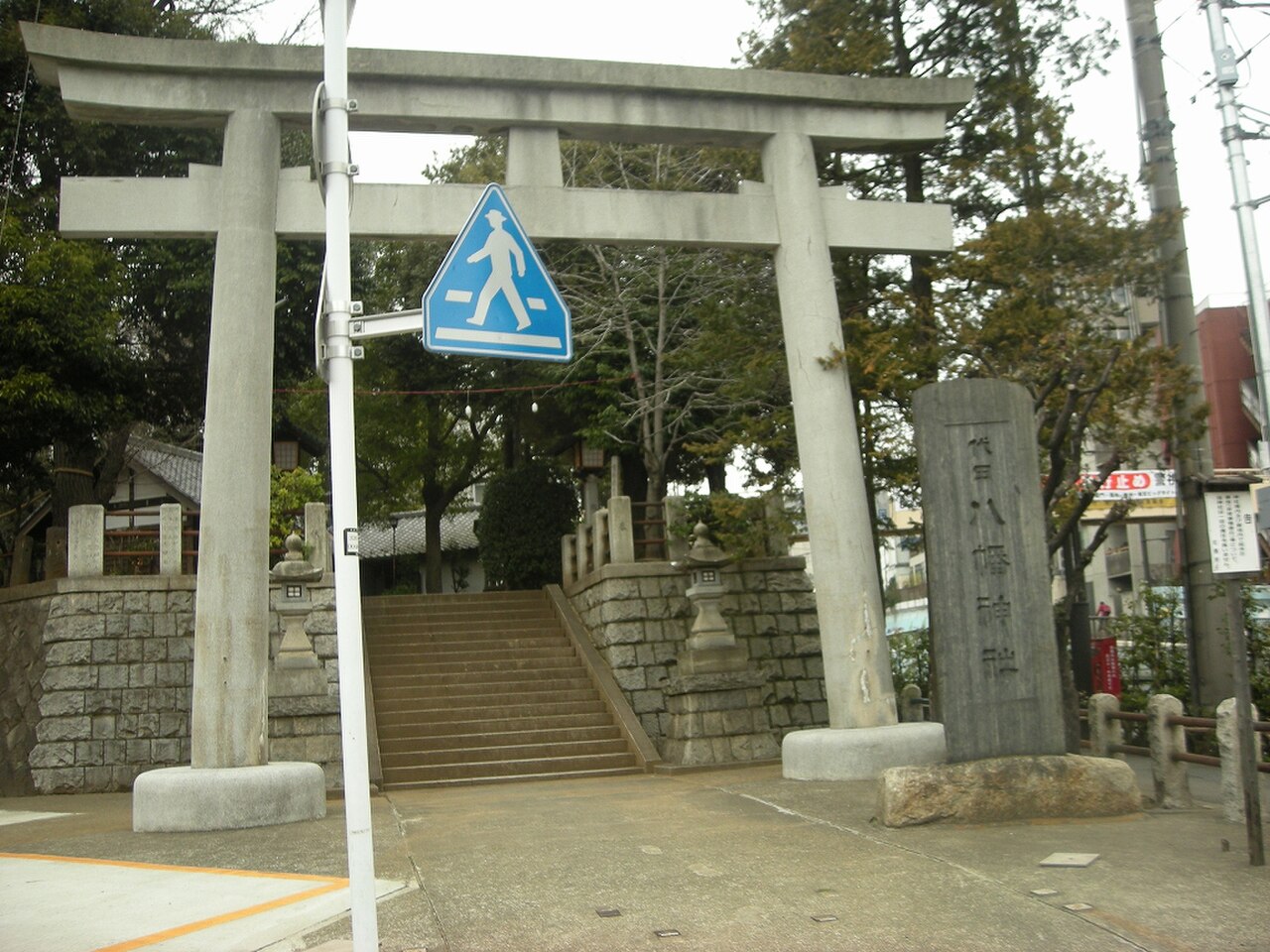
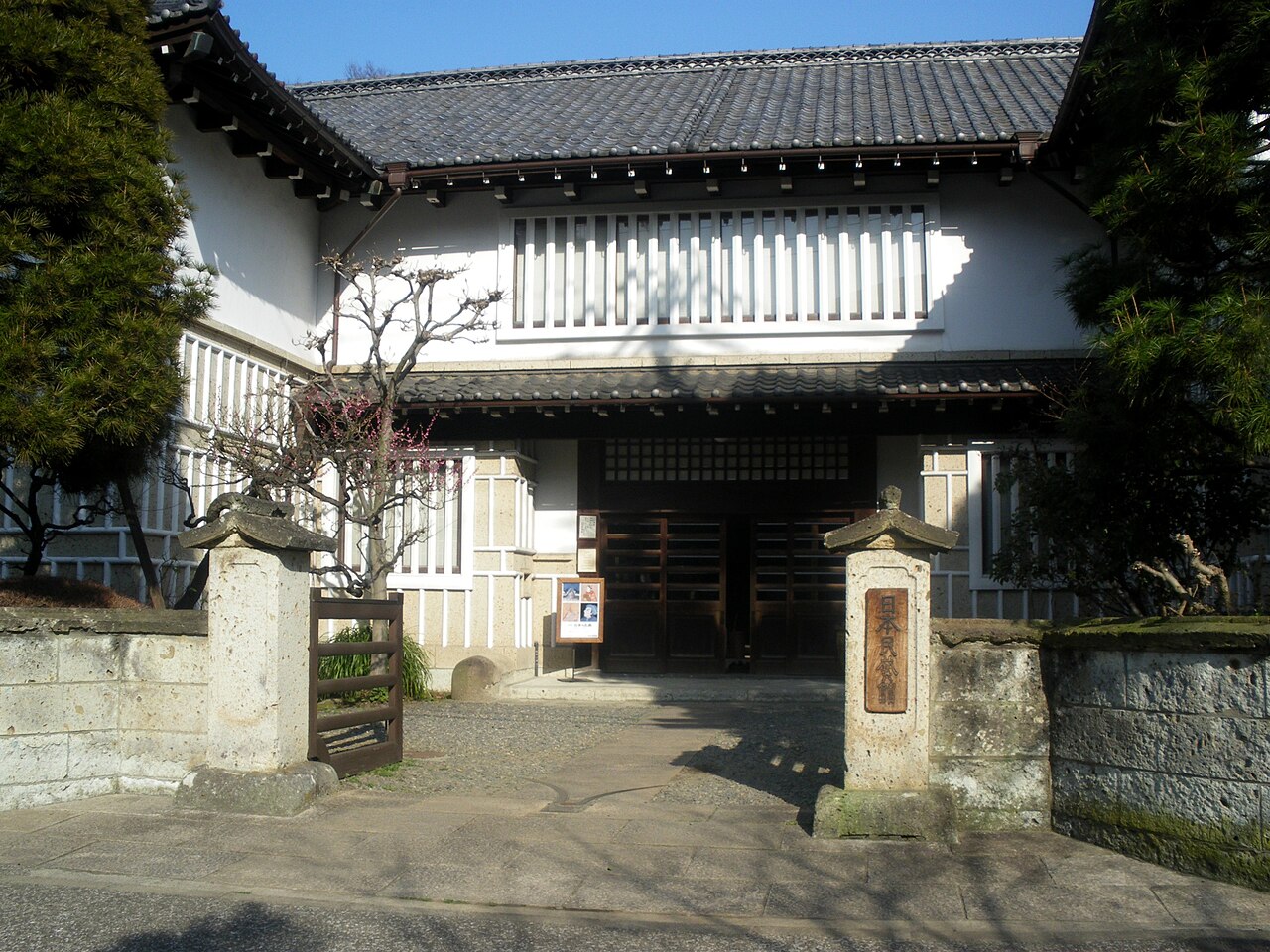
The temple grounds include a main hall, other traditional structures, garden areas and cemetery grounds. The most memorable sight is the collection of maneki-neko figurines placed together in designated areas. Cats of different sizes create a dense, repetitive pattern that feels very different from the spacious quiet of the rest of the compound. Leave time to walk between the buildings rather than viewing the figurines in isolation. The architecture, vegetation and offering areas work together to show Gotokuji as a living temple, not simply a display devoted to a popular souvenir symbol.
Checked 2026-08-26 · Source
Plan around thirty minutes to one hour for a focused visit. That gives enough time to enter the grounds, see the main temple spaces, spend time with the maneki-neko display and pause for photographs. Visitors especially interested in Buddhist architecture, seasonal vegetation or the cultural meaning of the cats may stay longer. The grounds are compact, so the visit does not require an extensive walk. Gotokuji works well as a calm neighbourhood stop between other Setagaya destinations, while a slower visit rewards visitors who enjoy quiet observation more than a rapid checklist.
Checked 2026-08-26 · Source
Spring brings seasonal interest from cherry blossoms, while autumn can add foliage colour to the temple setting. Weekday mornings suit visitors who want a quieter atmosphere and more space around the figurine display. New Year and traditional religious observances can bring a stronger local presence, making the temple feel busier and more ceremonial. Because much of the experience takes place outdoors, rain and cold change the comfort of the visit. Choose clothing and footwear for walking through temple grounds, and allow extra time if the weather encourages a slower pace.
Checked 2026-08-26 · Source
The visit centres on the temple grounds, the main hall, traditional buildings, gardens and the maneki-neko offering display. Separate purchases of cat figurines, where available, are different from entering the religious compound. Keep the purpose of the visit in mind: this is an active temple, and the figurines are connected with prayer and offerings rather than being arranged solely as an attraction. A visit fits naturally into a Tokyo day built around Setagaya’s local streets, with time for a quiet cultural experience alongside the surrounding neighbourhood.
Checked 2026-08-26 · Source
Gotokuji Temple is in Setagaya ward, and Gotokuji Station on the Odakyu Line provides the clearest rail reference for reaching it. From the station, continue on foot through the surrounding neighbourhood toward the temple. Tokyo’s wider rail network makes the area practical to combine with other city districts, although the final approach is a local walking section rather than a major tourist boulevard. Keep the Japanese name 豪徳寺 available when asking for directions, and follow signs and maps toward the temple entrance once you leave the station area.
Checked 2026-08-26 · Source
Gotokuji is an active religious site, so keep voices low and give worshippers room. Do not move, handle or rearrange the maneki-neko figurines; they are offerings connected with visitors’ prayers. Cemetery areas deserve the same care and restraint. Some temple buildings may require visitors to remove footwear, and signs define where photography is appropriate. Outdoor paths can become uncomfortable in rain or heat. The atmosphere is local and devotional rather than theatrical, which is part of the appeal but calls for a considerate pace and unobtrusive behaviour.
Checked 2026-08-26 · Source
The maneki-neko display is the temple’s strongest photographic subject: repeated white cat figures create patterns, layers and close-up details. Photograph from the paths without blocking other visitors or approaching offerings unnecessarily. Traditional buildings, gates, trees and seasonal vegetation provide quieter compositions away from the main display. Give priority to worshippers and ceremonies, and follow any signs governing indoor photography. A small camera or phone is easier to use discreetly in the compact grounds. Soft morning light can help separate the figurines, while overcast conditions reduce harsh contrast.
Checked 2026-08-26 · Source
Gotokuji Temple is associated with the origin of maneki-neko, the beckoning cat figurine, and its grounds contain a notable collection of these figures.
The temple is in Tokyo’s Setagaya ward, near Gotokuji Station on the Odakyu Line.
A focused visit generally takes thirty minutes to one hour, with extra time useful for photography, architecture and quiet exploration.
The grounds include traditional temple buildings, a main hall, gardens, cemetery areas and designated displays filled with maneki-neko figurines.
Keep quiet, respect worshippers, leave the figurines undisturbed and follow signs governing access, footwear and photography.
The concentrated maneki-neko display offers the temple’s most distinctive photographic subject, while gates, buildings and seasonal vegetation provide additional views.
Loading the interactive map…
The interactive map could not be loaded.
Last updated:
Source: OpenStreetMap contributors, Wikidata ·