_Benzaitensha.jpg)
6 min walk
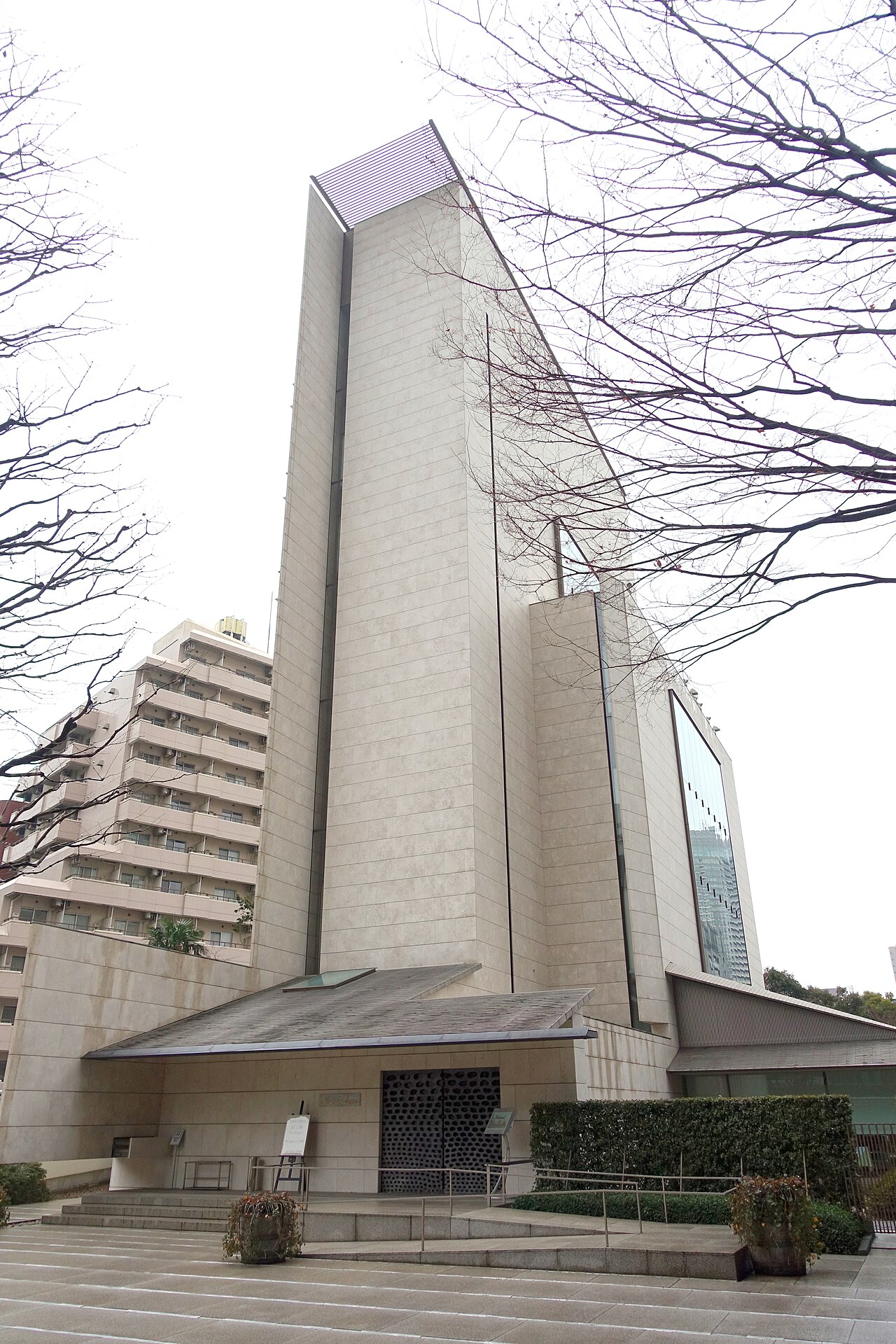
Kikuchi Kanjitsu Memorial Tomo Museum
- High · Heritage site
- Museum
Place of worship · Tokyo
愛宕神社
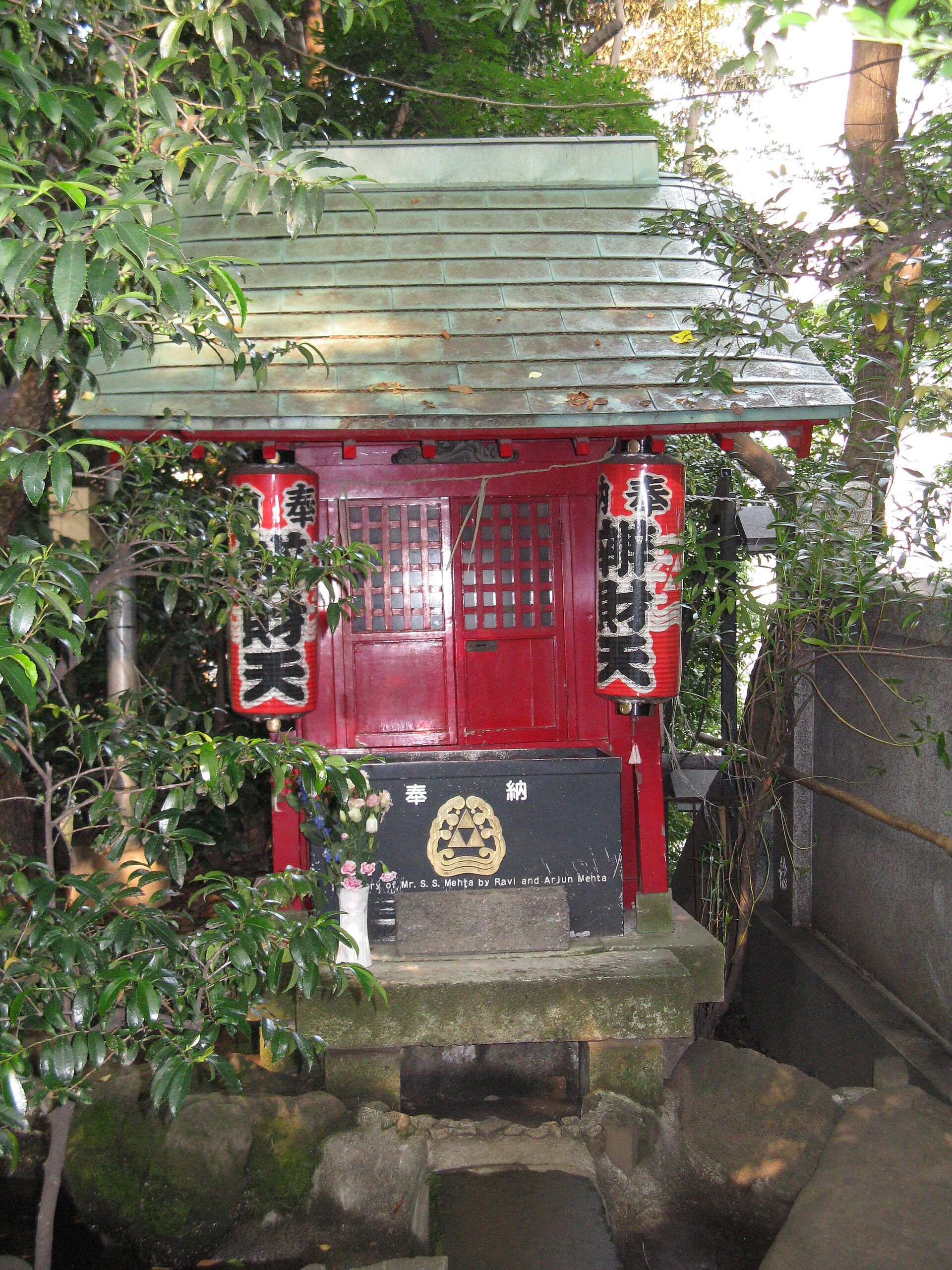
Atago Shrine is a Shinto shrine located in the Minato ward of Tokyo, Japan. The shrine sits atop Atago Hill, which rises approximately 26 meters above sea level, making it one of the highest natural points in central Tokyo. The shrine is dedicated to the fire deity Homusubi no Mikoto and has historically served as a protective shrine against fire for the surrounding metropolis. Its steep stone staircase, known as the "Success Stairs," is a notable feature that visitors encounter upon approach.
Checked 2026-08-26
The shrine grounds contain the main hall, auxiliary structures, and the famous stone staircase. The staircase consists of steep steps that visitors climb to reach the main shrine precinct. The grounds include traditional shrine architecture with wooden structures and stone lanterns typical of Shinto religious sites. The surrounding area features forested spaces that provide contrast to the dense urban environment of central Tokyo. Additional smaller shrines and ceremonial spaces are present within the compound, though specific interior details of buildings are not recorded.
Checked 2026-08-26
A visit to Atago Shrine typically requires between thirty minutes and one hour depending on individual pace and interest. The climb up the stone staircase demands physical effort and may extend the duration for those who pause to rest. Visitors who wish to explore the grounds thoroughly, observe shrine customs, or enjoy the elevated views over Tokyo should allocate additional time. The compact nature of the shrine grounds limits the overall visit duration compared to larger religious complexes elsewhere in the city.
Checked 2026-08-26
Visitors should consult official sources before planning their trip. The shrine is accessible throughout the year, with seasonal variations in atmosphere. Spring brings greenery to the hillside, while autumn offers foliage changes. Summer visits may involve heat and humidity during the climb. Winter provides clearer atmospheric conditions for views. Early morning and late afternoon visits may offer different lighting conditions and crowd levels. Special religious observances may affect accessibility on certain dates. A flexible visit lets travellers connect Atago Shrine with the rest of the day without treating one room, viewpoint or photograph as the whole experience. The useful pace depends on personal interest and conditions on arrival. Check the operator's own site for the travel date before relying on a schedule or fare.
Checked 2026-08-26
Most Shinto shrines in Japan do not charge admission fees for general grounds access. Specific ceremonies, amulet purchases, or special exhibitions may involve separate costs. Visitors should carry cash for voluntary offerings, amulets, or fortune slips should they wish to participate in these customary practices. The absence of recorded pricing information necessitates verification through direct inquiry or official channels before visiting. Budget-conscious travelers should prepare for possible incidental expenses. Atago Shrine also earns time in a tokyo itinerary because NOMINATIM_PRODUCTION reconciliation for the ranked entry; identity and coordinates were verified without a nearby fallback. Its value becomes clearer when the stop is compared with the surrounding streets and the other ranked places nearby. Check the operator's own site for the travel date before relying on a schedule or fare.
Checked 2026-08-26
Atago Shrine is located in Minato ward, accessible via public transportation from central Tokyo stations. The nearest stations include Onarimon Station on the Toei Mita Line and Kamiyacho Station on the Tokyo Metro Hibiya Line. Walking from these stations involves navigating urban streets and ascending the hill. The physical approach requires climbing the steep stone staircase, which presents accessibility challenges for individuals with mobility limitations. Alternative routes or transportation methods for those unable to manage the stairs are not recorded.
Checked 2026-08-26
The stone staircase is notably steep and may become slippery in wet conditions. Visitors should wear appropriate footwear with grip. The climb requires moderate physical fitness and may not be suitable for young children, elderly visitors, or those with balance difficulties. No handrails are present along significant portions of the ascent. The urban location means surrounding noise and activity continue despite the shrine's religious function. Visitors should observe respectful behavior appropriate to a functioning religious site, including proper conduct at the main hall.
Checked 2026-08-26
Photography is generally permitted in the outer grounds of Shinto shrines, though restrictions may apply within the main hall or during ceremonies. Visitors should observe posted signage and refrain from photographing worshippers without consent. The stone staircase and elevated position offer photographic opportunities of the shrine architecture and surrounding cityscape. Lighting conditions vary throughout the day, with morning and late afternoon potentially providing favorable illumination. Tripod use and commercial photography may require permission. Drone operation is prohibited in this urban location.
Checked 2026-08-26
Most Shinto shrines in Japan do not charge general admission fees. Check the operator's own site for the travel date before relying on a schedule or fare.
The nearest stations are Onarimon Station on the Toei Mita Line and Kamiyacho Station on the Tokyo Metro Hibiya Line, followed by walking.
The steep stone staircase requires moderate physical fitness and may not be suitable for those with mobility limitations, balance difficulties, or young children.
The shrine is dedicated to Homusubi no Mikoto, a fire deity, and has historically served as protective shrine against fire.
Visitors should consult official sources before planning their trip.
Photography is generally permitted in outer grounds, though restrictions may apply within the main hall or during ceremonies; visitors should observe posted signage.
Loading the interactive map…
The interactive map could not be loaded.
Last updated:
Source: OpenStreetMap contributors, Wikidata ·