.jpg)
8 min walk
Shiodome
- High
- Historic monument
Language · 11 published
Nature site · Tokyo
浜離宮恩賜庭園
Reviewed by Elena Voss · Roavina Travel Editor

| Monday | 09:00 – 17:00 |
|---|---|
| Tuesday | 09:00 – 17:00 |
| Wednesday | 09:00 – 17:00 |
| Thursday | 09:00 – 17:00 |
| Friday | 09:00 – 17:00 |
| Saturday | 09:00 – 17:00 |
| Sunday | 09:00 – 17:00 |
Checked 2026-08-31 · Source
Read from the OpenStreetMap access tags; anything not listed has no tag recorded.
Set the group type to family in the planner and the day window contracts to about three quarters of a solo day.
This place is a Park. It opened in 1946. It carries the Place of Scenic Beauty heritage designation. It is run by Tokyo Metropolitan Park Association.
Hamarikyu Gardens is a public garden in central Tokyo, located at the mouth of the Sumida River where it meets Tokyo Bay. The site was originally developed as a feudal lord's residence during the Edo period and later served as a detached palace for the Tokugawa shogunate. The Imperial family eventually transferred the property to Tokyo City, and it opened to the public in 1946. The garden is designated as a national special place of scenic beauty and a special historic site. Its distinctive landscape combines traditional Japanese garden design with tidal ponds that draw seawater from the bay, creating a rare brackish water environment within an urban setting.
Checked 2026-08-31 · Source
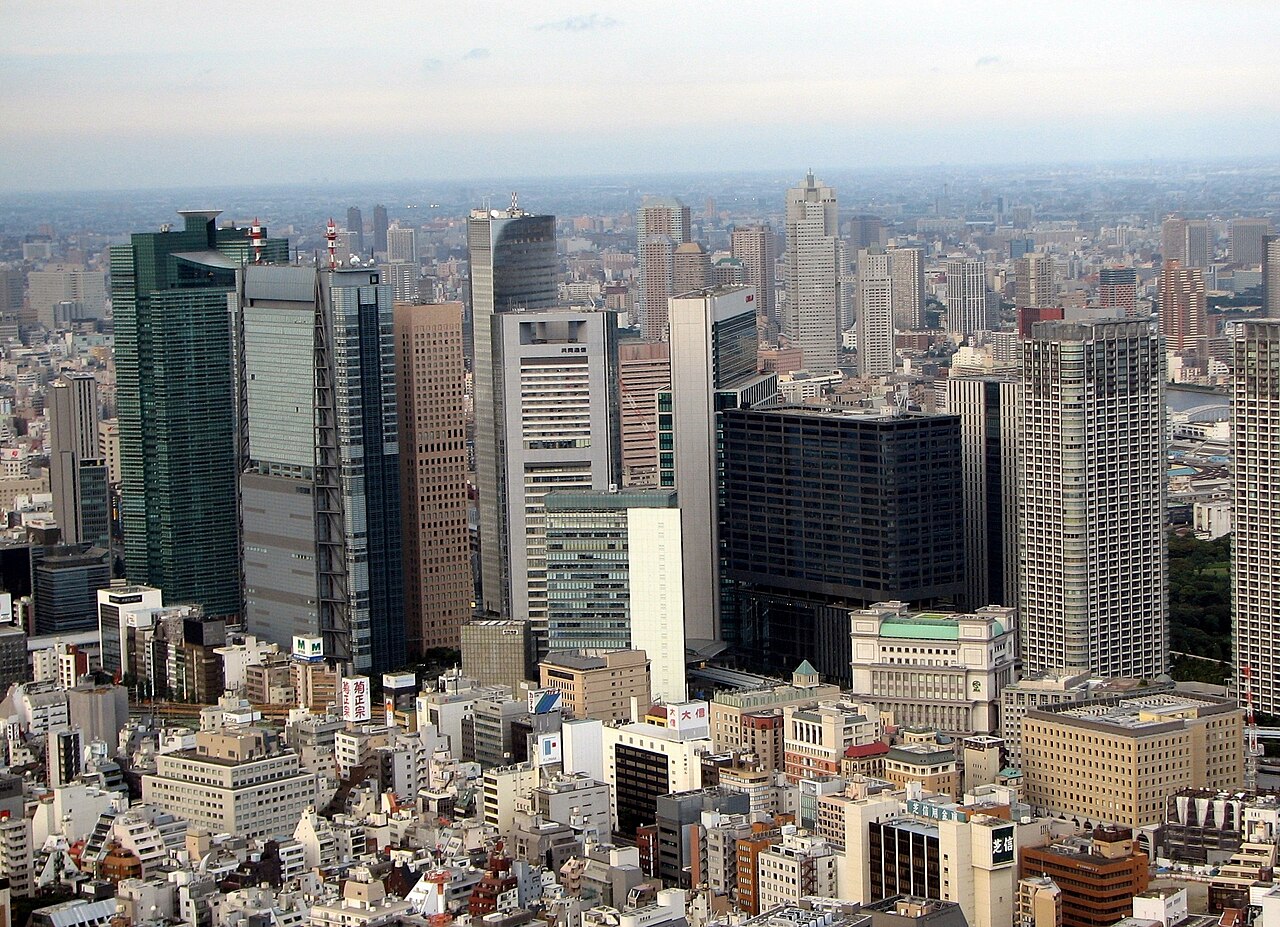
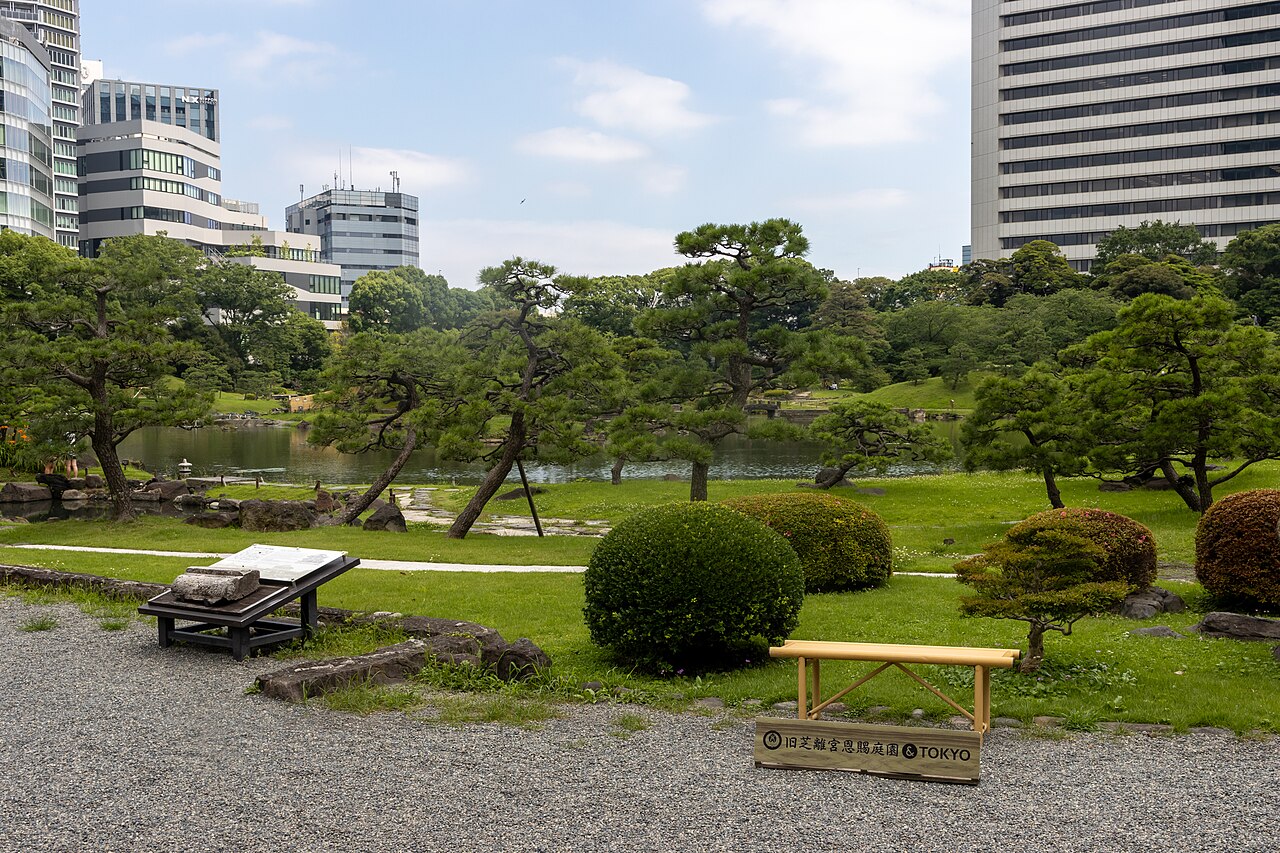
The garden contains several notable features including Shioiri Pond, a tidal pond whose water level changes with the tides of Tokyo Bay. Nakajima no Ochaya is a teahouse situated on an island within the pond, offering visitors a place to rest. A peony garden and plum grove provide seasonal floral displays. The garden also preserves remains of former duck hunting grounds used by the shogunate. Traditional garden elements include stone lanterns, bridges, and carefully pruned pine trees. The surrounding modern skyline of Shiodome creates a striking contrast with the historic landscape. Various walking paths allow exploration of these different areas throughout the grounds.
Checked 2026-08-31 · Source
Most visitors spend approximately one to two hours exploring Hamarikyu Gardens, though individual pacing varies considerably depending on interest level and season. A leisurely walk along the main paths covering the central pond, teahouse, and principal garden areas can be completed in about sixty minutes. Those wishing to stop at the teahouse for refreshments, photograph extensively, or visit during peak flower seasons should allocate additional time. The compact nature of the garden makes it feasible as a shorter stop combined with nearby attractions. Visitors with particular interest in Japanese garden design or horticulture may prefer extended visits to observe details of the landscape composition and plantings.
Checked 2026-08-31 · Source
Daily 09:00–17:00; last admission 16:30. On 2026-10-21–23 and 2026-10-30–11-03, 09:00–21:00; last admission 20:30. Closed annually from December 29 through January 1. During the announced 2026 evening openings, Naka-no-gomon Gate closes at 17:00 and Otemon Gate remains the entrance after 17:00. Hamarikyu Gardens offers different experiences across seasons, with plum blossoms typically appearing in late winter and peonies flowering in spring. The garden's tidal pond creates distinctive atmospheres as water levels shift throughout the day. Early morning and late afternoon light can enhance photography and provide quieter visiting conditions. Weather conditions affect the experience, with clear days offering views of the surrounding skyline and overcast conditions creating subdued moods.
Checked 2026-08-31 · Source
General admission is JPY 300. The announced 2026 evening openings require only the regular admission fee; no separate evening ticket is required. Admission to Hamarikyu Gardens requires payment of an entrance fee. The garden participates in the common ticket system shared with other Tokyo metropolitan parks and gardens, which may offer combined admission options. Some visitors may qualify for reduced rates or free entry based on age or other criteria standard for public facilities in Japan. Payment is typically accepted in cash, and visitors should prepare exact change or small denominations. Annual passes or multiple-visit options may be available for frequent visitors. Group rates might apply for organized tours.
Checked 2026-08-31 · Source
For Otemon Gate, walk about 7 minutes from Tsukijishijo Station (Toei Oedo Line, E18), Shiodome Station (Toei Oedo Line, E19), or Yurikamome Shiodome Station; Shimbashi Station is about 12 minutes away. For Naka-no-gomon Gate, walk about 5 minutes from Shiodome Station Exit 10 or Yurikamome Shiodome Station, or 15 minutes from JR Hamamatsucho Station. The operator specifically recommends its above-ground station route for wheelchair users and visitors with pushchairs. The Hamarikyu water-bus landing is another arrival point. This is the named approach for an independent visit. Hamarikyu Gardens occupies a prominent position in the Shiodome district near Tokyo Bay.
Checked 2026-08-31 · Source
The operator publishes a designated wheelchair-accessible route through the garden; some paths and areas lie outside that route. The facility entrance has a threshold under 2 cm. Four wheelchair-accessible toilets and four ostomate-compatible toilets are listed. Four wheelchairs are available to borrow. Parking is available for vehicles carrying wheelchair users or visitors with disabilities. The access description applies to the documented visitor route. The tidal nature of Shioiri Pond means water levels and conditions change throughout the day, affecting both aesthetics and the behavior of wildlife. Visitors should remain on designated paths to protect the historic landscape and avoid disturbing garden plantings.
Checked 2026-08-31 · Source
The juxtaposition of historic garden landscapes against the contemporary Shiodome skyline offers distinctive photographic opportunities not available at more isolated traditional gardens. The tidal pond provides reflective surfaces that vary with changing water levels and light conditions throughout the day. Nakajima no Ochaya and its connecting bridges create classic Japanese garden compositions. Seasonal flowers including plum and peony blossoms add color and temporal interest. Early morning and late afternoon light generally produces the most favorable conditions. The garden's relatively open layout permits wide-angle views incorporating multiple elements.
Checked 2026-08-31 · Source
Admission is free on Greenery Day, May 4, and Tokyo Citizens’ Day, October 1.
Date-specific QR-code tickets are sold through Webket from 31 days before the visit until 15:00 on the visit date. Each QR code is valid for one entry, and re-entry is not permitted.
Shioiri-no-ike is Tokyo’s only surviving Edo-period garden pond that still takes in seawater; gates regulate its level with Tokyo Bay’s tides.
Nakajima-no-ochaya, on an island in Shioiri-no-ike, serves matcha and is reached by O-tsutai-bashi bridge.
Pets, including dogs, are not admitted to this paid metropolitan garden.
Ordinary personal landscape and family photography needs no application. Organized, exclusive, model, wedding, commercial, television, or video shoots require advance application and permission from the garden service center.
Loading the interactive map…
The interactive map could not be loaded.

Last updated:
Source: OpenStreetMap contributors, Wikidata ·