Roavina

City guide · Japan

Tokyo

A photograph of Tokyo
Photograph · Morio · CC BY-SA 3.0

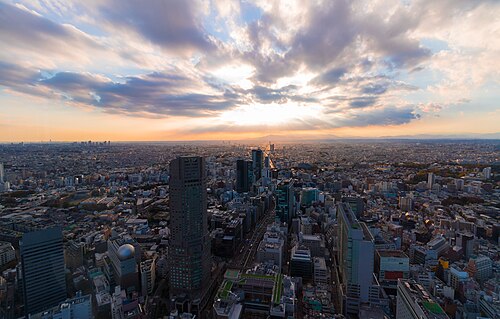
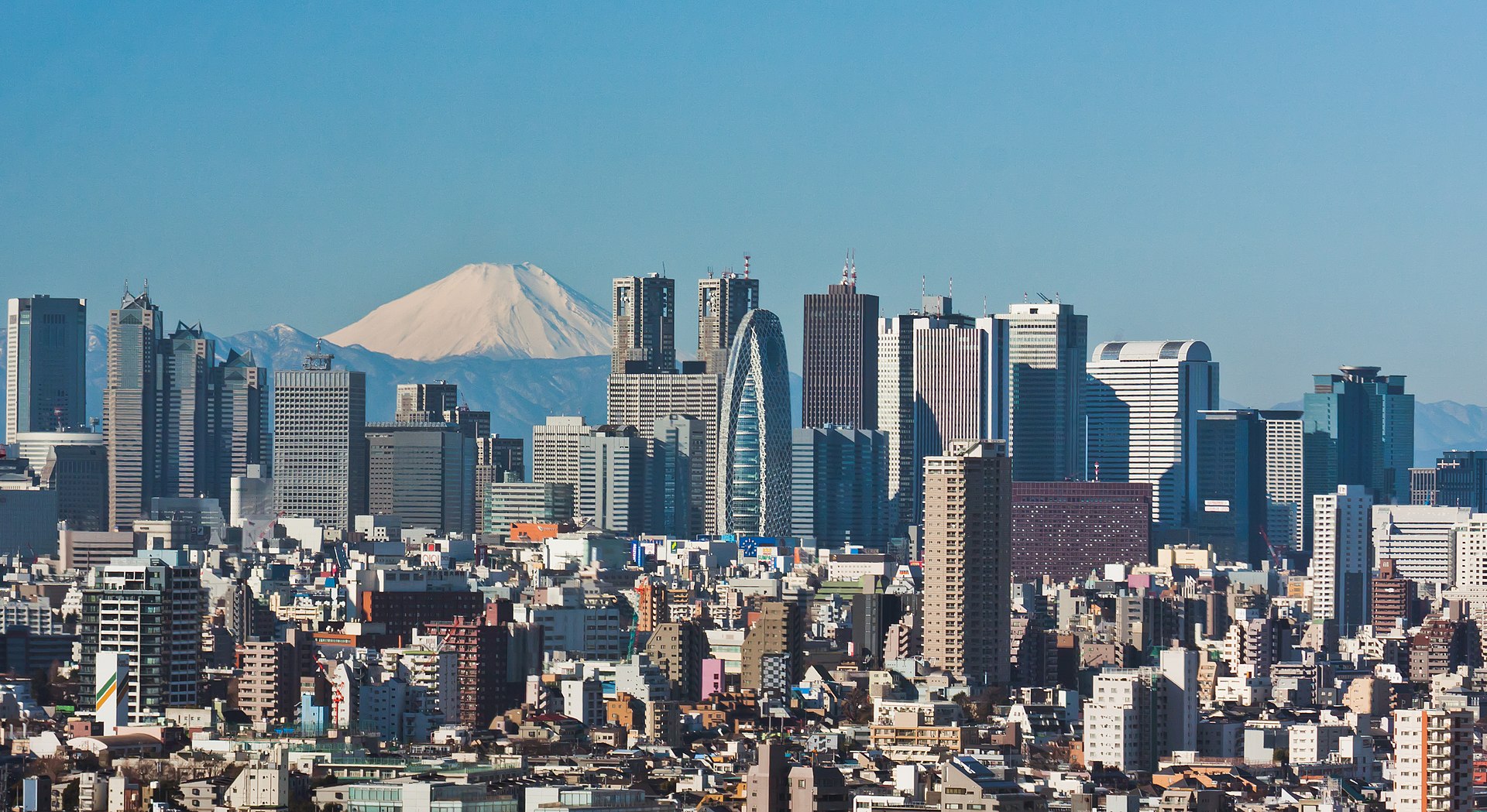
Tokyo is a network of major station districts rather than a single centre. Historic Asakusa and Ueno, commercial Ginza and Marunouchi, and the western hubs of Shinjuku and Shibuya each work as separate sightseeing clusters. Rail makes movement reliable, but large stations and cross-city transfers consume time. A good itinerary stays on one side of the city for half a day and uses the Yamanote loop, subway lines and through-running rail services to connect clusters.

Reviewed by Elena Voss · Roavina Travel Editor

Practical information

Language spoken
Japanese
National practical orientation; regional and minority languages may also be used
Dialling code
+81
International calling code; local area and mobile prefixes still apply
Currency
Japanese yen (JPY)
Use the official local currency; card acceptance varies by place
Emergency number
110 police · 119 fire and ambulance
Use only for an emergency; tourist assistance may use a separate number
Plug type
Type A · 100 V
Check that chargers support the recorded voltage before using an adapter
Tap water
Safe from the mains
JNTO states that tap water is safe to drink

Turn this list into a plan

Set your days, your pace and the hours you actually want to be out. The planner works around closing days and travel time, and leaves room to eat.

Plan Tokyo

Planning a visit

Suggested stay
5-6 days
Getting around
JR, subway and private rail with an IC card
  1. January: viable with meaningful trade-offs
  2. February: viable with meaningful trade-offs
  3. March: good time to visit
  4. April: best time to visit
  5. May: best time to visit
  6. June: good time to visit
  7. July: viable with meaningful trade-offs
  8. August: viable with meaningful trade-offs
  9. September: viable with meaningful trade-offs — current month
  10. October: good time to visit
  11. November: best time to visit
  12. December: viable with meaningful trade-offs
  • Best time
  • Good time
  • Viable with trade-offs
  • Difficult conditions

Sources

Top things to see

Ranked by importance — sitelinks, pageviews and heritage status, not editor preference.

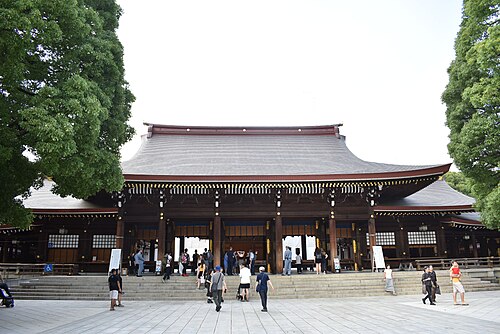
  1. Meiji Jingū Meiji Jingū
    02 30 min

    Meiji Jingū

    明治神宮

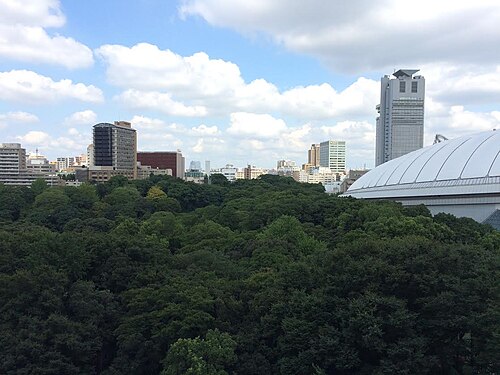
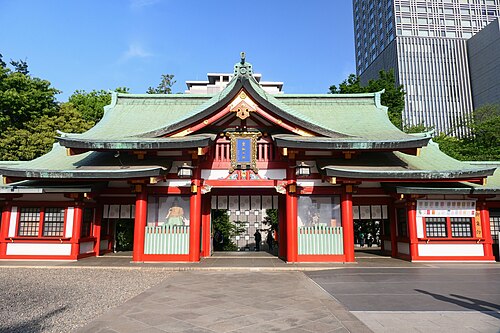
    Meiji Shrine is a Shinto shrine in Tokyo dedicated to the deified spirits of Emperor Meiji and his consort, Empress Shōken. The shrine occupies a large forested area in Shibuya, near Harajuku Station.

    • Must see
    • Place of worship
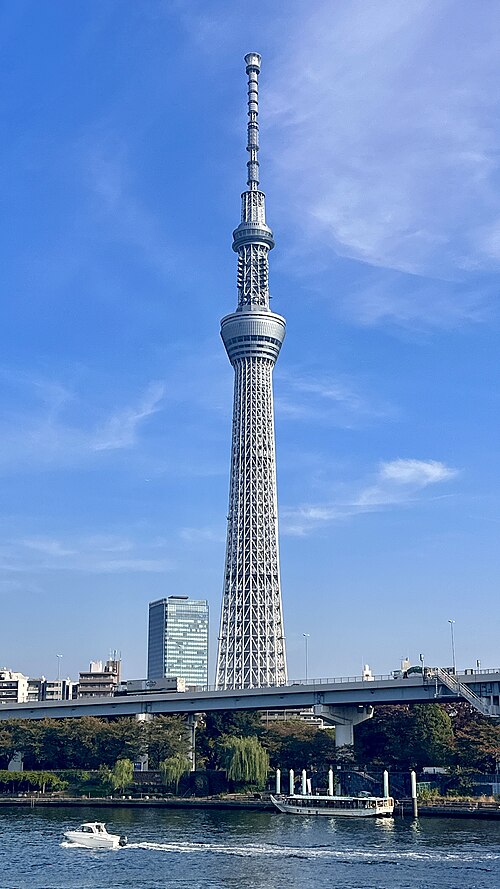
  2. Tokyo Skytree Tokyo Skytree
    03 45 min

    Tokyo Skytree

    東京スカイツリー

    Tokyo Skytree is a broadcasting and observation tower in Sumida, Tokyo. It serves as the primary structure for digital terrestrial television broadcasting in the Kantō region.

    • Must see
    • Historic monument
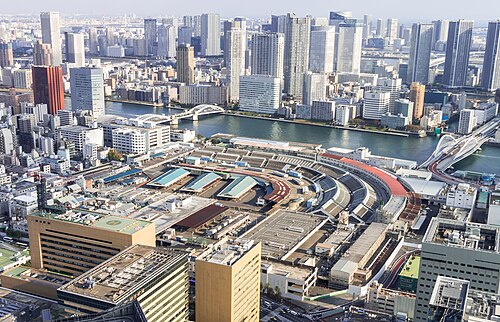
  3. Tsukiji fish market Tsukiji fish market
    04 45 min

    Tsukiji fish market

    築地場外市場

    Tsukiji Outer Market is a public commercial district adjacent to the former site of the Tsukiji wholesale fish market.

    • Must see
    • Market
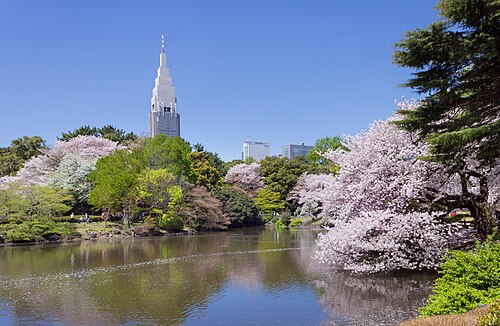
  4. Shinjuku Gyoen Shinjuku Gyoen
    05 1 hour

    Shinjuku Gyoen

    新宿御苑

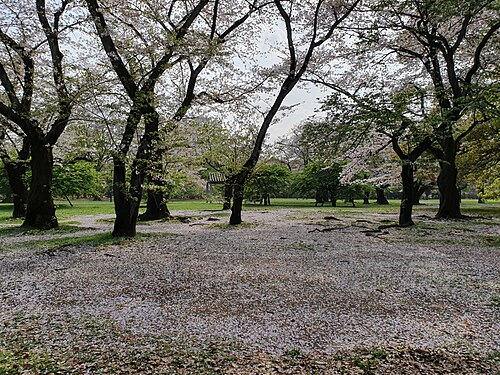
    Shinjuku Gyoen National Garden is a large park and garden in Shinjuku, Tokyo. The local name is 新宿御苑. It occupies a significant area in one of Tokyo's busiest districts.

    • Must see
    • Nature site
  5. Tokyo Tower Tokyo Tower
    06 45 min

    Tokyo Tower

    東京タワー

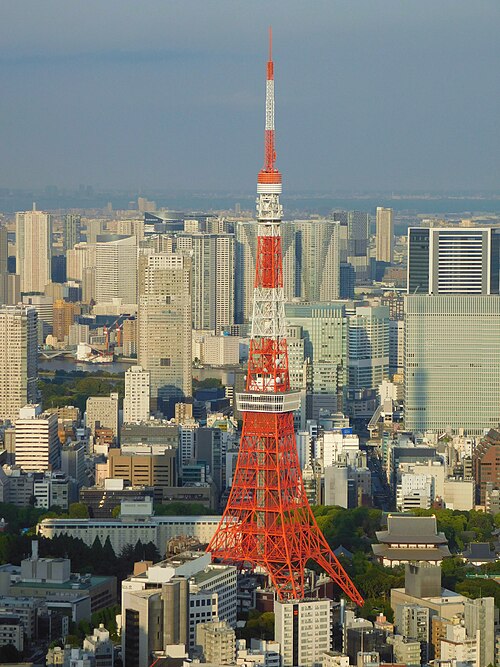
    Tokyo Tower is a communications and observation tower located in the Minato ward of Tokyo. The structure serves as a broadcasting antenna for television and radio signals.

    • Must see
    • Historic monument
  6. Imperial Palace East Gardens Imperial Palace East Gardens
    07 1 hour

    Imperial Palace East Gardens

    皇居東御苑

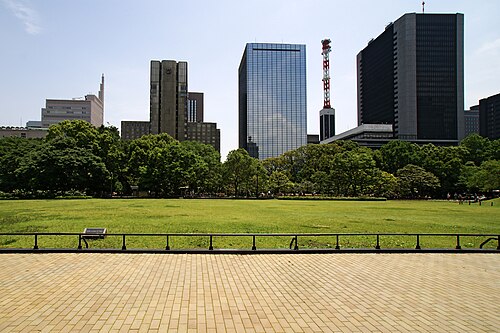
    The Imperial Palace East Gardens form part of the grounds surrounding the Tokyo Imperial Palace, the primary residence of Japan's Imperial Family.

    • Must see
    • Nature site
  7. SHIBUYA SKY SHIBUYA SKY
    08 20 min

    SHIBUYA SKY

    Shibuya Sky

    Shibuya Sky is an observation facility in Shibuya, Tokyo, offering panoramic views of the metropolitan area. Located within the Shibuya Scramble Square complex, the attraction occupies upper floors of a prominent high-rise building.

    • Must see
    • Viewpoint
  8. Ueno Imperial Grant Park Ueno Imperial Grant Park
    09 1 hour

    Ueno Imperial Grant Park

    上野公園

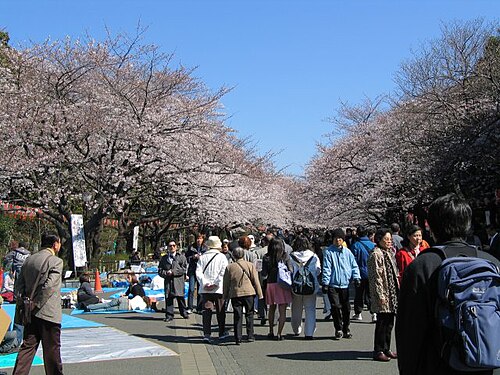
    Ueno Park, known locally as Ueno Onshi Koen, is a major public park in Tokyo. It occupies a significant area in the Taito ward and serves as one of the city's most prominent green spaces.

    • Must see
    • Nature site
  9. Hamarikyu Gardens Hamarikyu Gardens
    10 1 hour

    Hamarikyu Gardens

    浜離宮恩賜庭園

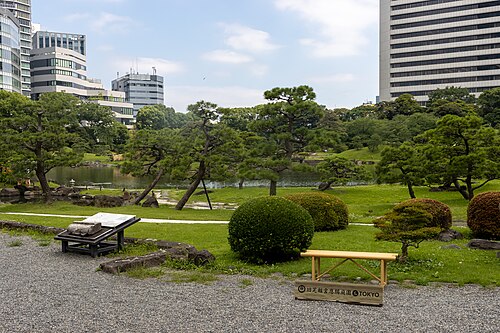
    Hamarikyu Gardens is a public garden in central Tokyo, located at the mouth of the Sumida River where it meets Tokyo Bay.

    • Must see
    • Nature site
  10. Kabuki-za Kabuki-za
    11 1 hour

    Kabuki-za

    歌舞伎座

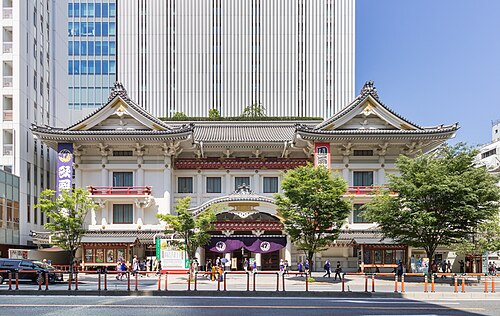
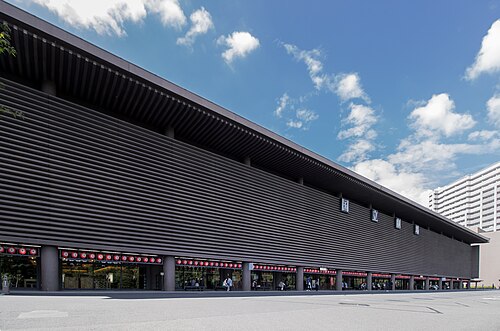
    Kabuki-za is the principal kabuki theatre in Tokyo and the most important venue for this classical Japanese performing art form. Located in the Ginza district, it has served as the cultural heart of kabuki since its original construction in 1889.

    • Must see
    • Art and culture venue
  11. Odaiba Odaiba
    12 45 min

    Odaiba

    お台場

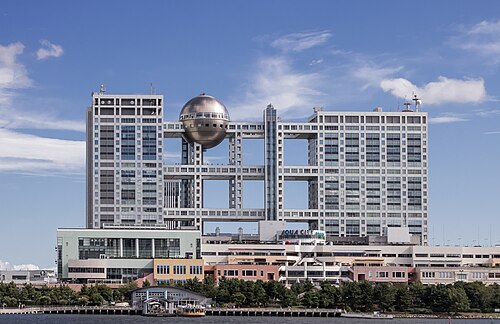
    Odaiba is a large artificial island in Tokyo Bay, originally developed for defensive purposes in the 1850s and later transformed into a major commercial and leisure district during the late 20th century.

    • Must see
    • Historic monument
  12. Rikugi Garden Rikugi Garden
    13 45 min

    Rikugi Garden

    六義園

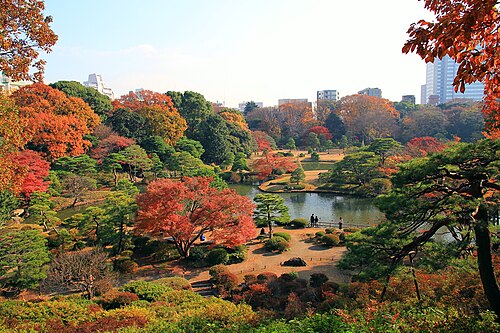
    Rikugien Gardens is a historic Japanese strolling garden in Tokyo’s Bunkyo ward. Known locally as 六義園, it follows the kaiyushiki teien tradition: a walking route organized around a central pond and a sequence of changing viewpoints.

    • Must see
    • Historic monument
  13. Koishikawa Kōrakuen Garden Koishikawa Kōrakuen Garden
    14 1 hour

    Koishikawa Kōrakuen Garden

    小石川後楽園

    Koishikawa Kōrakuen is a historic Japanese garden in Bunkyō Ward, Tokyo. Its local name is 小石川後楽園. The garden is recognized as a Special Historic Site and Special Place of Scenic Beauty by the national government.

    • Must see
    • Nature site
  14. Yoyogi Park Yoyogi Park
    15 1 hour

    Yoyogi Park

    代々木公園

    Yoyogi Park is a large public park in Tokyo’s Shibuya ward, close to Harajuku and Meiji Shrine. Known locally as 代々木公園, it combines broad lawns, wooded areas, walking routes, cycling paths, and water features in a major urban green space.

    • Must see
    • Nature site
  15. Sumida Park Sumida Park
    16 1 hour

    Sumida Park

    隅田公園

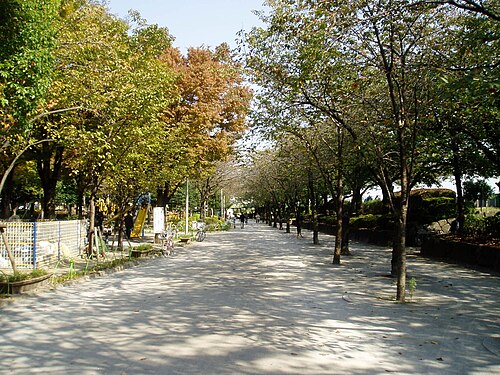
    Sumida Park is a riverside public park along the Sumida River in Tokyo. The park stretches along both banks of the river, with sections in Taito Ward and Sumida Ward.

    • Must see
    • Nature site
  16. Kiyosumi Garden Kiyosumi Garden
    17 1 hour

    Kiyosumi Garden

    清澄庭園

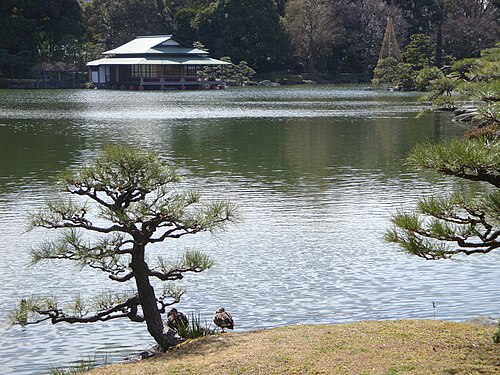
    Kiyosumi Gardens is a traditional Japanese stroll garden in Tokyo’s Fukagawa district. Its design leads visitors around a central pond, where islands, bridges, hills, and carefully positioned stones create changing views at walking level.

    • Must see
    • Nature site
  17. Kyu-Furukawa Gardens Kyu-Furukawa Gardens
    18 1 hour

    Kyu-Furukawa Gardens

    旧古河庭園

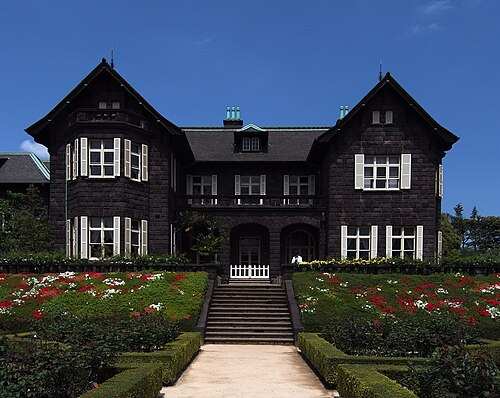
    Kyu-Furukawa Gardens is a historic garden in Tokyo, known locally as 旧古河庭園. The site represents an important example of Japanese landscape design combined with Western architectural influence.

    • Must see
    • Nature site
  18. Hibiya Park Hibiya Park
    19 1 hour

    Hibiya Park

    日比谷公園

    Hibiya Park is a major public green space in central Tokyo, near the Imperial Palace and Ginza. Established on former imperial army grounds, it became Japan’s first Western-style modern park.

    • Must see
    • Nature site
  19. Kabukicho Kabukicho
    20 45 min

    Kabukicho

    歌舞伎町

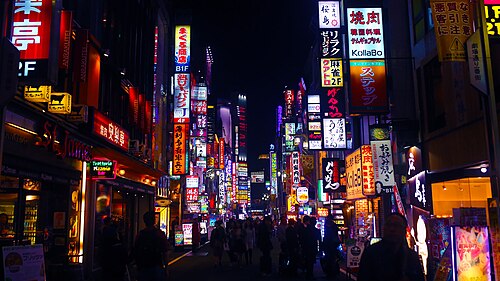
    Kabukichō is Shinjuku’s dense entertainment district, occupying the area northeast of Shinjuku Station. The neighborhood combines restaurants, bars, karaoke, cinemas, pachinko halls, hotels and adult-oriented businesses in a compact grid of bright signs and narrow streets.

    • Must see
    • Historic monument
  20. Yanaka Ginza Yanaka Ginza
    21 45 min

    Yanaka Ginza

    谷中銀座

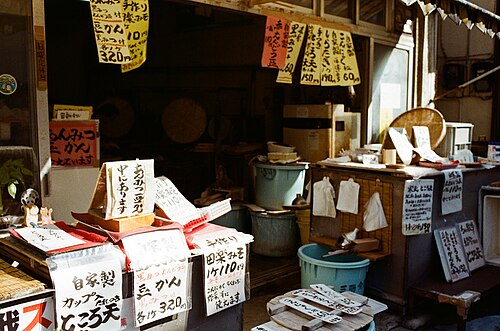
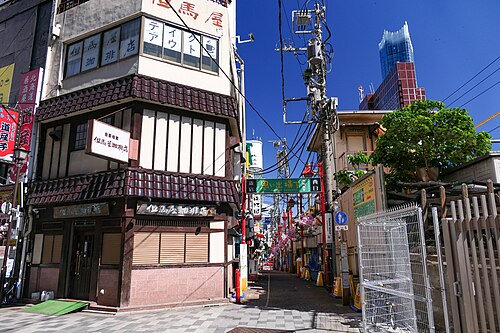
    Yanaka Ginza is a historic shopping street in Tokyo's Yanaka district, part of the traditional shitamachi downtown area.

    • Must see
    • Historic monument
  21. Ameya-Yokochō Ameya-Yokochō
    22 45 min

    Ameya-Yokochō

    アメヤ横丁

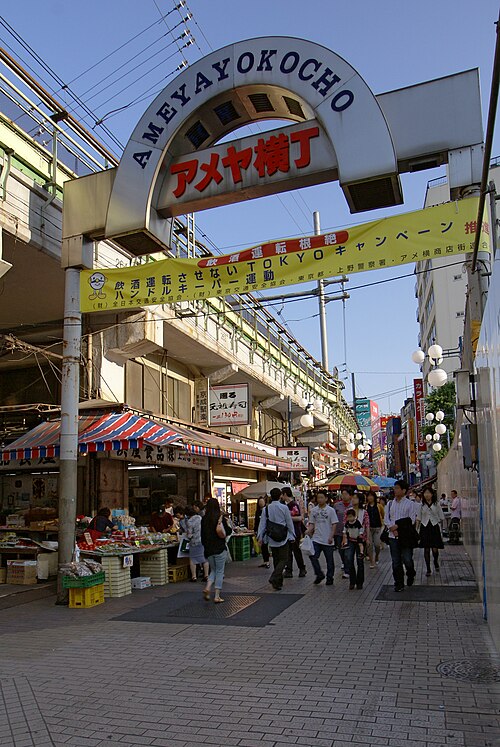
    Ameya-Yokochō, known locally as アメヤ横丁, is an open-air market district situated near Ueno Station in Tokyo. The area occupies space beneath the elevated Yamanote Line tracks and extends across multiple streets and alleys.

    • Must see
    • Market
  22. 日本橋 日本橋
    23 45 min

    日本橋

    Nihonbashi Bridge is a historic bridge in central Tokyo, Japan. The current structure is a reconstruction of the original wooden bridge first built in 1603 during the Edo period.

    • Must see
    • Historic monument
  23. National Theatre of Japan National Theatre of Japan
    24 1 hour

    National Theatre of Japan

    国立劇場

    The National Theatre of Japan is a major performing arts venue in Tokyo dedicated to traditional Japanese theatre forms.

    • Must see
    • Art and culture venue
  24. Tokyo International Forum Tokyo International Forum
    25 45 min

    Tokyo International Forum

    Tokyo International Forum is a major convention and exhibition center in the Marunouchi district near Tokyo Station. The complex comprises multiple halls and exhibition spaces designed for international conferences, trade shows, concerts, and corporate events.

    • Must see
    • Historic monument
  25. Zōjō-ji Temple Zōjō-ji Temple
    26 30 min

    Zōjō-ji Temple

    増上寺

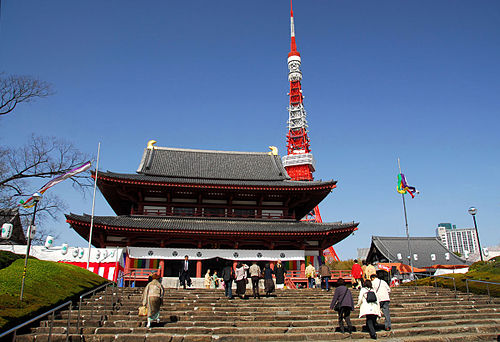
    Zojoji Temple is a Jodo-shu Buddhist temple in Minato, Tokyo. It serves as the main temple of the Jodo-shu Chinzei school of Pure Land Buddhism in the Kanto region.

    • Must see
    • Place of worship
  26. Kanda-myōjin Kanda-myōjin
    27 30 min

    Kanda-myōjin

    神田明神

    Kanda Shrine, also called Kanda Myojin, is an active Shinto shrine in Tokyo. The shrine has served as an important religious site for generations and is associated with protecting Edo, the former name for Tokyo.

    • Must see
    • Place of worship
  27. Nezu Shrine Nezu Shrine
    28 30 min

    Nezu Shrine

    根津神社

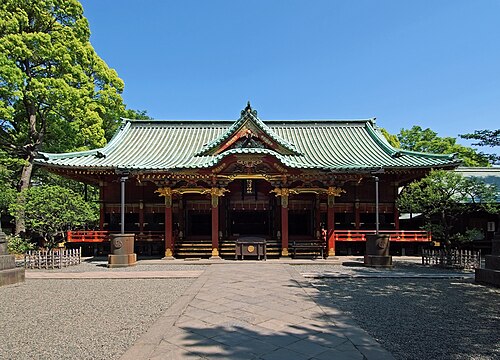
    Nezu Shrine is a historic Shinto shrine in Tokyo’s Bunkyo ward and one of the city’s oldest surviving places of worship. The shrine is especially known for its azalea plantings, traditional architecture, ponds, stone lanterns and vermilion torii gates.

    • Must see
    • Place of worship
  28. Yasukuni Shrine Yasukuni Shrine
    29 30 min

    Yasukuni Shrine

    靖国神社

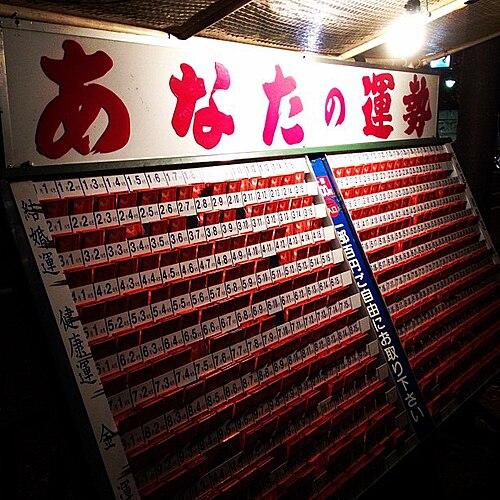
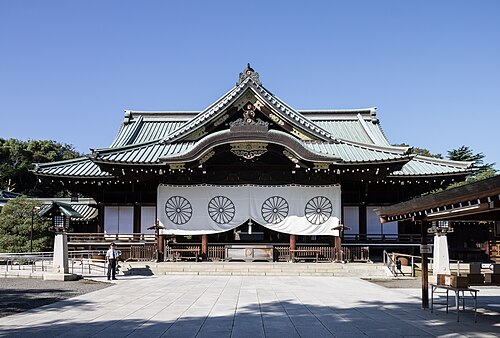
    Yasukuni Shrine is a Shinto shrine in Tokyo, Japan. Its local name is 靖国神社. The shrine holds complex significance in Japanese history and contemporary society.

    • Must see
    • Place of worship
  29. Asakusa Shrine Asakusa Shrine
    30 30 min

    Asakusa Shrine

    浅草神社

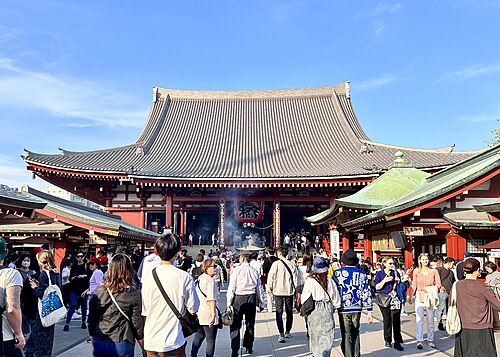
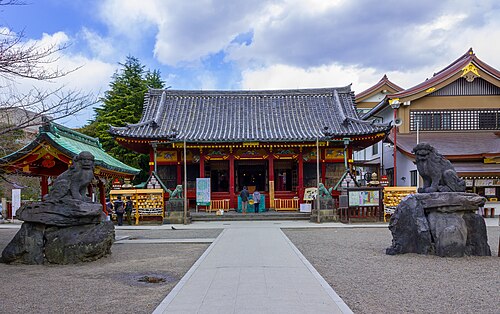
    Asakusa Shrine is a Shinto shrine located in the Asakusa district of Tokyo, Japan. Its local name is 浅草神社. The shrine stands near the famous Senso-ji Temple, forming part of a significant religious and cultural complex in this historic area.

    • Must see
    • Place of worship
  30. Tsukiji Hongan-ji Temple Tsukiji Hongan-ji Temple
    31 30 min

    Tsukiji Hongan-ji Temple

    築地本願寺

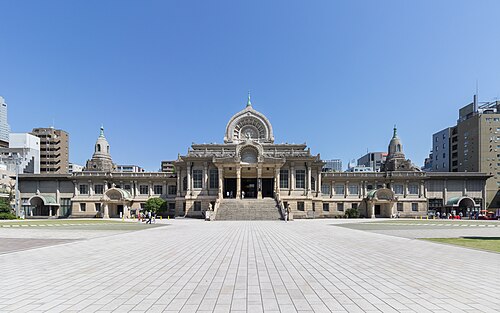
    Tsukiji Hongwanji is a Jodo Shinshu Buddhist temple in Tokyo’s Tsukiji district, close to the former Tsukiji Fish Market site. It serves as the Tokyo headquarters of the Jodo Shinshu Hongwanji-ha denomination.

    • Must see
    • Place of worship
  31. Gōtoku-ji Temple Gōtoku-ji Temple
    32 30 min

    Gōtoku-ji Temple

    豪徳寺

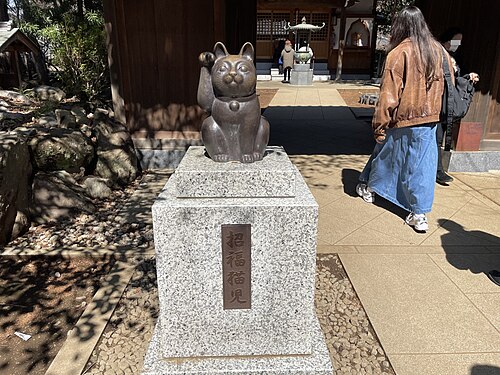
    Gotokuji Temple is a Buddhist temple in Tokyo’s Setagaya ward, known in Japanese as 豪徳寺. It is strongly associated with maneki-neko, the beckoning cat figurines linked with good fortune.

    • Must see
    • Place of worship
  32. Tomioka Hachiman Shrine Tomioka Hachiman Shrine
    33 30 min

    Tomioka Hachiman Shrine

    富岡八幡宮

    Tomioka Hachimangu is a Shinto shrine located in the Fukagawa district of Koto Ward, Tokyo. Founded in 1627, it is one of the most significant Hachiman shrines in the city.

    • High
    • Place of worship
  33. Atago Shrine Atago Shrine
    34 30 min

    Atago Shrine

    愛宕神社

    Atago Shrine is a Shinto shrine located in the Minato ward of Tokyo, Japan. The shrine sits atop Atago Hill, which rises approximately 26 meters above sea level, making it one of the highest natural points in central Tokyo.

    • High
    • Place of worship
  34. Hie Shrine Hie Shrine
    35 30 min

    Hie Shrine

    日枝神社

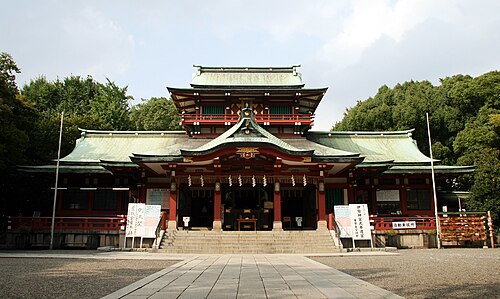
    Hie Shrine is a Shinto shrine located in the Nagatacho district of central Tokyo, near the National Diet Building.

    • High
    • Place of worship
  35. Nakamise Street Nakamise Street
    36 45 min

    Nakamise Street

    仲見世商店街

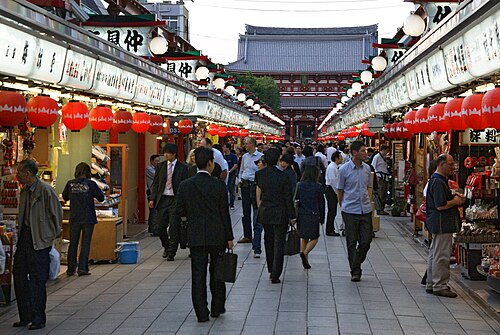
    Nakamise Shopping Street is one of Tokyo's oldest and most visited shopping thoroughfares, stretching approximately 250 meters from Kaminarimon Gate to the second gate of Sensoji Temple in Asakusa.

    • High
    • Historic monument
  36. Kappabashi kitchen street Kappabashi kitchen street
    37 45 min

    Kappabashi kitchen street

    合羽橋

    Kappabashi Kitchen Street, known locally as かっぱ橋道具街, is a specialized commercial district in Tokyo dedicated to restaurant supply and kitchenware. The street stretches approximately 800 meters and hosts numerous shops selling professional-grade cooking equipment, tableware, food replicas, and culinary tools.

    • High
    • Historic monument
  37. Takeshita Street Takeshita Street
    38 45 min

    Takeshita Street

    Takeshita Street is a narrow pedestrian shopping street in Harajuku, running from the area beside Harajuku Station toward the northern end of Omotesando. The street is known for youth fashion, accessories, cosmetics, novelty goods, crepes and quick-service food.

    • High
    • Historic monument
  38. Jimbōchō Book Town Jimbōchō Book Town
    39 45 min

    Jimbōchō Book Town

    神田古書店街

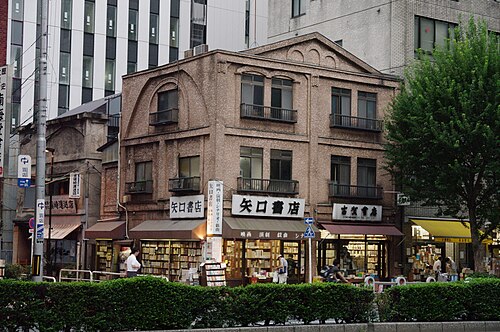
    Jimbocho Book Town, known locally as 神保町古書店街, is a historic district in central Tokyo renowned for its dense concentration of antiquarian bookstores. The area has served as Japan's preeminent center for used and rare books since the early twentieth century.

    • High
    • Historic monument
  39. Toyosu Market Toyosu Market
    40 45 min

    Toyosu Market

    豊洲市場

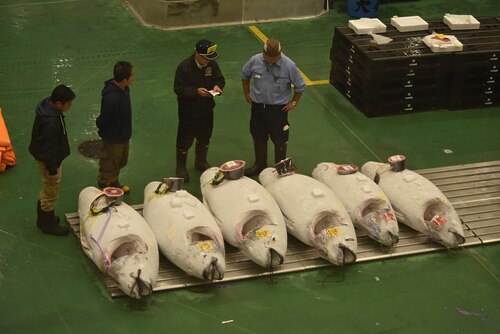
    Toyosu Market is Tokyo's principal wholesale fish and seafood market, successor to the historic Tsukiji Market. The facility relocated to the artificial island of Toyosu in October 2018.

    • High
    • Market
  40. Toyosu Senkyaku Banrai Toyosu Senkyaku Banrai
    41 45 min

    Toyosu Senkyaku Banrai

    豊洲 千客万来

    Toyosu Senkyaku Banrai is a commercial facility in the Toyosu district of Tokyo, developed in connection with the relocation of the historic Tsukiji Market. The name evokes traditional hospitality, suggesting a place welcoming many visitors.

    • High
    • Market
  41. Tokyo Character Street Tokyo Character Street
    42 45 min

    Tokyo Character Street

    Tokyo Character Street is a commercial attraction located in Tokyo Station's Ichibangai shopping area beneath Marunouchi. The destination features shops and displays centered on popular Japanese characters from animation, manga, and related media franchises.

    • High
    • Historic monument
  42. Omoide Yokochō Omoide Yokochō
    43 45 min

    Omoide Yokochō

    思い出横丁

    Omoide Yokocho, whose local name is 思い出横丁, is a narrow alleyway district in Tokyo known for its dense cluster of small eateries and drinking establishments.

    • High
    • Historic monument
  43. Shinjuku Golden Gai Shinjuku Golden Gai
    44 45 min

    Shinjuku Golden Gai

    新宿ゴールデン街

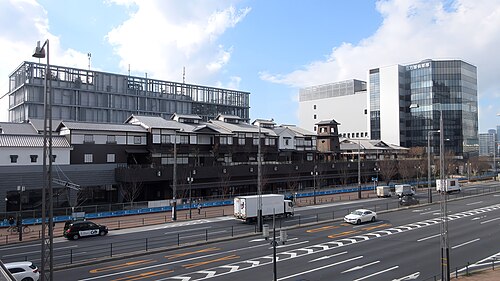
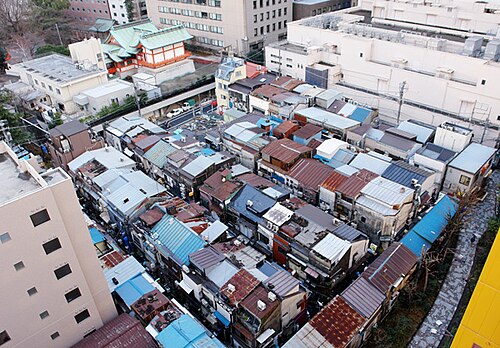
    Golden Gai is a historic nightlife district in Shinjuku, Tokyo, comprising approximately six narrow alleys and over 200 tiny bars. The area developed from a black market district in post-war Japan and retains its Showa-era architectural character.

    • High
    • Historic monument
  44. Meguro River Meguro River
    45 1 hour

    Meguro River

    目黒川

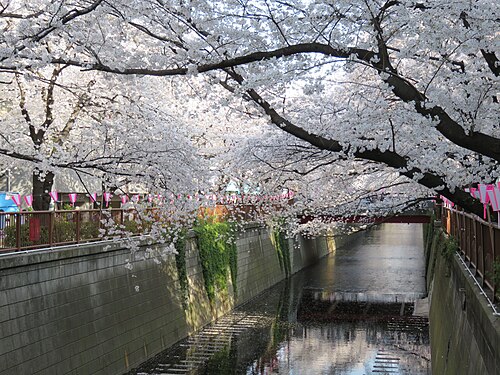
    Meguro River is a canal-like urban waterway running through central Tokyo, stretching approximately eight kilometers from Setagaya Ward through Meguro and Shinagawa wards before reaching Tokyo Bay.

    • Notable
    • Nature site
  45. Sumida River Sumida River
    46 1 hour

    Sumida River

    隅田川

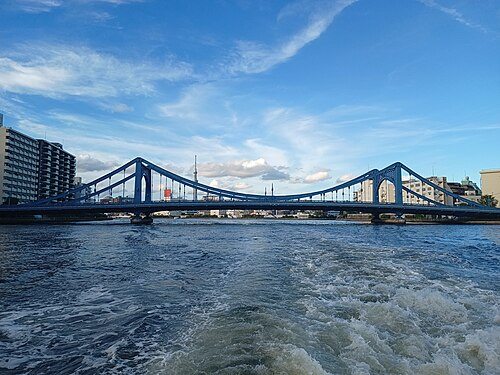
    The Sumida River is a major waterway flowing through eastern Tokyo, connecting the Arakawa River to Tokyo Bay. It has historically defined the city's eastern geography and development.

    • Notable
    • Nature site
  46. Kasai Rinkai Park Kasai Rinkai Park
    47 1 hour

    Kasai Rinkai Park

    葛西臨海公園

    Kasai Rinkai Park is a coastal park located in the Edogawa ward of Tokyo, facing Tokyo Bay. The park was developed on reclaimed land and serves as one of Tokyo's largest public parks dedicated to marine environment appreciation and recreation.

    • Notable
    • Nature site
  47. Ōjima Komatsugawa Park Ōjima Komatsugawa Park
    48 1 hour

    Ōjima Komatsugawa Park

    大島小松川公園

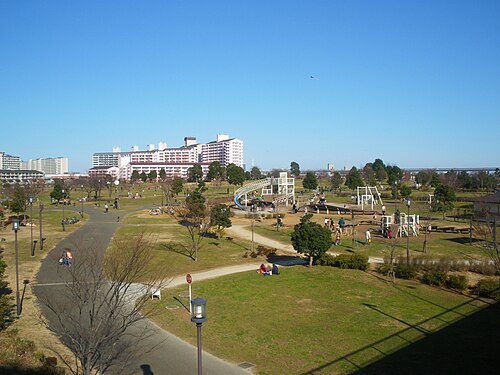
    Ojima Komatsugawa Park is a public green space in Tokyo’s Koto Ward, known locally as 大島小松川公園. The park extends through the Ojima and Komatsugawa neighborhoods beside the Kyu-Yodo River water system.

    • Notable
    • Nature site
  48. Asukayama Park Asukayama Park
    49 1 hour

    Asukayama Park

    飛鳥山公園

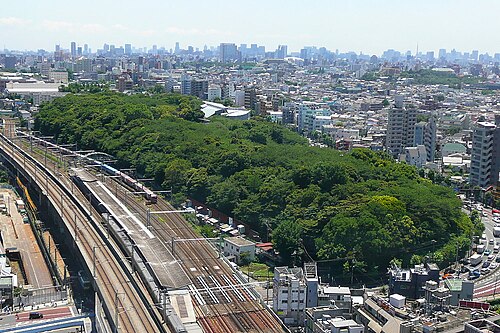
    Asukayama Park is a public park in Kita ward, northern Tokyo, known locally as 飛鳥山公園. It is one of Japan’s oldest parks and was established as a recreational area during the Edo period.

    • Notable
    • Nature site
  49. Kyu Shiba Rikyu Garden Kyu Shiba Rikyu Garden
    50 1 hour

    Kyu Shiba Rikyu Garden

    旧芝離宮恩賜庭園

    Kyu Shiba Rikyu Garden is a historic landscape garden in central Tokyo, originally developed as a feudal lord's residence garden during the Edo period.

    • Notable
    • Nature site
  50. Mukōjima-Hyakkaen Garden Mukōjima-Hyakkaen Garden
    51 1 hour

    Mukōjima-Hyakkaen Garden

    向島百花園

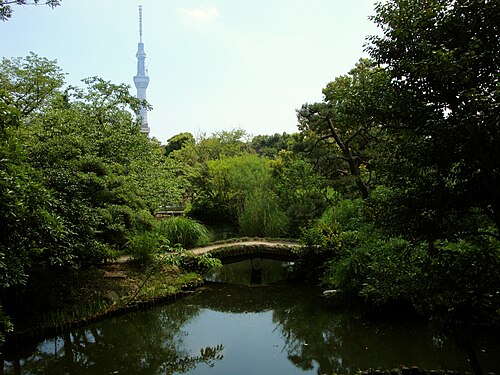
    Mukojima-Hyakkaen Gardens is a historic garden located in the Mukojima area of Tokyo's Sumida Ward.

    • Notable
    • Nature site

Source: OpenStreetMap contributors, Wikidata ·

How the city is laid out

Central Tokyo is easiest to understand as an east-west sequence. Asakusa, Ueno and Yanaka carry much of the older city; Tokyo Station, Marunouchi, Nihonbashi and Ginza form the central business and shopping core; Shibuya, Harajuku and Shinjuku anchor the west. Roppongi and Akasaka sit between those spines, while Odaiba lies across the bay. The wider metropolis extends well beyond the central wards, so Mt Takao, western Tokyo and island destinations belong to separate day plans rather than a central-city route.

Checked 2026-08-26

Getting around

Use rail for nearly every cross-city journey. Tokyo Metro operates nine lines and Toei operates four subway lines, alongside JR and private railways; a rechargeable IC card removes most ticketing friction across operators. The subway alone covers more than 280 stations, but JR passes do not cover Tokyo Metro or Toei services. Trains generally stop around midnight, so late-night plans need a route check. Inside a district, walking is usually faster than making a one-stop transfer through a very large station.

Checked 2026-08-26

Common questions

How many days does Tokyo need?

Five to six days suit a first visit. Four days can cover the main eastern, central and western clusters, while extra days allow slower neighbourhood exploration or a separate trip to western Tokyo.
When is the best time to visit Tokyo?

Spring and autumn usually give the most comfortable walking weather. Peak blossom and foliage periods can be crowded, so the broader March-May and October-November windows are more useful than targeting one forecasted week.

Do visitors need a rail pass inside Tokyo?

Usually not. A rechargeable IC card is simpler because Tokyo journeys may involve JR, Tokyo Metro, Toei and private railways. A JR pass does not cover the two subway operators.

Does Tokyo public transport run all night?

No. The official Tokyo guide notes that last trains are commonly between about 23:30 and 00:30, with first services around 05:00. Check the final connection before a late evening across town.

Which districts should be combined?

Pair Asakusa with Ueno, Marunouchi with Ginza, and Shibuya with Harajuku. Shinjuku can fill its own half day. Grouping nearby station districts reduces transfers through large hubs.