
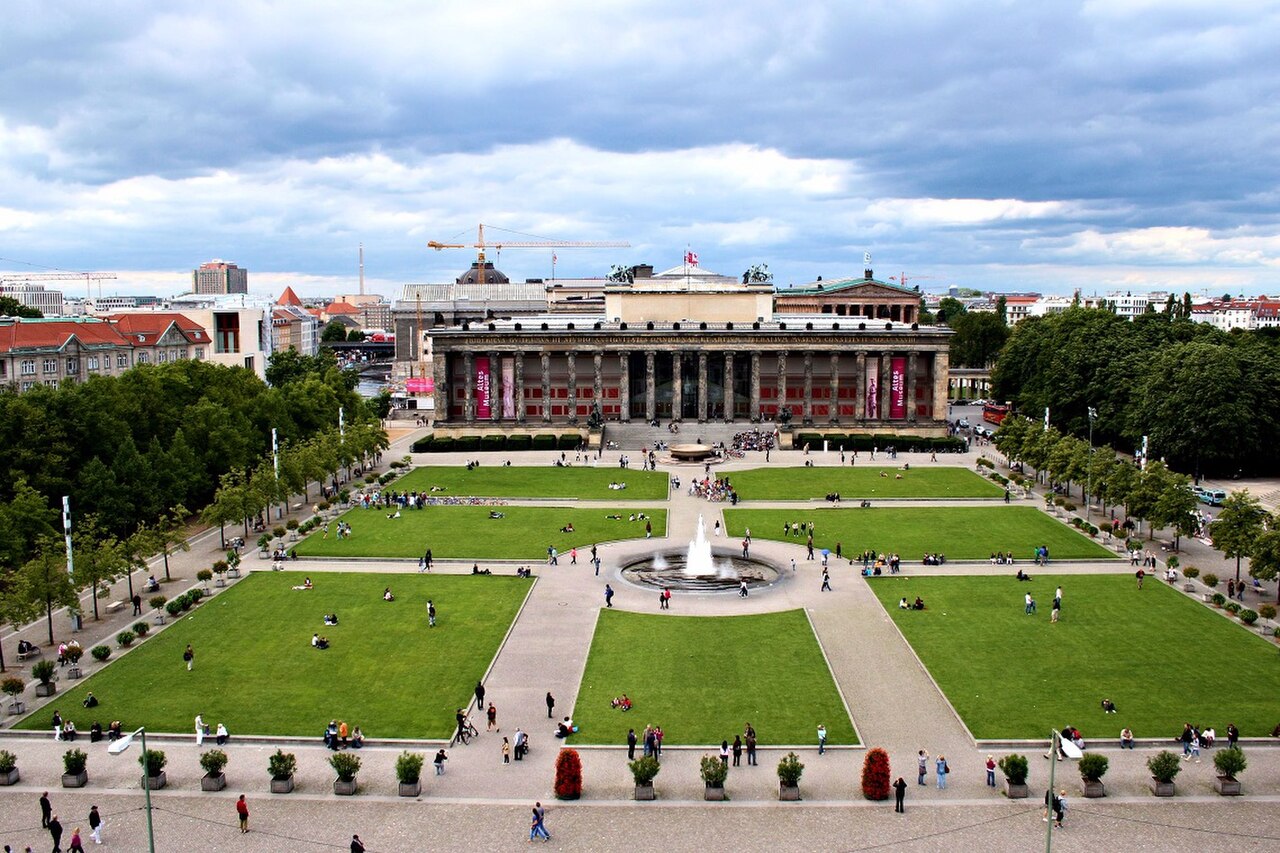
2 min walk
Lustgarten
- Must see · Heritage site
- Nature site
Language · 11 published
Museum · Berlin
Reviewed by Elena Voss · Roavina Travel Editor
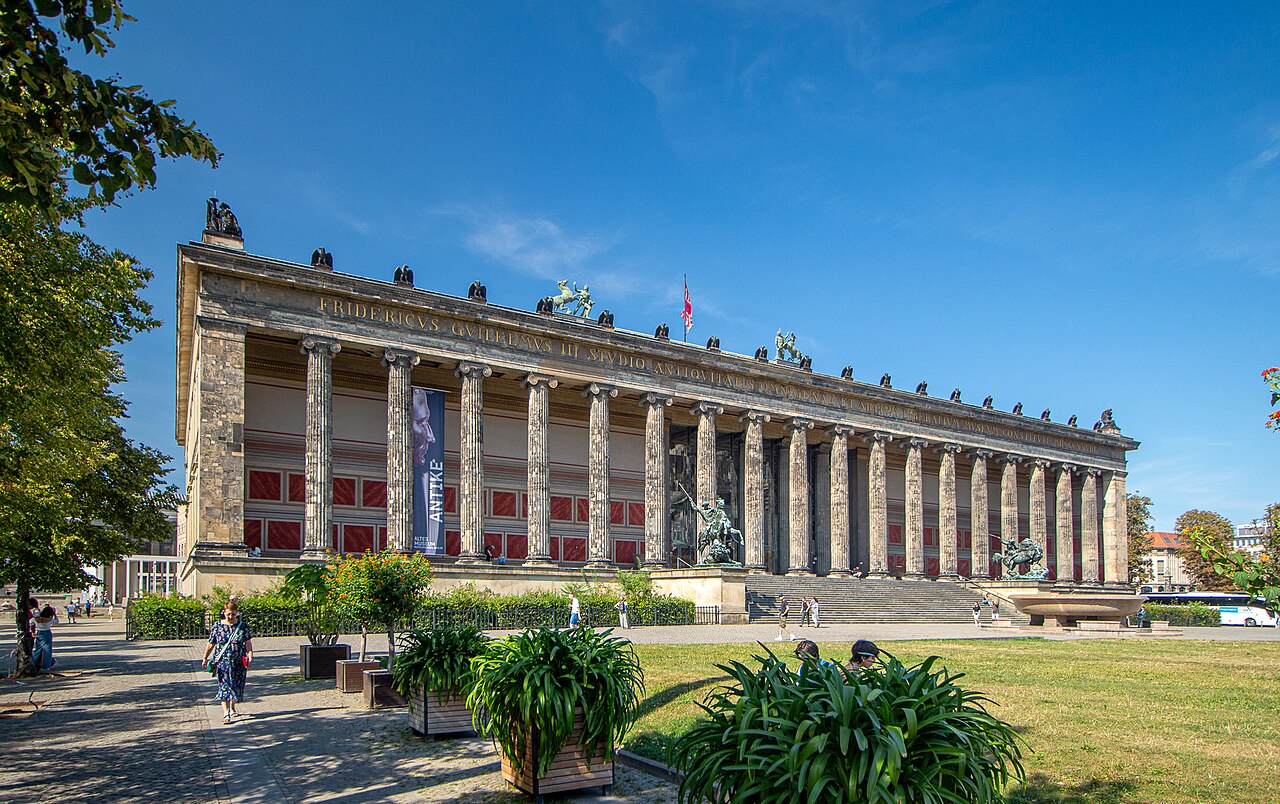
This place is a Museum. It opened in 1830. It was built in the Neoclassical architecture style. It was designed by Karl Friedrich Schinkel. It carries the World Heritage Site heritage designation.
Altes Museum is a neoclassical museum on Berlin’s Museum Island and one of the most important buildings in the city’s historic centre. Karl Friedrich Schinkel designed the building, which opened in 1830 for the Prussian royal collection of classical antiquities. Its long colonnade faces the Lustgarten, while the central rotunda gives the interior a monumental focus. Altes Museum forms part of the Museum Island UNESCO World Heritage Site. The building is especially rewarding for visitors who want to connect ancient Mediterranean art with Berlin’s nineteenth-century architectural ambition.
Checked 2026-08-26 · Source
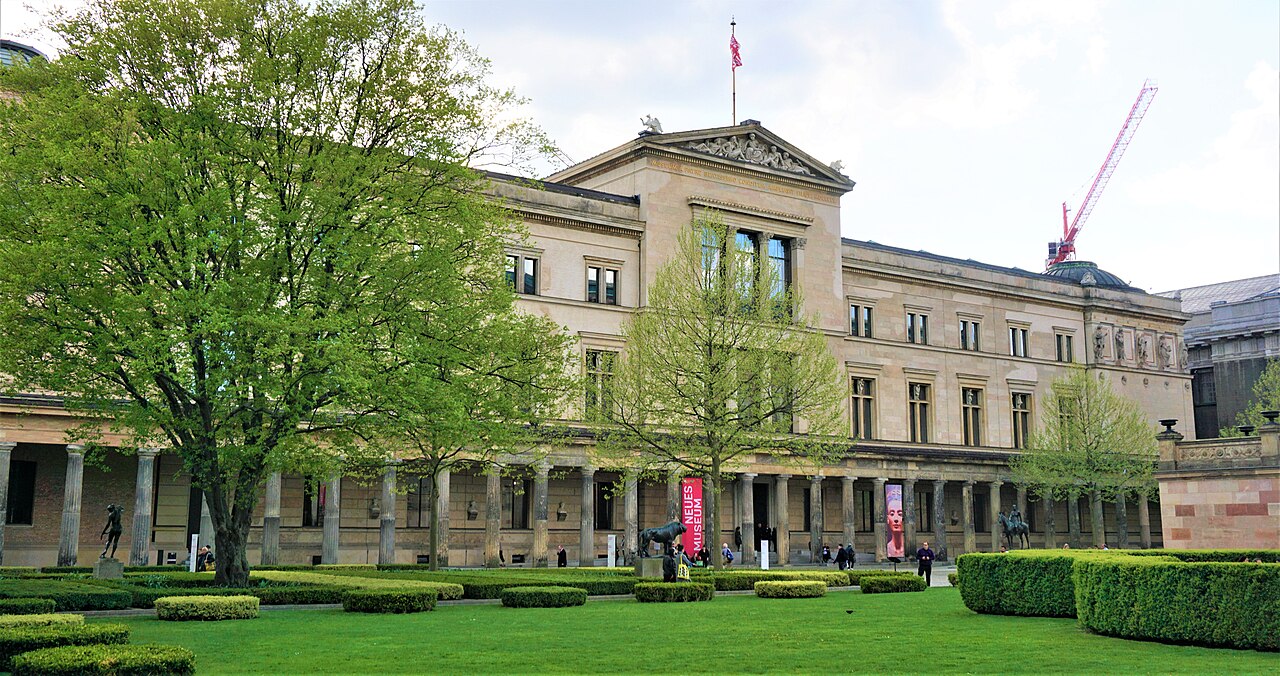
The museum houses the Collection of Classical Antiquities, with Greek, Roman and Etruscan works presented across galleries and monumental rooms. Expect sculpture, painted pottery, jewellery, metalwork and objects that show how artists and craftsmen worked around the ancient Mediterranean. The rotunda provides a memorable architectural pause between the galleries, while the portico and exterior columns establish the museum’s neoclassical character before entry. Altes Museum is different from the nearby Neues Museum, whose collections focus strongly on ancient Egypt and prehistory. A visit therefore works well as part of a deliberate Museum Island sequence.
Checked 2026-08-26 · Source
Allow one to two hours for Altes Museum if you want to see the classical collection without rushing. Visitors with a strong interest in Greek, Roman or Etruscan art can spend longer studying the objects and moving through the building’s rooms. The museum can be paired with another Museum Island institution, but several museums together require most of a day. Leave time outside for the colonnade, Lustgarten and the surrounding riverfront. A focused visit is often more satisfying than trying to cover every gallery at speed, especially when the island is busy.
Checked 2026-08-26 · Source
Weekday mornings can provide a calmer start for viewing the classical galleries, while Museum Island becomes busier during popular travel periods, weekends and public holidays. Summer brings long daylight and pleasant conditions for combining Altes Museum with the Lustgarten and neighbouring museums. Winter usually means colder walks between indoor stops, but the museum offers a strong refuge for a culture-focused day. Plan the museum as one part of a Museum Island route, leaving enough space between institutions for queues, security procedures and the distance across the island.
Checked 2026-08-26 · Source
Entry to Altes Museum is connected to the museum’s current admission arrangements, including combination options for Museum Island when offered. The ticket choice matters if you plan to visit more than one institution, because a multi-museum route may suit a different product from a single-museum visit. Set aside time for the galleries rather than treating the ticket as a quick landmark stop. The museum’s classical collection is the main reason to enter, while the colonnade and rotunda add architectural value to the visit. Keep the selected ticket available at the entrance and follow the museum’s visitor instructions.
Checked 2026-08-26 · Source
Altes Museum stands on Museum Island beside the Lustgarten and the River Spree. Hackescher Markt and Friedrichstraße are useful S-Bahn connections, with U-Bahn, tram and bus routes serving the surrounding centre. Bridges connect Museum Island with the nearby districts, and walking from Unter den Linden is straightforward. Approach from the Lustgarten for the clearest view of Schinkel’s colonnade before entering. Visitors planning several museums should map the sequence on foot because the island’s institutions are close together, yet each entrance and building has its own route through the complex.
Checked 2026-08-26 · Source
Museum Island can be crowded, and narrow gallery areas may slow the route through popular displays. Follow signs about bags, security and photography, and keep a respectful distance from the objects. The historic building includes stairs and thresholds, so the route through the galleries may require attention when moving between levels. Avoid planning an unrealistically tight sequence of museums: entry procedures and walking between buildings take time. The rotunda and colonnade are architectural highlights, but they are part of a working museum environment, so remain within the areas open to visitors and follow staff directions.
Checked 2026-08-26 · Source
The exterior of Altes Museum is especially photogenic from the Lustgarten, where the full colonnade and central entrance can be framed against the open square. The rotunda provides a strong interior architectural subject when photography is permitted. Gallery rules can differ by room or object, so follow the signs and avoid flash where restrictions apply. Keep tripods, selfie sticks and large equipment from obstructing circulation. The best photographs often combine the museum’s columns, the Lustgarten and the surrounding Museum Island buildings, showing why the site is experienced as an ensemble rather than as an isolated façade.
Checked 2026-08-26 · Source
Altes Museum displays the Collection of Classical Antiquities, including Greek, Roman and Etruscan art and objects.
Yes. Altes Museum stands on Berlin’s Museum Island and belongs to the UNESCO World Heritage ensemble there.
No. Altes Museum focuses on classical antiquities; ancient Egyptian collections are associated primarily with the nearby Neues Museum.
Allow about one to two hours for the museum, with more time if classical Greek, Roman or Etruscan art is a major interest.
The central rotunda is the most distinctive interior feature, complementing the long exterior colonnade facing the Lustgarten.
The nearby Neues Museum is the Museum Island institution chiefly associated with ancient Egyptian collections.
Loading the interactive map…
The interactive map could not be loaded.
Last updated:
Source: OpenStreetMap contributors, Wikidata ·