
2 min walk
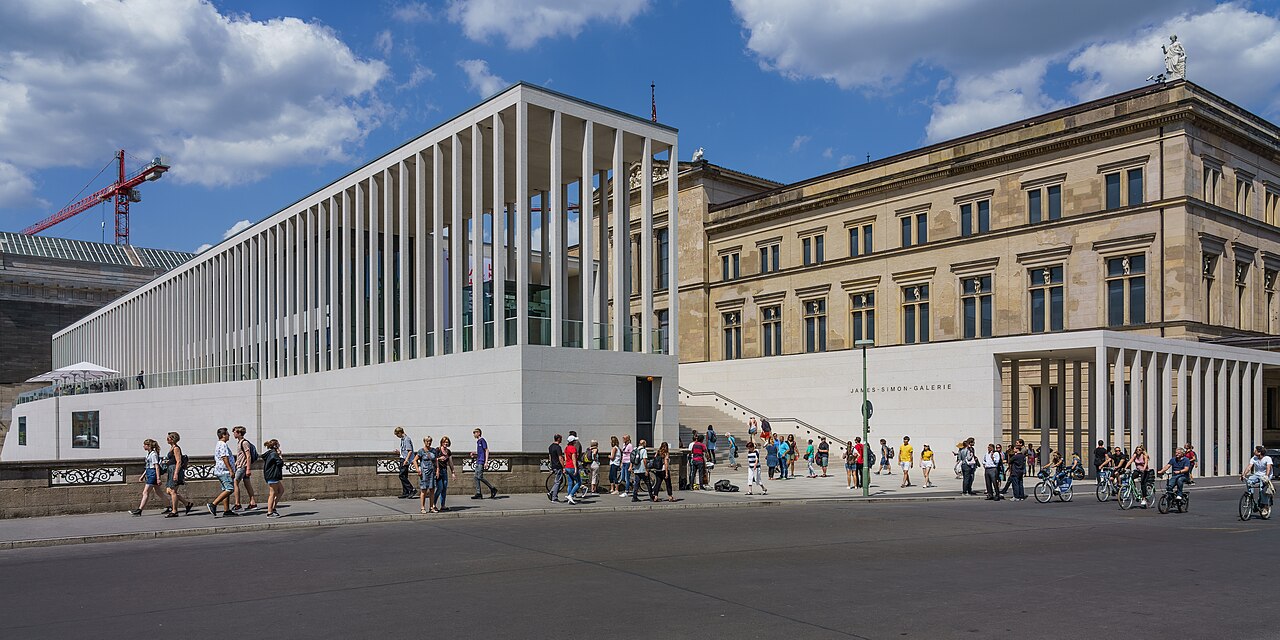
James Simon Gallery
- Must see
- Museum
Language · 11 published
Museum · Berlin
Pergamonmuseum
Closed today, Saturday. The next opening is not recorded — the planner will not place a stop here on a Saturday.
Plan around itReviewed by Elena Voss · Roavina Travel Editor
| Monday | Closed |
|---|---|
| Tuesday | Closed |
| Wednesday | Closed |
| Thursday | Closed |
| Friday | Closed |
| Saturday | Closed |
| Sunday | Closed |
Parsed from OpenStreetMap opening hours on 2026-09-09.
This place is a Museum. It opened in 1910. It was built in the Neoclassical architecture style. It was designed by Alfred Messel. It carries the architectural heritage monument heritage designation.
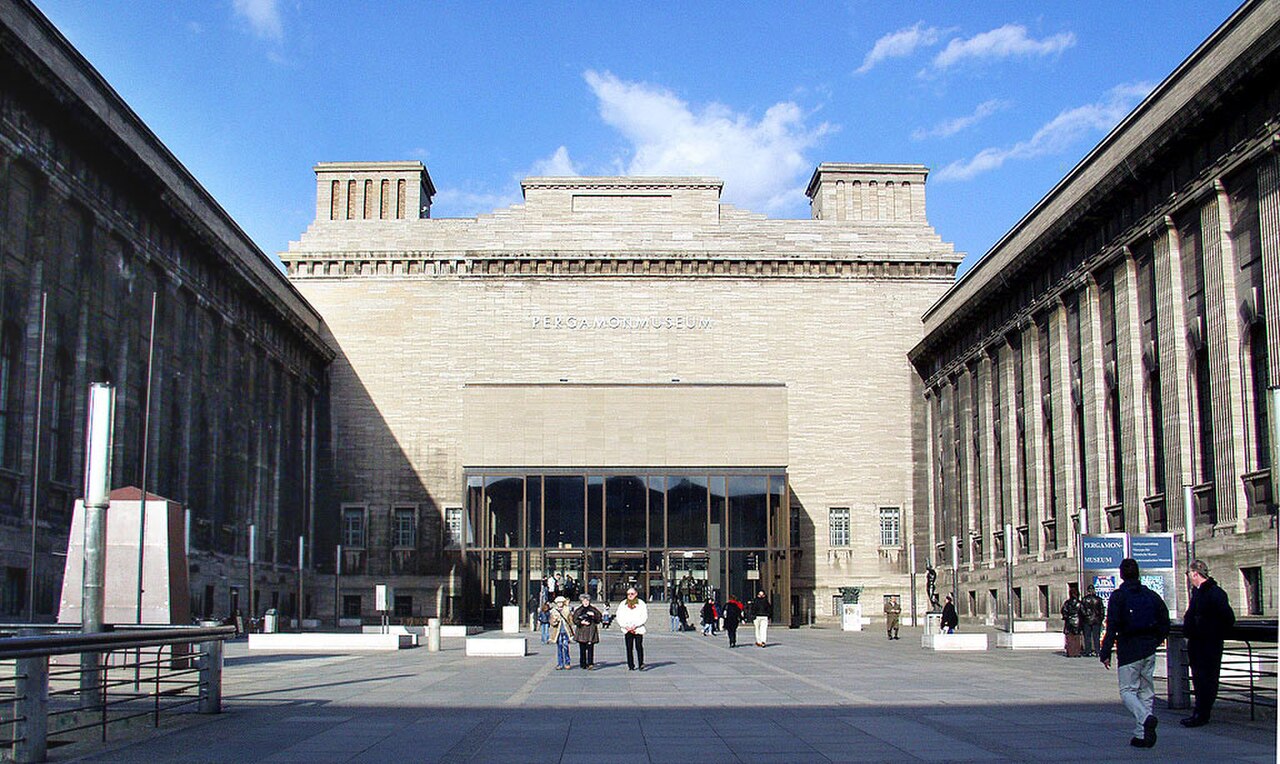
Pergamon Museum, also known locally as Pergamonmuseum, is one of Berlin’s major archaeological museums on Museum Island. Its defining experience is the presentation of monumental ancient architecture reconstructed at an extraordinary scale inside the museum. The building belongs to the Museumsinsel complex, a UNESCO World Heritage site, so a visit connects directly with Berlin’s wider concentration of historic museums. The museum’s subject range includes the ancient Near East, classical antiquity, and Islamic art. Its atmosphere is different from a conventional gallery: instead of moving mainly between small framed objects, you stand before gateways, friezes, facades, and ceremonial architectural elements. The museum has undergone extensive renovation, and access has changed in stages. This makes the currently available parts of the collection important to the shape of any visit. Even with a focused itinerary, the museum rewards attention to scale, surface, and the relationship between individual objects and the buildings they once formed.
Checked 2026-08-26 · Source
The collections bring together ancient Near Eastern, Islamic, and classical antiquities. The best-known highlights include the Pergamon Altar and its sculpted frieze, the Market Gate of Miletus, the Processional Way from Babylon, the Ishtar Gate, and the Mshatta facade. These works are valuable not only because of their age, but because their architectural scale helps visitors imagine how movement, ceremony, and public space worked in the ancient world. The Museum of the Ancient Near East and the Museum of Islamic Art are housed within the same building, creating a broad route through different cultures and periods. The reconstructed interiors can make the museum feel almost like an architectural landscape. Reliefs deserve close viewing: figures, animals, clothing, and decorative patterns reveal details that disappear when seen only from a distance. Renovation has affected the location of particular objects and galleries, so the visit may not include every famous element associated with the museum. Concentrate on the halls that are open and give each major reconstruction time to reveal its details.
Checked 2026-08-26 · Source
Allow several hours if you want to experience the museum’s principal monuments without rushing. The Pergamon Altar frieze alone can hold attention for a substantial part of a visit, especially when you follow the narrative scenes rather than viewing the relief as a single decorative band. The Ishtar Gate and the Processional Way benefit from a slower walk because their glazed brick colours and repeated animal forms create a visual rhythm across a large surface. A shorter visit can still work if you choose one or two highlights and resist trying to cover every collection. Visitors who read labels carefully or compare the ancient and Islamic displays will need more time. The renovation programme also affects the practical shape of the visit: the available route may be more focused than the historic full-museum experience. Build in time to pause, sit when possible, and look back at the architecture from different angles. Museum Island offers other institutions nearby, but combining several museums on one day can make the experience tiring.
Checked 2026-08-26 · Source
Pergamon Museum is an indoor destination suited to cold, rainy, or hot Berlin days. Visitor numbers are generally heavier during the summer season and holiday periods, while an early arrival can make the first galleries calmer when the museum is operating normally. The renovation history is the most important timing consideration because partial closures and staged access have shaped the visitor experience for extended periods. The surrounding Museum Island is also busy with visitors moving between several institutions, so the district can feel crowded even when one interior gallery is manageable. A weekday morning suits travellers who want more space around the monumental displays. Clear weather is useful for the walk across central Berlin, but it does not determine the museum experience itself. Pairing the visit with Berlin Cathedral, the other Museum Island buildings, or a walk toward Unter den Linden creates a coherent central itinerary. Leave enough flexibility for the open route and the parts of the collection available on the day.
Checked 2026-08-26 · Source
The museum has participated in the Museumsinsel combined-ticket system when its normal operation allowed that arrangement. Renovation phases have changed which ticket products and visitor routes apply, so admission planning belongs alongside the current access arrangement. A combined Museum Island visit can be worthwhile for travellers who want several institutions in the same historic district, while a focused ticket is more suitable for visitors primarily interested in monumental archaeology. Online reservations have been used by Berlin museums and may influence entry planning, particularly when demand is high. The central location makes it easy to continue on foot after the visit, but the museum itself deserves enough time that adding too many institutions can reduce the experience to a hurried sequence. The main value lies in seeing architectural reconstructions at close range: the Pergamon Altar, Market Gate of Miletus, Ishtar Gate, Processional Way, and Mshatta facade are not interchangeable highlights. Plan around the displays that matter most to you and treat the available route as the day’s central cultural stop.
Checked 2026-08-26 · Source
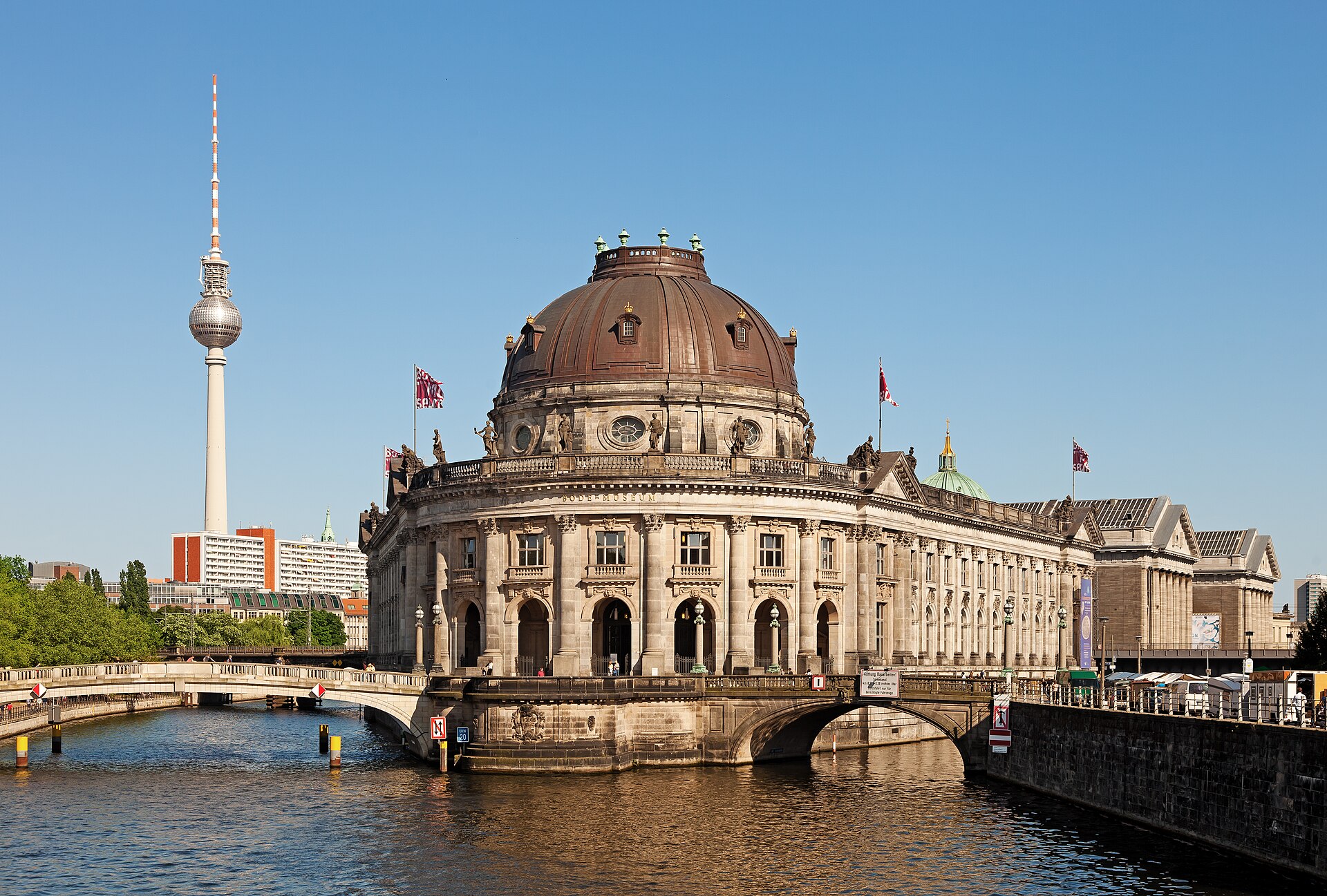
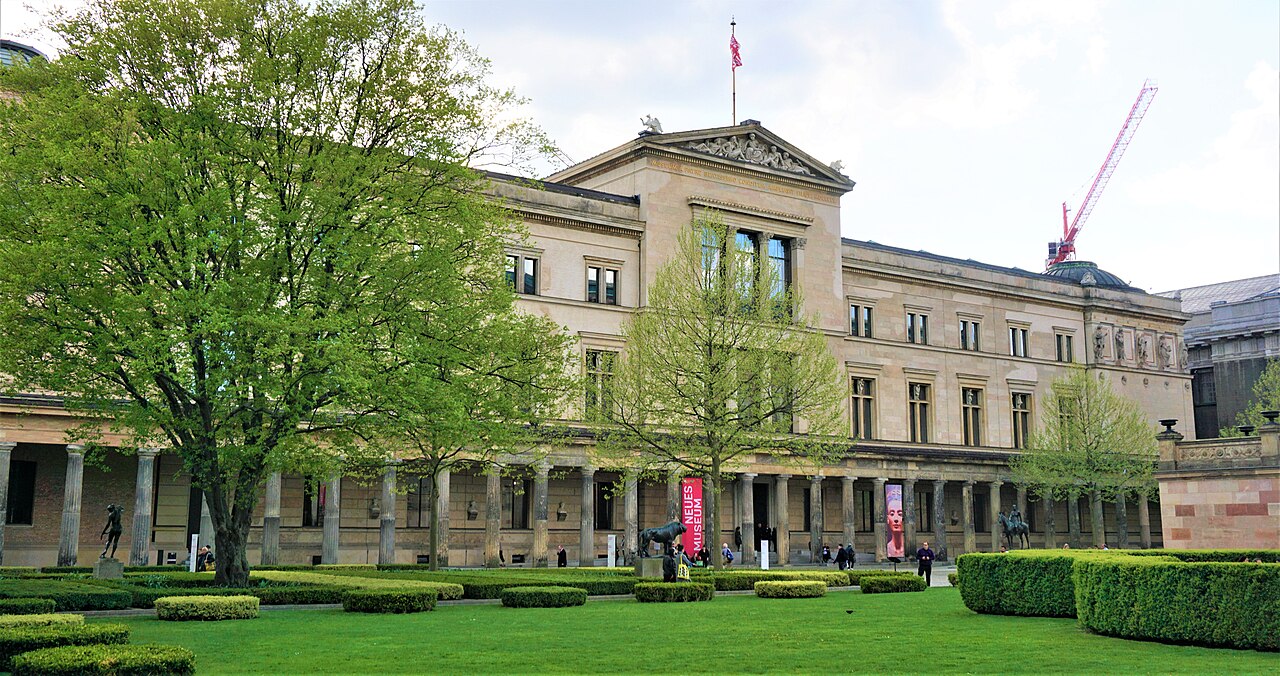
Pergamon Museum stands on Museum Island in central Berlin, within walking distance of several major landmarks. Friedrichstrasse and Hackescher Markt are useful nearby rail connections, and the island is linked to the surrounding centre by bridges and well-used pedestrian routes. From Alexanderplatz, the walk takes visitors through one of central Berlin’s busiest historic areas. Unter den Linden is also within reach, making the museum easy to combine with a broader city-centre route. Trams and buses serve the surrounding streets, while the Spree provides a clear geographical reference as you approach the island. Public transport is more practical than planning around central-city parking. Cyclists can follow routes beside the river and through the central district. Once on Museum Island, allow a little time to orient yourself among the five museums and their entrances. The setting itself is part of the visit: the river, bridges, cathedral, colonnades, and museum facades create a strong transition from ordinary city streets to Berlin’s monumental cultural quarter.
Checked 2026-08-26 · Source
Renovation is the central practical issue. The full historic collection has not always been available, and a famous object associated with the museum may be outside the visitor route during a particular phase. The building is large, monumental, and organised across different levels, so visitors with limited mobility may find stairs or long internal routes demanding. Crowds gather around the most recognisable reconstructions, especially when the Ishtar Gate or another major architectural highlight is accessible. Give other visitors room and move beyond the first viewing position when you can; reliefs often become more legible from several distances. Interior conditions can vary between historic spaces and renovated areas, so comfortable shoes and a measured pace help. The museum’s subject matter includes ancient power, warfare, religion, and imperial display, all of which reward context rather than a quick photograph. The connection with the 1936 Pergamon excavations and the history of collecting also gives the museum a complicated cultural background worth keeping in mind while viewing the monuments.
Checked 2026-08-26 · Source
The monumental displays offer strong photographic subjects because they combine scale, repeated patterns, carved surfaces, and saturated glazed brick. The Ishtar Gate’s animal reliefs work well in close detail, while the Processional Way rewards compositions that show repetition and depth. The Pergamon Altar frieze is better approached as a sequence of scenes than as a single flat image. Interior light may be subdued around some objects, and visitors standing close to the architecture can easily block one another’s view. Move patiently, avoid using a flash unless signage clearly permits it, and keep equipment from touching historic surfaces. The architecture also creates opportunities for photographs that include the surrounding hall rather than isolating one detail. Museum Island provides additional exterior compositions before or after entry, especially around the river, cathedral, bridges, and monumental facades. The most memorable images usually come from noticing a small carved figure, animal, or decorative pattern within the larger reconstruction.
Checked 2026-08-26 · Source
The museum is associated with the Pergamon Altar, the Market Gate of Miletus, the Processional Way from Babylon, the Ishtar Gate, and the Mshatta facade.
Its collections cover ancient Near Eastern, classical, and Islamic antiquities, including the Museum of the Ancient Near East and the Museum of Islamic Art.
Pergamon Museum is on Museum Island in central Berlin, near Berlin Cathedral, the Spree, Friedrichstrasse, and Hackescher Markt.
Several hours suit a thorough visit, while a shorter visit can focus on one or two monumental highlights and selected reliefs.
Walk slowly along the relief, following its narrative scenes and viewing the figures from more than one distance rather than treating it as a single decorative surface.
Yes. Its Museum Island setting makes it easy to combine with Berlin Cathedral, nearby museums, Unter den Linden, Alexanderplatz, and a walk beside the Spree.
Loading the interactive map…
The interactive map could not be loaded.
Last updated:
Source: OpenStreetMap contributors, Wikidata ·