
1 min walk
St Mungo Museum of Religious Life and Art
- Must see
- Museum
Language · 11 published
Museum · Glasgow
Reviewed by Elena Voss · Roavina Travel Editor

| Monday | 10:00 – 17:00 |
|---|---|
| Tuesday | 10:00 – 17:00 |
| Wednesday | 10:00 – 17:00 |
| Thursday | 10:00 – 17:00 |
| Friday | 11:00 – 17:00 |
| Saturday | 10:00 – 17:00 |
| Sunday | 11:00 – 17:00 |
Checked 2026-08-31 · Source
Read from the OpenStreetMap access tags; anything not listed has no tag recorded.
Set the group type to family in the planner and the day window contracts to about three quarters of a solo day.
This place is a Museum. It was established in 1471. It was designed by William Bryson. It carries the category A listed building heritage designation.
Provand's Lordship stands as Glasgow's oldest surviving house, a rare medieval building in a city transformed by Victorian and modern development. Built in 1471, it offers tangible connection to pre-industrial Glasgow before the tobacco trade and shipyards reshaped the urban landscape. The stone structure survived centuries of change while surrounding medieval fabric disappeared. Today it operates as a heritage property presenting domestic life from a distant era. Monday–Thursday 10:00–17:00; Friday 11:00–17:00; Saturday 10:00–17:00; Sunday 11:00–17:00. Open every day; there is no regular weekly closure day. Free entry; donations are welcome.
Checked 2026-08-31 · Source
The interior contains period furnishings and domestic objects illustrating how inhabitants lived during the medieval and early modern periods. Rooms display furniture, textiles, and household items that suggest daily routines of past residents. The arrangement emphasises historical domesticity rather than grand public life. Kitchen spaces, living quarters, and functional areas demonstrate practical aspects of survival in earlier centuries. Some religious associations connect to the building's origins as part of Glasgow's ecclesiastical establishment. Open every day; there is no regular weekly closure day. Free entry; donations are welcome.
Checked 2026-08-31 · Source
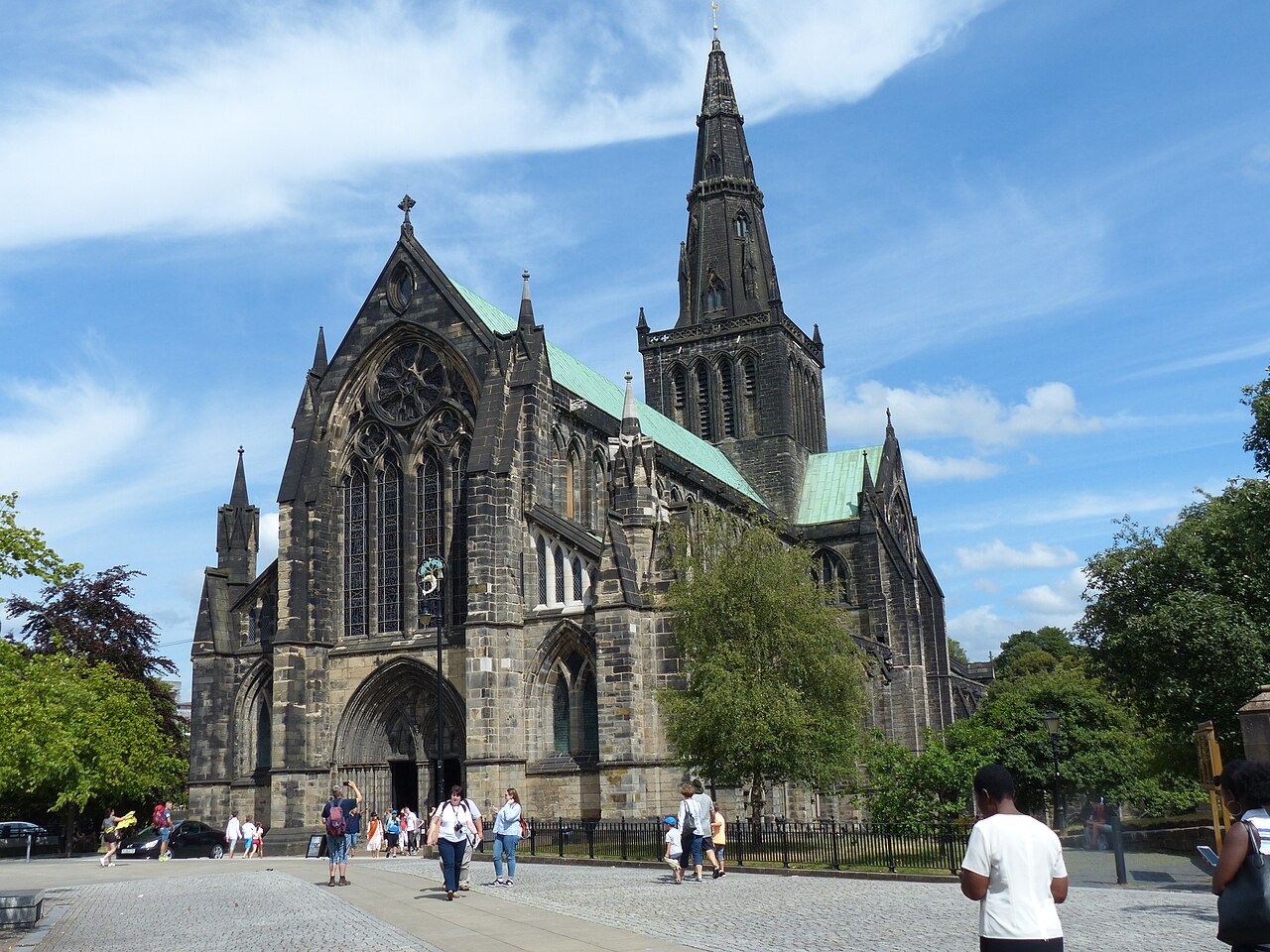
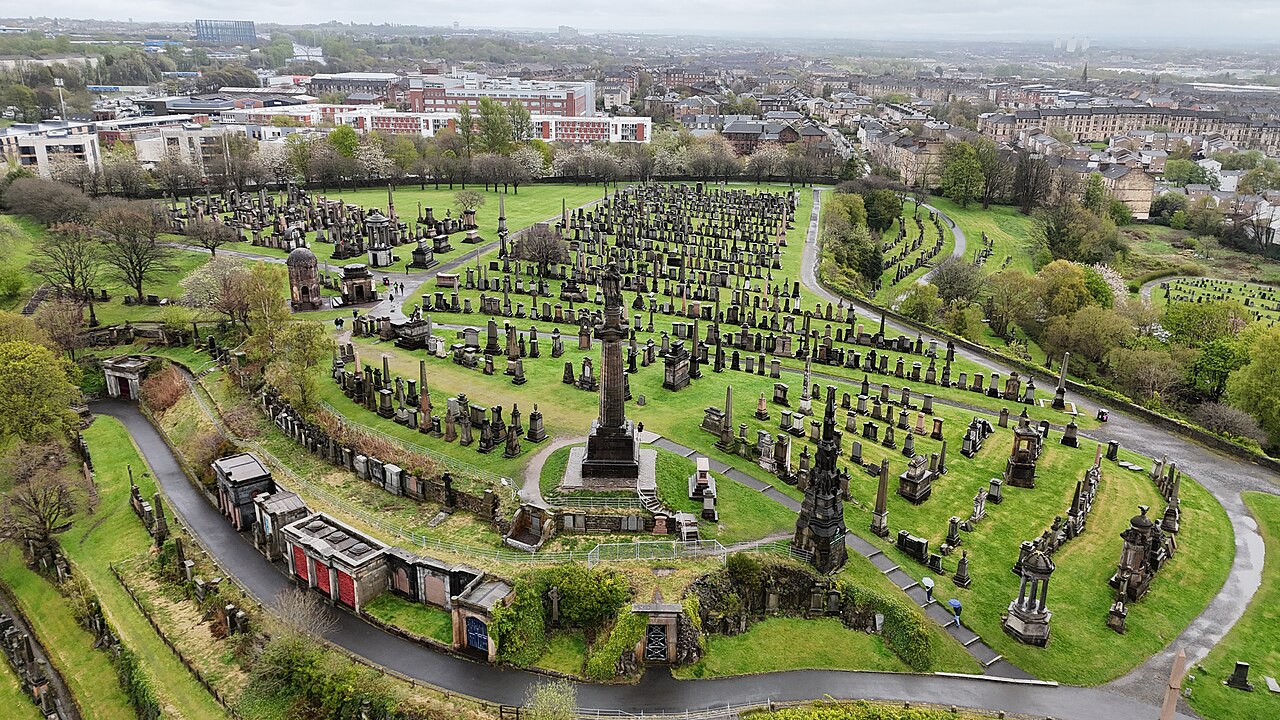
Most visitors complete exploration within forty-five to sixty minutes depending on reading engagement and photography interest. The compact scale suits those seeking meaningful historical encounter without extensive time commitment. Brief visits remain rewarding for architectural appreciation alone, while deeper examination of furnishings and room interpretations extends duration. Combination with nearby Glasgow Cathedral and Necropolis creates fuller morning or afternoon itinerary in this historically significant district. The manageable size particularly benefits families with limited attention spans or travellers scheduling multiple attractions. Free entry; donations are welcome.
Checked 2026-08-31 · Source
Glasgow's maritime climate brings unpredictable conditions year-round; interior spaces provide shelter during rainfall regardless of season. Summer months typically attract greater visitor numbers to Glasgow generally, potentially affecting queue times at small properties with limited capacity. Morning visits may offer quieter experience before tour groups and casual visitors arrive. Monday–Thursday 10:00–17:00; Friday 11:00–17:00; Saturday 10:00–17:00; Sunday 11:00–17:00. The museum is at 3 Castle Street, Glasgow G4 0RB. It is about a 10-minute walk from High Street railway station. First Bus services 19, 19A, 38, 57 and 57A stop nearby. Pay-and-display parking and free disabled parking are available in the Castle Street car park.
Checked 2026-08-31 · Source
Many Glasgow heritage properties participate in city-wide or national museum admission schemes, though independent operation may apply here. Free entry is common for council-run Glasgow museums, while trust-administered properties sometimes charge modest fees. Group rates, concession categories, and family tickets typically exist where admission applies. Donation requests may supplement or replace fixed pricing. Free entry; donations are welcome. Wheelchair access is limited to the ground floor. The accessible route follows a gradual ramp around St Nicholas Garden and enters through a historic door. Visitors requiring the accessible door should call 0141 276 1625; staff at the museum opposite will open it and assist.
Checked 2026-08-31 · Source
Provand's Lordship sits near Glasgow Cathedral in the city's historic east end, accessible on foot from central Glasgow for moderately mobile visitors. The walk involves some elevation change through streets of historical character. Public bus routes serve surrounding areas with stops requiring short walking distance. The museum is at 3 Castle Street, Glasgow G4 0RB. It is about a 10-minute walk from High Street railway station. First Bus services 19, 19A, 38, 57 and 57A stop nearby. Pay-and-display parking and free disabled parking are available in the Castle Street car park.
Checked 2026-08-31 · Source
The medieval building presents genuine historical fabric with uneven floors, narrow doorways, and steep staircases that challenge modern accessibility expectations. Original construction predates contemporary safety standards and disability access regulations. Low ceilings and confined spaces may discomfort taller visitors or those with mobility limitations. Lighting levels remain subdued to protect sensitive materials and preserve atmosphere. Wheelchair access is limited to the ground floor. Visitors requiring the accessible door should call 0141 276 1625; staff at the museum opposite will open it and assist. There is no lift to the first or second floor; two ground-floor audiovisual displays show some of the upper rooms.
Checked 2026-08-31 · Source
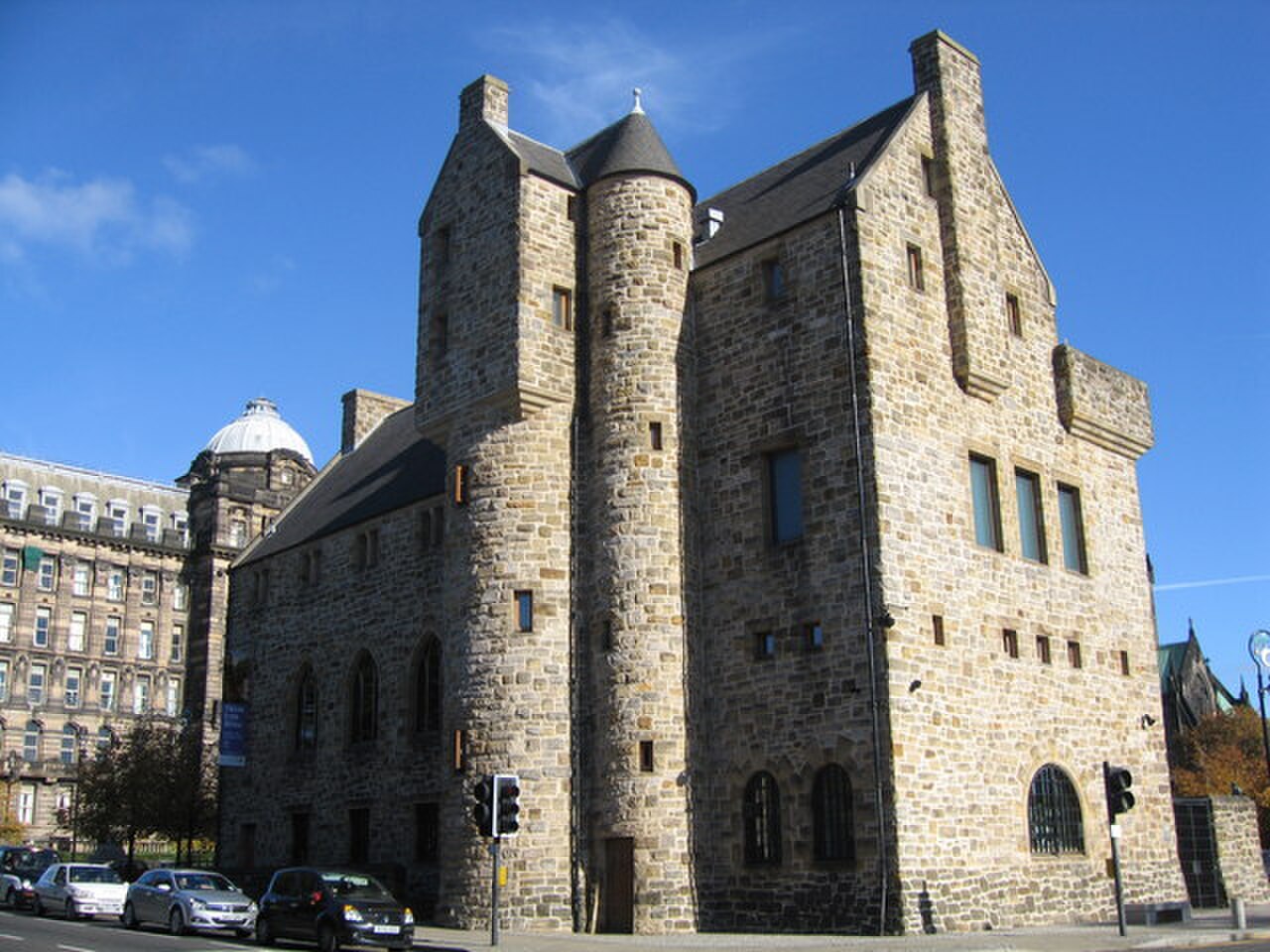
Natural lighting through small medieval windows creates challenging exposure conditions without flash, which may be prohibited for conservation reasons. Exterior photography faces no apparent restrictions, with the distinctive stone gable offering strong architectural composition against sky or surrounding greenery. The contrast between ancient structure and modern city backdrop provides contextual documentation opportunity. Respect for other visitors' experience should guide all photographic behaviour in this intimate historical setting. There is no lift to the first or second floor; two ground-floor audiovisual displays show some of the upper rooms. St Nicholas Garden has cobbles in the centre and a smooth surface around its edge.
Checked 2026-08-31 · Source
It was built in 1471 and is Glasgow's oldest house.
It is one of only four surviving medieval buildings in Glasgow.
Displays include 17th-century historic furniture, royal portraits and material about the building and its surrounding area.
Provand's Lordship has previously served as a shop, a pub and a family home.
St Nicholas Garden is behind the house and contains stone sculptures known as the Tontine Heads.
Toilets are across Castle Street inside St Mungo Museum of Religious Life and Art, which is free to enter.
Loading the interactive map…
The interactive map could not be loaded.
Last updated:
Source: OpenStreetMap contributors, Wikidata ·