

1 min walk
Provand's Lordship
- Must see · Heritage site
- Museum
Museum · Glasgow
St Mungo Museum of Religious Life & Art
| Monday | 10:00 – 17:00 |
|---|---|
| Tuesday | 10:00 – 17:00 |
| Wednesday | 10:00 – 17:00 |
| Thursday | 10:00 – 17:00 |
| Friday | 11:00 – 17:00 |
| Saturday | 10:00 – 17:00 |
| Sunday | 11:00 – 17:00 |
Checked 2026-08-31 · Source
| Per person | Free entry |
|---|
Checked 2026-08-31 · Source
Read from the OpenStreetMap access tags; anything not listed has no tag recorded.
Set the group type to family in the planner and the day window contracts to about three quarters of a solo day.
St Mungo Museum of Religious Life and Art is a museum in Glasgow dedicated to the study and display of religious art and artefacts from across the world. Named after Glasgow's patron saint, Kentigern (commonly known as Mungo), the museum explores the role of religion in people's lives globally. It opened in 1993 and is situated near Glasgow Cathedral in the city's historic East End. The museum aims to promote understanding and respect between different faith traditions through its collections and programming. Monday–Thursday 10:00–17:00; Friday 11:00–17:00; Saturday 10:00–17:00; Sunday 11:00–17:00.
Checked 2026-08-31 · Source
The museum houses diverse collections spanning multiple religious traditions including Christianity, Islam, Judaism, Hinduism, Buddhism, and Sikhism. Notable displays include a Zen garden, Islamic calligraphy, Christian medieval stained glass, and Hindu sculptures. The museum also features the Gallery of Religious Art with works by significant artists. A particular highlight is the Salvador Dalí painting Christ of St John of the Cross, though its display status should be verified. The building itself incorporates architectural elements reflecting its spiritual purpose. Open daily under the published weekly schedule, with no regular closure day. The lift is operating normally following repairs.
Checked 2026-08-31 · Source
Visitors typically spend between one and two hours exploring the museum's galleries and contemplative spaces. Those with deep interest in comparative religion, art history, or specific cultural traditions may wish to allocate additional time. The Zen garden and other reflective areas encourage slower-paced engagement. School groups and organised tours may require extended durations. Self-guided exploration allows personal pacing. The compact yet content-rich nature of the museum permits meaningful visits even within limited timeframes, though thorough appreciation rewards longer stays. Free entry; donations are welcome. No advance booking is required for a general visit.
Checked 2026-08-31 · Source
Visitors should consult the museum's official channels or Glasgow Life's website for current opening times before planning their visit. Seasonal variations, special exhibitions, and public holidays may affect accessibility. The museum's indoor setting makes it suitable year-round regardless of Glasgow's frequently changeable weather conditions. Weekday mornings potentially offer quieter experiences compared to weekends. Monday–Thursday 10:00–17:00; Friday 11:00–17:00; Saturday 10:00–17:00; Sunday 11:00–17:00. Wheelchair and pram access is available to all public areas using the lifts. The accessible toilet is on the left after entering through the accessible entrance. Free wheelchairs are available from reception.
Checked 2026-08-31 · Source
The museum has historically operated with free admission as part of Glasgow's civic museum provision, though this policy should be verified directly with Glasgow Life or official sources. Donations may be encouraged. Special exhibitions occasionally carry separate charges. Group booking requirements, if any, should be established through direct enquiry. Free entry; donations are welcome. No advance booking is required for a general visit. Wheelchair and pram access is available to all public areas using the lifts. The accessible toilet is on the left after entering through the accessible entrance. Free wheelchairs are available from reception.
Checked 2026-08-31 · Source
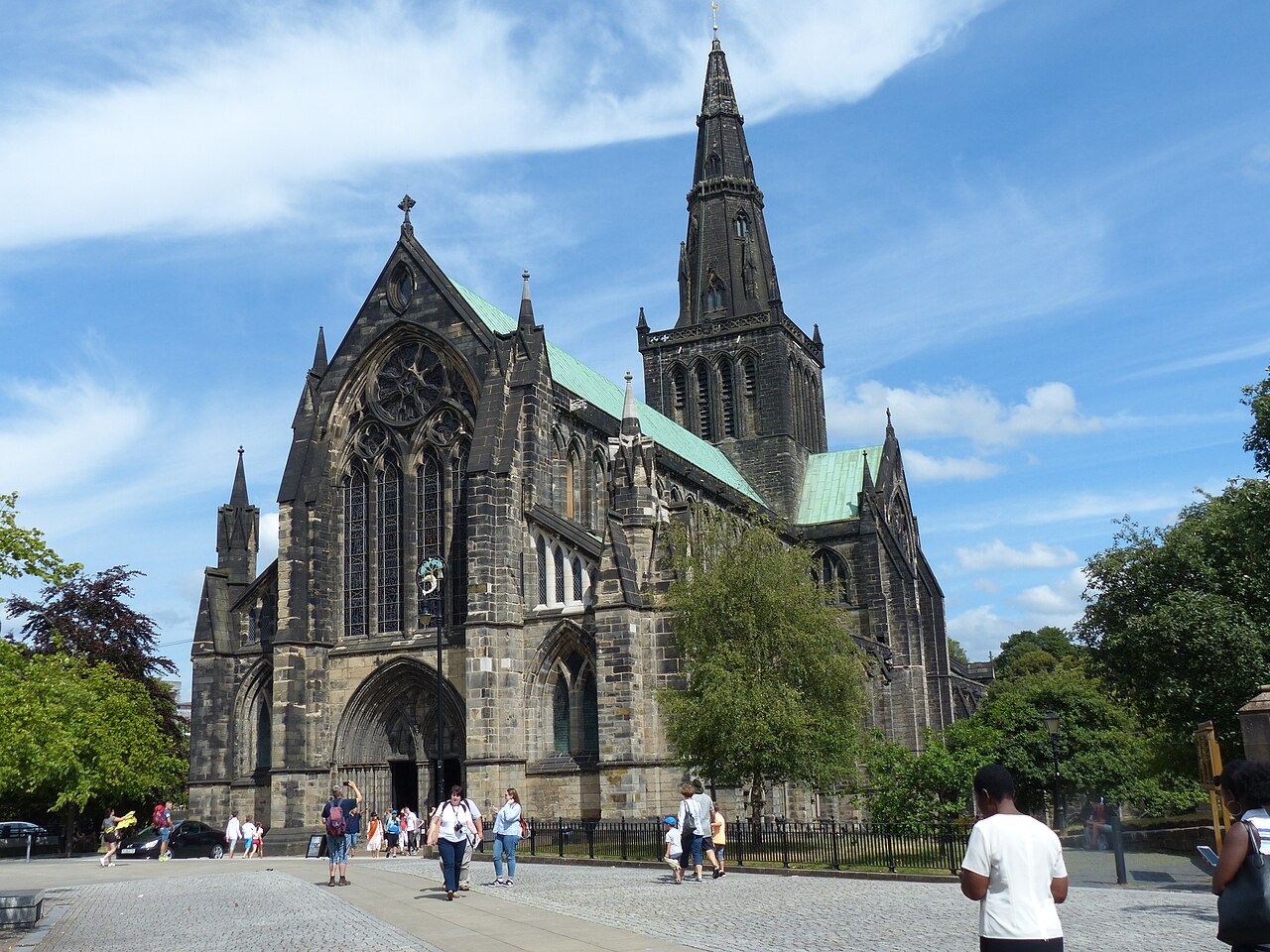
The museum occupies a position adjacent to Glasgow Cathedral and Provand's Lordship in the Cathedral Precinct area of Glasgow's East End. Multiple bus services operate nearby. High Street and Bellgrove railway stations provide rail access within walking distance. The Buchanan Street Subway station requires onward connection. The museum is at Castle Street, Glasgow G4 0RH. High Street is the nearest local railway station. First Bus services 19, 19A, 38, 57 and 57A stop nearby. On foot, it is a short walk from Buchanan Street and Argyle Street, opposite Provand's Lordship and beside Glasgow Cathedral. Pay-and-display and free disabled parking are available in the City Car Parks on Cathedral Street and Collins Street. A bicycle rack is behind the museum in the Cathedral Precinct, and a Voi Cycle stand is on Cathedral Street about 50 metres away.
Checked 2026-08-31 · Source
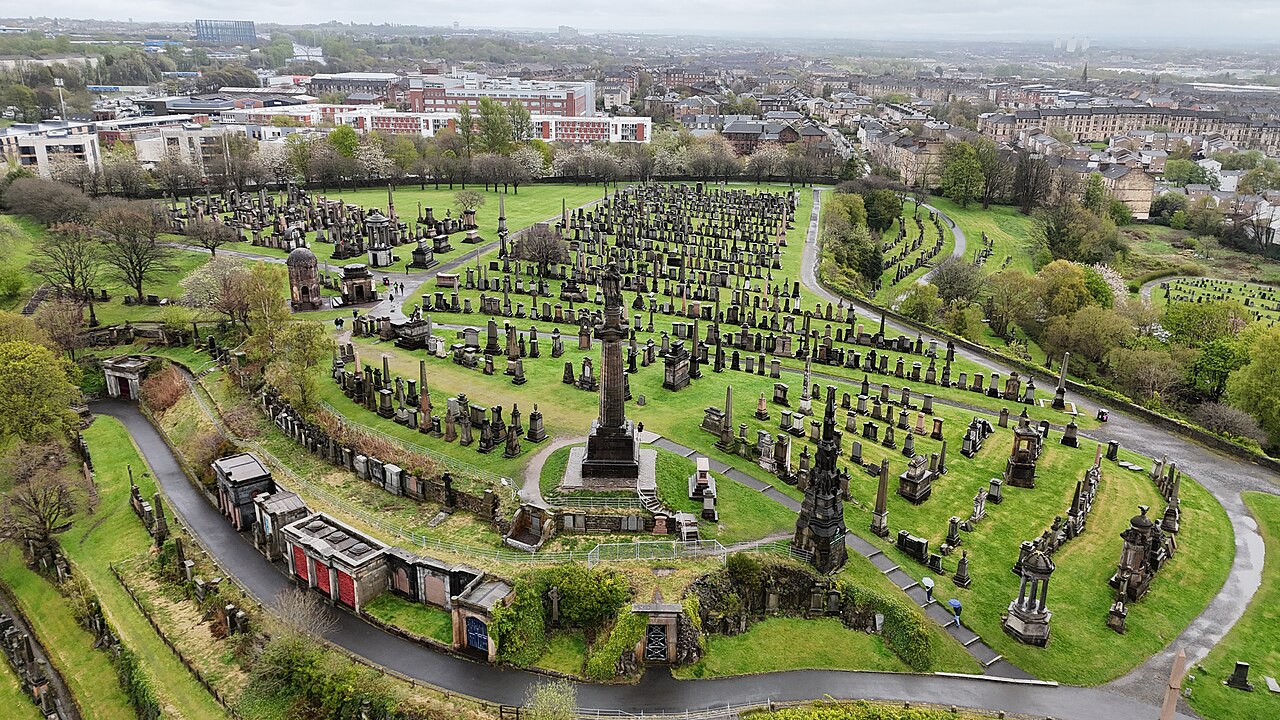
The museum addresses sensitive religious subjects requiring respectful conduct. Photography policies vary by gallery and should be confirmed on arrival. Some artefacts carry cultural significance demanding particular consideration. The building contains stairs; accessibility provisions should be verified in advance. Nearby Glasgow Cathedral and the Necropolis offer complementary visits but involve additional walking and elevation changes. Wheelchair and pram access is available to all public areas using the lifts. Free wheelchairs are available from reception. A hearing assistance system is available. Guide and assistance dogs are welcome; staff can provide a water bowl.
Checked 2026-08-31 · Source
Religious artefacts and artworks may carry restrictions based on cultural protocols, copyright considerations, or conservation requirements. Flash photography is commonly prohibited in museum environments to protect sensitive materials. Visitors should observe any signage indicating permitted or prohibited practices. Respect for fellow visitors and the contemplative atmosphere should guide all image-capturing behaviour within the museum's spaces. A hearing assistance system is available. Guide and assistance dogs are welcome; staff can provide a water bowl. Baby-changing facilities are available. No. General admission is free and visitors can drop in without booking.
Checked 2026-08-31 · Source
No. General admission is free and visitors can drop in without booking.
Its displays, objects and artworks explore the importance of religion in people's lives across different cultures and periods.
It is named after Glasgow's patron saint, St Mungo, who brought Christianity to Glasgow in the sixth century.
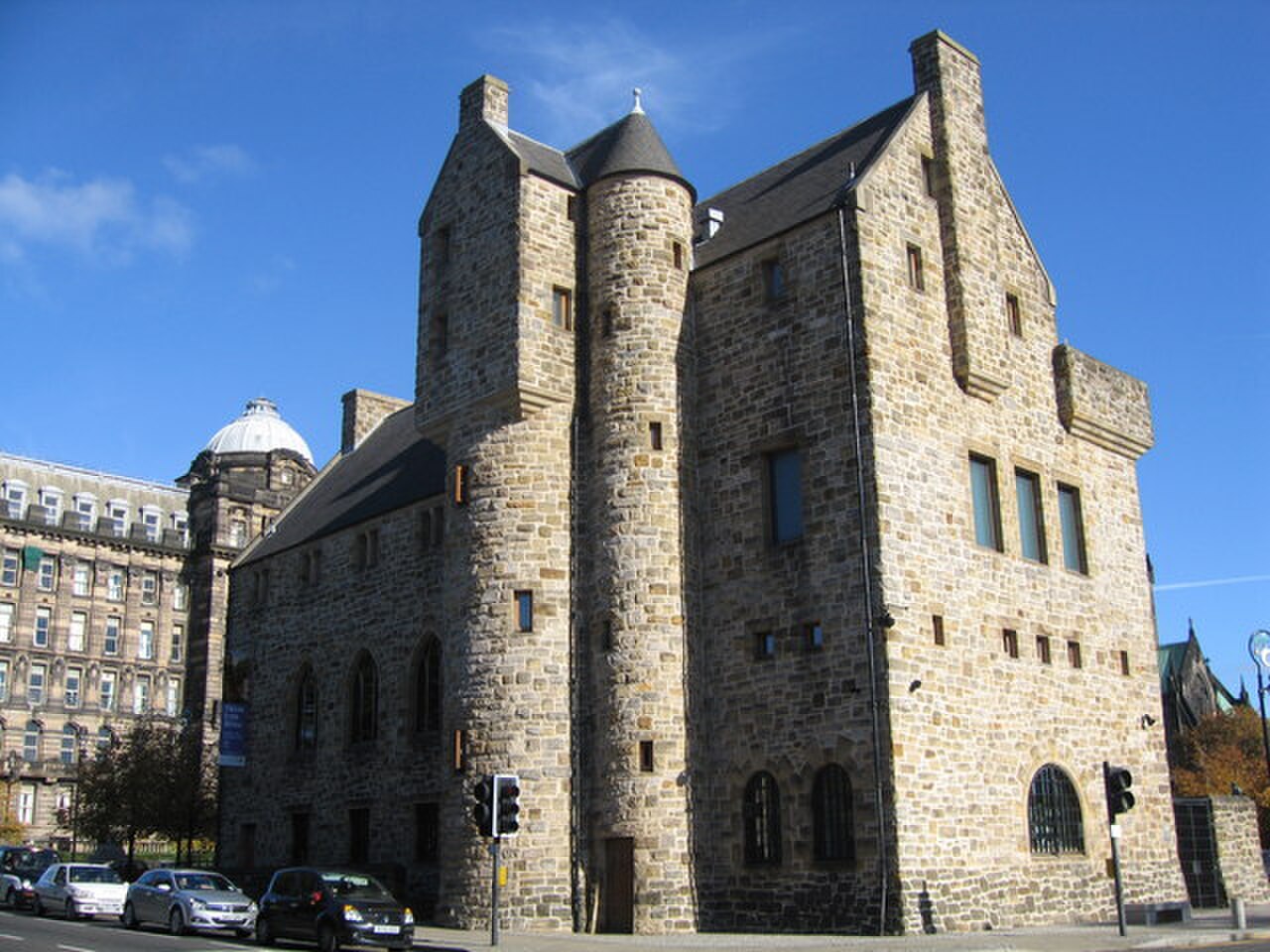
The museum stands on the site of the medieval Bishops' Castle and was designed in a style recalling that building.
Yes. Glasgow Life describes it as the first Zen garden in Britain.
Yes. The on-site Historic Scotland shop sells local gifts, souvenirs and grab-and-go refreshments.
Loading the interactive map…
The interactive map could not be loaded.
Last updated:
Source: OpenStreetMap contributors, Wikidata ·