.jpg)
2 min walk
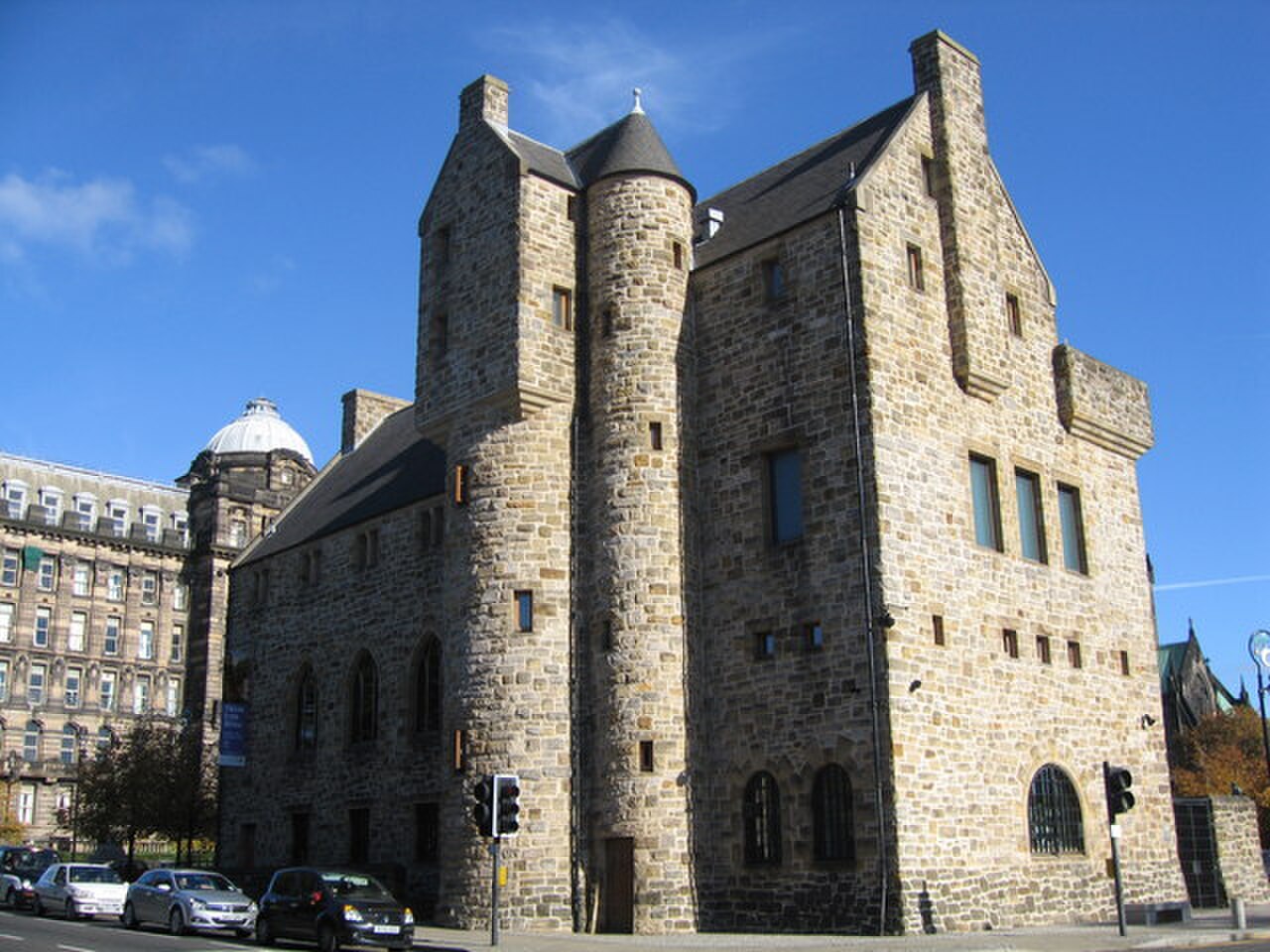
St Mungo Museum of Religious Life and Art
- Must see
- Museum
Language · 11 published
Place of worship · Glasgow
Reviewed by Elena Voss · Roavina Travel Editor
| Monday | 09:30 – 17:00 |
|---|---|
| Tuesday | 09:30 – 17:00 |
| Wednesday | 09:30 – 17:00 |
| Thursday | 09:30 – 17:00 |
| Friday | 09:30 – 17:00 |
| Saturday | 09:30 – 17:00 |
| Sunday | 13:00 – 17:00 |
Checked 2026-08-31 · Source
Read from the OpenStreetMap access tags; anything not listed has no tag recorded.
Set the group type to family in the planner and the day window contracts to about three quarters of a solo day.
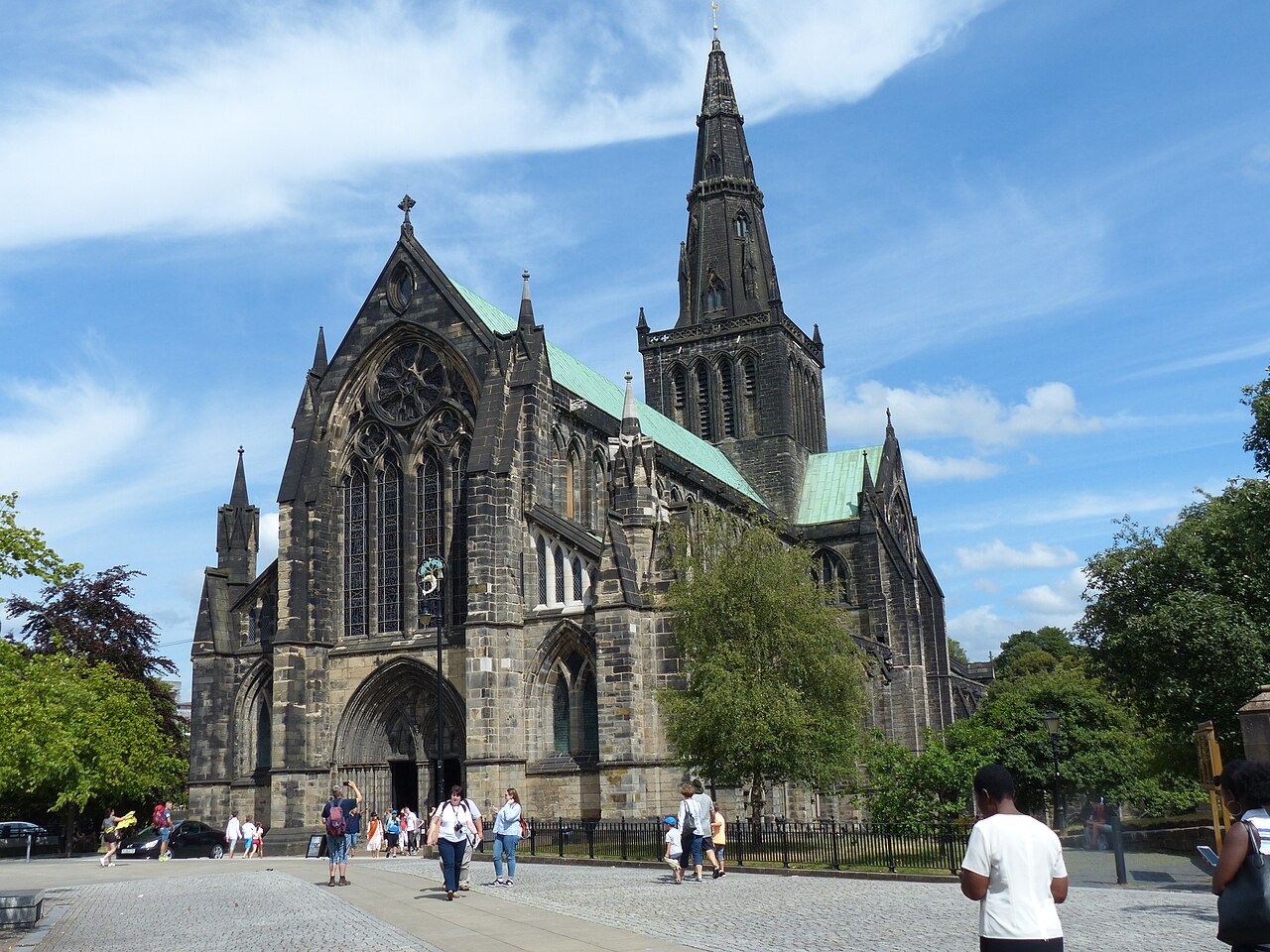
This place is a Place of worship. It was established in 1136. It was built in the Gothic architecture style. It carries the category A listed building heritage designation.
Glasgow Cathedral is a medieval church on Castle Street, at the top of the High Street and a short walk north-east of the city centre. Historic Environment Scotland, the public body that runs it, describes it as Scotland's finest surviving medieval cathedral, and the claim rests on one fact: it came through the Reformation almost entirely intact. Most Scottish cathedrals were stripped, unroofed or quarried, so what survives elsewhere is a ruin with an interpretation panel. 1 April–30 September: Monday–Saturday 09:30–17:00; Sunday 13:00–17:00; last entry 16:15. 1 October–31 March: Monday–Saturday 10:00–16:00; Sunday 13:00–17:00; published last entry 15:15.
Checked 2026-08-31 · Source
The interior splits into three things worth separate attention. The first is the Lower Church, the large 13th-century crypt built to hold the tomb of St Mungo. It is a forest of stone columns carrying a low vault, and it is the darkest and quietest part of the building; the shrine sits at its centre and is still the destination the whole plan was arranged around. The third is the glass, and it is not medieval. General admission is free; donations are welcome.
Checked 2026-08-31 · Source
Historic Environment Scotland does not publish a suggested visit length for Glasgow Cathedral, so the figure here is judgement rather than a quoted one. Allow an hour. That covers the nave, a slow pass along the post-war windows, the pulpitum, the quire, and a descent into the Lower Church with enough time to let the eyes adjust, which they need — the crypt is genuinely dark and a two-minute look wastes it. Plan the arrival, not the departure. General admission is free; donations are welcome.
Checked 2026-08-31 · Source
The cathedral runs two seasons. From 1 April to 30 September it opens Monday to Saturday 09:30 to 17:00, with last entry at 16:15. From 1 October to 31 March those days shorten to 10:00 to 16:00, with last entry at 15:15. Between October and February aim for the middle of the day. 1 April–30 September: Monday–Saturday 09:30–17:00; Sunday 13:00–17:00; last entry 16:15. 1 October–31 March: Monday–Saturday 10:00–16:00; Sunday 13:00–17:00; published last entry 15:15. The west door has a stair lift and call point providing access down into the level nave.
Checked 2026-08-31 · Source
Entry is free. Historic Environment Scotland states plainly that it costs nothing to visit Glasgow Cathedral and that donations are welcome, which can be made online in advance or through contactless donation points inside the building. Booking is still worth doing. General admission is free; donations are welcome. The west door has a stair lift and call point providing access down into the level nave. The stair lift is unsuitable for mobility scooters and heavier wheelchairs. The choir is accessible by five stone steps or the stair lift, with staff assistance required.
Checked 2026-08-31 · Source
No car is needed, and driving is the least convenient of the options. The address is Cathedral Precinct, Castle Street, Glasgow G4 0QZ, at the top of the High Street on the eastern edge of the city centre. There is a bicycle rack on site. Glasgow Queen Street is the nearest railway station, less than 0.5 mile away. Buchanan Street is the nearest Subway station, less than 1 mile away. Several buses from Glasgow city centre stop near the cathedral; Historic Environment Scotland links to Traveline Scotland for route planning. The visitor address is Cathedral Precinct, Castle Street, Glasgow G4 0QZ.
Checked 2026-08-31 · Source
There are no toilets at the cathedral. The nearest adapted toilet is in the St Mungo Museum about 15 metres away, and if that is closed the next accessible public toilet is in John Lewis at Buchanan Galleries, 0.8 miles or 1.2 kilometres off. Deal with this before arriving rather than after. Access is uneven and honestly documented. The west door has a stair lift and call point providing access down into the level nave. The choir is accessible by five stone steps or the stair lift, with staff assistance required.
Checked 2026-08-31 · Source
Historic Environment Scotland publishes no photography rule on the cathedral's own visit pages, so the sensible assumption is ordinary hand-held photography for personal use and a question to the stewards before anything more — a tripod, a flash, or a shoot with any commercial purpose. It is a working church, and a service in progress ends the matter regardless of policy. The building is a low-light interior with very bright windows, which is the hardest combination there is. The Blacader Aisle has 13 steep steps; the crypt has 25 steps; the chapter house requires two steps up and eight down.
Checked 2026-08-31 · Source
Yes. General admission is free, although donations are welcome.
Last entry is 16:15 from 1 April to 30 September and 15:15 from 1 October to 31 March.
Yes. Glasgow Cathedral is a working church, so services and private events can alter opening hours or restrict particular areas.
The west door has a call point and stair lift leading into the level nave, but the lift cannot accommodate mobility scooters or heavier wheelchairs.
No. The nearest adapted toilet is at St Mungo Museum, approximately 15 metres away.
The 13th-century Lower Church contains the tomb of St Mungo, Glasgow's patron saint.
Loading the interactive map…
The interactive map could not be loaded.

Last updated:
Source: OpenStreetMap contributors, Wikidata ·