.jpg)
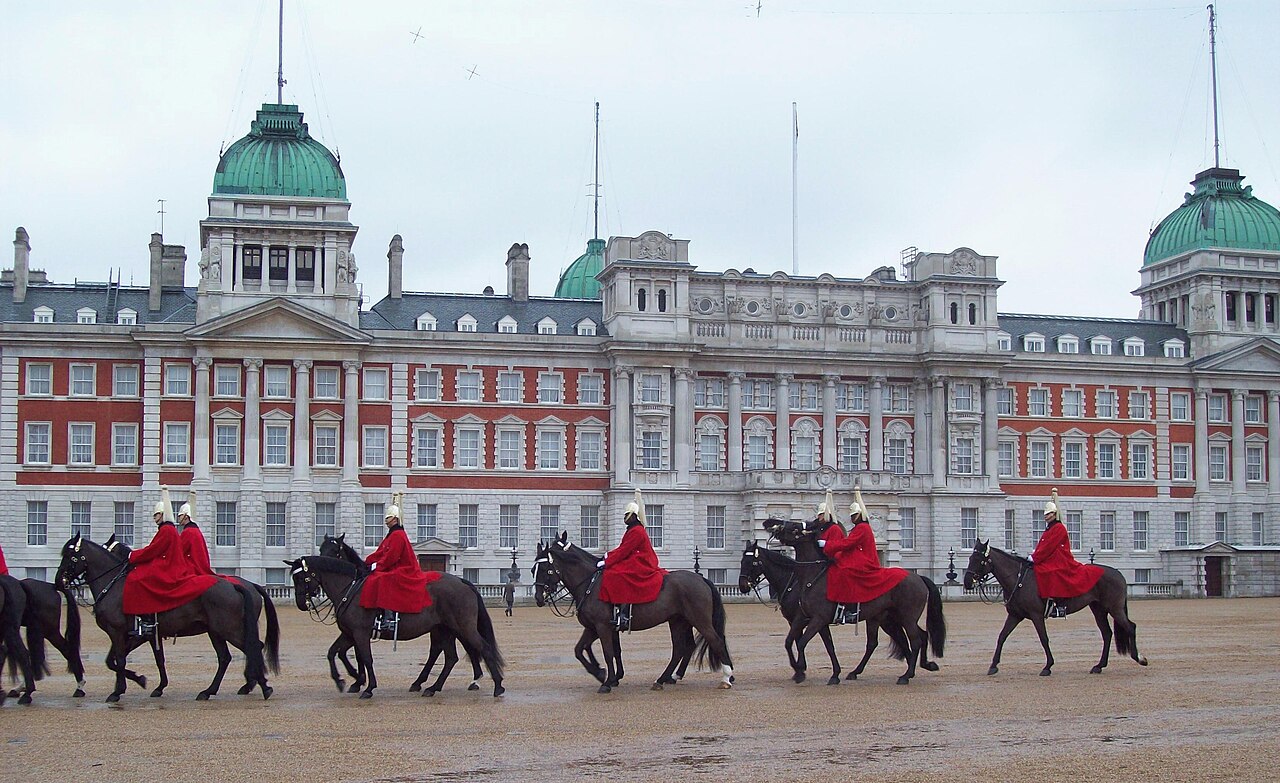
2 min walk · City of Westminster
Horse Guards Parade
- Must see
- Historic monument
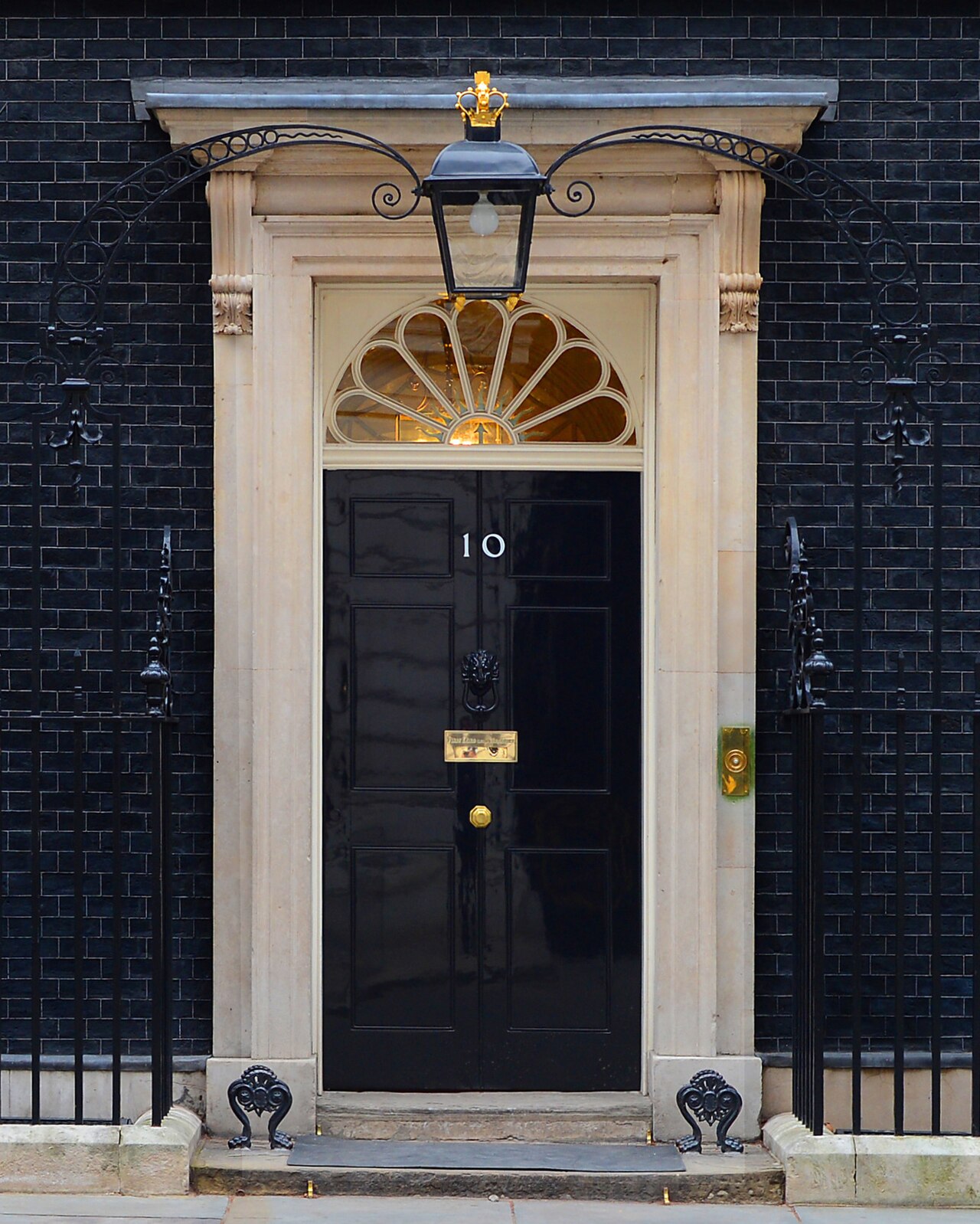
Historic monument · City of Westminster, London
10 Downing Street is the official residence and working address of the Prime Minister of the United Kingdom, in Westminster beside Whitehall. Its black door and white number 10 have become instantly recognisable symbols of British government. The Georgian townhouse has served as the centre of executive political life since 1735. For travellers, its importance comes from seeing a functioning government building rather than entering a museum. Combine the viewpoint with nearby Whitehall, Parliament Square, St James’s Park, and the wider Westminster district for a compact walk through Britain’s political heart. No. The building is not open to the public. Access is restricted to invited guests and authorised personnel only.
Checked 2026-08-26 · Source
The interior is a working government residence and office, not a public exhibition. Behind the entrance are private residential rooms, offices, state reception rooms, and the Cabinet Room, where ministers meet. The building connects with neighbouring government offices, including 11 Downing Street. Rooms associated with official entertaining include the White Drawing Room and Pillared Room. The famous entrance is reinforced for security, so the view from Whitehall gives only a small glimpse of the building. The contrast between its modest street frontage and its national political role is part of the attraction.
Checked 2026-08-26 · Source
Allow a few minutes for the public viewpoint, then continue through Whitehall if the building is one stop in a larger Westminster walk. The street itself is closed behind security gates, and visitors remain outside. A short pause is enough to identify the black door, read the number, take a photograph when permitted, and understand the setting. Travellers interested in British politics may linger longer while looking towards Downing Street and the surrounding government buildings. The visit works best as a brief landmark stop rather than a standalone indoor attraction.
Checked 2026-08-26 · Source
The exterior can be viewed from the public side of the Whitehall gates throughout the year, subject to security conditions. There is no seasonal garden or interior programme to shape the visit. Political events, demonstrations, official movements, or heightened security can alter what can be seen and how close visitors may stand. Daylight gives the clearest view of the door and facade, while evening lighting creates a different atmosphere. Build this stop into a flexible Westminster route so a temporary restriction does not disrupt the rest of the day.
Checked 2026-08-26 · Source
There is no public ticketed entrance to 10 Downing Street. Visitors view the exterior from behind the security barriers on Whitehall, without treating the building as a conventional paid attraction. Interior access is restricted to authorised people and invited guests, so commercial entry offers are not part of a normal London visit. Do not pay anyone claiming to sell an ordinary tour of the townhouse. The most useful way to experience the address is to place it within a walk linking Whitehall, Parliament, the royal parks, and nearby historic streets.
Checked 2026-08-26 · Source
Reach the Westminster area by Underground using Westminster station, served by the Circle, District, and Jubilee lines, or St James’s Park on the Circle and District lines. Both stations are within a short walk of Whitehall. Bus routes run along the surrounding central roads. Follow signs towards Whitehall or Parliament Street, then look for the security gates at the Downing Street entrance. The area is easy to include on foot with Parliament Square, Horse Guards, Trafalgar Square, and St James’s Park. Expect busy pavements and controlled crossings.
Checked 2026-08-26 · Source
Treat Downing Street as a high-security government location. Stay behind the barriers, keep clear of gates and police positions, and follow instructions immediately. Demonstrations and large public events are common in Westminster and may change pedestrian movement. Photography may be limited during security operations. Do not attempt to enter, approach the door, lean through the gates, or use equipment that obstructs the pavement. The surrounding district can become crowded quickly, so leave space for other pedestrians and allow extra time when moving between nearby landmarks.
Checked 2026-08-26 · Source
The black door and number 10 can be photographed from the public side of the Whitehall gates when security arrangements allow. The gate structure partly blocks the facade, so frame the doorway through the available opening rather than expecting a full architectural view. A compact camera or phone is the least intrusive choice on the busy pavement. Tripods and large professional setups may draw attention or obstruct others. Daylight makes the number easiest to read; evening street lighting gives a more dramatic image. Never use a drone around this government site.
Checked 2026-08-26 · Source
No. The building is a working government residence and office, and public visits do not enter the townhouse. Travellers view it from behind the Whitehall security gates.
The public viewpoint is on Whitehall, outside the security gates at the entrance to Downing Street. The gate structure means the door is seen from a distance and partly through the barrier.
A few minutes is enough for the exterior viewpoint and a photograph when permitted. More time is useful only if you are exploring the wider Whitehall and Westminster area on foot.
No standard commercial tour provides public entry to 10 Downing Street. Interior access is restricted to authorised people and invited guests.
Expect staffed gates, police presence, barriers, and possible movement or photography restrictions. Demonstrations and official activity can change the viewing conditions around Whitehall.
Yes. Downing Street sits in Westminster and fits naturally into a walking route linking Whitehall, Parliament Square, St James’s Park, Horse Guards, and Trafalgar Square.
Loading the interactive map…
The interactive map could not be loaded.
Last updated:
Source: OpenStreetMap contributors, Wikidata ·