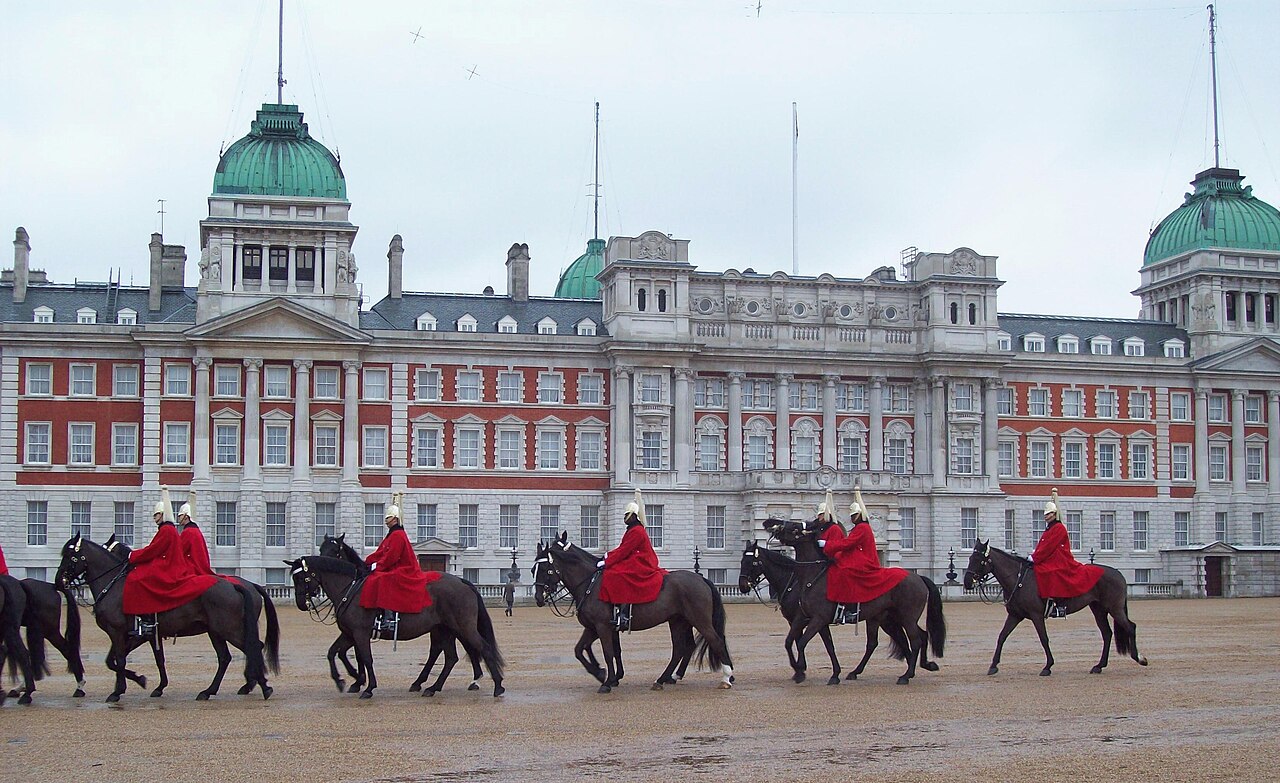
Horse Guards Parade is a large parade ground in central London, situated between Whitehall and St James's Park. It serves as the ceremonial grounds for the Household Cavalry and hosts the annual Trooping the Colour ceremony. The site has historical military significance as the former jousting yard of the Palace of Whitehall and continues to function as a working military location. The parade ground is bounded by the Horse Guards building to the east and the Old Admiralty building to the west.
The parade ground itself is an open gravel space used for ceremonial purposes. The Horse Guards building, designed by William Kent, houses the Household Cavalry Museum and serves as headquarters for certain military functions. Two mounted sentries from the Household Cavalry stand guard at the entrance gates. Visitors can observe the Changing of the Queen's Life Guard ceremony here. The courtyard contains memorials and markers related to its military history, though specific interior access is limited by operational requirements. A flexible visit keeps attention on what is distinctive at Horse Guards Parade without treating one room, viewpoint or photograph as the whole experience. Conditions on arrival should decide the final pace.
A typical visitor observing the mounted sentries and exterior architecture spends approximately twenty to forty minutes at Horse Guards Parade. Those attending a scheduled ceremonial event, such as the Changing of the Guard, should allow additional time for positioning and the full duration of the ceremony. Visitors combining this site with adjacent attractions, including St James's Park or the Household Cavalry Museum, may extend their visit accordingly. The open ground itself requires minimal time to traverse and observe. Horse Guards Parade also earns time in a london itinerary because its setting and role differ from the surrounding ranked stops. Compare the place with the nearby streets before deciding how it fits the day.
The Changing of the Queen's Life Guard occurs at scheduled times, but specific schedules are Not recorded pending review. Trooping the Colour takes place annually in June, though exact dates vary. Weather conditions significantly affect visitor comfort given the exposed nature of the parade ground. Morning visits may offer better lighting for photography and smaller crowds at the sentry posts. Check the operator's own site for the travel date before relying on a schedule or fare.
Access to Horse Guards Parade as a public open space is free of charge. No tickets are needed to observe the mounted sentries or ceremonial events from the public areas. Visitors should verify current museum admission fees through official sources before planning. Any special event access or restricted area entry would require separate arrangements through appropriate military or ceremonial authorities. Check the operator's own site for the travel date before relying on a schedule or fare.
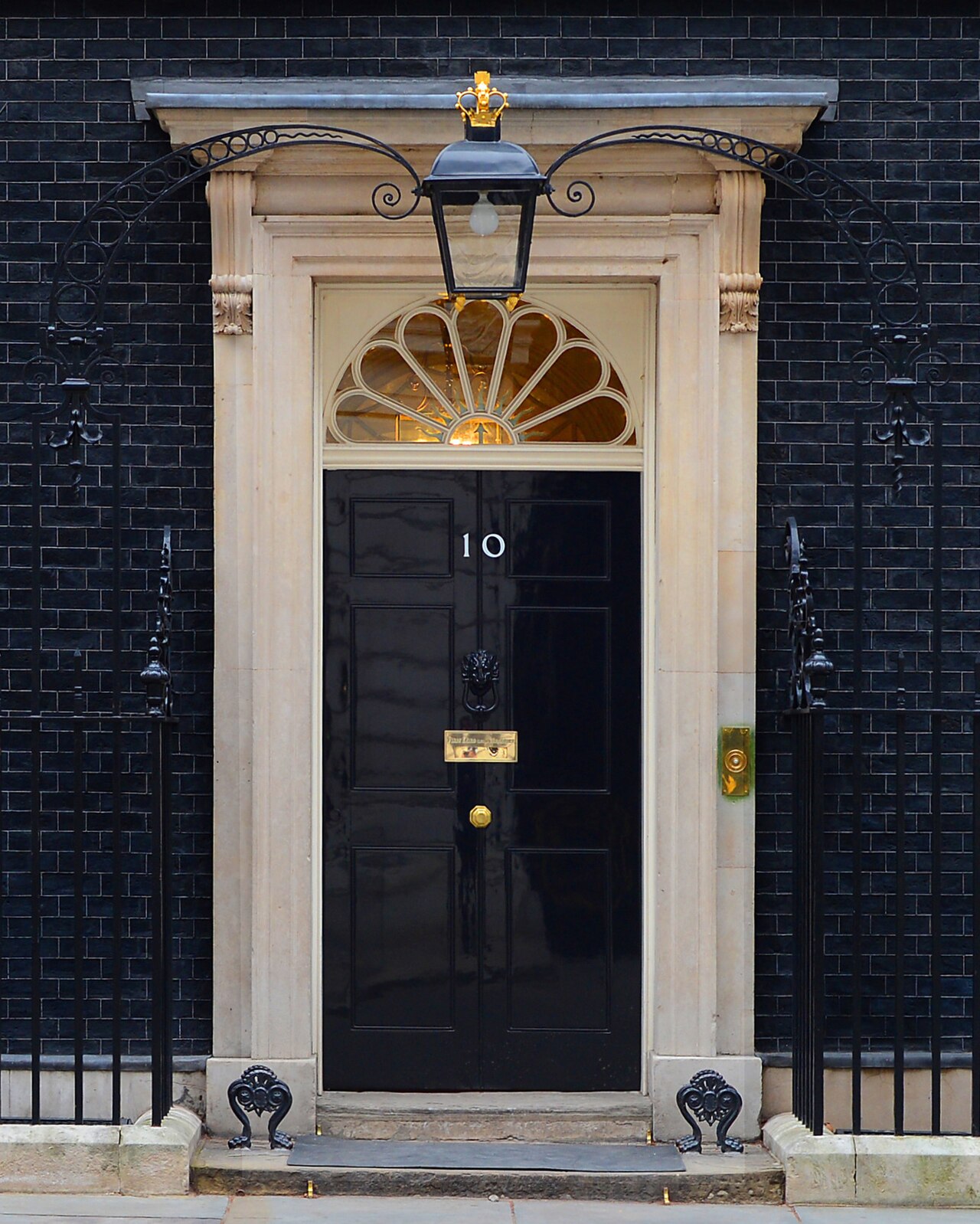
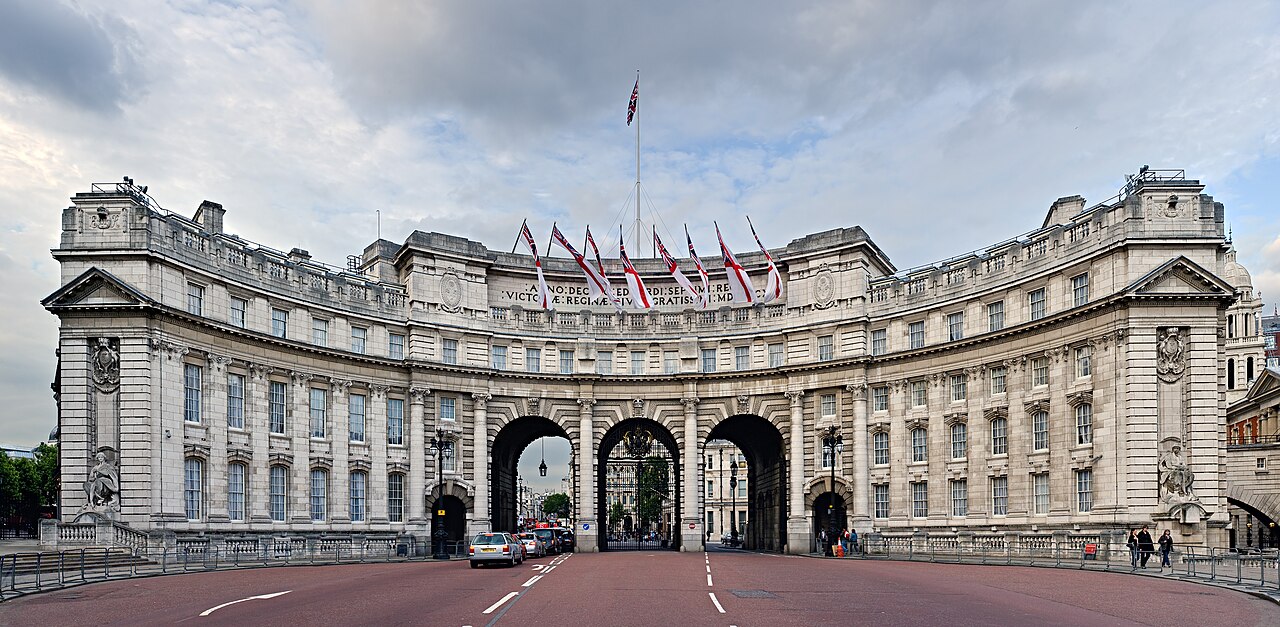
Horse Guards Parade is located in central London, accessible via Westminster, Charing Cross, and Embankment Underground stations, each within reasonable walking distance. Numerous bus routes serve Whitehall and the surrounding area. The site is positioned at the eastern end of St James's Park, making it readily reachable on foot from Buckingham Palace, Downing Street, and Trafalgar Square. Cyclists may use nearby docking stations. Given central London traffic and congestion, public transport or walking is generally preferable to private vehicle access.
Visitors should remain aware that Horse Guards Parade remains an active military site with operational restrictions. The mounted sentries are performing military duties and should not be touched or obstructed. Horses may react unpredictably to sudden movements or loud noises. The gravel surface can be uneven and slippery in wet conditions. Large crowds gather during ceremonial events, requiring personal belongings security. Photography of sentries is generally permitted from designated areas, but visitors should follow any instructions from military personnel regarding boundaries or prohibited zones.
The architectural facade of Horse Guards and the mounted sentries offer prominent photographic subjects. The symmetrical building design and ceremonial elements provide composition opportunities. Morning light illuminates the east-facing entrance favourably. Wide-angle lenses accommodate the expansive parade ground. Tripod use may attract security attention in this sensitive location. Visitors should exercise discretion regarding military personnel and avoid obstructing operational activities. The Household Cavalry Museum has its own photography policies for interior spaces. Drone operation would be restricted in this central government and military zone.
Can visitors enter the Horse Guards building freely?
Public access to the interior of the Horse Guards building is restricted due to its active military function. The Household Cavalry Museum offers paid entry to specific areas, but general building access is not available.
What ceremony can be observed at Horse Guards Parade?
The Changing of the Queen's Life Guard is the principal ceremony visible to the public, involving mounted Household Cavalry soldiers. Trooping the Colour occurs annually but is a ticketed event with limited public viewing areas.
Are the mounted sentries always present?
Mounted sentries are posted during daytime hours, though specific schedules are Not recorded pending review. They may be withdrawn during extreme weather or for operational reasons.
Is there seating available at Horse Guards Parade?
The parade ground itself offers no formal seating. Visitors must stand throughout their visit. Limited seating may exist in adjacent areas or within the museum, though this is Not recorded pending review.
How does Horse Guards Parade differ from Buckingham Palace Changing of the Guard?
Horse Guards Parade features mounted cavalry sentries and the Household Cavalry, whereas Buckingham Palace involves foot guards. The ceremonies, timings, and military units involved are distinct, though both are royal ceremonial traditions.
Are guided tours available of Horse Guards Parade?
Formal guided tours of the parade ground itself are not typically offered as it is an open public space. The Household Cavalry Museum may offer interpretive materials or guided elements, though specific offerings are Not recorded pending review.