
Royal Mile
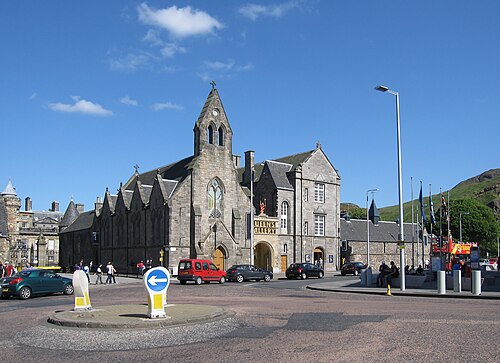
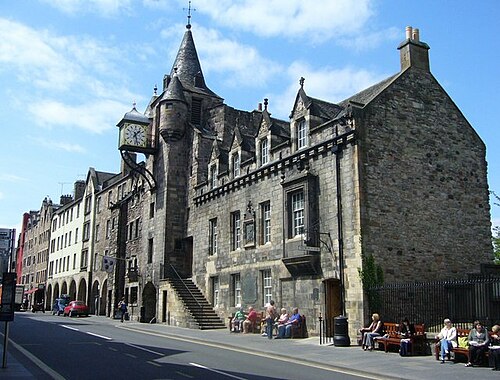
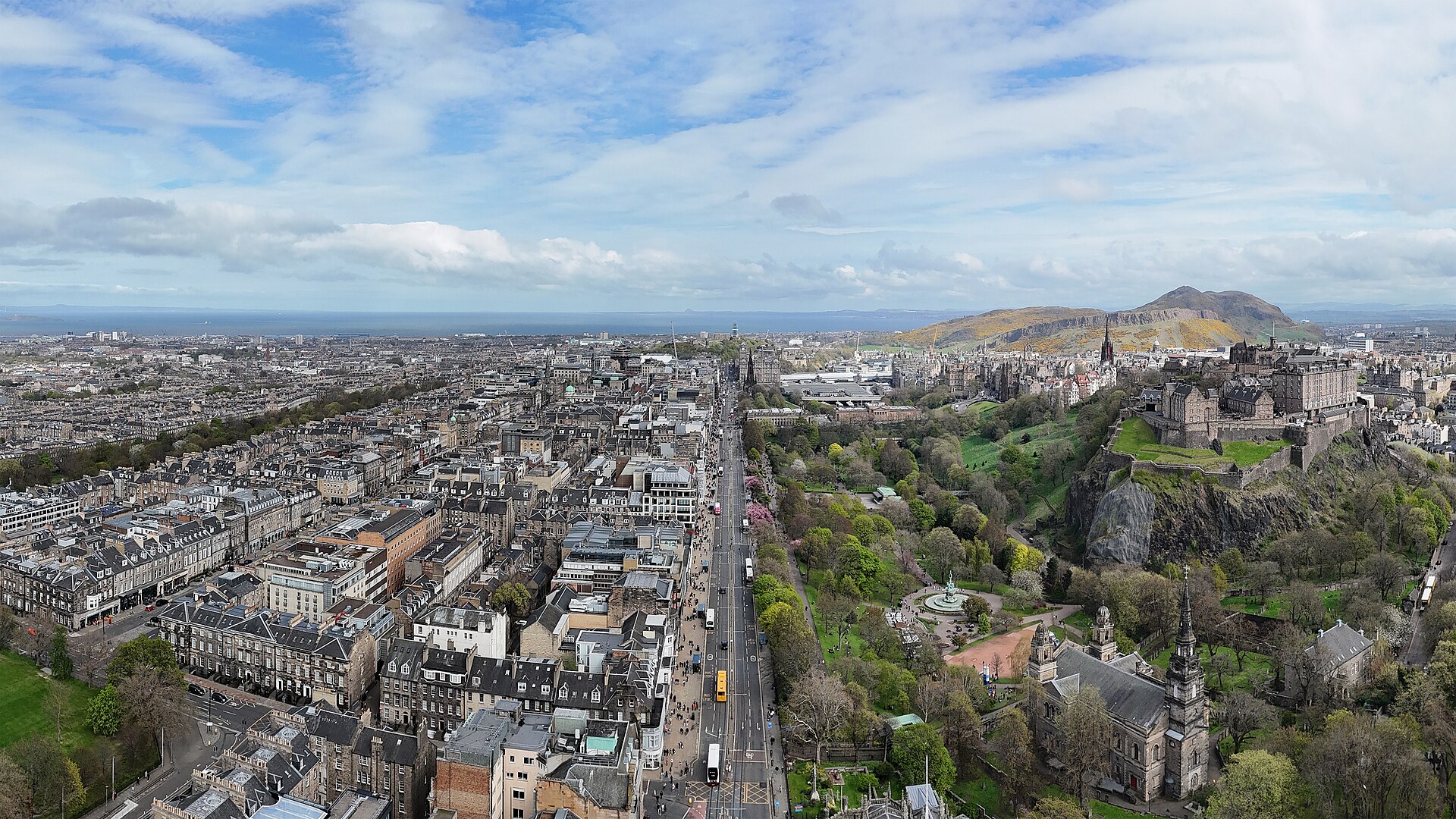
The Royal Mile is Edinburgh Old Town's historic spine, a Scots mile long and almost exactly a mile between Edinburgh Castle and the Palace of Holyroodhouse.
- Must see
- Historic monument
- Edinburgh
Language · 11 published
Country guide
The United Kingdom is 244,376 km² holding 69,281,437 people, and it is four countries rather than one: England, Scotland, Wales and Northern Ireland, with London, Edinburgh, Cardiff and Belfast as their capitals. Three of the four run parliaments of their own over devolved matters, and the law splits three ways — England and Wales, Scotland, Northern Ireland. A visitor meets that in small practical things rather than at a border. London alone holds about 9.1 million of the total, which is why so many trips never leave it, and why the ones that do feel like arriving somewhere else.
Reviewed by Elena Voss · Roavina Travel Editor
Every city catalogued in this country so far, ranked by how much there is to see.
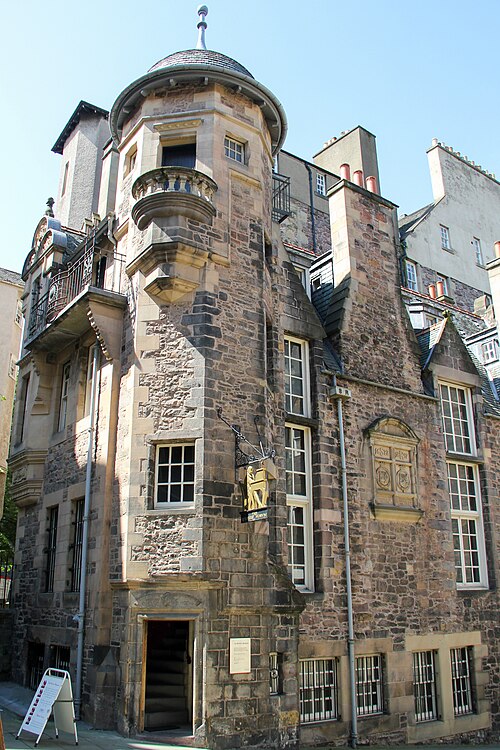
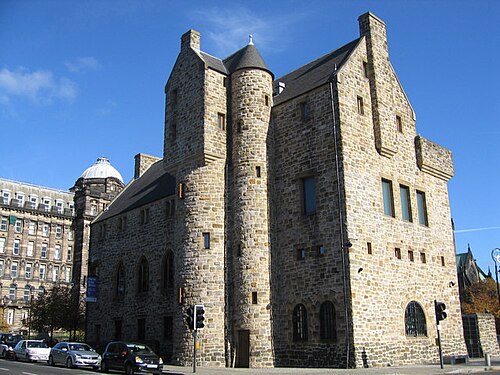
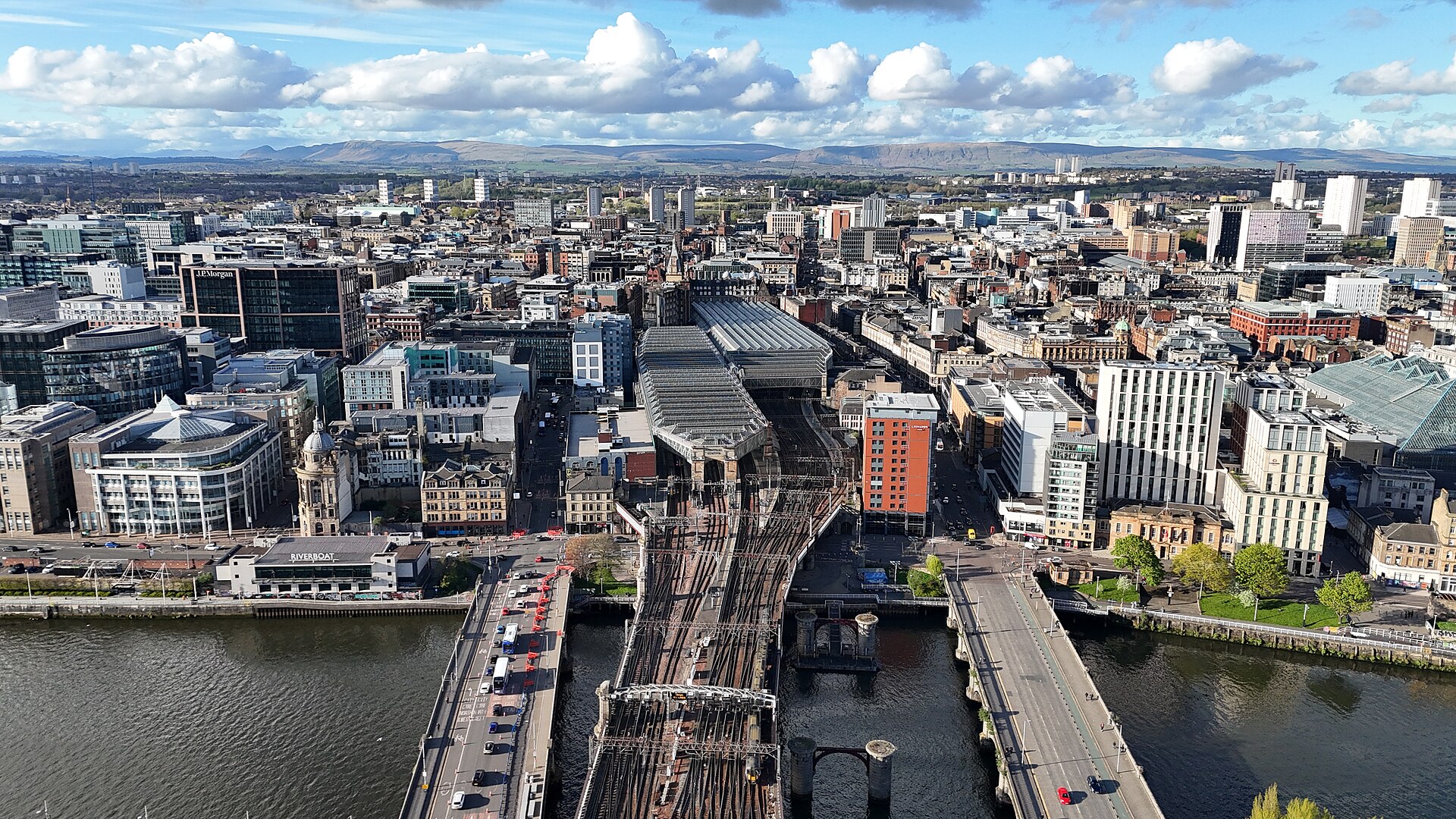
Photograph · Ilya Grigorik · CC BY-SA 3.0
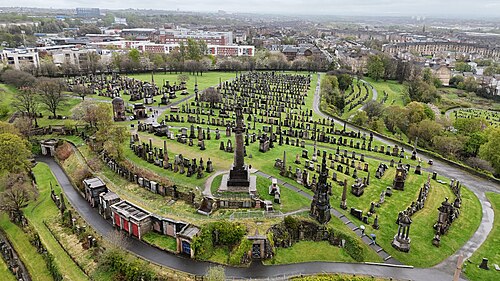
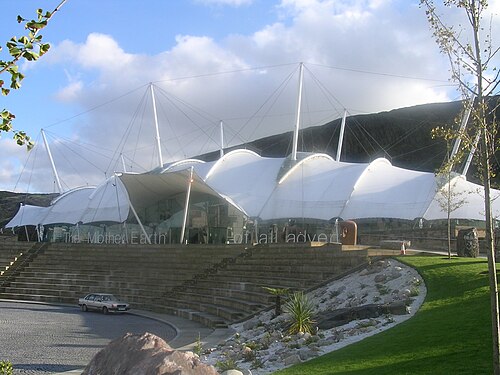
Photograph · 瑞丽江的河水 · CC BY-SA 4.0
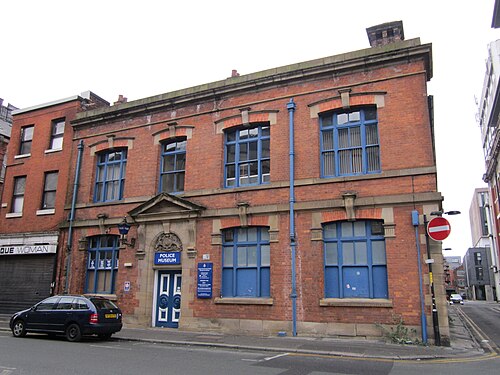
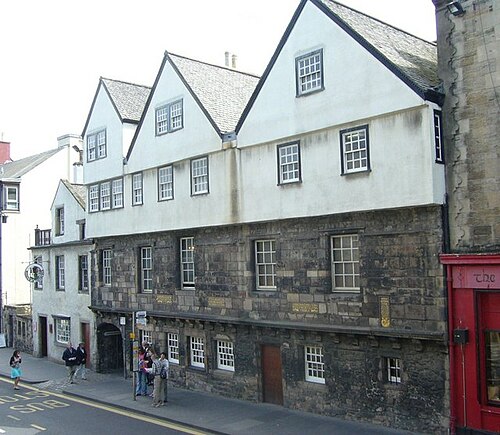
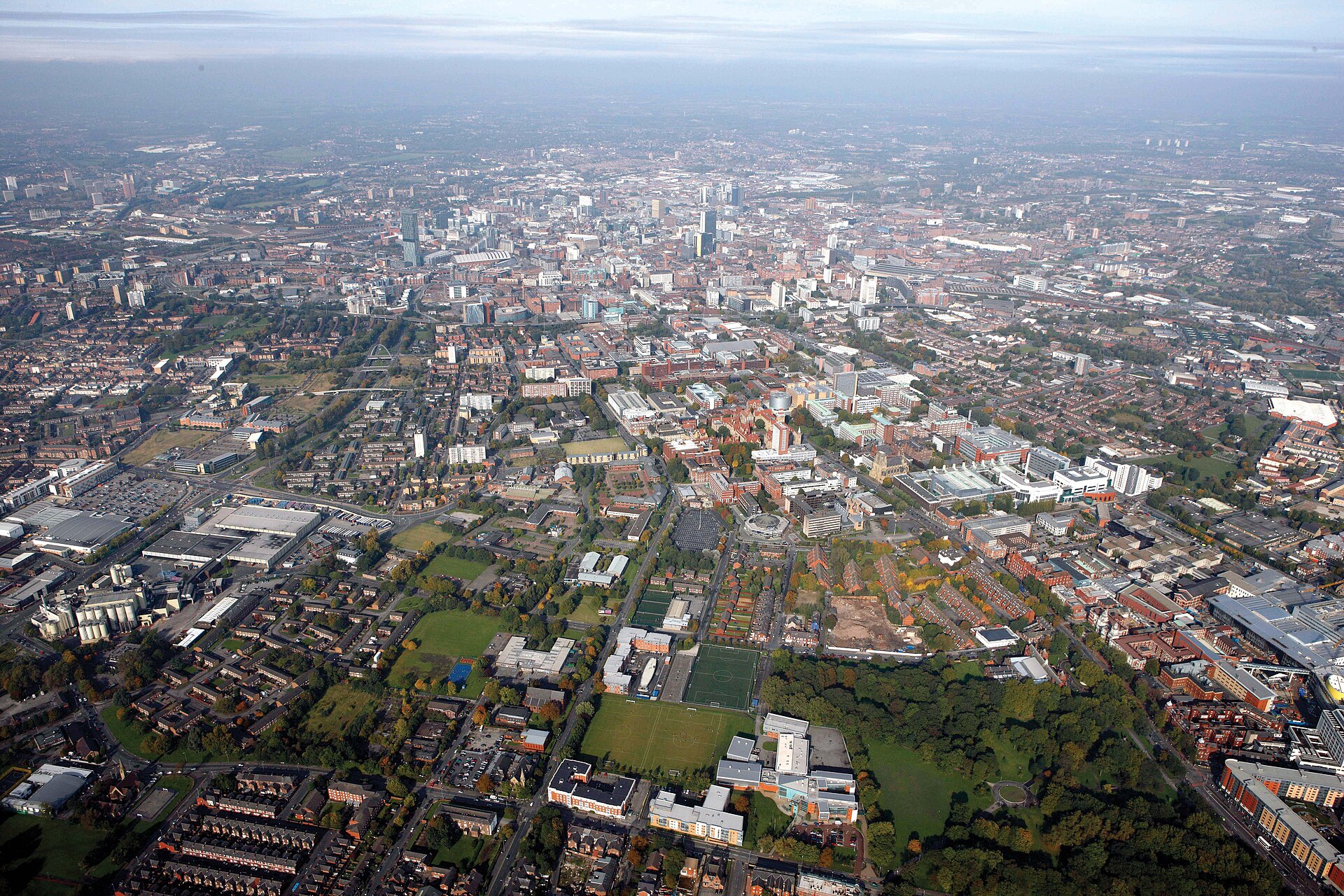
Photograph · Daniel Nisbet from Manchester, United Kingdom · CC BY 2.0
Ranked by importance — sitelinks, pageviews and heritage status, not editor preference.
122 places match
Category
Typical visit duration
Interests
The Royal Mile is Edinburgh Old Town's historic spine, a Scots mile long and almost exactly a mile between Edinburgh Castle and the Palace of Holyroodhouse.
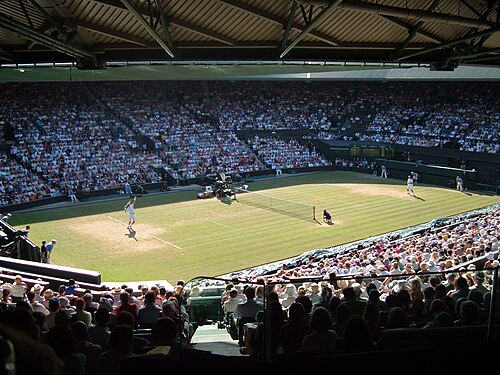
Maritime Greenwich is a historic district in southeast London, recognised as a UNESCO World Heritage Site. It encompasses significant maritime heritage structures including the Royal Observatory, the Old Royal Naval College, the National Maritime Museum, and the preserved town centre.
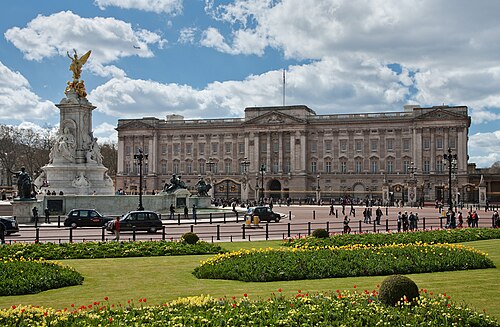
Buckingham Palace is the London residence and the administrative headquarters of the British monarch, standing at the western end of The Mall in the City of Westminster.
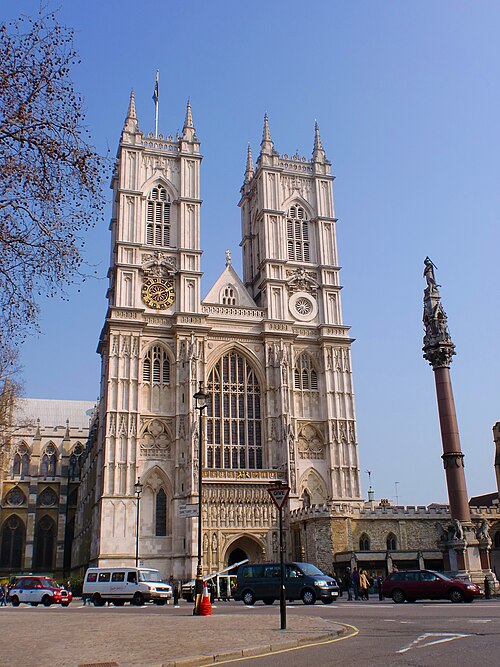
Westminster Abbey brings together royal ceremony, memorials and daily worship in a church whose architecture developed over centuries. Coronations have taken place here since 1066.
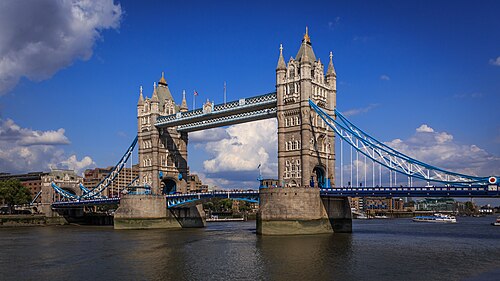
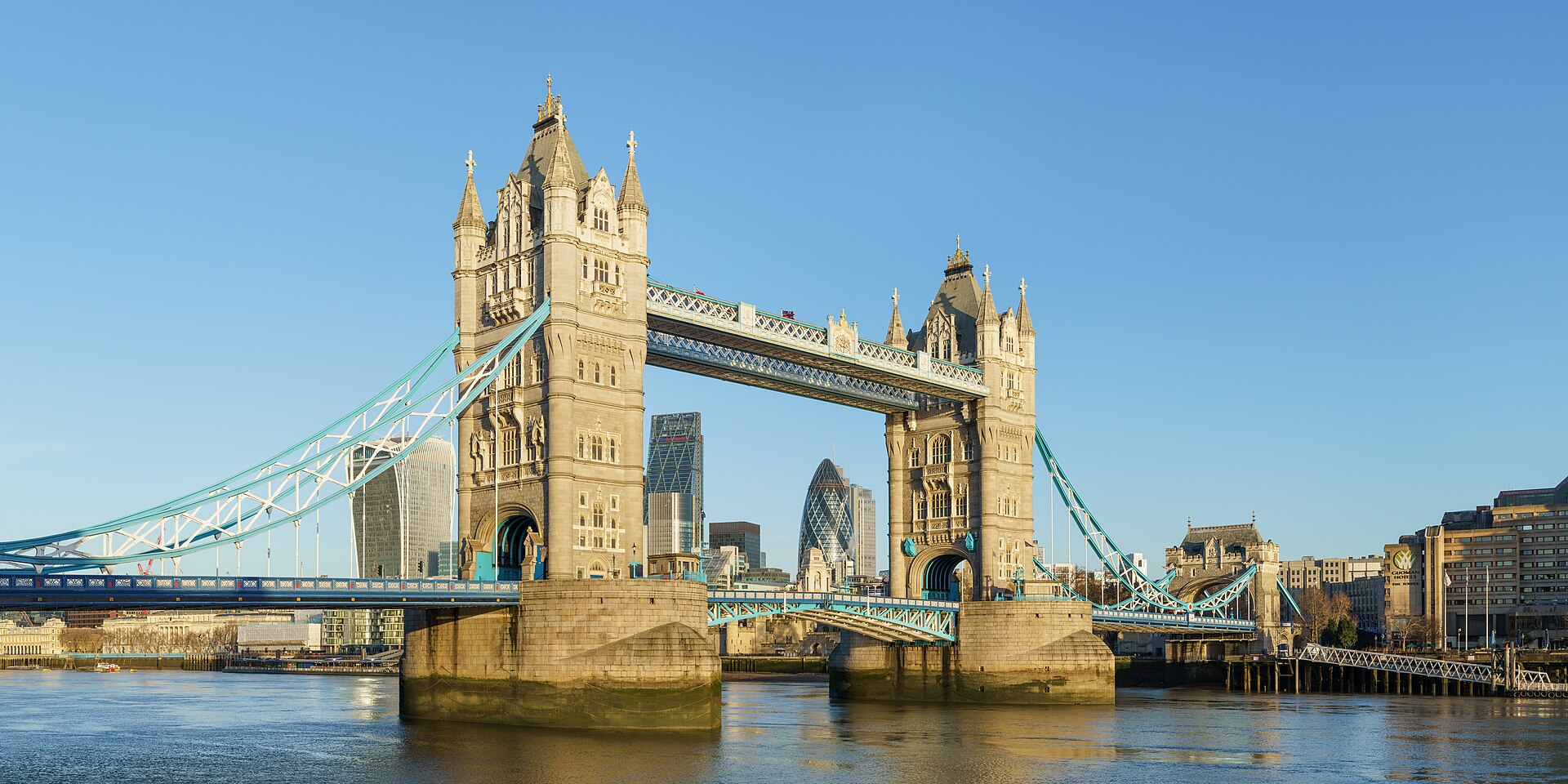
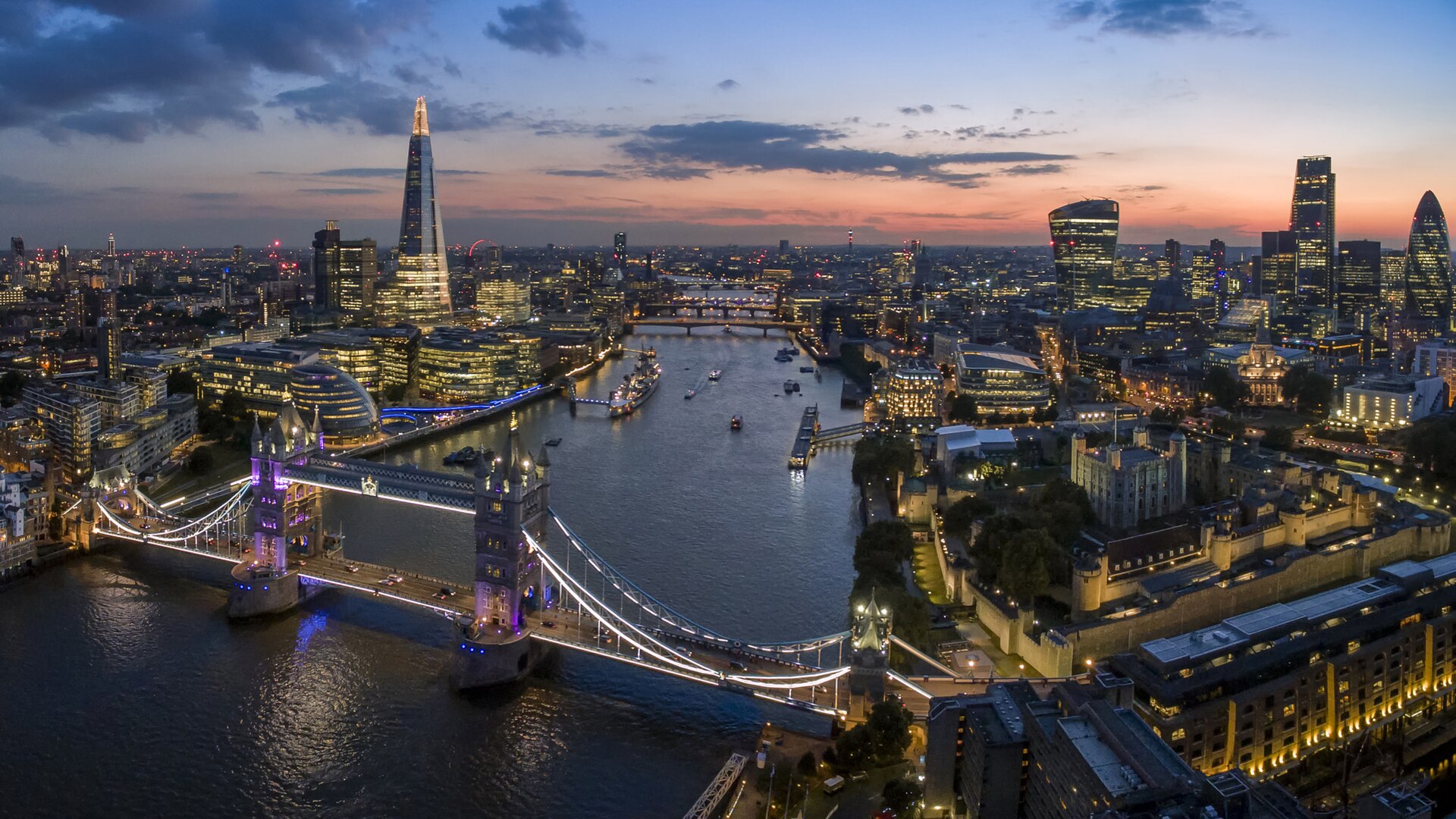
Tower Bridge combines a working Thames crossing with a visitor attraction inside its towers and former engine rooms. Crossing on the public pavement does not require an attraction ticket; going upstairs to the Walkways does.
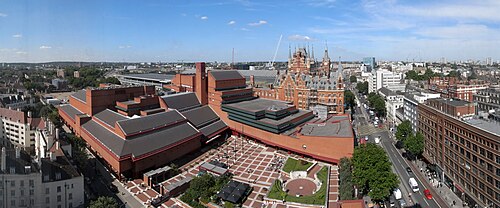
The British Library is the national library of the United Kingdom and, by collection size, one of the largest libraries in the world: more than 200 million items, including roughly 13.95 million books, 351,116 manuscripts, 8.27 million philatelic items and…
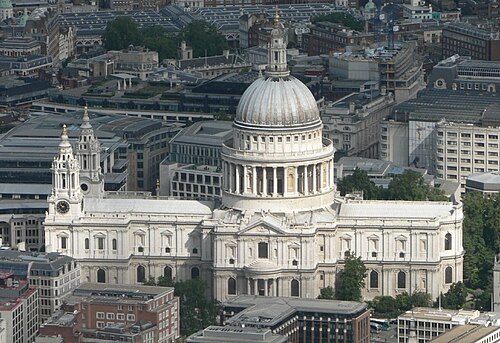
St Paul's Cathedral is the cathedral church of the Diocese of London and the great domed building on Ludgate Hill, designed by Sir Christopher Wren and built between 1675 and 1710 after the medieval cathedral on the site burned in…
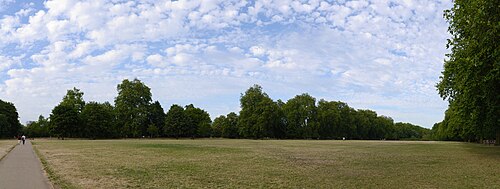
Hyde Park is a 350-acre (140-hectare) royal park in the City of Westminster, the largest of the four central London parks and the one that runs west from Marble Arch and Hyde Park Corner to the Serpentine and the boundary…
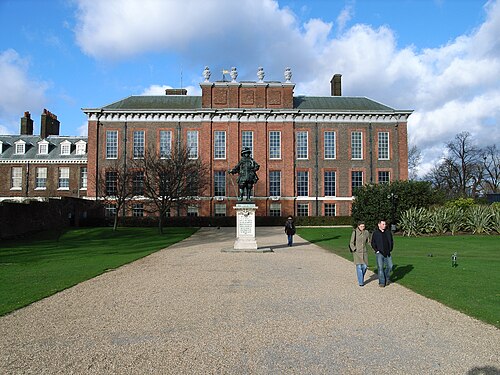
Kensington Palace is a royal residence on the western edge of Kensington Gardens, half of it open as a historic house and half of it still lived in.
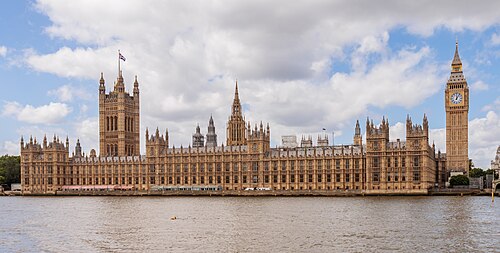
Elizabeth Tower
Big Ben is the bell, not the tower.
The Palace of Westminster is the seat of the two houses of the United Kingdom Parliament and, unlike the other great buildings on this stretch of the Thames, it is a workplace before it is a monument.
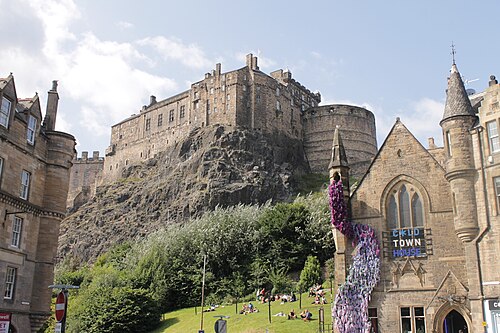
Edinburgh Castle sits on a plug of volcanic rock at the head of the Royal Mile, and it is the reason the city grew where it did.
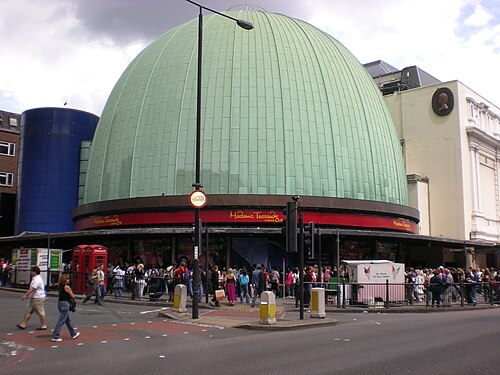
Madame Tussauds is a wax museum in London displaying lifelike figures of celebrities, historical figures, and cultural icons. Founded by Marie Tussaud, it has become a major tourist attraction.
Royal Observatory Greenwich
The Royal Observatory stands on the hill in Greenwich Park where Charles II commissioned it in 1675 to fix longitude at sea, and it is the reason the world sets its clocks from a line drawn through south-east London.
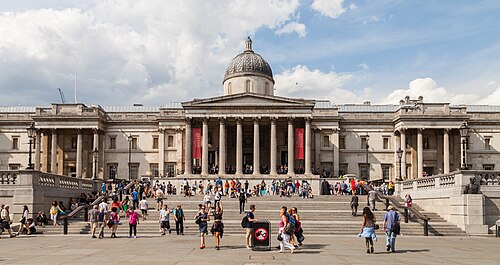
The National Gallery is London's national collection of paintings in the Western European tradition. Its collection of more than 2,600 works brings together late medieval religious pictures, Renaissance portraits, Dutch scenes of everyday life and French Impressionist painting.
Palace of Holyroodhouse
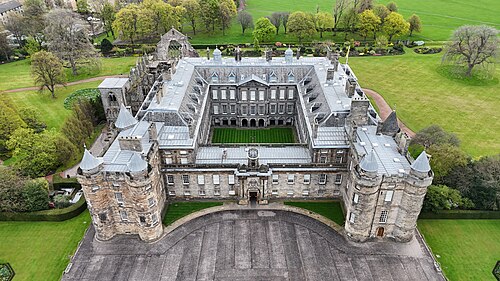
The Palace of Holyroodhouse is the King's official residence in Scotland and a public visit that combines royal rooms, the remains of Holyrood Abbey and palace gardens.
Tate Modern occupies the former Bankside Power Station, converted into an art gallery by Herzog & de Meuron.
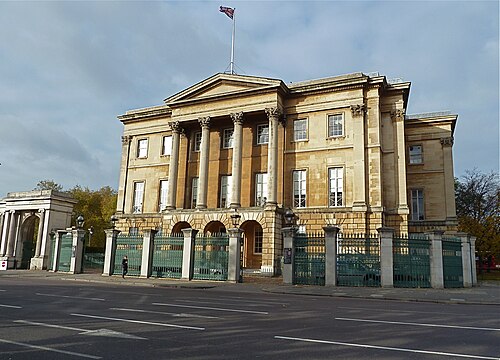
Apsley House is a Georgian townhouse at Hyde Park Corner, also known as Number One, London. It became the London home of Arthur Wellesley, the first Duke of Wellington, whose military career included victory over Napoleon at Waterloo.
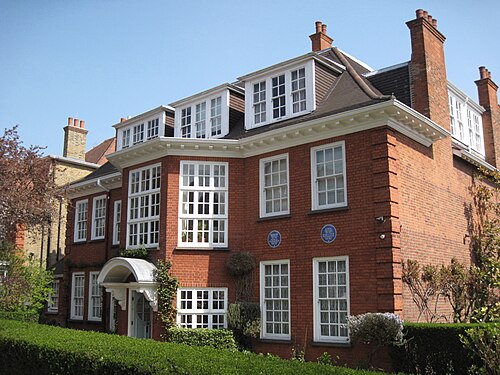
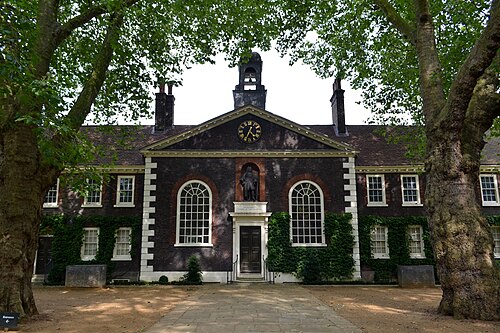
Freud Museum London preserves the Hampstead home of Sigmund Freud, founder of psychoanalysis, and his daughter Anna Freud, a major figure in child psychoanalysis.
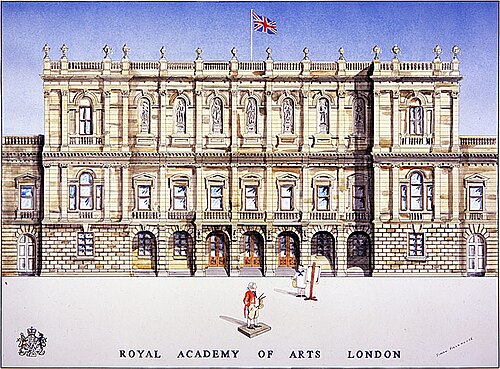
The Royal Academy of Arts is an art institution based in Burlington House on Piccadilly in London. Founded in 1768, it operates as an independent, privately funded institution led by eminent artists and architects.
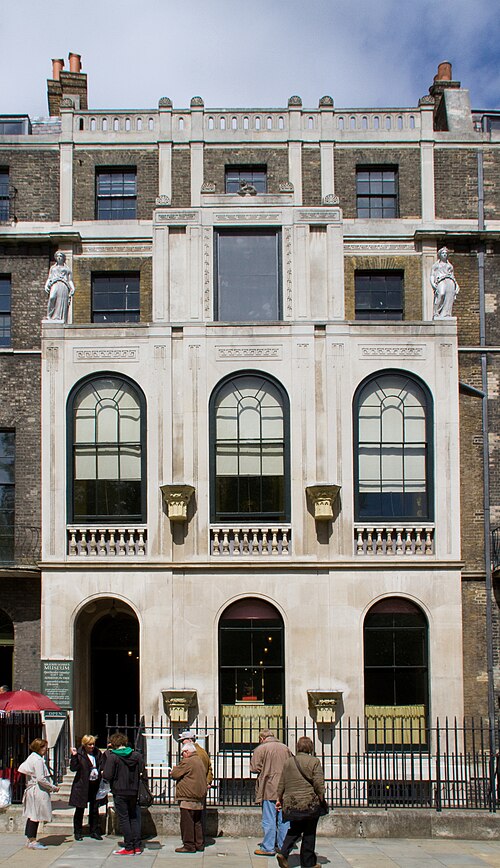
Sir John Soane's Museum is the former London home, studio and collection of the neo-classical architect John Soane. At 13 Lincoln's Inn Fields, Soane reshaped an ordinary Georgian house into an intensely personal setting for architecture, art and antiquities.
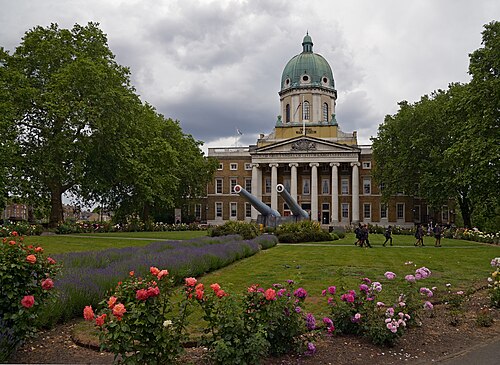
Imperial War Museum London is a major museum about conflict and its effects on military and civilian life. Founded in 1917 to record the First World War, it now covers conflicts from that period to the present.
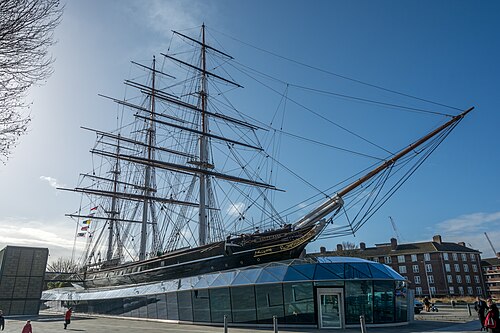
Cutty Sark is a preserved nineteenth-century clipper ship in Greenwich. Launched in 1869, she was built for the fast tea trade between China and Britain and later carried wool from Australia.
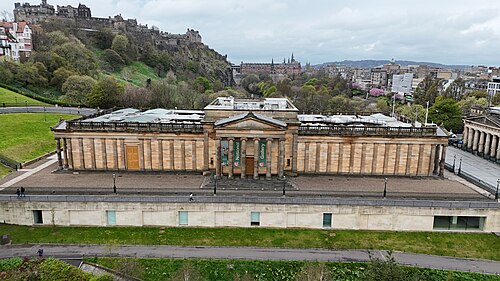
National Gallery
The Scottish National Gallery, branded by National Galleries of Scotland simply as the National, is the principal gallery on the Mound above Princes Street Gardens.
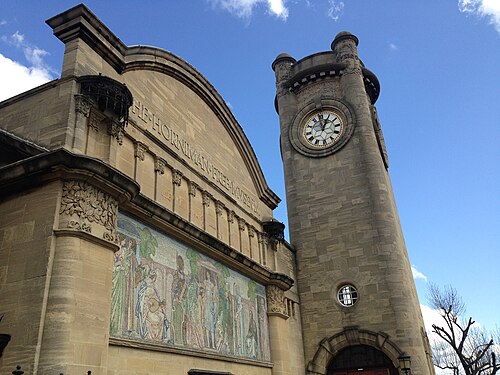
Horniman Museum
Horniman Museum and Gardens is a museum, aquarium and landscaped garden complex in Forest Hill, south London.
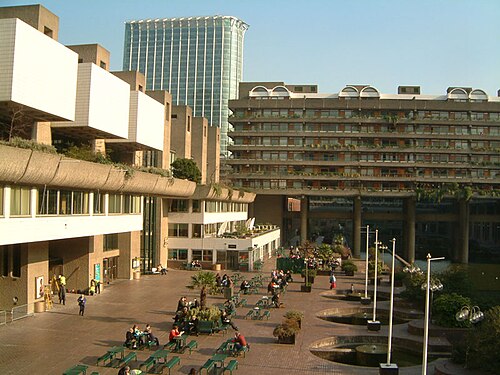
The Barbican Centre is a major performing arts venue in the City of London. It occupies a distinctive brutalist complex that also includes residential apartments and the Museum of London, though the museum is a separate entity.
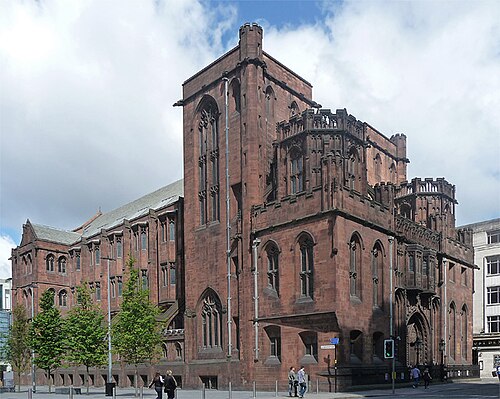
John Rylands Library opened in 1900 as Enriqueta Rylands’s gift to Manchester and was purpose-built to give public access to rare books, manuscripts and archives.
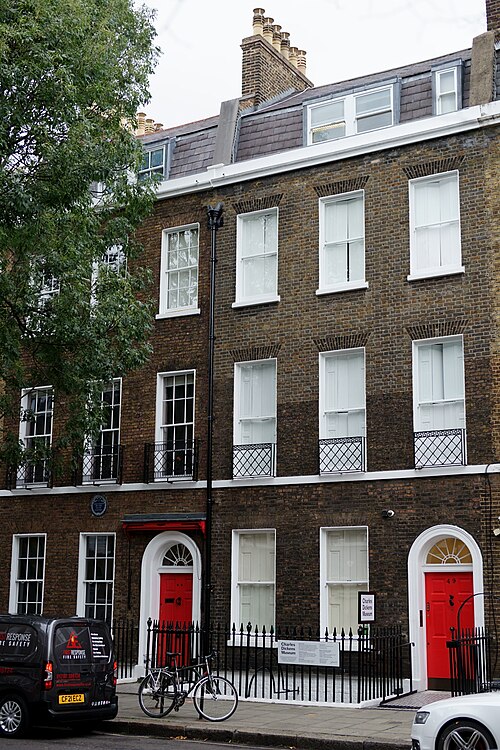
Charles Dickens Museum occupies 48 Doughty Street, the only surviving London residence where Charles Dickens lived.
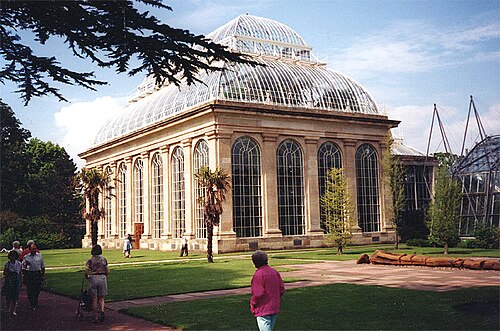
The Royal Botanic Garden Edinburgh, usually called the Botanics, is a living scientific collection and a public garden one mile north of the city centre.
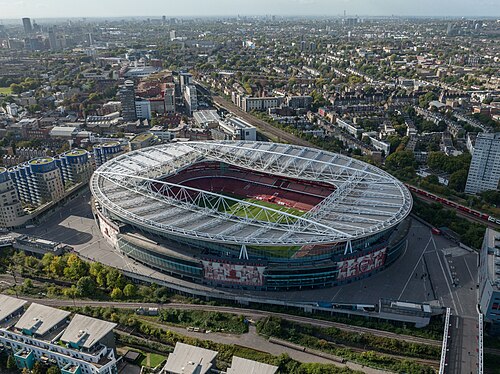
Emirates Stadium is the home ground of Arsenal Football Club, located in Holloway, North London. Opened in 2006, it replaced the historic Highbury stadium. The venue hosts Premier League and European football matches, as well as occasional concerts and events.
The All England Lawn Tennis and Croquet Club is a prestigious private members club in Wimbledon, southwest London. It is globally recognised as the venue for the Wimbledon Championships, the oldest tennis tournament in the world.
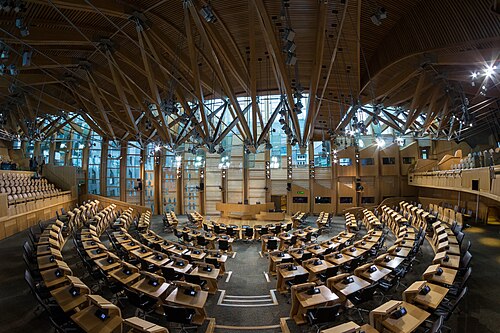
The Scottish Parliament
The Scottish Parliament is a working parliamentary building at Holyrood and a free public visit, not merely an architectural sight.
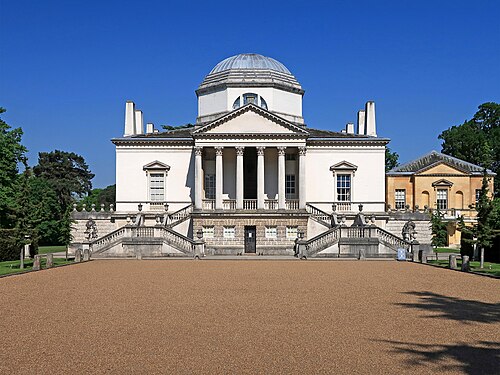
Chiswick House is an eighteenth-century Palladian villa in west London, created under the direction of Lord Burlington and inspired by Andrea Palladio and classical Roman architecture.
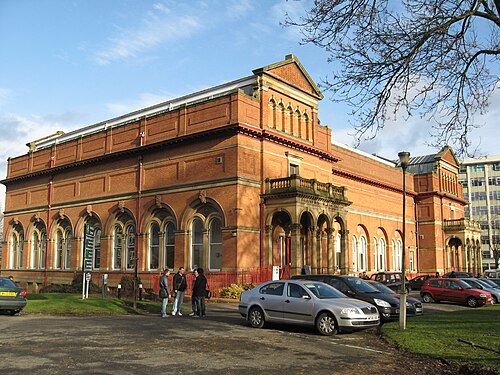
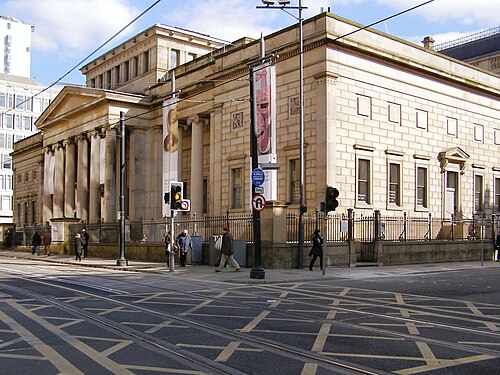
Manchester Art Gallery grew from the Royal Manchester Institution, whose fine-art holdings transferred to the new municipal gallery in 1882.
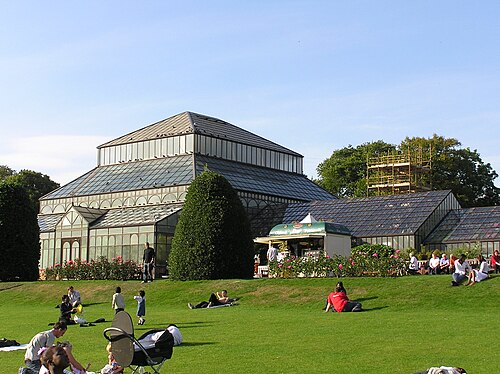
Glasgow Botanic Gardens is a working botanic garden run by Glasgow City Council in the West End, and the council asks visitors to hold that distinction: many people arrive thinking of it as a park, and the staff would rather…
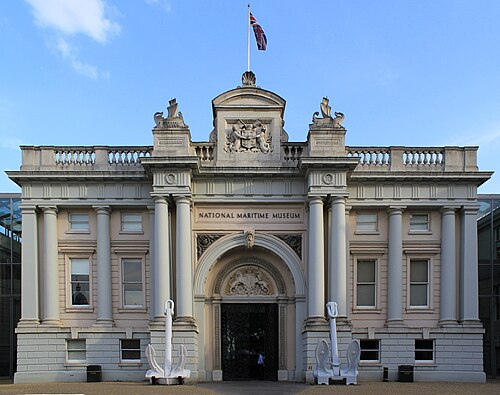
The National Maritime Museum is a major maritime museum in Greenwich, London. It forms part of the Royal Museums Greenwich, which also includes the Royal Observatory, Cutty Sark, and the Queen's House.
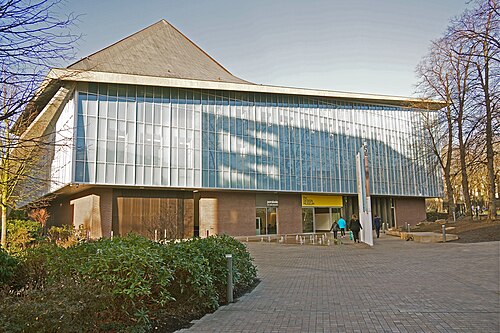
The Design Museum is a museum in London dedicated to contemporary design in every form, from architecture and fashion to graphics, product and industrial design.
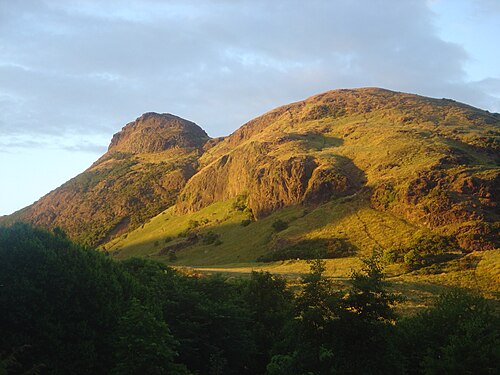
Arthur's Seat is the high point of Holyrood Park, the royal park that Historic Environment Scotland manages on the eastern edge of Edinburgh's Old Town and describes as roughly circular and about a mile in diameter.
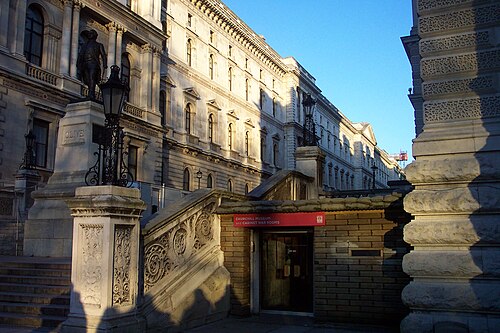
The Churchill War Rooms constitute a museum housed within the original Cabinet War Rooms, the underground headquarters where Prime Minister Winston Churchill directed British military operations during the Second World War.
HMY Britannia is the former Royal Yacht, launched in 1953 for the British Royal Family and preserved in Leith by The Royal Yacht Britannia Trust.
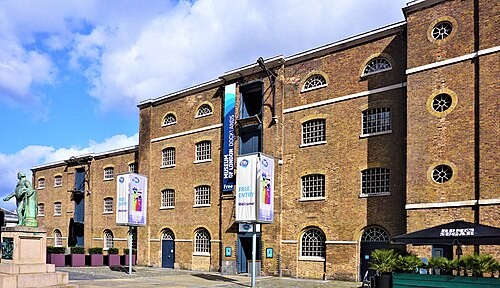
London Museum Docklands is a museum located in the Docklands area of East London. It occupies a former warehouse building at West India Quay, a heritage site that reflects the area's maritime and commercial history.
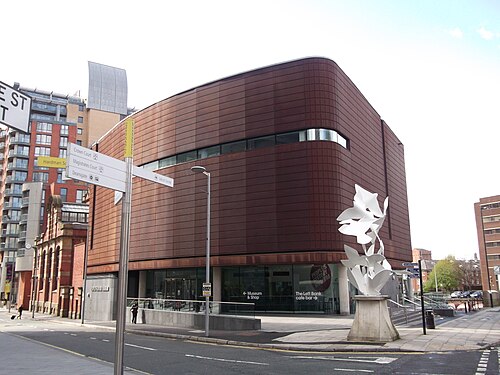
People’s History Museum calls itself the national museum of democracy and traces how people in Britain organised for political and social change.
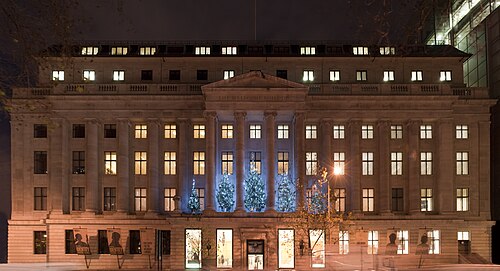
Wellcome Collection is a museum and library on Euston Road in London devoted to health, medicine and human experience.
Museum of the Home explores domestic life and interiors in London from the seventeenth century to the present.
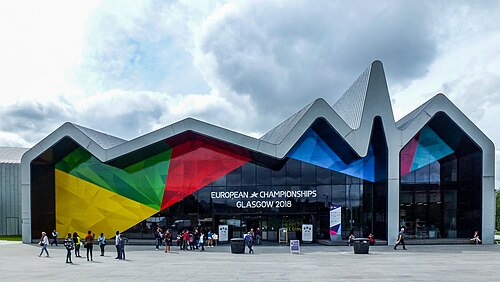
The Riverside Museum is Glasgow's transport and technology museum, standing where the River Kelvin meets the Clyde in Partick, about two miles west of George Square.
The King's Gallery
The Queen’s Gallery is an art gallery at Buckingham Palace in London, dedicated to works from the Royal Collection. It occupies the site of a former chapel destroyed by bombing during the Second World War.
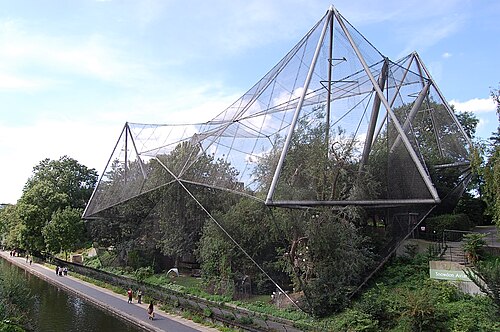
London Zoo is a zoological garden in Regent's Park, central London. Established in 1828, it opened to the public in 1847. It is the world's oldest scientific zoo, originally intended for scientific study.
The Manchester Museum
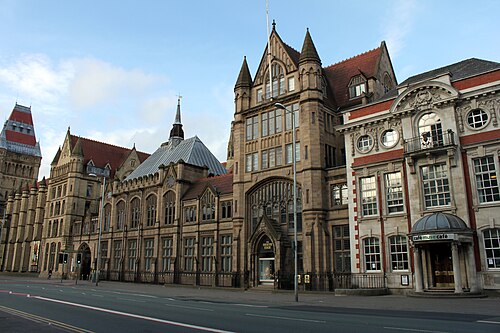
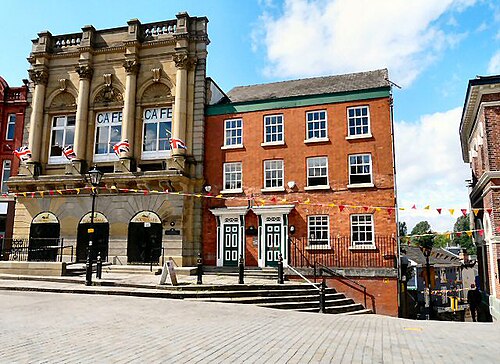
Manchester Museum is the University of Manchester’s museum of human cultures and the natural world, housed in its Oxford Road neo-Gothic building.
Provand's Lordship stands as Glasgow's oldest surviving house, a rare medieval building in a city transformed by Victorian and modern development.
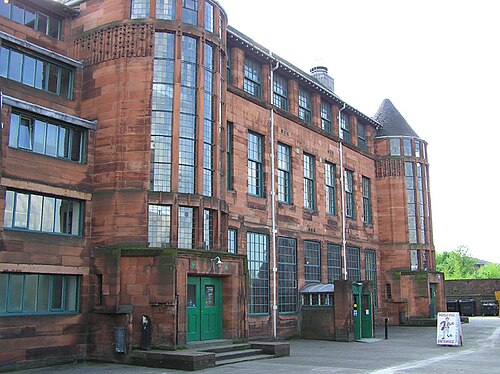
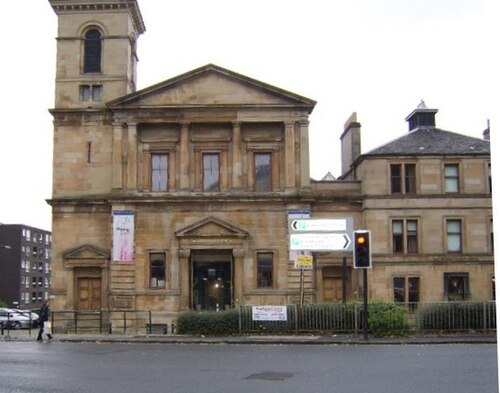
Scotland Street School Museum occupies a former Glasgow school building designed by Charles Rennie Mackintosh. It combines architectural interest with the social history of Scottish education.
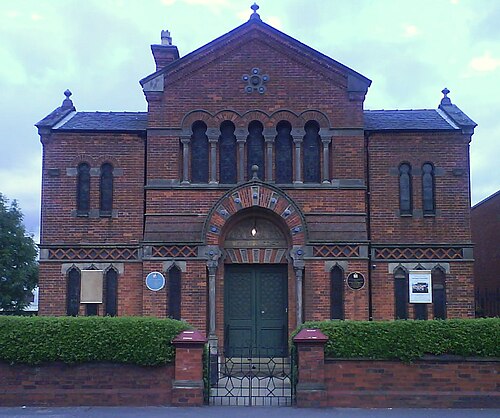
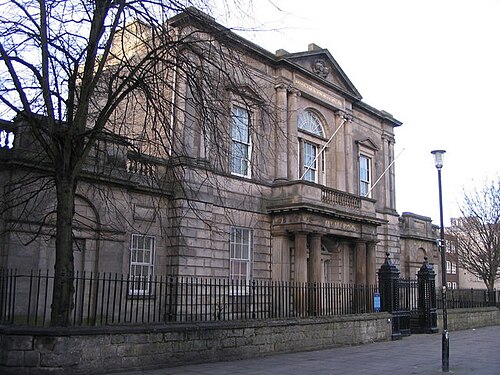
Manchester Jewish Museum occupies a former Spanish and Portuguese synagogue in Cheetham Hill. The Grade II* listed building was completed in 1874 and served as a place of worship for nearly a century before closing in 1984.
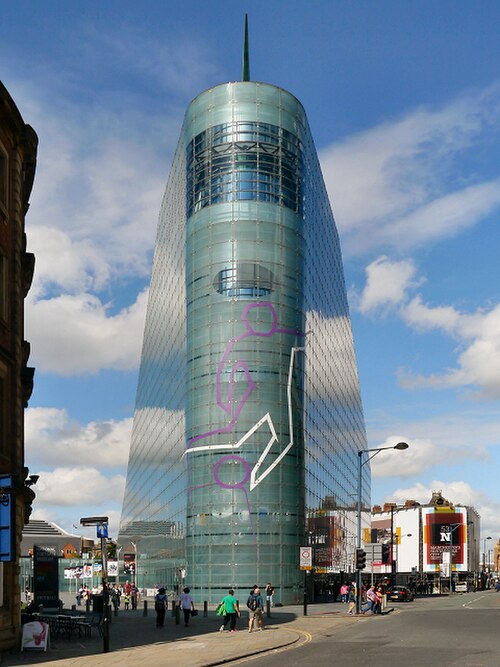
National Football Museum uses four floors of the Urbis building at Cathedral Gardens to tell the history and culture of the English game. It is not organised by club allegiance.
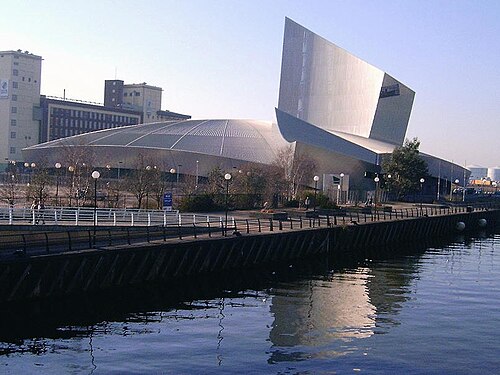
IWM North is Imperial War Museums’ branch at Trafford Wharf, opened in 2002 as the family’s first museum outside south-east England.
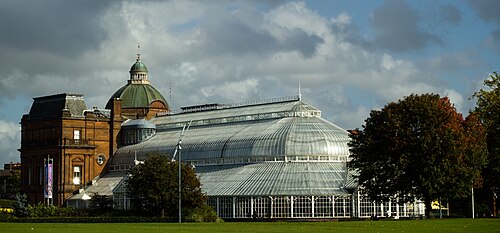
The People’s Palace is a museum and public glasshouse in Glasgow Green, the city’s oldest park. It presents Glasgow’s social history through the lives, work, homes, politics, leisure, and communities of ordinary residents.
The Whitworth
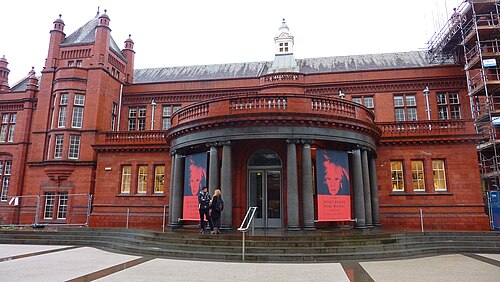
The Whitworth is the University of Manchester’s art gallery in Whitworth Park, founded in 1889 in memory of industrialist Joseph Whitworth for the benefit of Manchester’s public.
Hunterian Museum
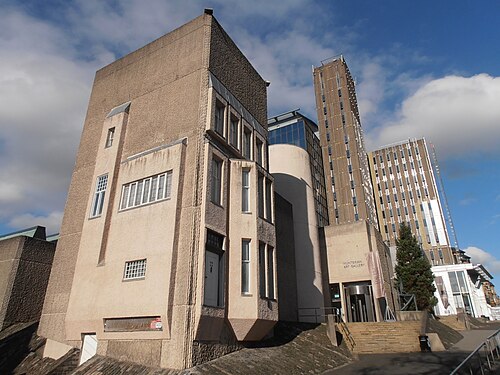
The Hunterian Museum and Art Gallery is Scotland's oldest public museum, founded in 1807 following the will of Dr William Hunter, a pioneering anatomist and collector.
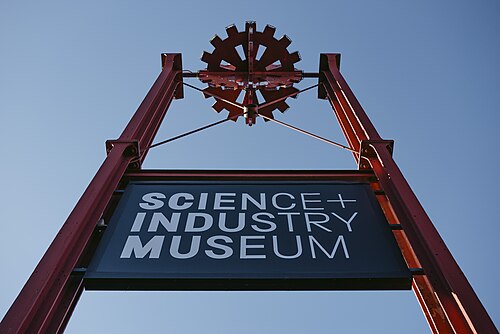
Science and Industry Museum occupies part of the former Liverpool Road railway complex, where Manchester’s industrial past is interpreted through working machinery, experiments and locally made technologies.
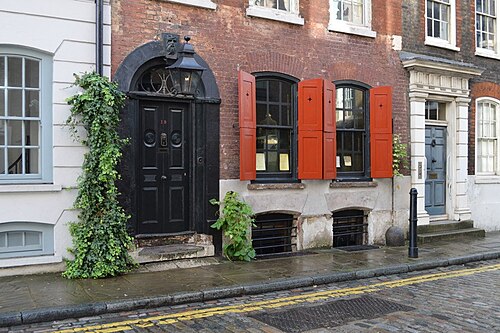
Dennis Severs’ House is an immersive historic house in Spitalfields, created by American artist Dennis Severs inside a Georgian terraced home.
David Livingstone Museum
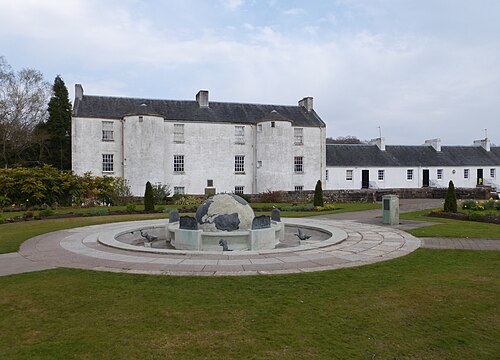
The David Livingstone Centre, also known as the David Livingstone Museum, is a heritage attraction in Blantyre, about eleven kilometres south-east of Glasgow city centre.
Trinity House
Trinity House of Leith is a historic maritime building in Edinburgh's port district of Leith. The structure served as the headquarters for the Incorporation of Masters and Mariners, a guild governing seafaring activities.
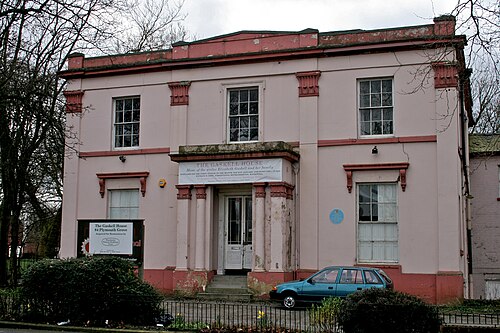
Elizabeth Gaskell's House is a literary heritage house museum in Manchester. It was the home of the Victorian novelist Elizabeth Gaskell, author of Cranford, North and South, and Wives and Daughters.
Greater Manchester Police Museum & Archives
Greater Manchester Police Museum and Archives occupies a former police station in Manchester’s Northern Quarter.
The Writers' Museum is a literary museum in Edinburgh dedicated to Scottish writers. It celebrates the lives and works of Robert Burns, Sir Walter Scott, and Robert Louis Stevenson.
The Glasgow Necropolis is a Victorian cemetery of 37 acres, roughly 15 hectares, on the hill immediately east of Glasgow Cathedral, and it works as a piece of designed landscape rather than as a churchyard.
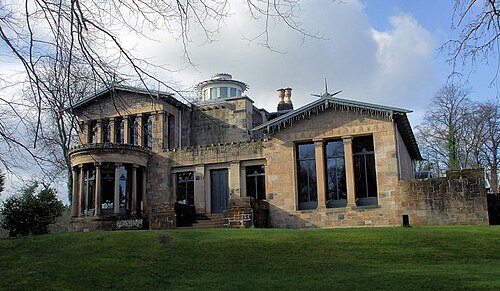
Holmwood House is a historic villa in Glasgow, designed by Alexander 'Greek' Thomson and completed in 1858.
The King's Gallery
The King's Gallery is a royal art gallery within the Palace of Holyroodhouse grounds at the eastern end of Edinburgh's Royal Mile.
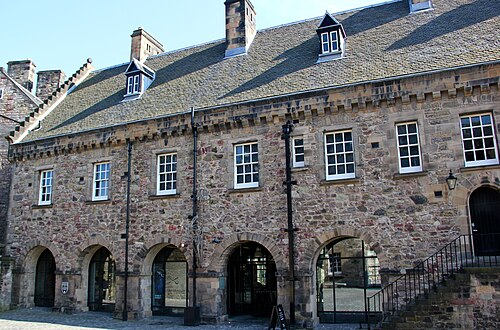
The National War Museum is a military history museum located within Edinburgh Castle in Scotland's capital city. It occupies a former storehouse building within the castle complex, which sits atop Castle Rock, a volcanic plug dominating the city skyline.
London Aquarium
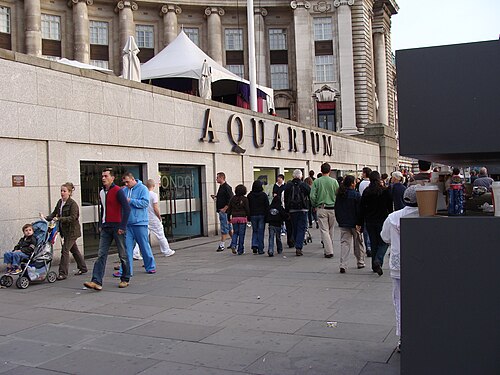
Sea Life London Aquarium is a public aquarium on London’s South Bank, inside County Hall beside the London Eye.
Salford Museum and Art Gallery is a local-history museum and art gallery in Salford, set beside Peel Park.
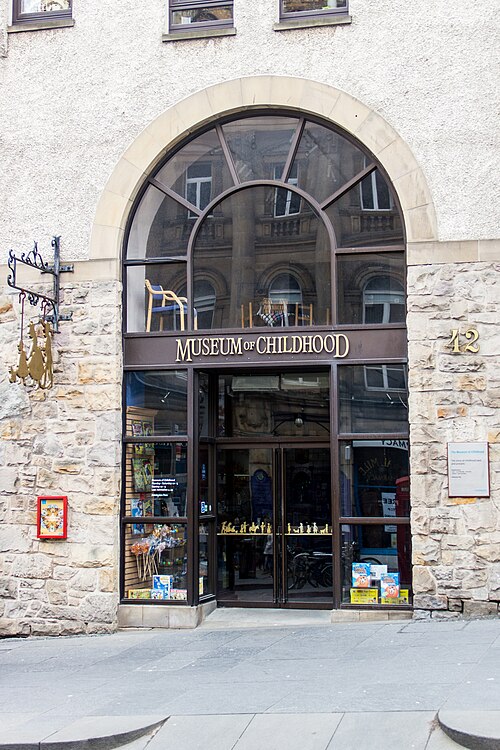
The Museum of Childhood is on Edinburgh’s Royal Mile in the Old Town. Its subject is the history of childhood, using objects connected with children’s lives, play and experiences across different periods.
St Cecilia's Hall is an eighteenth-century concert hall and music museum in Edinburgh. It is recognised as Scotland's oldest purpose-built concert hall and remains connected with the University of Edinburgh.
Scottish Football Museum is housed at Hampden Park, Scotland's national stadium, and explores the history and heritage of football in Scotland.
The People's Story Museum
People's Story Museum presents Edinburgh's social history through the experiences of ordinary residents. It occupies the historic Canongate Tolbooth on the Royal Mile, giving the visit a strong connection with the surrounding Old Town.
St Mungo Museum of Religious Life & Art
St Mungo Museum of Religious Life and Art is a museum in Glasgow dedicated to the study and display of religious art and artefacts from across the world.
Talbot Rice Gallery is an art gallery located in Edinburgh, Scotland. It forms part of the University of Edinburgh and is situated within the Old College building on South Bridge.
Dynamic Earth is a science centre and visitor attraction in Edinburgh, Scotland. It explores the story of planet Earth through interactive exhibits and immersive experiences.
The Museum of Edinburgh occupies Huntly House, a historic building on the Royal Mile. The structure dates to the sixteenth century and holds significance as one of the Old Town's notable architectural survivors.
Pollok Country Park is Glasgow's country park, a large former estate in the city's south-west rather than a formal city-centre garden. Glasgow City Council owns and manages the park.
Museum of Transport Greater Manchester
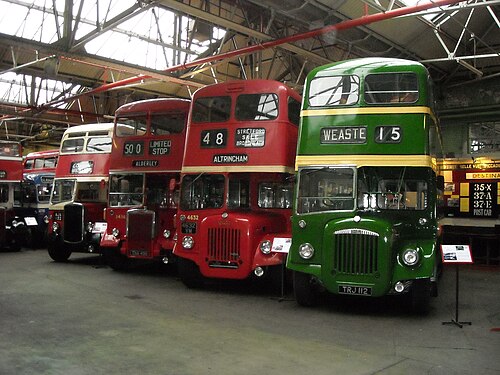
Museum of Transport, Greater Manchester is a heritage museum devoted to public transport in the Greater Manchester region. Its collection preserves buses, trams and other vehicles that served local communities across different periods.
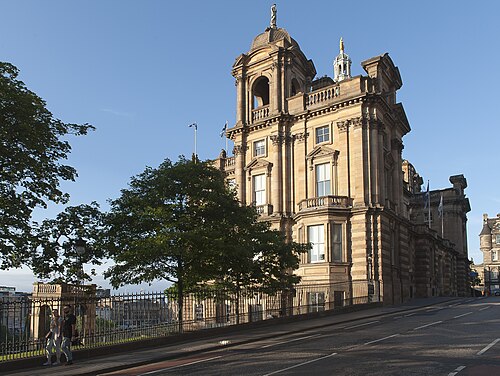
Museum on the Mound is an Edinburgh museum devoted to money, banking and finance. It occupies part of the former Bank of Scotland headquarters on The Mound, the central slope linking Edinburgh’s Old and New Towns.
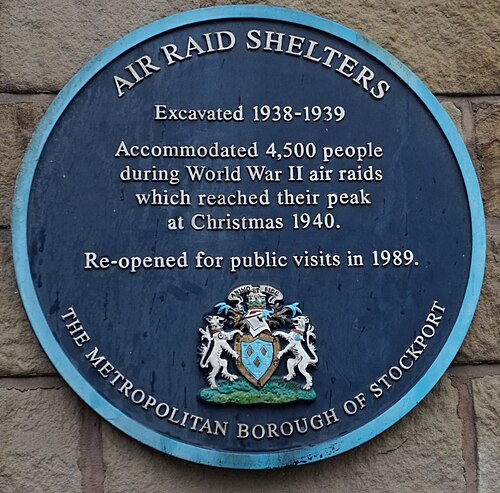
Stockport Air Raid Shelters is an underground museum in Stockport, Greater Manchester. Its tunnels were excavated during the Second World War to protect local civilians from aerial bombardment.
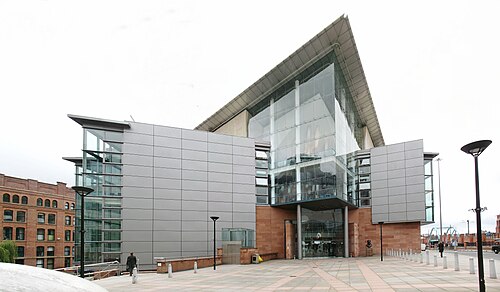
Bridgewater Hall is Manchester’s purpose-built international concert venue, created to replace the Free Trade Hall as the city’s principal large orchestral space.
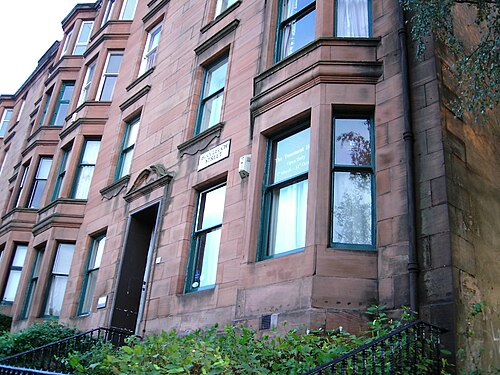
The Tenement House
The Tenement House is a preserved historic dwelling in Glasgow that offers insight into tenement living, a defining feature of urban Scottish life.
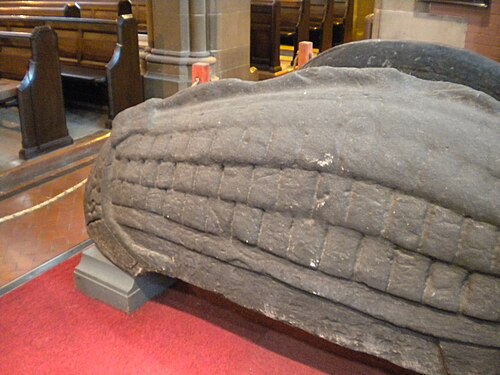
The Govan Stones constitute a significant collection of early medieval carved stones displayed at Govan Old Parish Church in Glasgow.
Hat Works is a museum in Stockport, Greater Manchester, dedicated to the history of hat-making. It occupies a restored Victorian hat factory, preserving machinery and workspace layouts from the industry's peak.
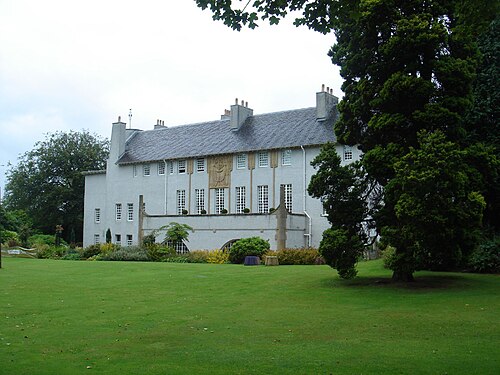
House for an Art Lover is a cultural venue in Glasgow's Bellahouston Park, built from designs by Charles Rennie Mackintosh. Construction was completed in 1996, decades after the 1901 competition entry that originated the concept.
The National Piping Centre is an institution in Glasgow dedicated to the preservation and promotion of bagpipe music and Scottish piping heritage.
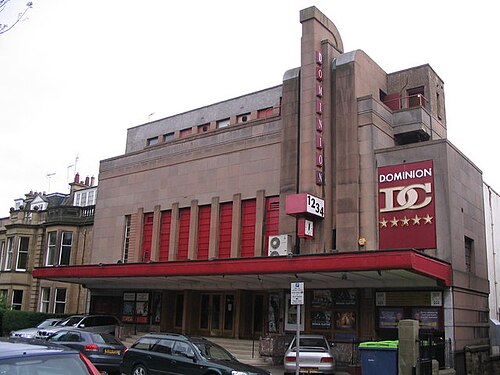
Dominion Cinema is a dedicated film venue in Edinburgh, Scotland, serving both local residents and visitors looking for an evening of cinema.
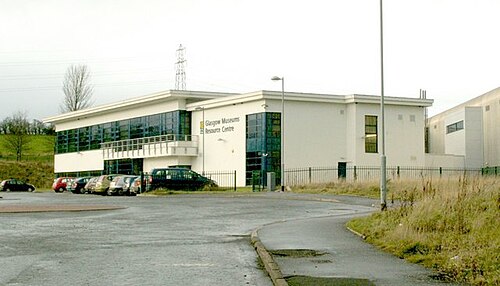
Glasgow Museums Resource Centre is the working collection store and care facility supporting Glasgow’s civic museums. It differs from a conventional gallery: many objects are kept in storage, examined by specialists, or prepared for display elsewhere.
Glasgow Police Museum tells the story of the City of Glasgow Police, founded in 1800 and recognised as Britain’s first modern municipal police force. The museum uses policing history to explore Glasgow’s changing society, institutions, technology, and public life.
The Royal Scots Regimental Museum
The Museum of the Royal Regiment of Scotland is part of Edinburgh Castle, presenting the heritage of Scotland’s infantry regiments within one of the city’s most important historic sites.
The Royal Scots Dragoon Guards Museum
The Royal Scots Dragoon Guards Museum presents the history of a Scottish cavalry regiment within Edinburgh. The collection follows the Royal Scots Dragoon Guards from origins in the seventeenth century through campaigns and continuing service in the British Army.
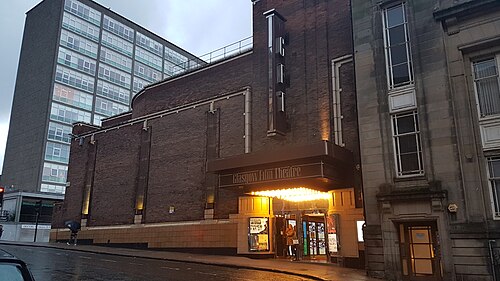
Glasgow Film Theatre is a city-centre cinema dedicated to distinctive film programming. Its schedule includes independent cinema, foreign-language films, documentaries and classics, alongside selected mainstream releases.
Renfrew Museum presents the local history of Renfrew and the surrounding district west of Glasgow. The museum focuses on the people, industries and everyday life of this former burgh, giving visitors a concentrated introduction to the area's community heritage.
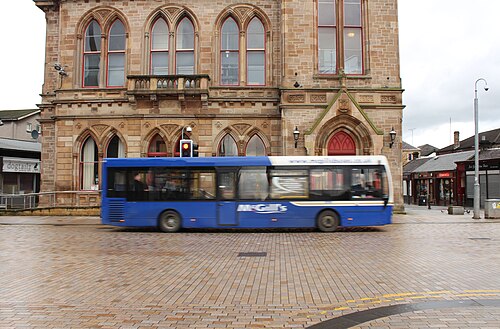
Stockport Museum is a local history museum situated in the town of Stockport, part of Greater Manchester. It occupies a prominent position within the historic Market Place area, housed in a distinctive building that contributes to the town's architectural character.
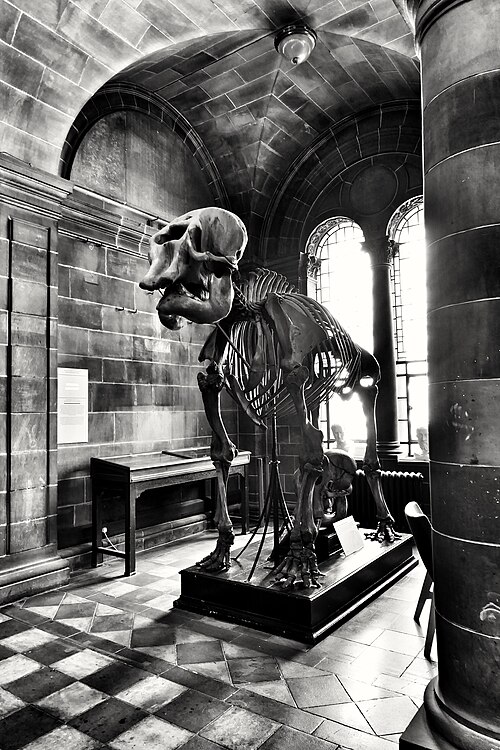
The Anatomical Museum is a historic medical collection associated with the University of Edinburgh.
Clayton Hall
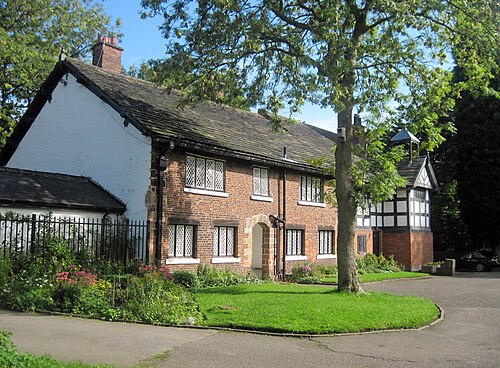
Clayton Hall Living History Museum presents Manchester’s historic Clayton Hall as an immersive heritage experience. Rather than viewing a modern gallery, visitors explore a preserved manor house through period rooms, recreated domestic settings and interpreters in historical costume.
Cockburn Geological Museum is a geology museum in Edinburgh, Scotland. Its subject is the study of rocks, minerals, fossils, and the processes that shape the Earth.
Heriot Watt Museum
Heriot-Watt University Museum and Archives preserves the history of Heriot-Watt University and its predecessor institutions in Edinburgh. It is an academic collection rather than a large general museum.
Special Collections Museum
Manchester Metropolitan University Special Collections is a museum and research facility operated by Manchester Metropolitan University. Known locally as the Special Collections Museum, it preserves distinctive archival and printed materials for study and public engagement.
Source: OpenStreetMap contributors, Wikidata ·
Ten to fourteen days can cover four or five days in London, two in Manchester, and two or three each in Edinburgh and Glasgow. The Highlands, Lake District, or Welsh national parks need dedicated nights and should not be squeezed into London day trips.
UK document rules depend on nationality and trip purpose, and many visitors now need an Electronic Travel Authorisation before boarding. Check the linked UK government visa service for both visa and ETA status shortly before travel.
Intercity rail is the practical spine between London, Manchester, Edinburgh, and Glasgow, with advance fares usually distinct from flexible tickets. Each city runs its own local fare system, so London's contactless cap is not a nationwide travel pass.
May to June and September are useful planning windows for this route, but conditions vary between southern England and Scotland. Festival dates in Edinburgh and rural transport in national parks can matter more than the national seasonal label.
The United Kingdom uses pound sterling (GBP). Contactless payment is widespread in major cities, but keep another payment method for rural services or terminals that do not share London's payment arrangements.
Use 999 or 112 for emergencies in the United Kingdom. Type G sockets supply 230 V, and mains tap water is recorded as safe; save rail disruption information as well when the itinerary depends on several city-to-city journeys.