
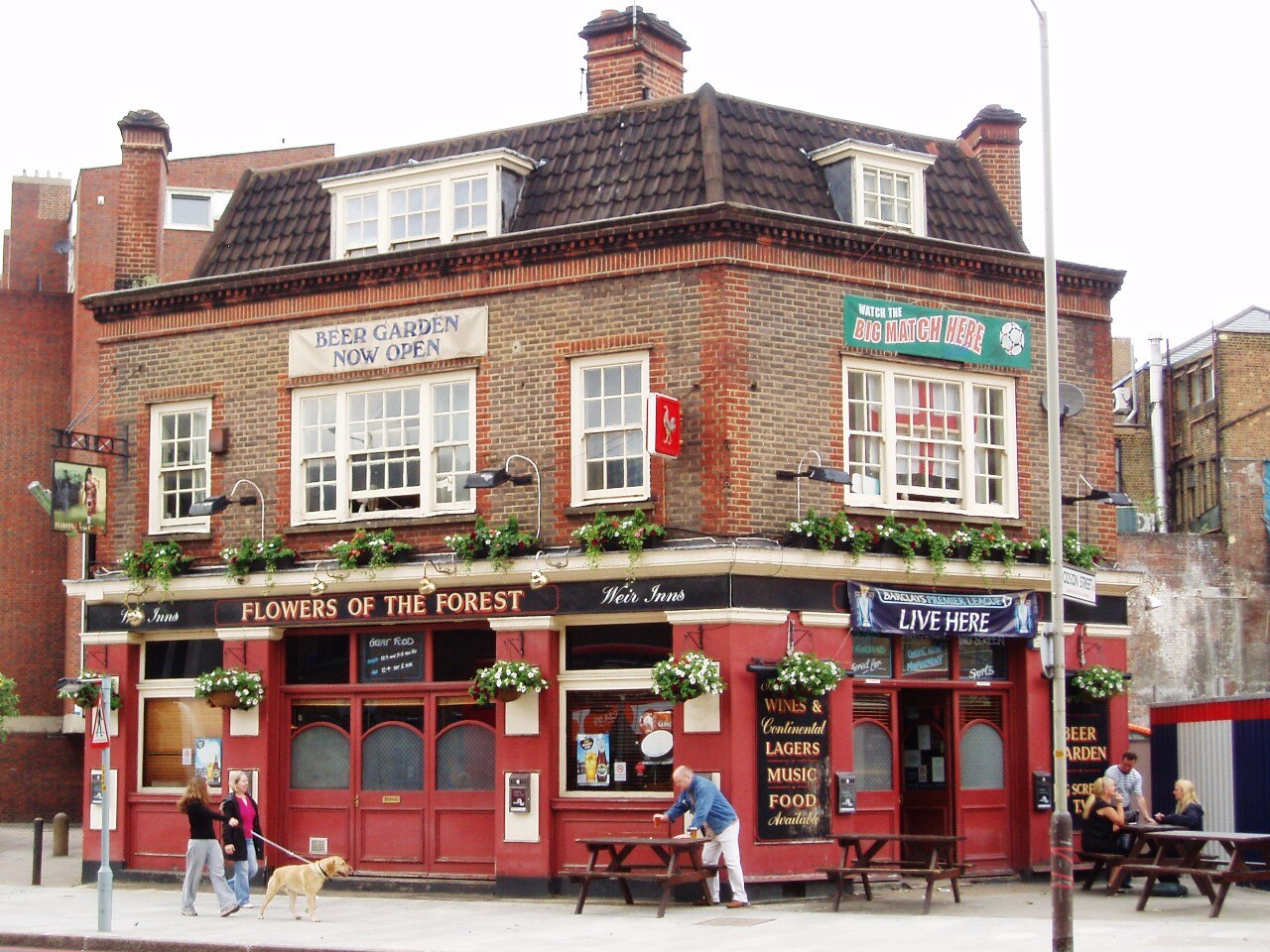
5 min walk · London Borough of Southwark
Flowers of the Forest
- Notable
- Nightlife venue
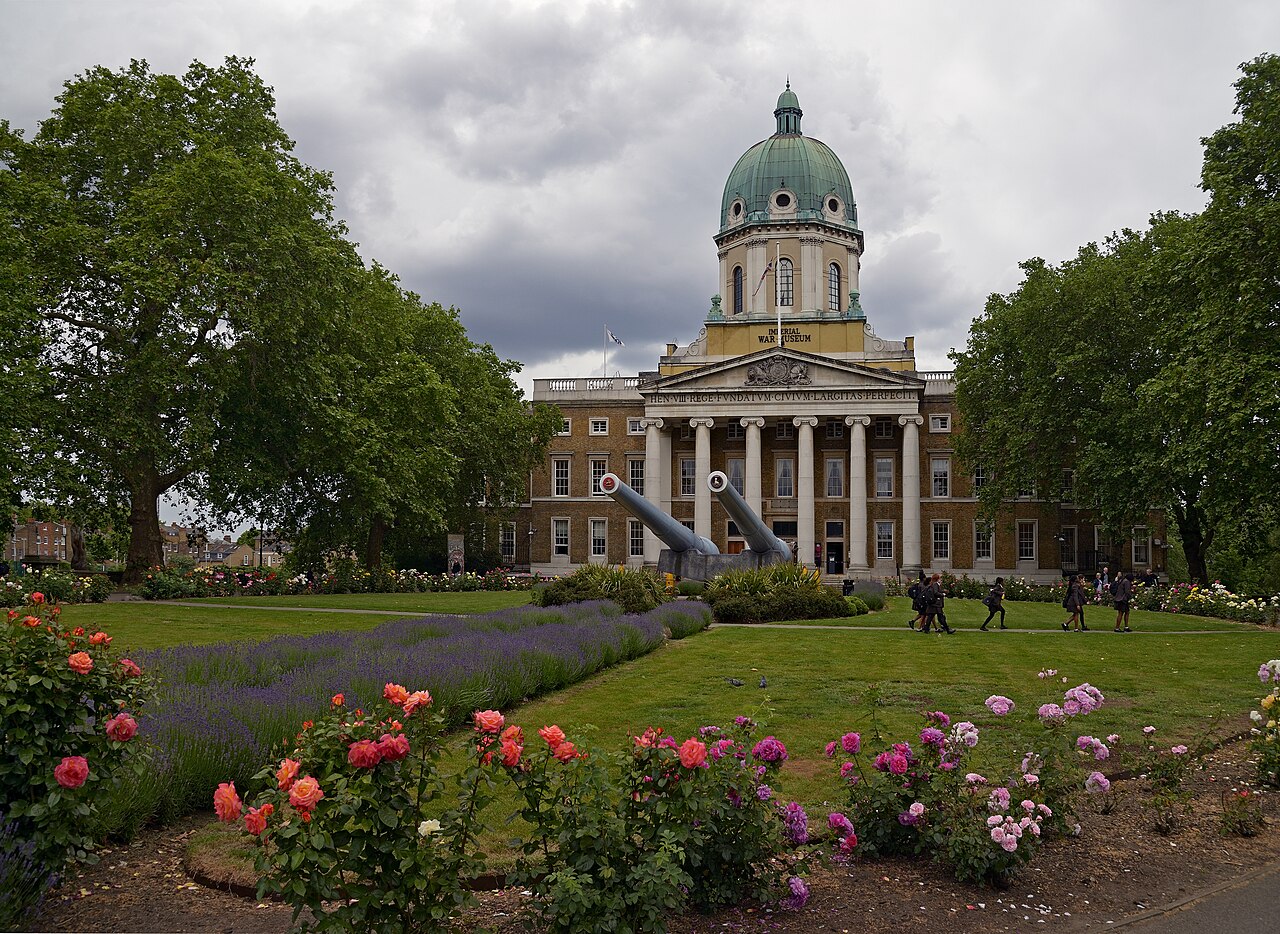
Museum · London Borough of Southwark, London
Read from the OpenStreetMap access tags; anything not listed has no tag recorded.
Set the group type to family in the planner and the day window contracts to about three quarters of a solo day.
Imperial War Museum London is a major museum about conflict and its effects on military and civilian life. Founded in 1917 to record the First World War, it now covers conflicts from that period to the present. The museum occupies the former Bethlem Royal Hospital building in Lambeth, giving the visit both a historical setting and a substantial collection of wartime material. It is a serious, emotionally demanding London attraction suited to travellers who want history presented through objects, documents and personal experience. The Imperial War Museum London is a major British museum dedicated to the history of conflict from the First World War to the present day. Founded during the First World War in 1917, it was established to record the story of the Great War and the contributions made by all elements of society.
Checked 2026-08-26 · Source
The galleries bring together military vehicles, aircraft, naval equipment, photographs, documents, artworks and personal testimonies. Large objects in the central atrium provide an immediate sense of scale, while the surrounding displays explain how war shaped institutions, families and ordinary routines. The museum combines technology and strategy with individual stories, so visitors move between machinery and human consequence. Temporary exhibitions add different themes in dedicated spaces. Read selectively when needed: the collection is extensive, and a thoughtful route is more rewarding than rushing through every display.
Checked 2026-08-26 · Source
Plan several hours for the main galleries, particularly if you want time for photographs, personal testimonies and the larger exhibits in the atrium. A focused visit can follow one conflict or theme, while a broader visit may occupy most of a day. Temporary exhibitions and dense text panels add considerable time. The museum rewards returning visitors because the collection is too substantial to absorb in one quick circuit. Build in a quiet pause between galleries if the subject matter becomes emotionally heavy.
Checked 2026-08-26 · Source
Weekdays outside school holidays generally provide a calmer setting for reading and reflection, while weekends and school breaks bring more families and groups. November can be especially busy around remembrance events. Temporary exhibitions and special programmes alter the museum’s atmosphere on particular dates. Arriving earlier gives you more time with the central atrium before the busiest period. Choose a quieter day when you want to spend longer with personal stories, and reserve more time when a temporary exhibition interests you as much as the permanent galleries.
Checked 2026-08-26 · Source
General admission to the permanent collections has traditionally been free, with donations encouraged. Temporary exhibitions and special events can use separate admission arrangements, so the type of visit affects the cost. A donation supports the museum while keeping the main collection accessible. Groups and visitors choosing a special event should organise their entry around that programme. Keep the permanent galleries in your plan even when you skip a paid exhibition: the atrium objects, military collections and civilian testimony provide a substantial visit on their own.
Checked 2026-08-26 · Source
The museum is on Lambeth Road in south London. Lambeth North, Elephant and Castle, and Waterloo provide Underground or rail connections within walking distance, and buses serve the surrounding streets. Use the building’s prominent position on Lambeth Road as the final orientation point. A journey by public transport is practical from central London, while road traffic can slow approaches during weekday peaks. Combine the museum with a walk through Lambeth or the South Bank only if you still have enough time for the galleries themselves.
Checked 2026-08-26 · Source
The museum deals directly with death, destruction, displacement and personal loss. Some galleries can be distressing for children and for adults with personal connections to conflict. Discuss the visit with younger travellers before entering and allow them to skip displays that feel too intense. The building contains multi-level galleries, stairs and large crowds around major objects. Security arrangements can affect entry, and busy periods make movement slower. Plan a break rather than trying to maintain a fast pace through difficult material.
Checked 2026-08-26 · Source
The atrium’s aircraft, vehicles and large military objects create strong subjects for non-commercial photographs, especially from the surrounding gallery levels. In the exhibition rooms, read the signs before photographing objects or displays. Keep flash off where restrictions apply, and give other visitors space around popular exhibits. Temporary exhibitions may use stricter rules than the permanent galleries. Use photographs as reminders of the visit, but spend time with the documents and testimony too; the museum’s human stories are central to what the objects mean.
Checked 2026-08-26 · Source
It covers conflict from the First World War to the present, including military operations and the experiences of civilians.
Allow several hours for the main galleries; a broad visit with temporary exhibitions can occupy most of a day.
The permanent collections have traditionally offered free general admission, with donations encouraged; temporary exhibitions may be separate.
Lambeth North, Elephant and Castle, and Waterloo provide nearby Underground or rail connections.
Families can visit, but displays dealing with death, destruction and suffering may be distressing for younger visitors.
Non-commercial photography is generally associated with the atrium and permanent displays, while temporary exhibitions can impose restrictions.
Loading the interactive map…
The interactive map could not be loaded.
Last updated:
Source: OpenStreetMap contributors, Wikidata ·