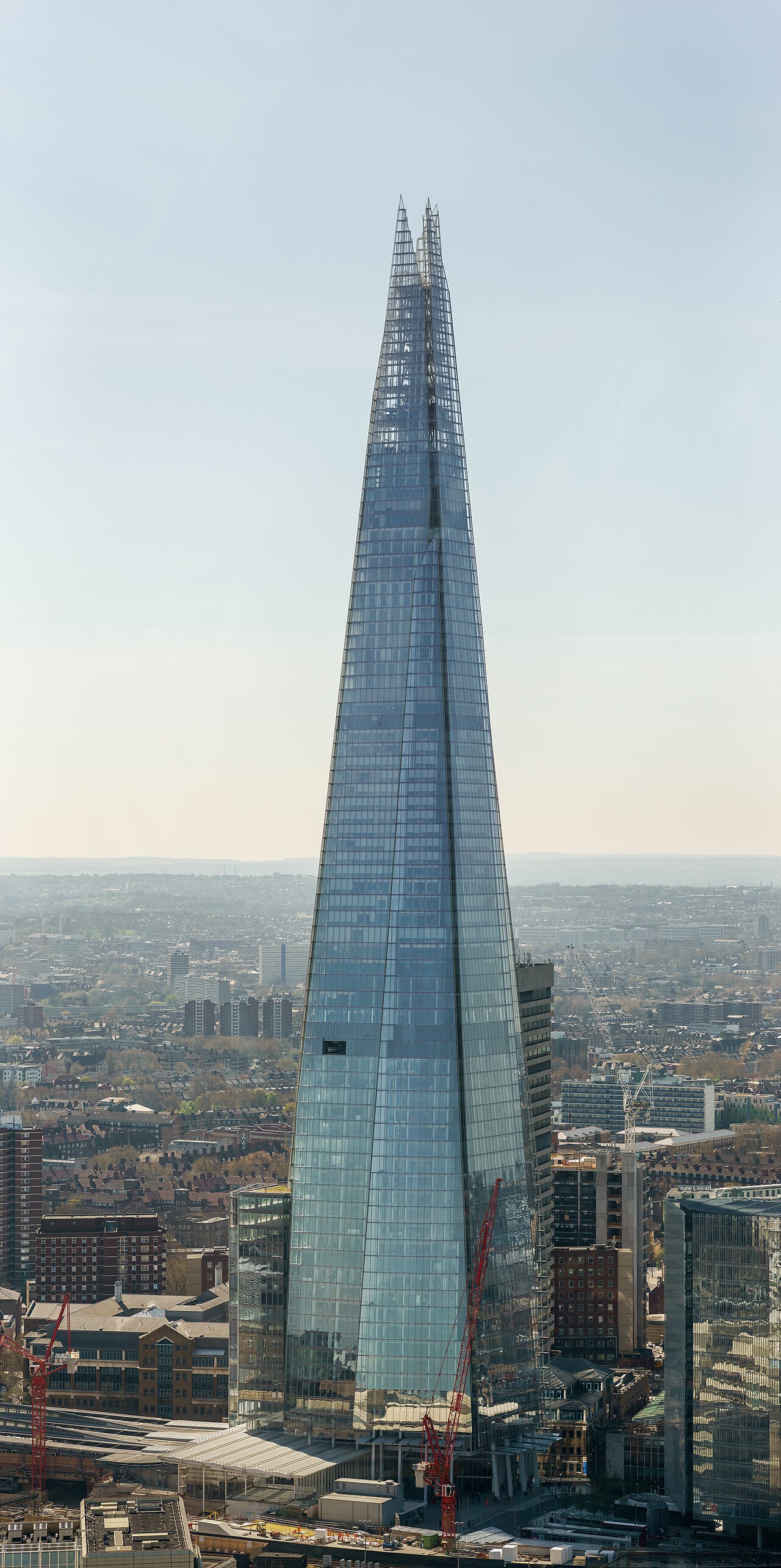
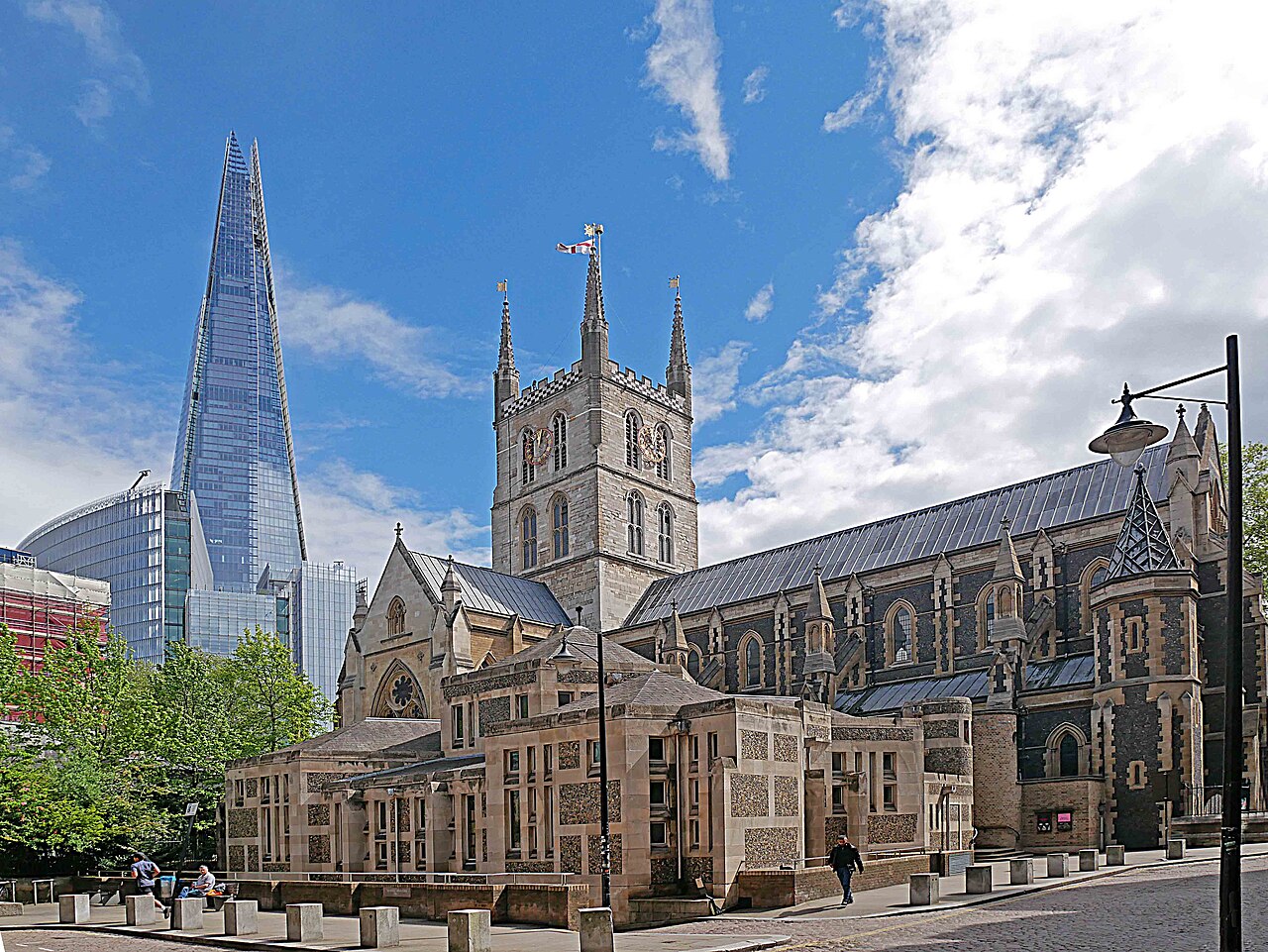
The Shard is a glass-clad skyscraper on the south bank of the River Thames, in London’s London Bridge Quarter. Renzo Piano designed its distinctive pyramidal form, which narrows towards the sky and has become one of the capital’s most recognisable silhouettes. The mixed-use building brings offices, restaurants, hotel accommodation and visitor viewpoints together. For travellers, its main attraction is the chance to experience London from a great height while remaining close to the riverside, London Bridge and the City. The building works well as part of a walking day through central London because several major landmarks lie within the surrounding neighbourhood.
The View from the Shard occupies levels 68 to 72 and provides panoramic views over London. The viewpoint experience includes elevated observation areas where the city spreads out below in several directions. Restaurants and bars operate at different heights inside the building, while the Shangri-La Hotel occupies floors 34 to 52. Offices fill much of the remaining tower and retail units sit at ground level. The attraction is therefore more than a single lookout: it is a vertical sequence of public, hospitality and commercial spaces. Visitors mainly come for the upper viewpoints, while dining offers a separate way to spend time in the tower.
A visit to the viewing platforms commonly takes one to two hours. That time allows room to look across the skyline, move between the observation levels and take photographs. Dining inside the tower extends the stop to two or three hours or longer, depending on the meal. The practical pace depends on how strongly you want to focus on views, architecture or photography. A short visit can still deliver the defining experience, while a slower visit gives more opportunity to compare landmarks across the horizon. Leave some flexibility around the visit because queues and busy periods can lengthen the overall stop.
Clear weather gives the strongest experience from The Shard because distant London landmarks are easier to distinguish from the upper levels. Sunset is an especially popular period, bringing stronger demand and changing light across the city. Morning visits may feel quieter and provide bright daylight for wide skyline views. Seasonal daylight also changes the character of the panorama: summer offers longer visibility, while winter can bring an earlier transition into evening. The viewpoint and restaurants operate throughout the year, so the best time depends on whether you value daylight, sunset colour, evening lights or a calmer atmosphere.
The viewing platforms require paid admission, while restaurants and hotel stays use separate reservation and pricing arrangements. Standard entry and flexible timed-entry options are among the ticket formats associated with the viewpoint. A reservation gives the visit a defined place in the day, which is useful when combining The Shard with London Bridge, the Thames Path or nearby museums. Restaurant bookings should be treated separately from viewpoint admission. Group visits may use different arrangements from individual visits. The key distinction for planning is that seeing the panorama and dining in the tower are separate visitor experiences with separate commercial terms.
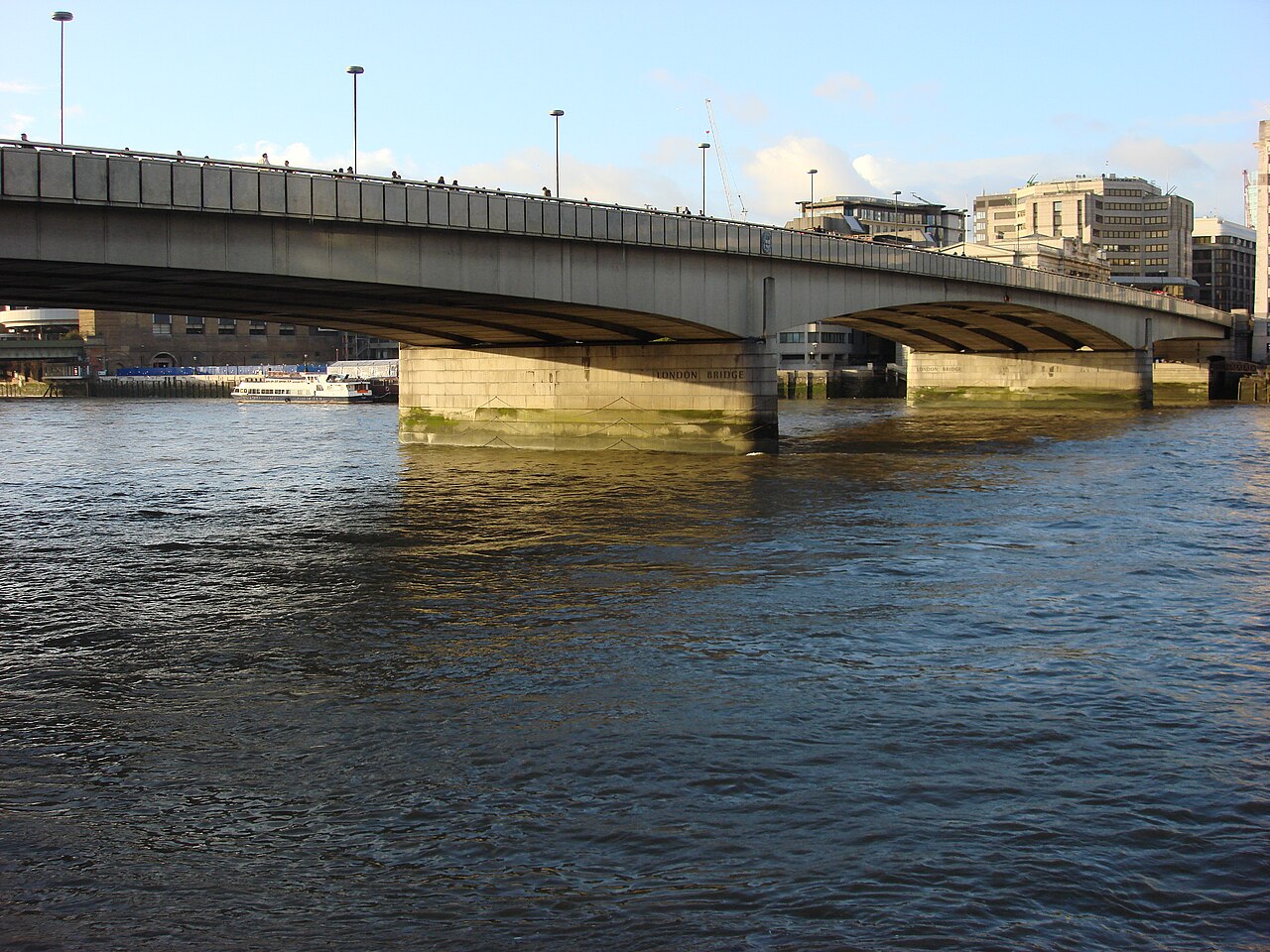
The Shard stands beside London Bridge station, giving it direct access to National Rail and the Northern and Jubilee Underground lines. The surrounding streets carry numerous bus routes, and river bus services provide an alternative approach from nearby Thames piers. Walkers can connect the tower with the City by crossing London Bridge, or follow the riverside paths towards Tower Bridge and other central landmarks. Driving is inconvenient in this part of London because traffic is heavy and central parking is limited. Public transport and walking fit the location best, especially for a full day around the Thames.
The height is central to the experience, so the viewpoint may feel intense for anyone uncomfortable with elevated spaces. Full-height glazing provides protection while preserving the sensation of looking far above the city. Weekends, holidays and sunset periods can be busy. Entry includes security screening, and bag-size rules may affect what you carry. Children need close supervision around the observation areas. Rain, haze or cloud can reduce the distance of the views. The London Bridge neighbourhood itself is a busy pedestrian and traffic zone, so allow extra care when moving between the tower, the station and the riverside.
The Shard offers both interior skyline photography and exterior architectural views. From the observation platforms, the glazing frames London in broad layers, although reflections can complicate photographs taken directly against the windows. The tower’s form is particularly effective from the Thames Path, Tower Bridge and the Monument area, where distance reveals the tapering profile. Night views show the illuminated structure against the city, while daylight gives clearer detail across the river. Personal photography is permitted on the viewing platforms. Tripods, commercial equipment and drone work have separate restrictions, so compact handheld equipment is the most practical choice for an ordinary visit.
The upper viewing levels provide panoramic views across London, with the city, the River Thames and surrounding landmarks spread across the horizon.
Where is The Shard?
The Shard is in the London Bridge Quarter on the south bank of the River Thames, directly beside London Bridge station.
How long does a viewpoint visit take?
Many visitors spend one to two hours at the viewing platforms. Dining inside the building can extend the visit to two or three hours or longer.
Which transport reaches The Shard?
London Bridge station provides National Rail and Northern and Jubilee Underground connections. Bus routes, nearby river piers and walking routes across London Bridge also serve the area.
Are there restaurants inside The Shard?
Yes. Restaurants and bars operate at different heights in the building, and the Shangri-La Hotel occupies floors 34 to 52.
What is The Shard’s architectural shape?
Renzo Piano designed The Shard as a glass-clad pyramidal tower that tapers towards a pointed top.
Nothing non-essential is set before you choose, in regions where consent is required. If you decline, ads still appear and analytics is switched off entirely.