.jpg)
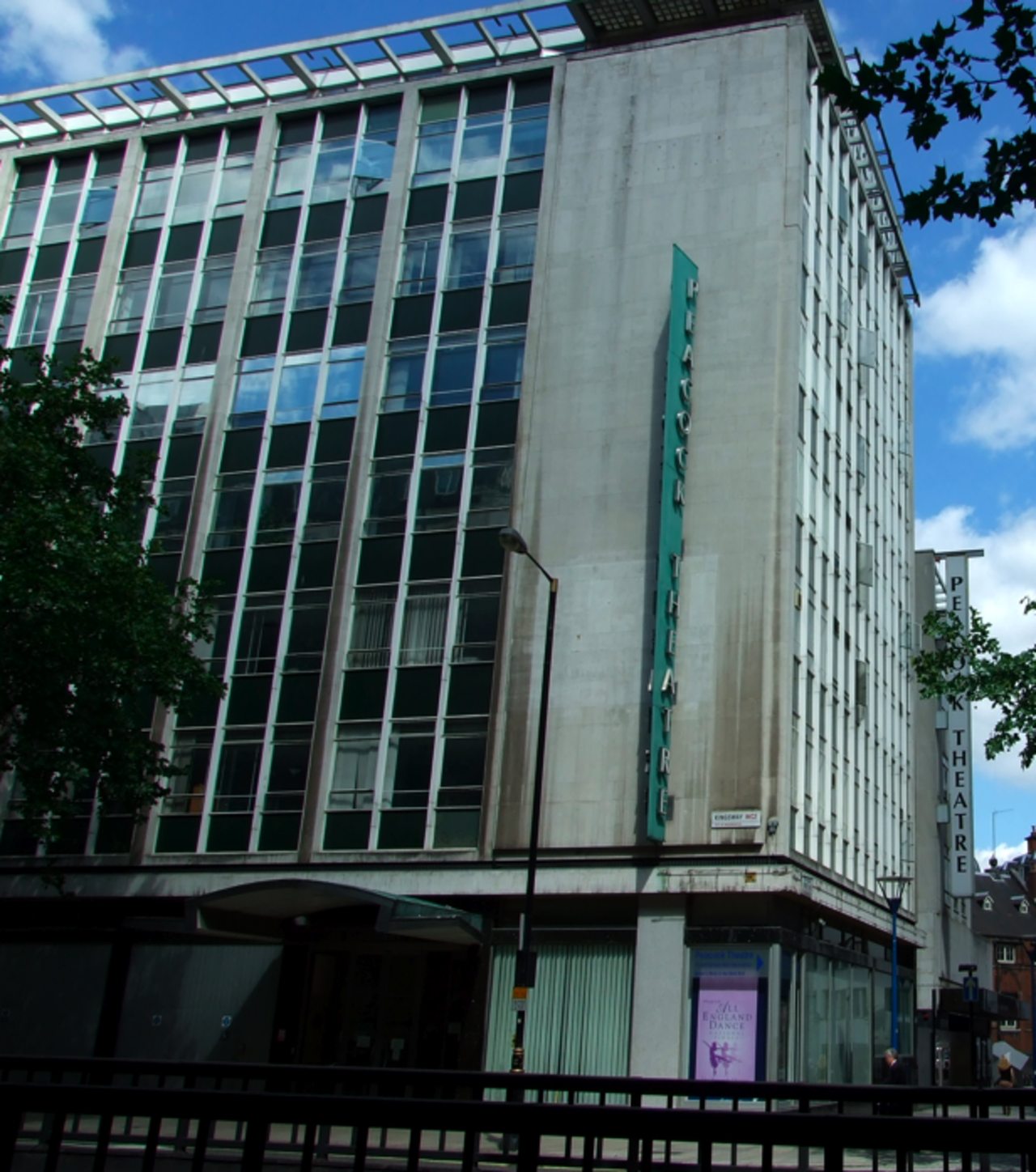
4 min walk · City of Westminster
Peacock Theatre
- High
- Art and culture venue
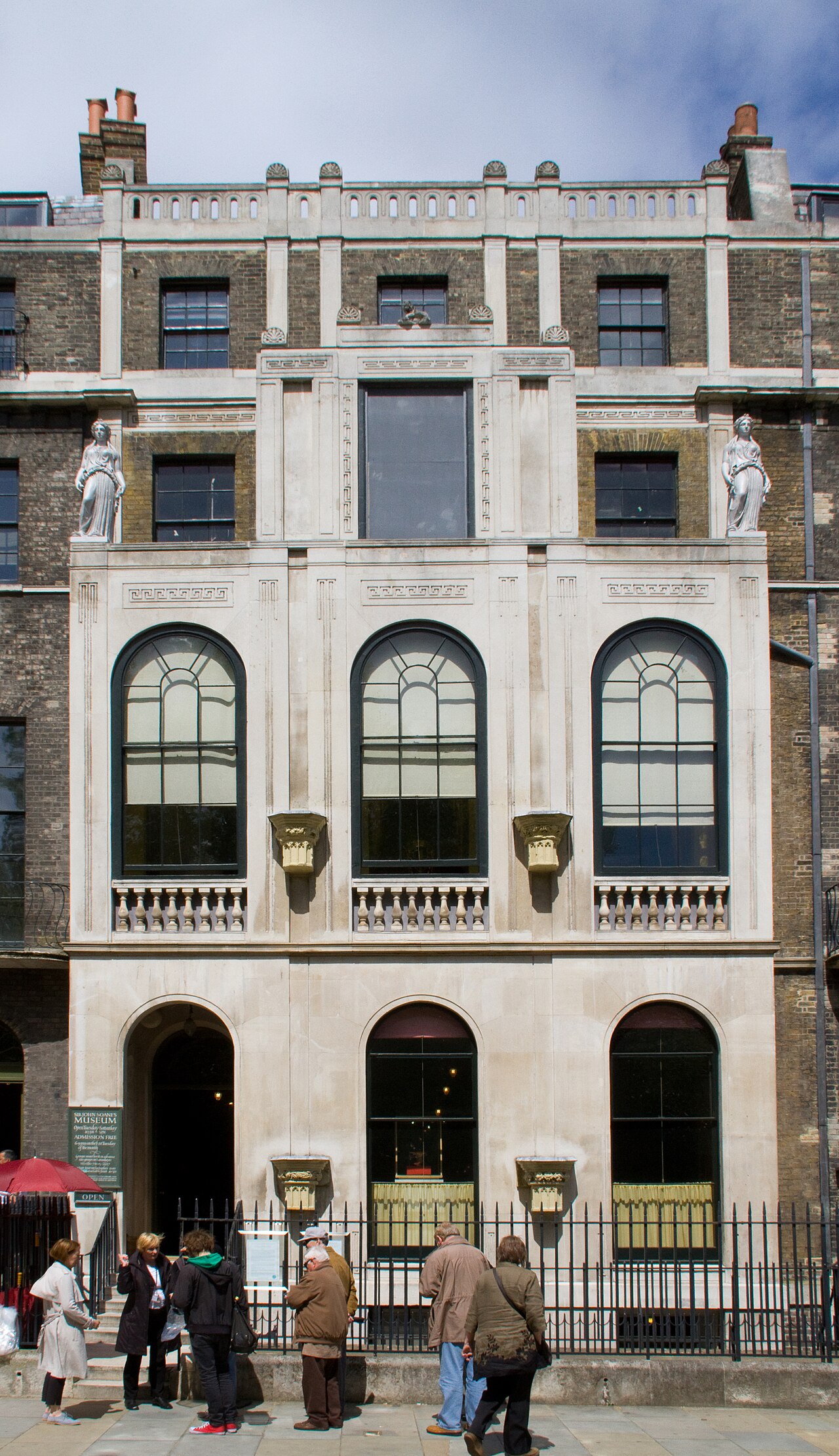
Museum · London Borough of Camden, London
Closed today, Sunday. Next open Tuesday at 10:00 — the planner will not place a stop here on a Sunday.
Plan around it| Monday | Closed |
|---|---|
| Tuesday | 10:00 – 16:30 |
| Wednesday | 10:00 – 16:30 |
| Thursday | 10:00 – 16:30 |
| Friday | 10:00 – 16:30 |
| Saturday | 10:00 – 16:30 |
| Sunday | Closed |
Parsed from OpenStreetMap opening hours on 2026-09-09.
Read from the OpenStreetMap access tags; anything not listed has no tag recorded.
Set the group type to family in the planner and the day window contracts to about three quarters of a solo day.
Sir John Soane's Museum is the former London home, studio and collection of the neo-classical architect John Soane. At 13 Lincoln's Inn Fields, Soane reshaped an ordinary Georgian house into an intensely personal setting for architecture, art and antiquities. He arranged the rooms, objects, skylights and sightlines as a connected experience rather than a conventional sequence of galleries. The museum preserves that domestic and professional environment, allowing visitors to see how an architect used a house as an experiment in space, light and display. Its compact scale and richly layered rooms make it especially rewarding for visitors interested in architecture, historic interiors, collecting or London cultural history. The building itself is the central attraction: every doorway, wall, ceiling and opening contributes to Soane's vision.
Checked 2026-08-26 · Source
Inside, you move through rooms filled with antiquities, paintings, architectural drawings, sculpture and models. Egyptian, Greek and Roman objects sit alongside works associated with artists such as Hogarth and Canaletto. Plaster casts of classical sculpture help explain the visual language that shaped Soane's architectural practice. The interiors are as important as the collection: folding walls, picture planes, skylights and carefully framed views create changing relationships between objects and rooms. In the Picture Room, paintings are arranged in layers, so the visible display hints at works concealed behind it. The basement contains the sarcophagus of Seti I, one of the museum's most striking objects. Look upward as well as forward, because ceilings, roof lights and reflected illumination are part of the visit. The result is less like a chronological museum and more like entering a carefully composed three-dimensional cabinet of curiosities.
Checked 2026-08-26 · Source
Allow around one and a half to two hours for a first visit if you want to examine both the collection and the house itself. The museum is physically compact, but the density of objects rewards a slow pace. Visitors who focus on architectural details can spend longer studying the light, proportions, layered displays and transitions between rooms. Narrow passages and several levels make the experience naturally deliberate rather than fast. A shorter visit can still reveal the character of the house, while a return visit allows attention to shift from famous objects to less prominent drawings, fragments and design decisions. If you are building a central London day around the museum, its position near Holborn and the Inns of Court makes it suitable as a focused cultural stop before continuing on foot toward Covent Garden or the British Museum.
Checked 2026-08-26 · Source
A weekday visit suits travelers who want time to pause in the smaller rooms and study the displays without rushing. Weekend and holiday periods can make the compact interiors feel busier, particularly because circulation space is limited. The museum works well in mixed-weather plans: much of the experience is indoors, while Lincoln's Inn Fields provides an immediate green setting before or after the visit. The light inside changes with the day and the weather, which is part of the architectural interest rather than a distraction. Visitors who care about quiet observation should plan enough flexibility to move at their own pace. The museum also fits naturally into a Holborn itinerary, where the surrounding legal quarter, historic streets and nearby cultural institutions provide context for Soane's house and its place in London's architectural history.
Checked 2026-08-26 · Source
Plan this as a museum visit centred on the preserved house and its collections, with the experience shaped by the rooms rather than by a large modern gallery circulation system. The collection includes antiquities, paintings, drawings, models and sculpture, so the value of the visit comes from seeing how Soane placed different types of material together. The Picture Room and the sarcophagus of Seti I provide clear highlights, but the building's details deserve equal attention. If you are visiting with limited time, prioritise the principal interiors and then use any remaining time to revisit the spaces that made the strongest impression. The museum's location makes it easy to combine with a walk through Lincoln's Inn Fields and the Inns of Court. The practical admission details are intentionally not repeated here because no verified charge or booking condition is supplied for this guide.
Checked 2026-08-26 · Source
The museum is at 13 Lincoln's Inn Fields in Holborn, central London. Holborn Underground station, served by the Central and Piccadilly lines, is the nearest named Tube connection in this guide. The site can also be reached on foot from Covent Garden, the British Museum and the Inns of Court, making it a practical link between several central London districts. Bus routes serve the surrounding streets. Because the museum occupies a historic residential-scale building, identify the entrance on Lincoln's Inn Fields rather than looking for a large institutional frontage. The approach through the square provides a useful transition from London's busier main roads into the more intimate setting of the former house. Historic stairs and tight circulation spaces form part of the building's character and affect how the visit unfolds.
Checked 2026-08-26 · Source
The museum's preserved domestic interiors include narrow passages, steep staircases and uneven historic surfaces. Visitors with limited mobility should treat the building's original form as an important part of planning, since movement between rooms and levels is not comparable with a modern open-plan museum. Some areas use low light to protect sensitive materials and preserve the intended atmosphere. Compact rooms can feel crowded when visitor numbers rise, so allow extra time for pauses and passing through confined spaces. Fragile surfaces and original furnishings call for careful movement, especially near open stairwells and densely arranged objects. Families should keep children close in rooms containing delicate displays. The intimacy of the museum is one of its strengths, but it also means that large bags, hurried movement and loud conversation can make the experience uncomfortable for both visitors and the collection.
Checked 2026-08-26 · Source
Treat photography as a secondary activity here, because the museum's narrow rooms and carefully controlled interiors leave little spare space for equipment or extended stops. The displays include paintings, drawings, antiquities, models and historic surfaces whose presentation is central to the experience. Flash can damage sensitive materials and distract other visitors, while tripods and commercial equipment would be difficult to use comfortably in the confined rooms. Follow the signs in each space and keep phones or cameras from blocking circulation. The skylights, layered Picture Room display, basement setting and framed views through the house provide strong subjects when image-making is permitted. Exterior views around Lincoln's Inn Fields offer additional architectural photographs. Sketching and photography are separate activities, so treat any permission for one as unrelated to the other.
Checked 2026-08-26 · Source
It is at 13 Lincoln's Inn Fields in Holborn, central London, beside Lincoln's Inn Fields.
You can see Soane's former house and studio, antiquities, paintings, architectural drawings, models, plaster casts and the sarcophagus of Seti I.
The Picture Room uses layered hanging arrangements in which visible paintings form part of a display that conceals other works behind them.
Holborn Underground station provides access on the Central and Piccadilly lines.
Allow around one and a half to two hours for a first visit, with extra time if you want to study the architecture and densely arranged displays in detail.
Look for folding walls, picture planes, skylights, framed views and the way Soane arranged objects across connected rooms and levels.
Loading the interactive map…
The interactive map could not be loaded.
Last updated:
Source: OpenStreetMap contributors, Wikidata ·