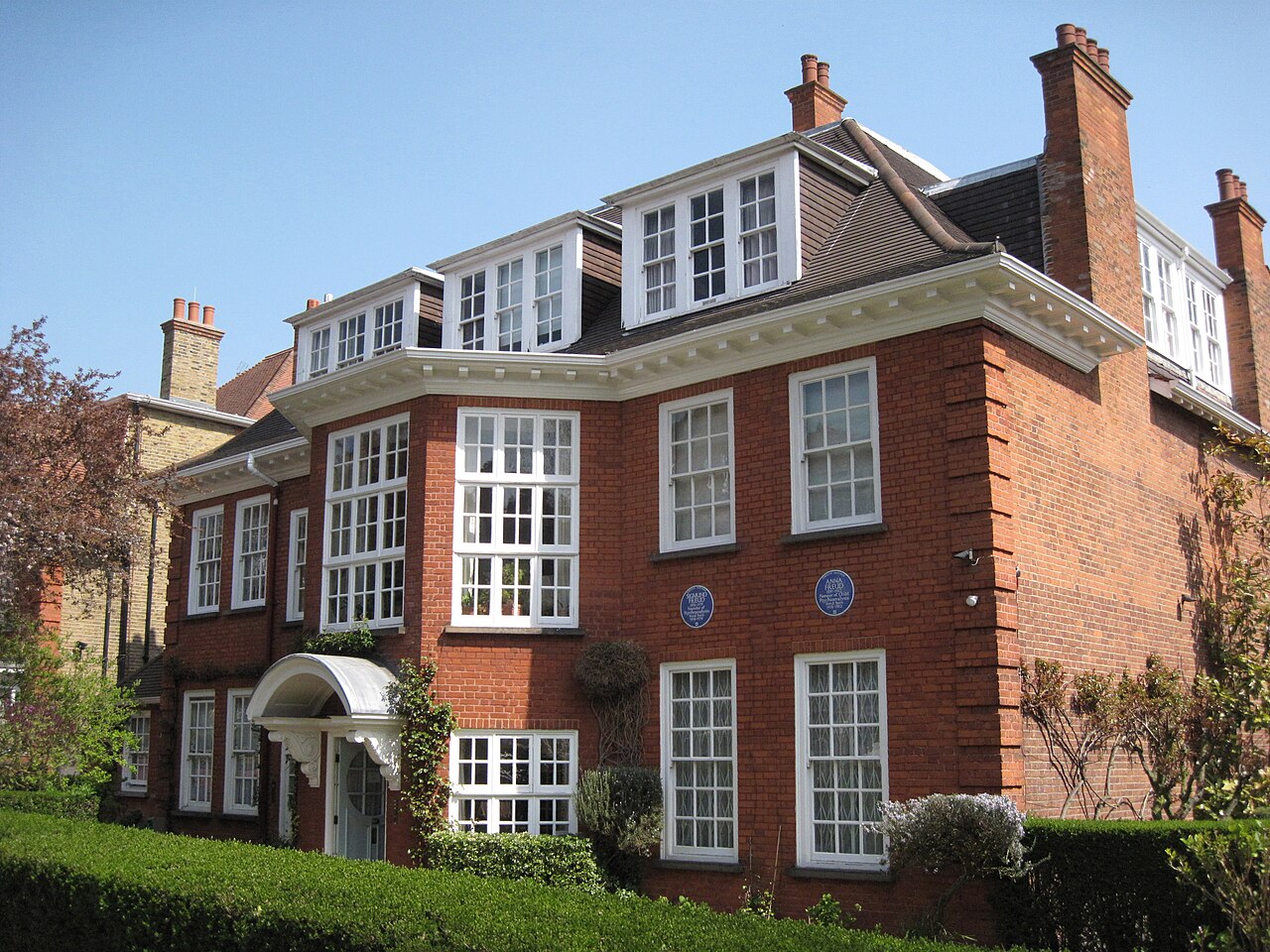
Freud Museum London preserves the Hampstead home of Sigmund Freud, founder of psychoanalysis, and his daughter Anna Freud, a major figure in child psychoanalysis. Sigmund Freud arrived in London in 1938 after fleeing Nazi-occupied Vienna and lived at this Victorian house until his death in 1939. Anna Freud continued to live and work there until 1982. The house became a museum in 1986, creating a personal setting where family history, psychoanalytic thought, domestic life, and the experience of exile meet in one carefully preserved place. The Freud Museum London is the former home of Sigmund Freud, the founder of psychoanalysis, who lived here briefly after fleeing Nazi-occupied Vienna in 1938. Yes, the couch in the study is Freud's original piece, brought from Vienna in 1938 when he fled Nazi persecution.
The centrepiece is Freud's study and consulting room, preserved with his desk, chair, personal library, antiquities, and celebrated psychoanalytic couch covered by an Iranian rug. The antiquities include Egyptian, Greek, Roman, and Oriental objects collected by Freud and arranged around his working environment. Anna Freud's room is also preserved, extending the story into child psychoanalysis and family life. The displays encourage visitors to connect archaeological objects with Freud's idea of uncovering buried layers of the mind. The result is more intimate than a conventional museum of psychology.
Set aside one to two hours for the house, preserved rooms, antiquities, library material, and interpretation. The museum is compact, but the rooms are densely furnished and reward close observation. Visitors interested in psychoanalytic history, Freud's family, the experience of exile, or ancient objects may want additional time for reading and reflection. Move slowly through the study and consulting room rather than treating the couch as the only highlight. The emotional atmosphere comes from the relationship between the objects, the house, and the people who used them.
A weekday visit generally offers a calmer setting for the densely arranged rooms, while weekends can bring more interest from international visitors and people exploring Hampstead. The museum suits any season because its main experience is indoors, but the surrounding neighbourhood and nearby Heath walks add more value in comfortable weather. Plan enough time for the north London journey rather than squeezing the house between distant central attractions. Special exhibitions and events can change the rhythm of a visit, so leave breathing room in the day.
Freud Museum London is an independent charitable museum, so admission supports the preservation of the house, collections, and interpretation. Treat the visit as a specialist cultural experience rather than a casual free gallery stop. The historic rooms are intimate, and a planned arrival makes it easier to absorb the displays without rushing. Group and educational visits belong in a separate itinerary arrangement because the house has a domestic scale. A donation or membership may also form part of the museum's support structure alongside ordinary admission.
The museum is in Hampstead, north London, with connections from Finchley Road and Swiss Cottage on the Jubilee line and Finchley Road and Frognal on the London Overground. Buses serve the area, and Hampstead village or Hampstead Heath provide pleasant walking approaches. The neighbourhood is hilly, with winding residential streets that can be tiring when carrying luggage. Public transport and walking are more natural choices than driving. Build in navigation time if north London is unfamiliar, especially when combining the museum with a Heath walk.
The preserved Victorian house has narrow staircases, domestic doorways, and original spatial constraints that can make movement difficult for visitors with mobility impairments. Some rooms may have limited capacity, so the experience can feel crowded at busy times. Children need close supervision around fragile antiquities and furnishings. Exhibitions may engage with persecution, exile, death, and psychologically demanding ideas. Keep food and drink outside exhibition spaces, maintain a quiet presence on the residential street, and follow staff directions around protected rooms and objects.
The house offers memorable photographs through its study, antiquities, book-lined spaces, and preserved domestic details, but the rooms are intimate and carefully furnished. Keep cameras small, avoid flash, and leave clear passage for other visitors. The couch, desk, chair, and archaeological objects are best photographed as parts of Freud's working environment rather than as isolated souvenirs. Exterior images can include the Victorian house and Hampstead setting. Respect the commemorative character of the rooms and follow any restrictions attached to individual objects or exhibitions.