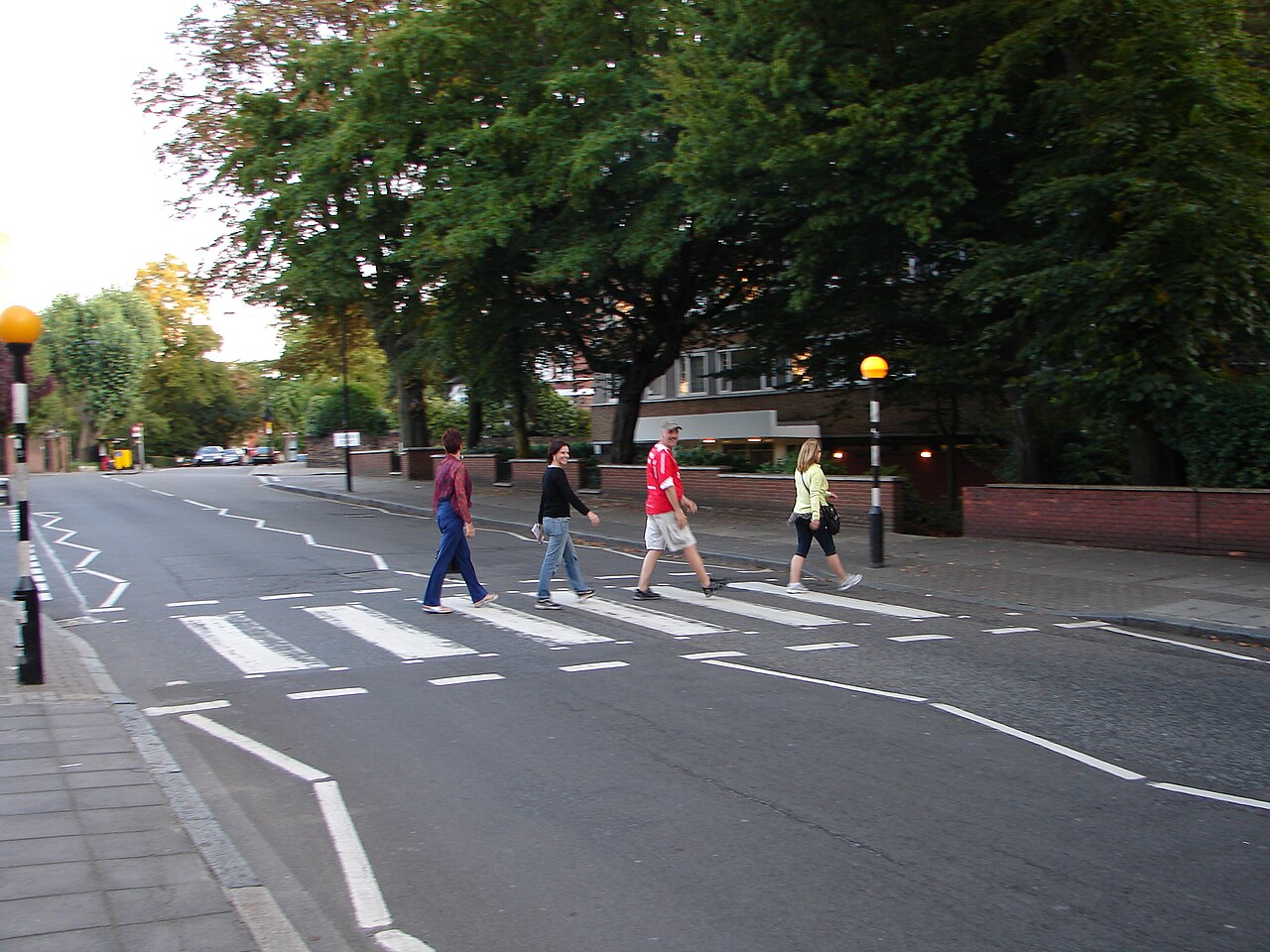
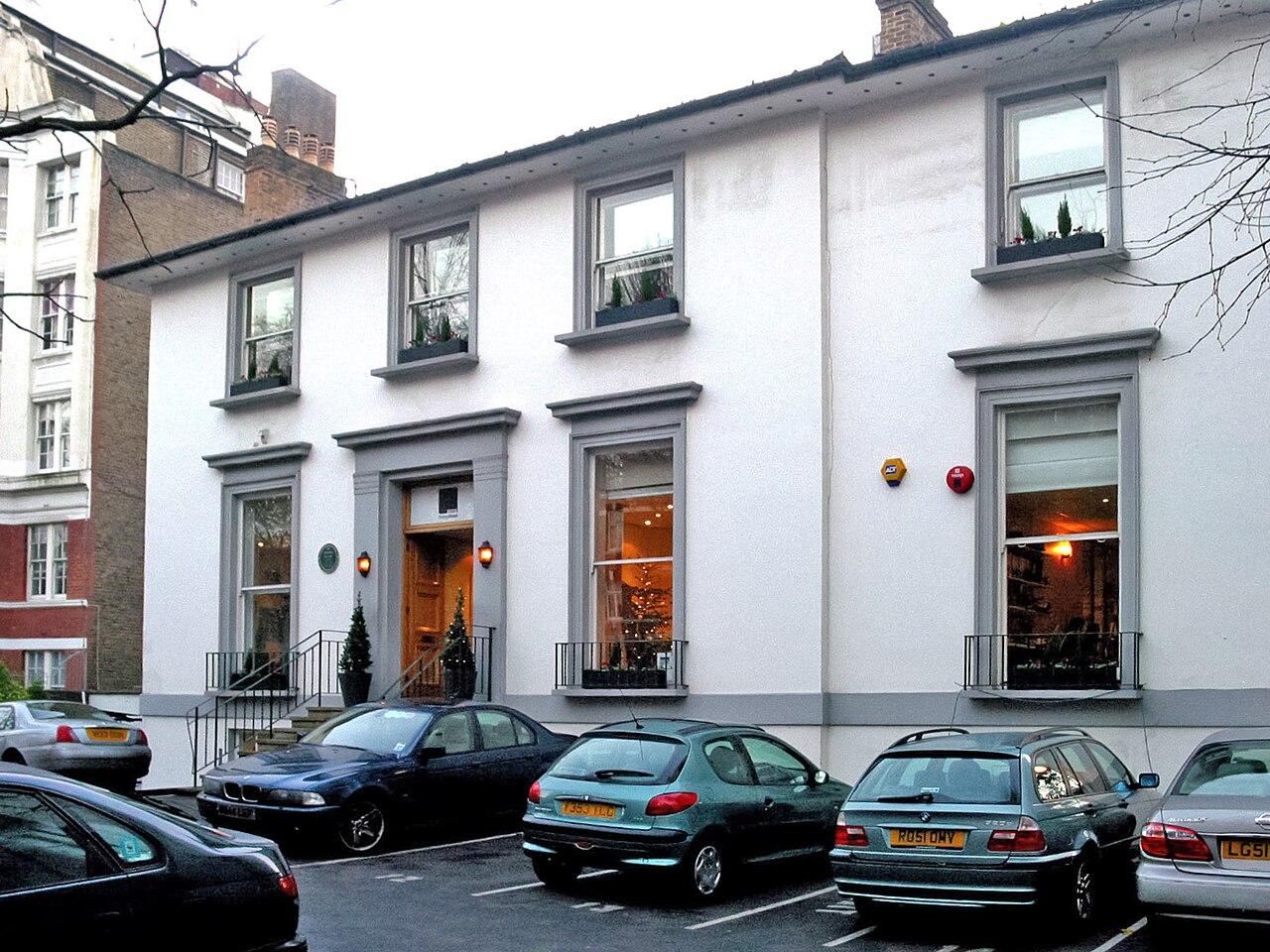
Abbey Road zebra crossing is a working pedestrian crossing in St John’s Wood, London. It became globally recognisable after appearing on the cover of the Beatles’ 1969 album Abbey Road. The crossing lies beside Abbey Road Studios, whose exterior can be viewed from the public pavement. Unlike a museum exhibit, this is an active residential street used by pedestrians and vehicles throughout the day. Abbey Road zebra crossing is a pedestrian crossing on Abbey Road in St John's Wood, London. It gained worldwide fame after being featured on the cover of the Beatles' 1969 album 'Abbey Road'. The crossing sits outside the former EMI recording studios, now known as Abbey Road Studios. The site attracts numerous visitors annually who seek to recreate the iconic photograph of the four band members walking across the street. It remains a functioning road crossing used by local pedestrians and vehicles. No. Abbey Road Studios is not open to the general public for tours. Visitors can view the exterior building from the public pavement but cannot enter the recording facilities.
There is no enclosed visitor attraction at the crossing. The site consists of painted road markings, pavements, the nearby studio exterior and the white wall where fans leave messages. Residential streets surround the location, giving the visit a neighbourhood setting. Abbey Road Studios is a working recording facility rather than a casual visitor interior. The principal activity is crossing the road, seeing the exterior and taking a photograph. The zebra crossing itself consists of painted white stripes on asphalt road surface. There are no enclosed facilities, buildings, or visitor amenities at the crossing point. Abbey Road Studios, located adjacent to the crossing, is not open to the general public for tours. The immediate area comprises residential streets and suburban London architecture. Visitors will find the external studio building visible from the public pavement, including its famous white wall where fans leave graffiti messages.
Most travellers spend fifteen to thirty minutes at the crossing. That allows time to watch traffic, wait for a safe opportunity, cross, and take photographs from the pavement. Beatles enthusiasts may stay longer to read messages on the studio wall. The crossing is best treated as a short stop, although walking through St John’s Wood or continuing towards Regent’s Park can turn it into part of a longer neighbourhood route.
The crossing is part of a public road and can be reached at any hour. Daylight gives clearer photographs and better visibility for pedestrians and drivers. Summer weekends attract many visitors, while early mornings are quieter and reduce competition for a clear image. After dark, the crossing remains accessible but visibility is lower. Rain can make the road surface slippery, so take extra care when walking across.
The crossing is a public highway and is free to use. No ticket is required to walk across it or view the studio exterior from the pavement. Beatles-themed tour companies may include the location in paid itineraries, but their charge covers the tour rather than access to the crossing. The adjacent studio does not provide general public admission for casual visits, so plan around the outdoor street experience.
St John’s Wood Underground station on the Jubilee line is about five minutes’ walk from the crossing. Maida Vale station on the Bakerloo line is a farther alternative. Bus routes serve the surrounding streets. The crossing stands at Abbey Road and Grove End Road. Walking from Regent’s Park is practical for travellers already in the area. Parking is heavily restricted in the residential neighbourhood and is mainly reserved for permit holders.
Traffic is the central safety concern because the crossing remains in active use. Cars, buses and motorcycles pass regularly, and drivers need room to continue along the road. Cross promptly when safe and avoid standing in the carriageway for repeated poses. Keep clear of emergency vehicles, residents and other pedestrians. Wet paint and asphalt can be slippery. The calm residential character deserves the same respect as the famous photograph deserves attention.
Recreating the album-cover composition requires a photographer on the pavement or traffic island while the subject crosses. Patience helps, but safety takes priority over an empty frame. A companion can watch approaching vehicles while the photographer works. Tripods may obstruct pedestrians, and flash is unnecessary in daylight. The studio wall provides a second subject, with fan messages changing over time. Commercial shoots may need permission from relevant authorities.
.jpg)