A photograph of Split

City guide · Croatia

Up to 1 hour in Split, Croatia — page 3

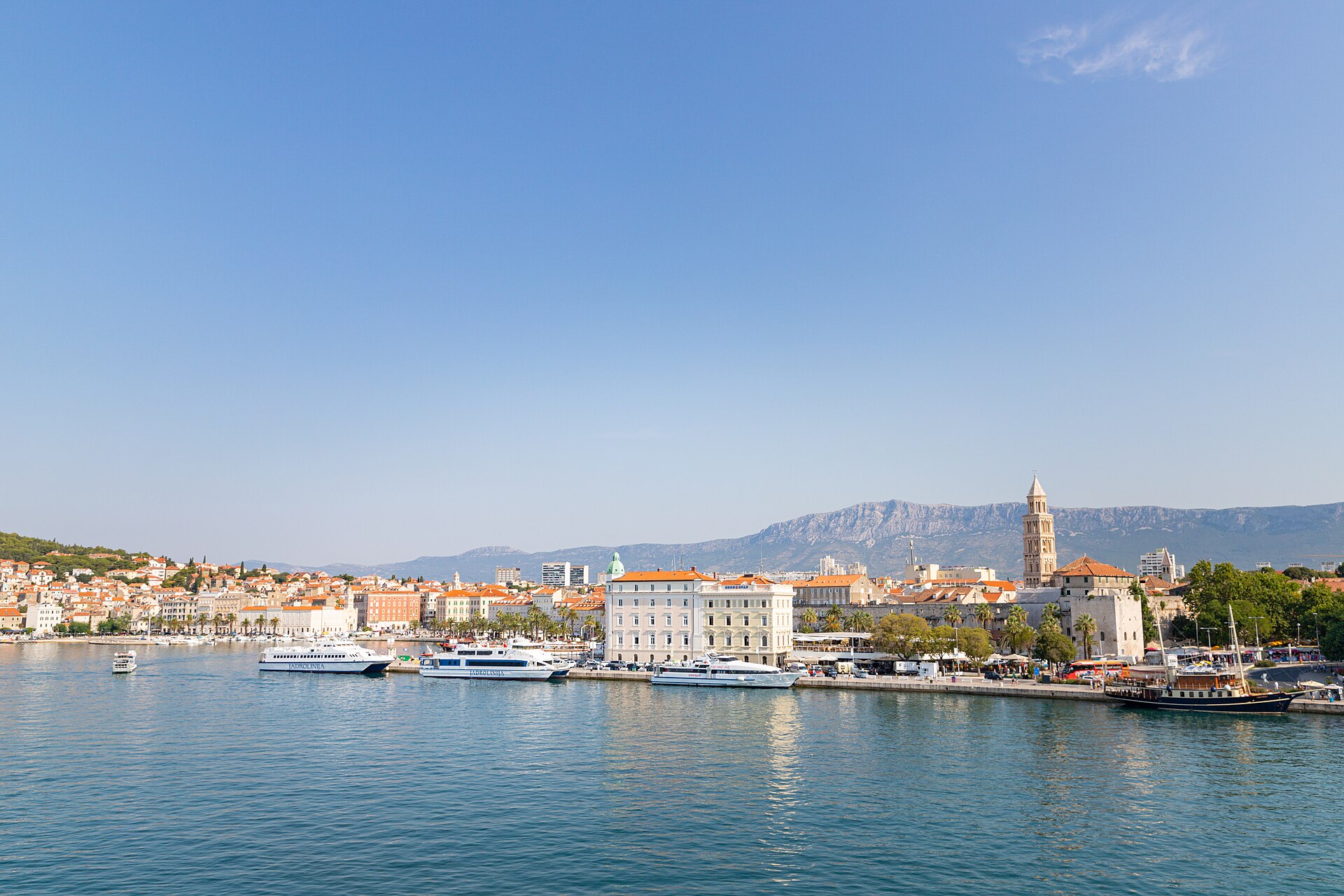
Split's historic core grows directly out of Diocletian's Palace and opens onto the Riva, creating a dense pedestrian centre between stone lanes and the harbour....

Photograph · dronepicr · CC BY 2.0

872 Places
Suggested stay
Not recorded
Getting around
Walking, city bus, bicycle and ferry

Turn this list into a plan

Set your days, your pace and the hours you actually want to be out. The planner works around closing days and travel time, and leaves room to eat.

Plan Split

Reviewed by Elena Voss · Roavina Travel Editor

Split's historic core grows directly out of Diocletian's Palace and opens onto the Riva, creating a dense pedestrian centre between stone lanes and the harbour. Marjan rises west of that core, while city beaches spread along separate shores. Trogir and the islands are outward journeys rather than neighbourhoods of Split. The port places ferries, intercity buses and local movement in the same busy waterfront zone.

Checked 2026-08-26

Practical information

Language spoken
Croatian
National practical orientation; regional and minority languages may also be used
Dialling code
+385
International calling code; local area and mobile prefixes still apply
Currency
Euro (EUR)
Use the official local currency; card acceptance varies by place
Emergency number
112
Use only for an emergency; tourist assistance may use a separate number
Plug type
Type C and F · 230 V
Check that chargers support the recorded voltage before using an adapter
Tap water
Safe from treated public supplies
Public drinking water is regulated; follow local notices on islands or after disruption

Planning a visit

September · September in Split has mean high 25.1°C, mean low 18.1°C, rainfall 66.9 mm, 7.4 rain days. Warm days with relatively low rainfall favour the waterfront and old-town walks. September supports a full day of outdoor stops in Split.

  1. January: viable with meaningful trade-offs
  2. February: viable with meaningful trade-offs
  3. March: good time to visit
  4. April: good time to visit
  5. May: best time to visit
  6. June: best time to visit
  7. July: good time to visit
  8. August: good time to visit
  9. September: best time to visit — current month
  10. October: good time to visit
  11. November: viable with meaningful trade-offs
  12. December: viable with meaningful trade-offs

Sources

Top things to see

Ranked by importance — sitelinks, pageviews and heritage status, not editor preference.

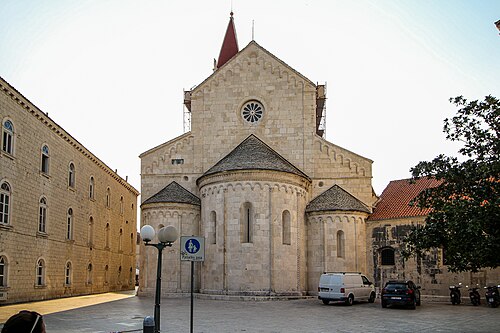
  1. Trogir Cathedral Trogir Cathedral
    32 30 min

    Trogir Cathedral

    Katedrala svetog Lovre

    Trogir Cathedral, locally Katedrala svetog Lovre, stands in the historic core of Trogir, a UNESCO-listed island town near Split. The cathedral represents a significant monument of Croatian sacred architecture, constructed across multiple centuries with Romanesque foundations and later Gothic additions.

    • Must see
    • Place of worship
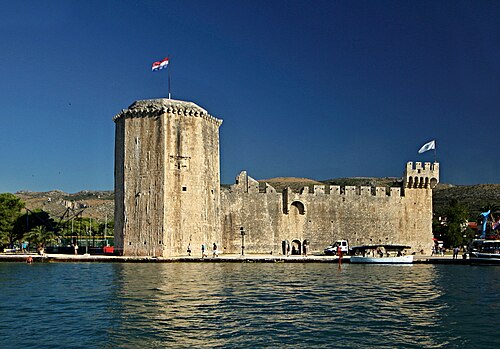
  2. Kamerlengo Castle Kamerlengo Castle
    33 45 min

    Kamerlengo Castle

    Kula Kamerlengo

    Kamerlengo Castle, known locally as Kula Kamerlengo, stands as a medieval fortress within the historic core of Split, Croatia.

    • Must see
    • Historic monument
  3. Mosor Mountain Mosor Mountain
    34 1 hour

    Mosor Mountain

    Mosor

    Mosor Mountain rises behind Split as a limestone massif within the Dinaric Alps. The range separates the coastal city from the Zagora hinterland, creating a dramatic backdrop visible from the Riva waterfront.

    • Must see
    • Nature site
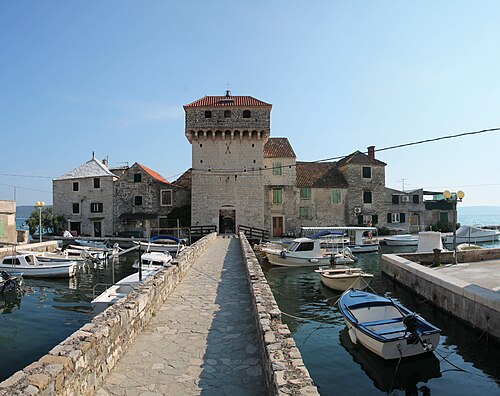
  4. Kastel Gomilica Castle Kastel Gomilica Castle
    35 45 min

    Kastel Gomilica Castle

    Kaštilac

    Kaštilac, known locally as Kastel Gomilica Castle, stands as a historic fortified settlement within the Kastela region near Split, Croatia. It represents one of seven defensive castles built along the Kastela Riviera during the fifteenth and sixteenth centuries.

    • High
    • Historic monument
  5. Solta Island Solta Island
    36 1 hour

    Solta Island

    Šolta

    Šolta is an island in the Adriatic Sea near Split, Croatia. It lies south of the city in the central Dalmatian archipelago. The island has a long history of agriculture, fishing, and olive cultivation.

    • High
    • Nature site

Source: OpenStreetMap contributors, Wikidata ·

How the city is laid out

Explore the palace substructures, Peristyle, old-town lanes and Riva in one pedestrian sequence. Use another block for Marjan, choosing its access point before climbing, and do not assume every beach lies on that route. Trogir needs a land connection; island visits depend on the sailing selected. Keep those excursions away from a day already committed to the historic core.

Checked 2026-08-26

Getting around

Walking is the default inside Diocletian's Palace and the old town, where through-traffic is not a useful way to sightsee. City buses serve Marjan approaches, beaches and outer districts, while bicycles suit selected waterfront routes. Ferries and catamarans leave from the port on independent schedules. Use the Split Tourist Board's current transport directory and the named operator for the exact bus or sailing before departure.

Checked 2026-08-26

Common questions

How many days should I spend in Split?

No official city-wide stay length is recorded. Begin with Diocletian's Palace, the old town and Riva, then add Marjan or a city beach. Trogir and island travel need extra itinerary space.

How should I organise sightseeing in Split?

Keep the palace, old-town lanes and Riva in one walking route. Plan Marjan from a chosen access point and place each beach according to its own coast. Treat Trogir or an island as an excursion.

How do I get around Split?

Walk in the palace and old town, use local buses for outer districts and consult the relevant operator for ferries or catamarans. The Tourist Board's transport page links the current options.

Can I explore Split mainly on foot?

The palace, old town and Riva are naturally pedestrian. Marjan's approaches, beaches beyond the centre, Trogir and the port connections require a route choice beyond that compact walk.

Which Split trips need separate planning?

Trogir uses a land connection, while each island depends on a specific sailing. Verify the return departure and seasonal operation before leaving Split, especially when accommodation remains in the city.