

01
1 hour
ქართლის დედა
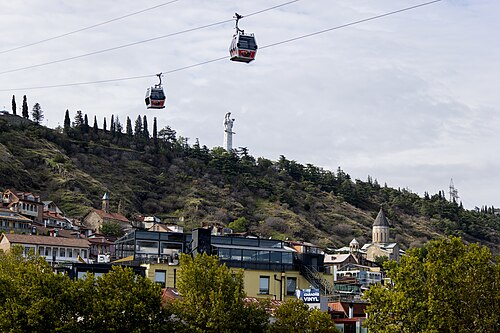
Mother of Georgia, known locally as Kartlis Deda, is a monumental aluminium statue standing on Sololaki Hill overlooking Tbilisi.
- Must see
- Art and culture venue
- Tbilisi
Language · 11 published
Country guide
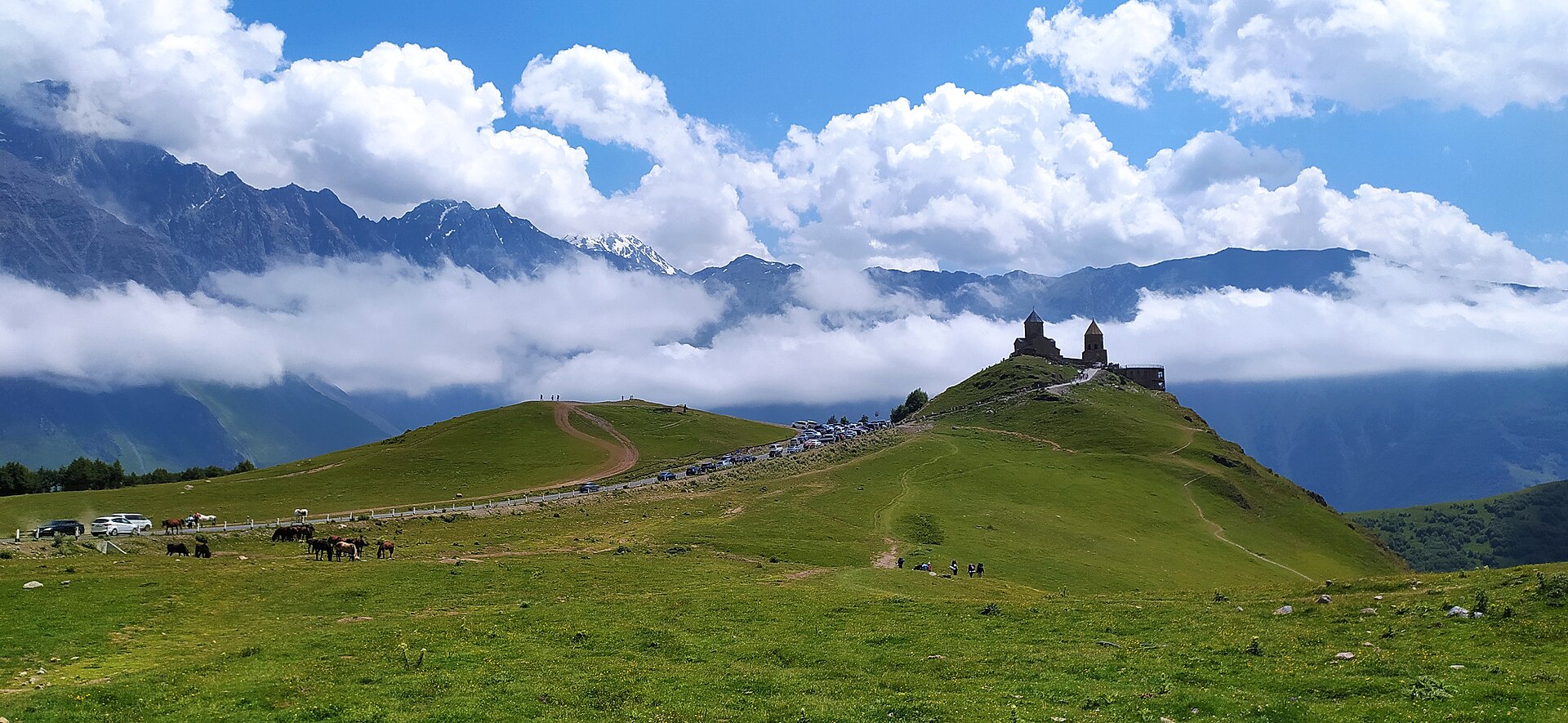
Georgia holds 3.9 million people and more than a third of them live in Tbilisi, so most visits begin in the capital and radiate out. The country sits on the east coast of the Black Sea, with Russia along the north, Turkey and Armenia to the south and Azerbaijan to the southeast, and the ground rises from beach to mountain village inside a single drive. Two things meet a first-time visitor immediately: Georgian, a Kartvelian language with no relation to any other language family in the world and its own alphabet to match, and wine, since the earliest known winemaking sites anywhere are here. Christianity arrived in the early fourth century, and the churches are correspondingly old.
Reviewed by Elena Voss · Roavina Travel Editor
Every city catalogued in this country so far, ranked by how much there is to see.
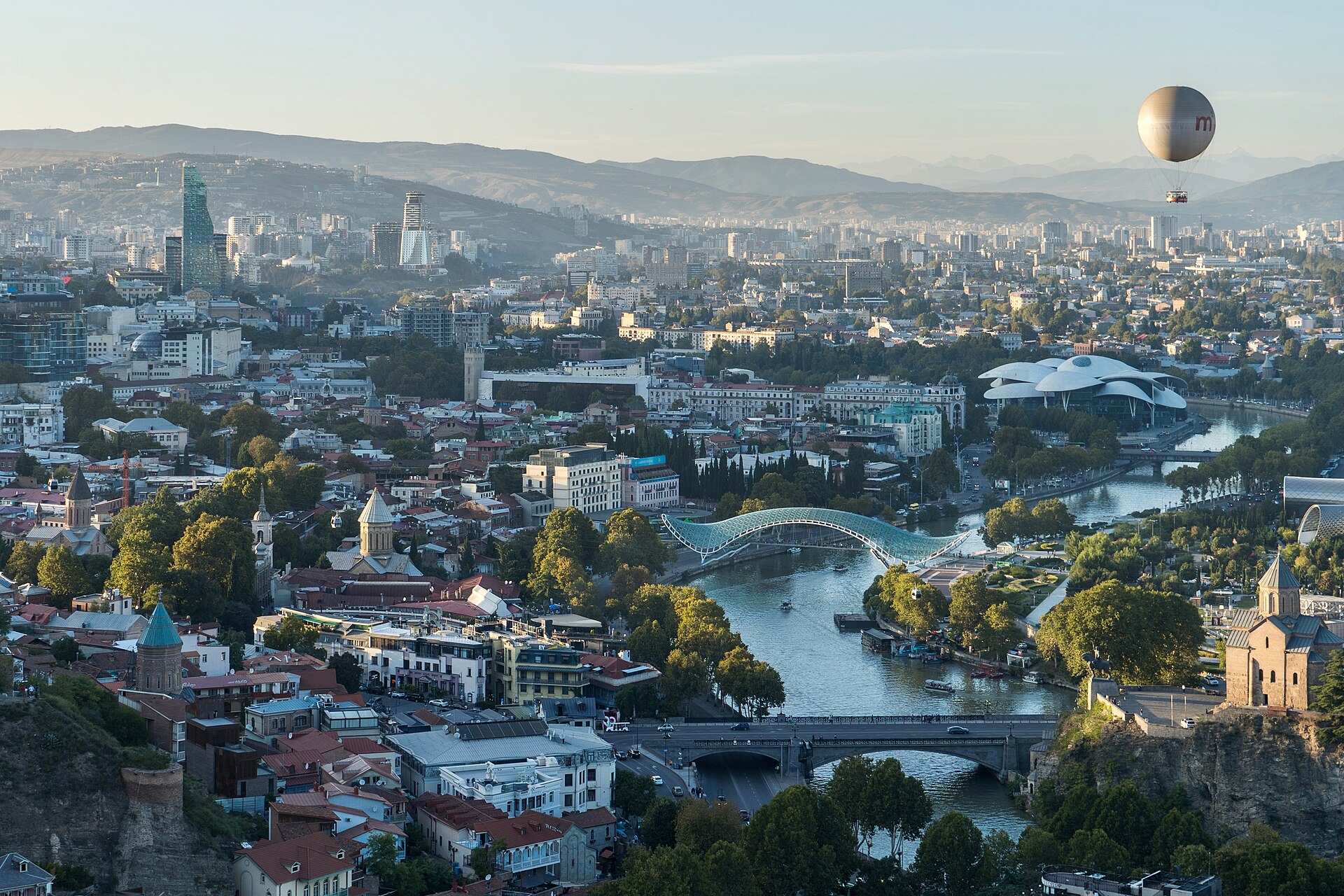
Photograph · Alexey Komarov · CC BY-SA 4.0
Ranked by importance — sitelinks, pageviews and heritage status, not editor preference.
3 places match
Category
Typical visit duration
Interests
Mother of Georgia, known locally as Kartlis Deda, is a monumental aluminium statue standing on Sololaki Hill overlooking Tbilisi.
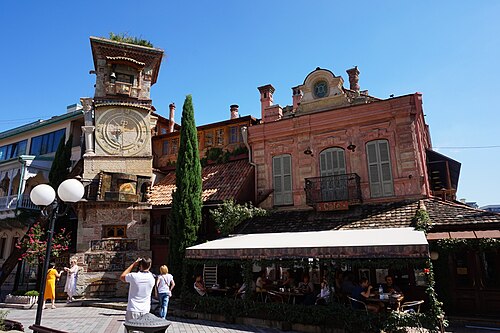
რეზო გაბრიაძის მარიონეტების თეატრი
The Rezo Gabriadze Marionette Theater and Clock Tower is a cultural landmark in Tbilisi's Old Town, created by Georgian artist, writer, and director Rezo Gabriadze.
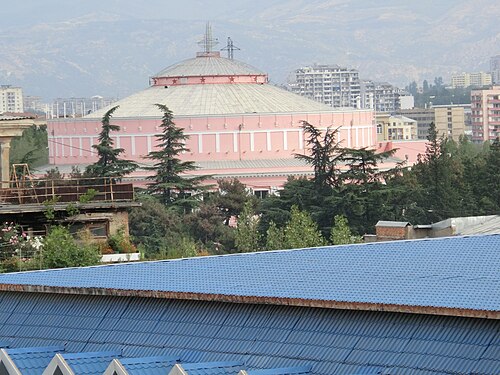
თბილისის ცირკი
Tbilisi Circus is a distinctive circular hilltop building overlooking Heroes Square. It is both a Soviet-era architectural landmark and a performance venue for traditional circus entertainment.
Source: OpenStreetMap contributors, Wikidata ·
Seven to ten days supports Tbilisi plus Kakheti, Kazbegi or a western city without racing across the country. Combining Svaneti, the Black Sea and the capital needs additional nights because mountain and cross-country transfers consume substantial portions of a day.
Georgia’s official eVisa service explains whether advance permission applies to a particular passport. Confirm the permitted stay, entry route and documentation there, and consult current government guidance before any overland crossing rather than assuming every neighbouring border operates normally.
Tbilisi and Kutaisi are useful air gateways; trains serve a limited set of major corridors, and marshrutkas or hired vehicles reach many regional towns. Mountain itineraries need weather and road checks, while Tbilisi’s metro and buses handle most urban movements.
May to June and September to October are versatile for cities, wine regions and lower mountain routes. High passes may open later or close earlier, and Batumi has a wetter pattern, so one national forecast cannot settle dates for a multi-region journey.
Georgia uses the lari. Cards are common in Tbilisi, yet guesthouses, markets and mountain transport can still depend on cash; withdraw or exchange through recognised providers and confirm whether an quoted tour price includes regional transfers.
The emergency number is 112, with Type C and F sockets at 220 V. Tap-water guidance is Not recorded in this dataset; seek local confirmation, and keep official road or emergency alerts available when travelling into mountain districts.