Deutsches Museum
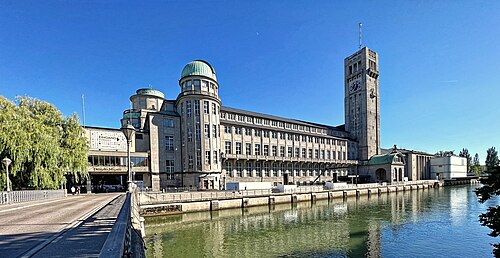
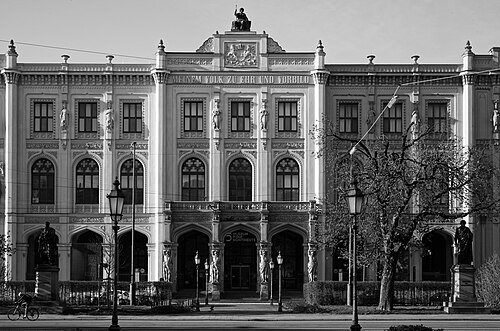
The Deutsches Museum stands on an island in the Isar in central Munich, at Museumsinsel 1, and is a museum of science and technology rather than of art or of city history.
- Must see
- Museum
City guide · Germany
Munich's visitor core is centred on Marienplatz and the Altstadt, with the Residenz, major churches and markets within walking distance. The museum quarter lies...
Photograph · Thomas Wolf, www.foto-tw.de · CC BY-SA 3.0 de
Set your days, your pace and the hours you actually want to be out. The planner works around closing days and travel time, and leaves room to eat.
Editorial responsibility: Elena Voss · Roavina Travel Editor
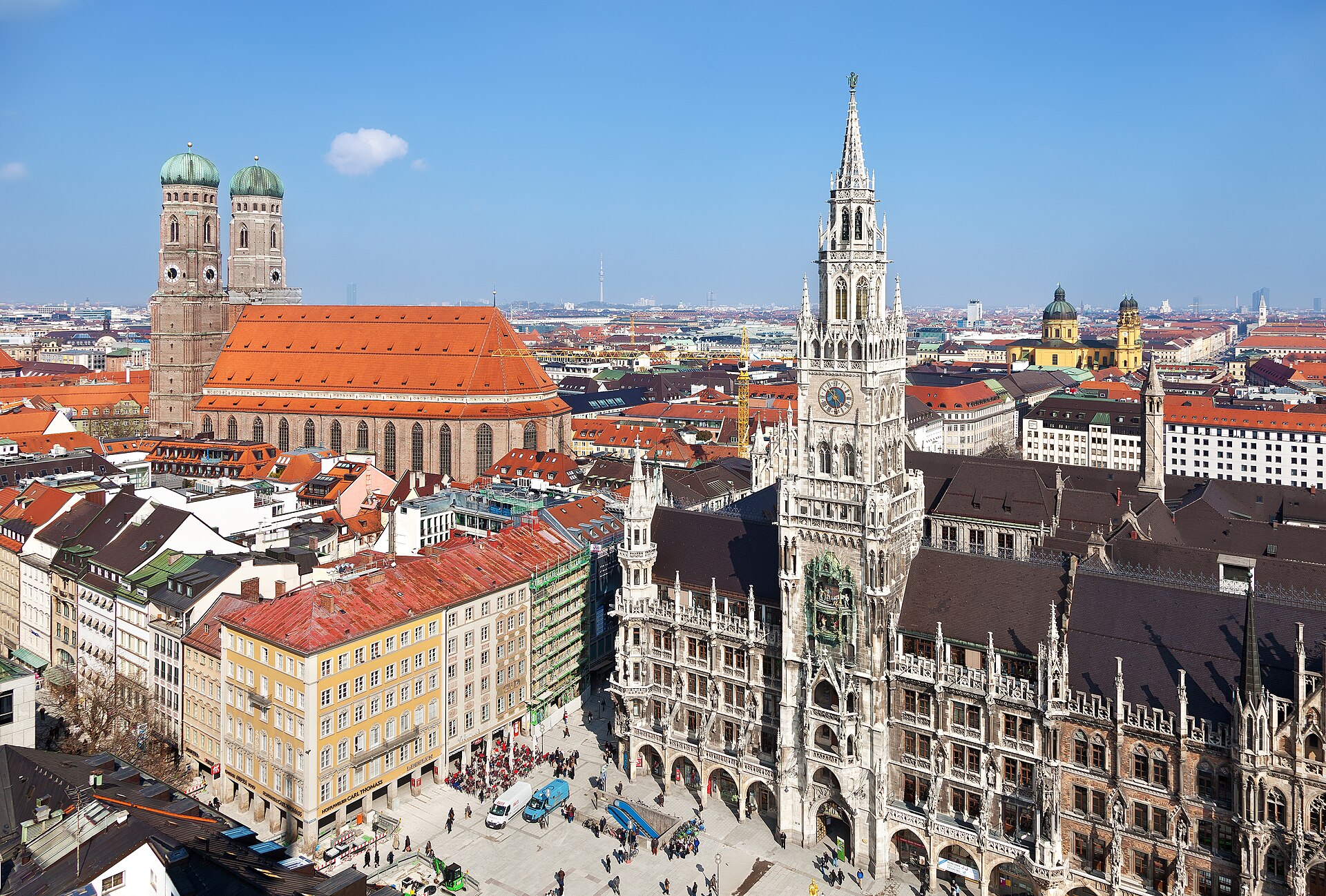
Munich's visitor core is centred on Marienplatz and the Altstadt, with the Residenz, major churches and markets within walking distance. The museum quarter lies northwest, the English Garden stretches north, and the main station stands west of the old centre. Nymphenburg Palace, Olympiapark and BMW Welt form separate outer clusters that are best reached by public transport.
Checked 2026-08-26
November · November averages only 6.9°C by day and 0.2°C at night in Munich, so cold exposure becomes material.
Ranked by importance — sitelinks, pageviews and heritage status, not editor preference.
7 places match
Category
Typical visit duration
Good for
Interests
The Deutsches Museum stands on an island in the Isar in central Munich, at Museumsinsel 1, and is a museum of science and technology rather than of art or of city history.
Museum Fünf Kontinente
The Five Continents Museum, known locally as Museum Fünf Kontinente, is an ethnographic museum in Munich. It houses extensive collections representing cultures from Africa, the Americas, Asia, Oceania, and parts of Europe.
Staatliches Museum Ägyptischer Kunst
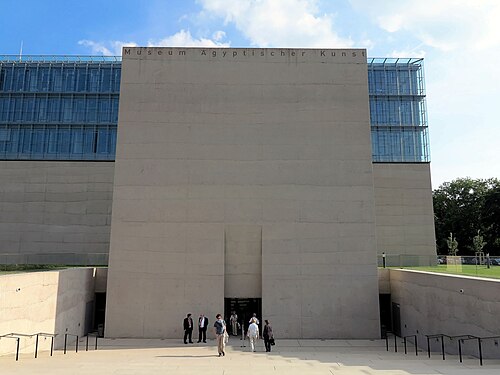
The State Museum of Egyptian Art, locally Staatliches Museum Ägyptischer Kunst, is Munich’s specialist museum for ancient Egyptian art and archaeology. Its identity comes from a concentrated collection of sculptures, reliefs, funerary objects, and related artefacts connected with Egyptian culture.
Kindermuseum München
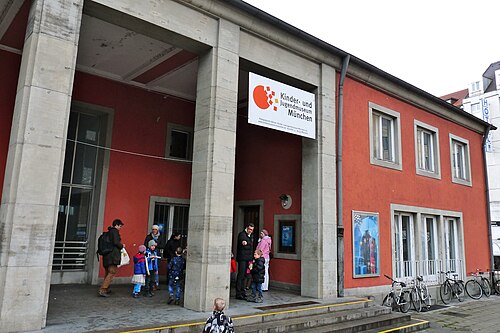
Kinder- und Jugendmuseum München, also known locally as Kindermuseum München, is a children’s and youth museum in Munich. The museum is designed around interactive educational experiences for younger visitors, making participation central to the visit.
Museum Mensch und Natur
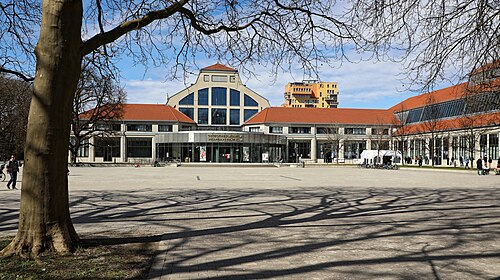
The Museum Mensch und Natur is a natural history museum situated within the Nymphenburg Palace complex in Munich. It explores the relationship between humans and the natural world through scientific exhibits.
The Deutsches Museum Verkehrszentrum is a branch of the Deutsches Museum dedicated to transportation history. Located in Munich, it occupies historic exhibition halls at Theresienhöhe.
Archäologische Staatssammlung
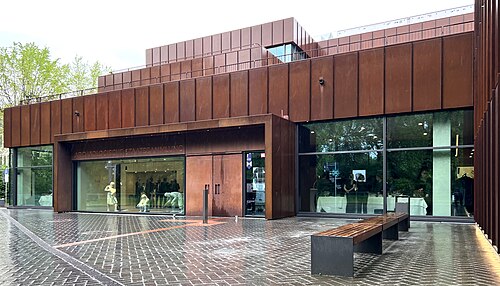
The Bavarian State Archaeological Collection, known locally as Archäologische Staatssammlung, is a museum institution in Munich. It serves as a central archaeological repository for Bavaria, preserving and presenting material culture from prehistoric periods through early historical eras.
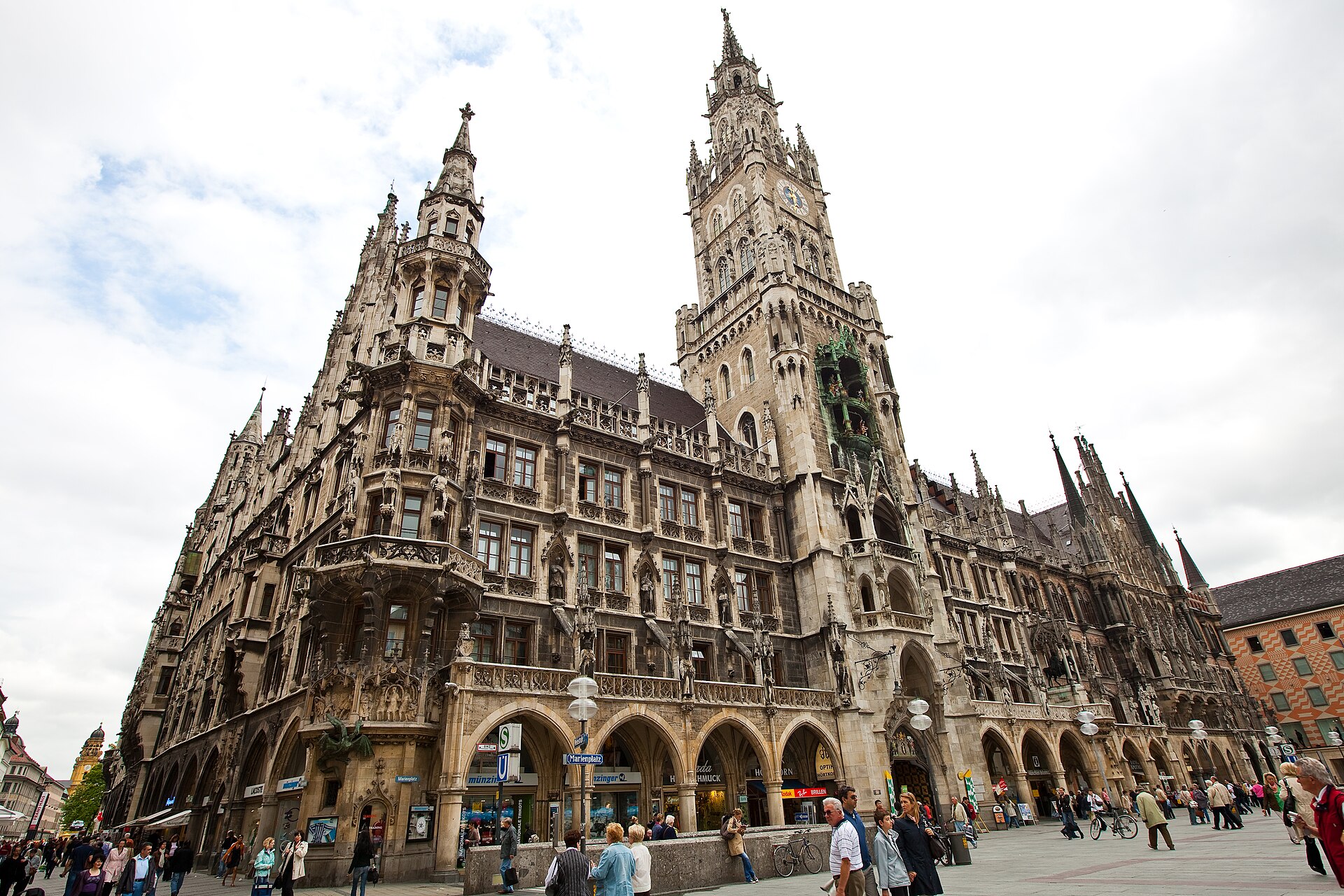
Use Marienplatz as the centre of the Altstadt. The Residenz and Odeonsplatz sit north, Viktualienmarkt lies south, and the main station is west along the central shopping axis. The Kunstareal museum district is northwest of the old town, while the English Garden runs north from the centre. Nymphenburg, Olympiapark and the BMW complex require dedicated trips beyond the compact core.
Checked 2026-08-26
Walk inside the Altstadt and use the integrated U-Bahn, S-Bahn, tram and bus network for outer districts. Munich's official city portal describes these four modes as the public transport system, with S-Bahn connections to the airport and regional network. Tickets depend on the relevant fare zones, so confirm the destination and validity area before travel rather than relying on distance alone.
Checked 2026-08-26
Suggested stay for a first visit: 3–4 days. Plan the Altstadt first, then add the museum quarter, English Garden and one or more outer clusters according to interest.
Yes. Marienplatz, the Residenz, Viktualienmarkt and the principal old-town churches form a compact walking area. Public transport is more efficient for Nymphenburg and Olympiapark.
Munich's integrated system includes U-Bahn, S-Bahn, trams and buses. The same network structure connects the centre with outer districts and airport S-Bahn services.
The city's official transport guide identifies S-Bahn lines S1 and S8 as airport connections. Check the required fare zones before buying or activating a ticket.
Nymphenburg Palace, Olympiapark and the BMW complex lie beyond the compact Altstadt. Group each outer area rather than returning to the centre between nearby stops.