

01
1 hr 30 min
Musée Yves Saint Laurent
The Musée Yves Saint Laurent Marrakech is a museum dedicated to the work of French fashion designer Yves Saint Laurent.
- Must see
- Museum
Language · 11 published
City guide · Morocco
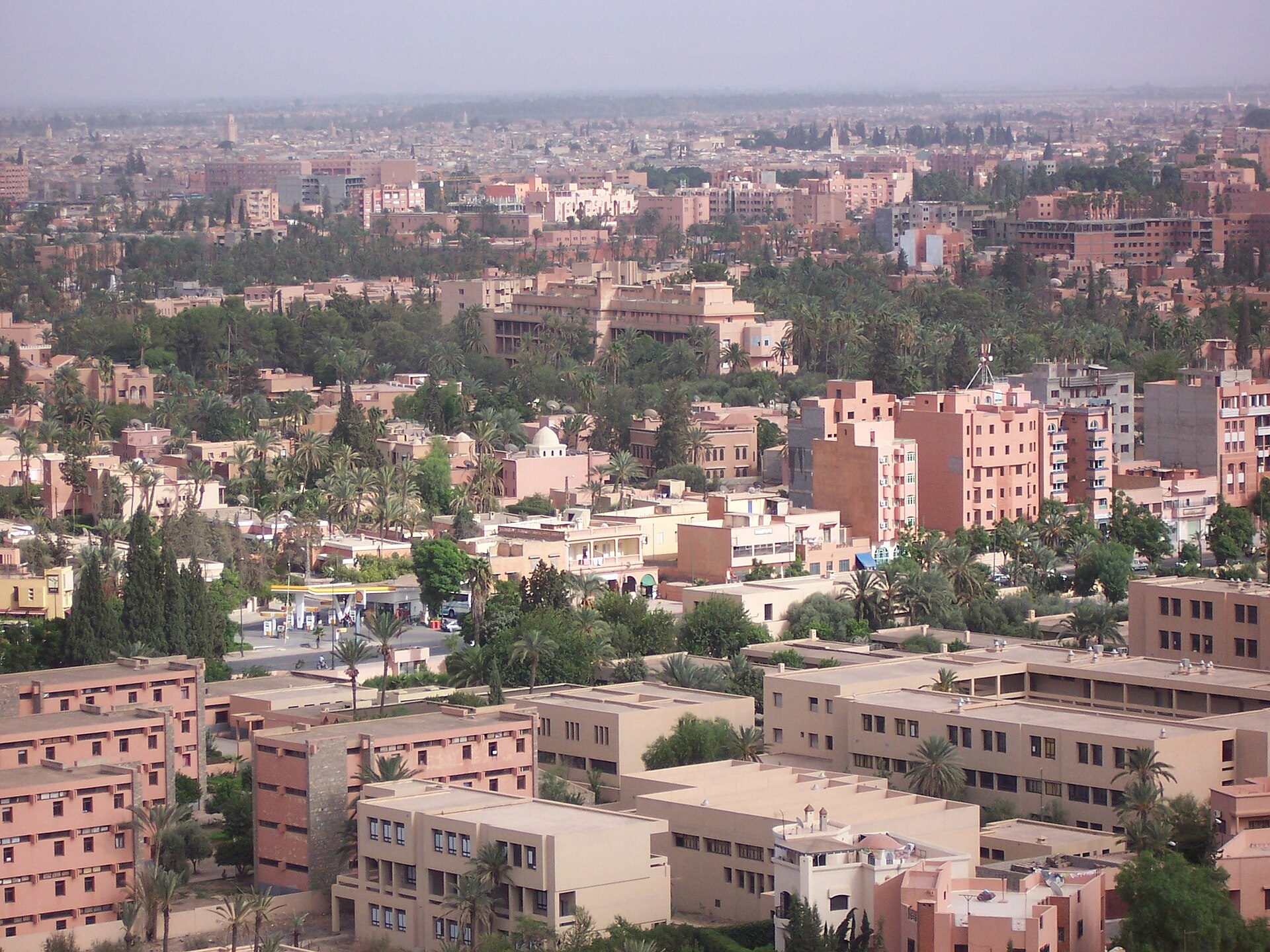
Marrakesh has a clear contrast between the walled Medina and modern districts outside it. Jemaa el-Fna, the souks, palaces and many historic monuments belong to the Medina walking network. Guéliz and Hivernage have wider streets, modern hotels and cultural venues, while Sidi Ghanem and the Palmeraie lie farther out. The Atlas Mountains and Agafay are separate excursions, not extensions of a city-centre walk.
Reviewed by Elena Voss · Roavina Travel Editor
Set your days, your pace and the hours you actually want to be out. The planner works around closing days and travel time, and leaves room to eat.
Ranked by importance — sitelinks, pageviews and heritage status, not editor preference.
5 places match
Category
Typical visit duration
Interests
The Musée Yves Saint Laurent Marrakech is a museum dedicated to the work of French fashion designer Yves Saint Laurent.
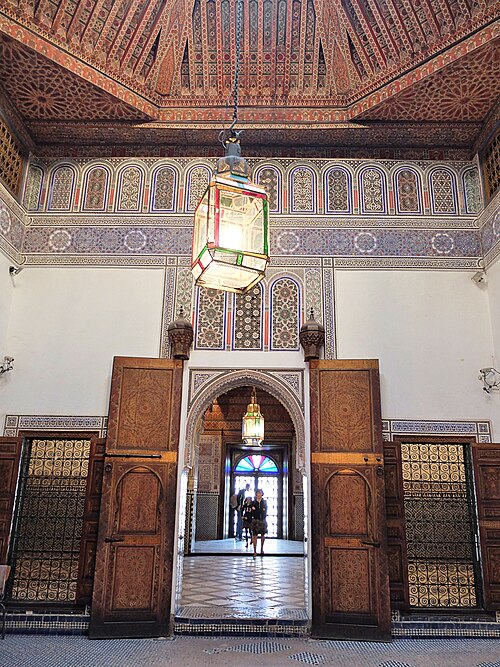
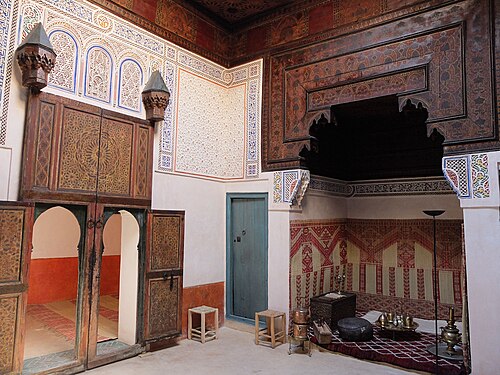
Dar Si Said is Marrakesh’s National Museum of Weaving and Carpets, operated by Morocco’s National Foundation of Museums. The museum occupies a historic palace and focuses on textile traditions rather than presenting a general collection of every Moroccan craft.
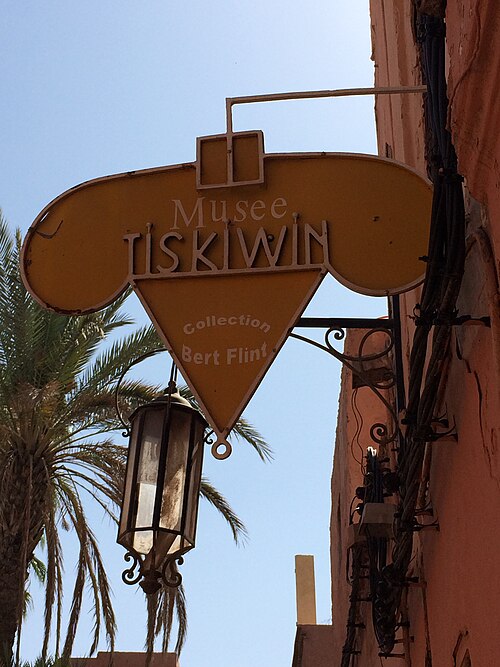
Musée Tiskiwin
Maison Tiskiwin is a museum in Marrakesh dedicated to Moroccan and Saharan arts and crafts. It occupies a traditional riad-style house in the medina, presenting ethnographic collections assembled by Dutch anthropologist Bert Flint.
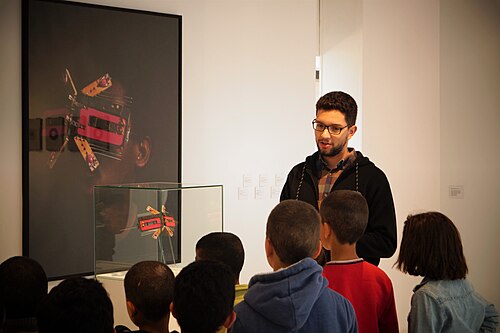
The Museum of African Contemporary Art Al Maaden, known locally as MACAAL, is a contemporary art museum in Marrakesh.
Musée de la Musique
The Mouassine Music Museum, known locally as Musée de la Musique Mouassine, is a cultural institution located in Marrakesh's historic Mouassine district. It occupies a traditional Moroccan house, or riad, reflecting the architectural heritage of the medina.
Source: OpenStreetMap contributors, Wikidata ·
Jemaa el-Fna is the main orientation point for the Medina, with souks extending north and palaces and tombs to the south. The Mellah forms a distinct historic quarter beside the palace area. Guéliz and Hivernage sit beyond the walls and are reached more efficiently by road transport. Sidi Ghanem and the Palmeraie require separate connections. Keep Medina walks compact because lanes are indirect and vehicle access changes near pedestrian areas.
Checked 2026-08-26
Walking is the practical way to explore the Medina, while city buses and taxis connect the old city with Guéliz, Hivernage and outer districts. The official tourism service also identifies bicycles, scooters and horse-drawn carriages as local options, with different suitability by route. Confirm the fare before a taxi journey and use designated transport for airport or regional travel. Atlas and Agafay excursions need separate arrangements.
Checked 2026-08-26
the walled Medina and modern Guéliz-Hivernage districts are separate visitor areas
No fixed stay length is recorded; plan Medina, palace district and modern areas separately.
Walk inside the Medina and use buses or taxis for districts outside the walls.
Agafay and the Atlas Mountains are regional excursions requiring dedicated road transport.
Use Jemaa el-Fna as the main Medina orientation point, then group nearby souks and monuments.