Country guide
Singapore
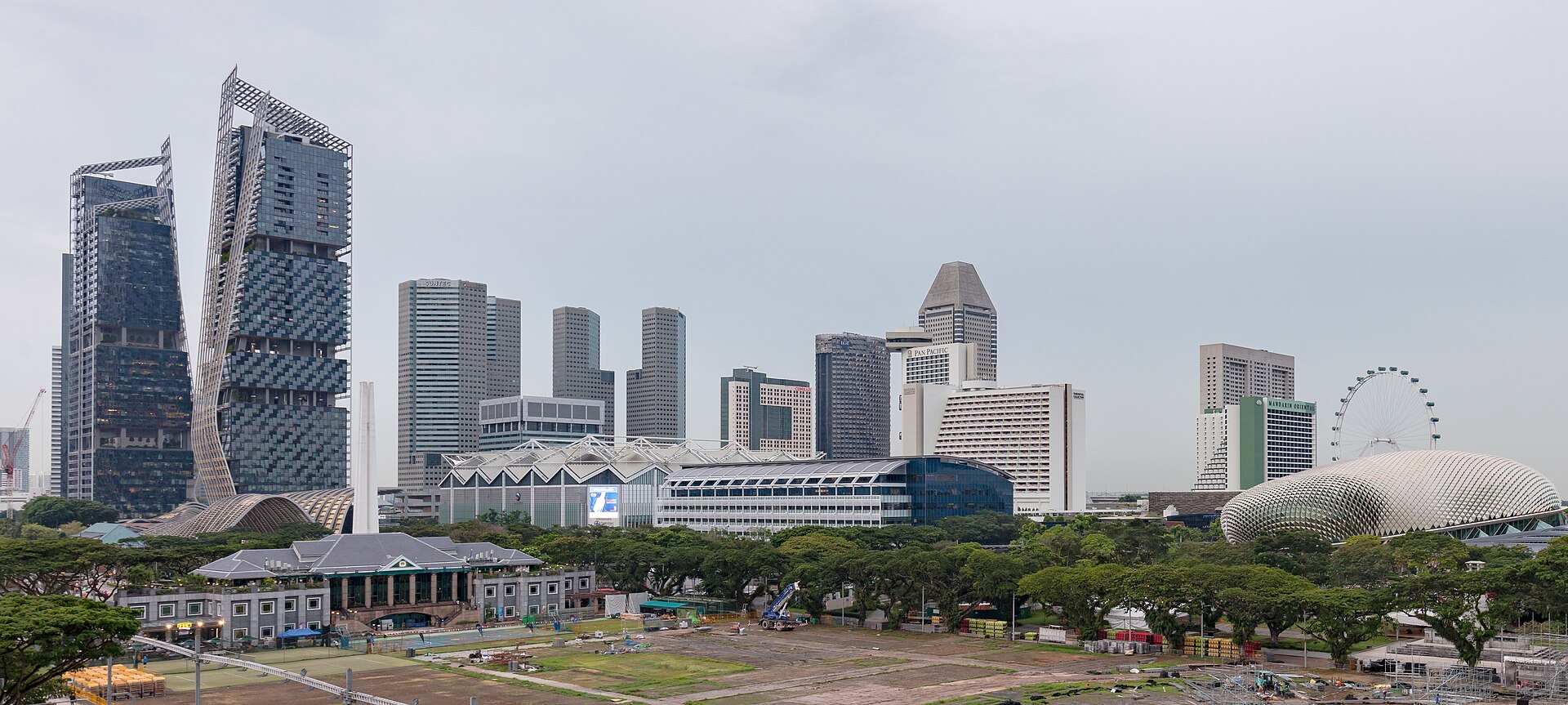

Singapore is one main island and more than sixty smaller ones, 744.3 square kilometres in total, about one degree of latitude north of the equator. Being a country and a city at once, it has no hinterland to escape to and no domestic journey to plan — the whole of it is inside a metro ride. What changes is the district: the colonial civic core and the river sit against the financial towers, Chinatown, Little India and Kampong Glam each hold their own quarter, and the reclaimed ground at Marina Bay carries the newest of it. The equatorial climate barely varies through the year, which removes the question of when to come.
Reviewed by Elena Voss · Roavina Travel Editor
Cities
Every city catalogued in this country so far, ranked by how much there is to see.
-
Singapore
Photograph · Diego Delso · CC BY-SA 4.0
Singapore 4,438 places
Practical information
Practical information
- Language spoken
- English, Malay, Mandarin and Tamil
- National practical orientation; regional and minority languages may also be used
- Dialling code
- +65
- International calling code; local area and mobile prefixes still apply
- Currency
- Singapore dollar (SGD)
- Use the official local currency; card acceptance varies by place
- Emergency number
- 999 police · 995 ambulance and fire
- Use only for an emergency; tourist assistance may use a separate number
- Plug type
- Type G · 230 V
- Check that chargers support the recorded voltage before using an adapter
- Tap water
- Safe from the mains
- Singapore's public water supply meets national drinking-water standards
Planning a visit
- January: viable with meaningful trade-offs
- February: best time to visit
- March: good time to visit
- April: good time to visit
- May: good time to visit
- June: best time to visit
- July: best time to visit
- August: best time to visit
- September: best time to visit — current month
- October: good time to visit
- November: viable with meaningful trade-offs
- December: viable with meaningful trade-offs
- Best time
- Good time
- Viable with trade-offs
- Difficult conditions
Sources
- worldweather.wmo.int Checked 2026-08-28
Top things to see
Ranked by importance — sitelinks, pageviews and heritage status, not editor preference.
Filter the list
0 places match
0 places match
Nothing in Singapore matches all of those filters
The list is built from real place data, so an empty result means the combination genuinely has no match — not that the page failed. Loosen one filter and the ranking returns.
Clear all filtersSource: OpenStreetMap contributors, Wikidata ·
Common questions
How long should a first trip to Singapore be?
Five to seven days lets one central base cover Marina Bay, the civic district, Chinatown, Little India, Kampong Gelam, Sentosa, and the northern wildlife parks. Group adjacent districts because Singapore's main planning constraint is tropical heat and transfer time, not long national distances.
What entry documents are needed for Singapore?
Singapore entry requirements depend on nationality, and the SG Arrival Card is a separate arrival form rather than a visa. Use the Immigration and Checkpoints Authority service within its official submission window and verify any visa requirement there.
What is the best way to travel around Singapore?
Changi Airport connects to Singapore's MRT and bus network. Contactless payment or a stored-value card handles most transfers, while taxis and licensed ride-hailing are useful for late arrivals or groups.
When is a practical time to visit Singapore?
February to April is a broad orientation, but Singapore remains hot and humid throughout the year. Plan outdoor districts early, keep an indoor alternative for afternoon storms, and check event dates that may affect hotel availability.
What money and payment basics apply in Singapore?
Singapore uses the Singapore dollar (SGD). Contactless payment is widespread, though a small SGD reserve remains practical for individual stalls or payment failures; verify the charged currency before accepting conversion.
What practical safety details should I save for Singapore?
Call 999 for police and 995 for ambulance or fire in Singapore. Type G sockets supply 230 V, and mains tap water is recorded as safe.