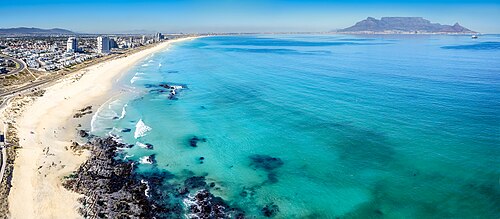
A photograph of Cape Town

City guide · South Africa

Up to 1 hour in Cape Town, South Africa — page 3

Cape Town is best planned as several distinct visitor zones rather than one continuous centre. The City Bowl, V&A Waterfront and lower Table Mountain sit close...

Photograph · Diego Delso · CC BY-SA 4.0

4,639 Places
Suggested stay
Not recorded
Getting around
Walk, MyCiTi bus, taxi and car

Turn this list into a plan

Set your days, your pace and the hours you actually want to be out. The planner works around closing days and travel time, and leaves room to eat.

Plan Cape Town

Reviewed by Elena Voss · Roavina Travel Editor

Cape Town is best planned as several distinct visitor zones rather than one continuous centre. The City Bowl, V&A Waterfront and lower Table Mountain sit close together, while the Atlantic Seaboard, southern suburbs and Cape Peninsula require separate journeys. Wind and mountain conditions can change an outdoor plan quickly, so keep an indoor museum or neighbourhood route available when scheduling the cableway, beaches or exposed viewpoints.

Checked 2026-08-26

Practical information

Language spoken
12 official languages; English is widely used in visitor services
National practical orientation; regional and minority languages may also be used
Dialling code
+27
International calling code; local area and mobile prefixes still apply
Currency
South African rand (ZAR)
Use the official local currency; card acceptance varies by place
Emergency number
112 from mobile · 10111 police · 10177 ambulance
Use only for an emergency; tourist assistance may use a separate number
Plug type
Type M and N · 230 V
Check that chargers support the recorded voltage before using an adapter
Tap water
Not recorded
Water conditions and restrictions vary by municipality

Planning a visit

September · September starts Cape Town's spring recovery, reaching 19.2°C by day as rainfall drops to 40.0 mm.

  1. January: good time to visit
  2. February: good time to visit
  3. March: good time to visit
  4. April: good time to visit
  5. May: good time to visit
  6. June: viable with meaningful trade-offs
  7. July: viable with meaningful trade-offs
  8. August: viable with meaningful trade-offs
  9. September: good time to visit — current month
  10. October: best time to visit
  11. November: good time to visit
  12. December: good time to visit

Sources

Top things to see

Ranked by importance — sitelinks, pageviews and heritage status, not editor preference.

  1. Gugulethu Seven Memorial Gugulethu Seven Memorial
    32 45 min

    Gugulethu Seven Memorial

    The Gugulethu Seven Memorial commemorates seven anti-apartheid activists killed by South African security forces in Gugulethu township on 3 March 1986.

    • Must see
    • Historic monument
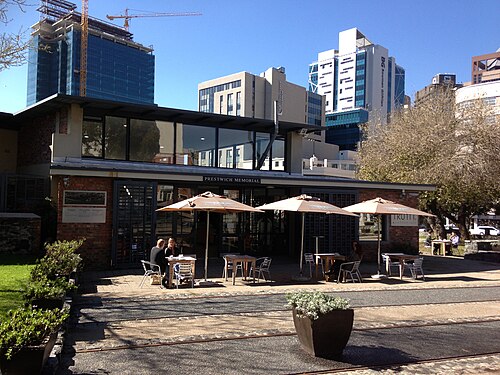
  2. Prestwich Memorial Prestwich Memorial
    33 45 min

    Prestwich Memorial

    Prestwich Memorial is a Cape Town heritage site dedicated to an eighteenth-century burial ground. It brings attention to enslaved and marginalised residents whose lives were long excluded from prominent accounts of the city.

    • Must see
    • Historic monument
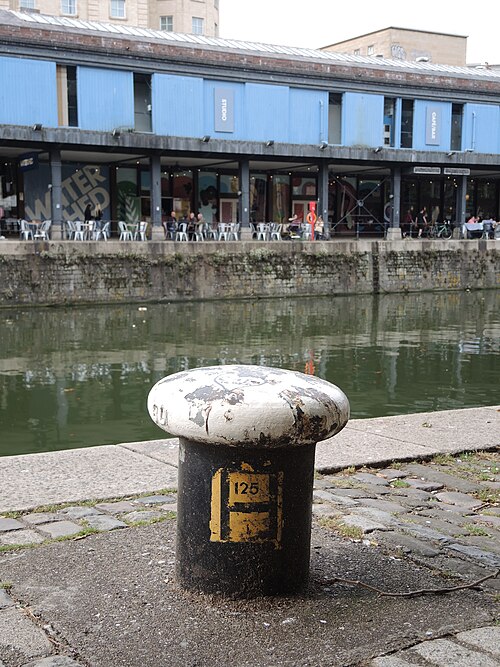
  3. Watershed Watershed
    34 45 min

    Watershed

    The Watershed is an indoor design market situated within Cape Town's V&A Waterfront precinct. It functions as a dedicated retail space showcasing South African craft, fashion, and locally manufactured goods.

    • Must see
    • Market
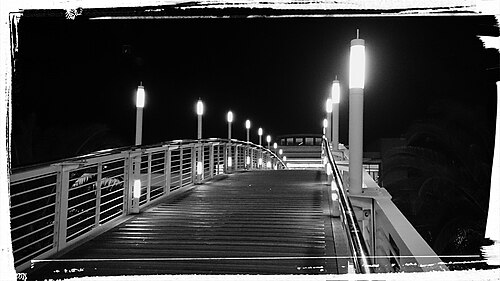
  4. Cape Wheel Cape Wheel
    35 45 min

    Cape Wheel

    The Cape Wheel

    The Cape Wheel is an observation wheel at Cape Town’s V&A Waterfront. Enclosed cabins lift riders above the harbour precinct for broad views across Table Bay, harbour infrastructure, the city and surrounding mountains.

    • Must see
    • Historic monument
  5. Blaauwberg Conservation Area Blaauwberg Conservation Area
    36 1 hour

    Blaauwberg Conservation Area

    Blaauwberg Nature Reserve

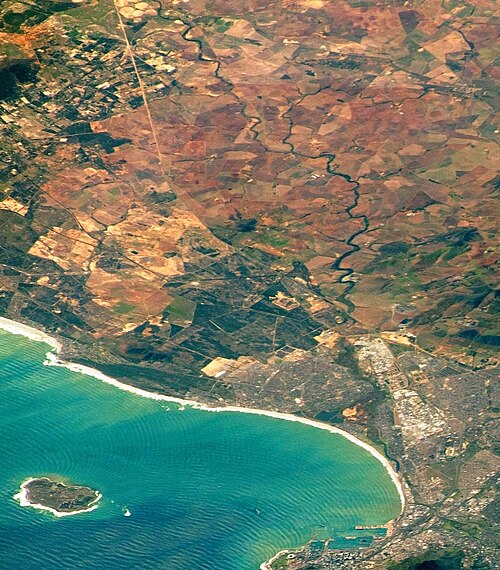
    Blaauwberg Nature Reserve is a protected coastal landscape in the northern Cape Town metropolitan area. It brings together Atlantic shoreline dunes and lowland Cape fynbos, creating a distinctly open setting close to the city.

    • Must see
    • Nature site
  6. Bloubergstrand Bloubergstrand
    37 1 hour

    Bloubergstrand

    Bloubergstrand is a coastal suburb and beach area on the northern outskirts of Cape Town, South Africa. It faces Table Bay and offers direct views across the water toward Table Mountain and the city centre.

    • Must see
    • Nature site

Source: OpenStreetMap contributors, Wikidata ·

How the city is laid out

The City Bowl forms the historic and commercial core beneath Table Mountain, with Bo-Kaap on its western slope and the V&A Waterfront north beside the harbour. The Atlantic Seaboard continues through Sea Point, Clifton and Camps Bay. Woodstock lies east, while Observatory, Newlands, Constantia and Kirstenbosch spread through the southern suburbs. Cape Point and the False Bay coast belong to a separate peninsula circuit rather than a central-city itinerary.

Checked 2026-08-26

Getting around

Walk within the City Bowl, Waterfront and individual neighbourhood clusters, then use MyCiTi buses, metered taxis, ride-hailing or a rental car between dispersed areas. Cape Town Tourism also identifies rail, minibus taxis and cycling among local options, but route suitability varies by destination. The peninsula, Constantia and some trailheads need deliberate transport planning; do not assume one central route connects every major sight.

Checked 2026-08-26

Common questions

How many days should I plan for Cape Town?

No fixed stay length is recorded. Plan separate blocks for the City Bowl and Waterfront, Table Mountain, the Atlantic Seaboard, the southern suburbs and any Cape Peninsula circuit.

Which Cape Town areas combine naturally?

The City Bowl, Bo-Kaap and V&A Waterfront combine most easily. Kirstenbosch and Constantia form a southern route, while Cape Point and False Bay need their own circuit.

Can I explore Cape Town on foot?

Walk within the City Bowl, Waterfront and individual neighbourhoods. Use a bus, taxi, ride-hailing service or car between the major zones spread around the mountain and coastline.

Does public transport reach every major Cape Town sight?

No single service connects every major sight conveniently. Some southern-suburb, peninsula and trailhead journeys require a transfer, taxi, tour or car.

How should weather affect a Cape Town itinerary?

Keep mountain and coastal activities flexible because wind and cloud can alter access. Pair each exposed plan with a museum, market or neighbourhood route.