
07
45 min
Bo-Kaap
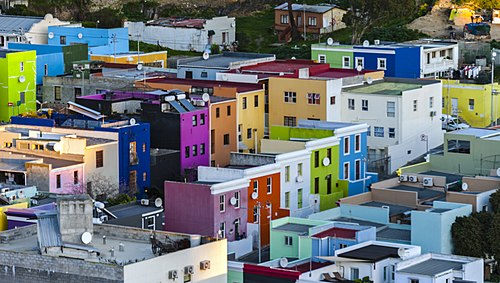
Bo-Kaap is a historic residential neighbourhood on the slopes of Signal Hill above central Cape Town.
- Must see
- Historic monument

City guide · South Africa
Cape Town is best planned as several distinct visitor zones rather than one continuous centre. The City Bowl, V&A Waterfront and lower Table Mountain sit close...
Photograph · Diego Delso · CC BY-SA 4.0
Set your days, your pace and the hours you actually want to be out. The planner works around closing days and travel time, and leaves room to eat.
Reviewed by Elena Voss · Roavina Travel Editor
Cape Town is best planned as several distinct visitor zones rather than one continuous centre. The City Bowl, V&A Waterfront and lower Table Mountain sit close together, while the Atlantic Seaboard, southern suburbs and Cape Peninsula require separate journeys. Wind and mountain conditions can change an outdoor plan quickly, so keep an indoor museum or neighbourhood route available when scheduling the cableway, beaches or exposed viewpoints.
Checked 2026-08-26
September · September starts Cape Town's spring recovery, reaching 19.2°C by day as rainfall drops to 40.0 mm.
Ranked by importance — sitelinks, pageviews and heritage status, not editor preference.
37 places match
Category
Typical visit duration
Interests
Bo-Kaap is a historic residential neighbourhood on the slopes of Signal Hill above central Cape Town.
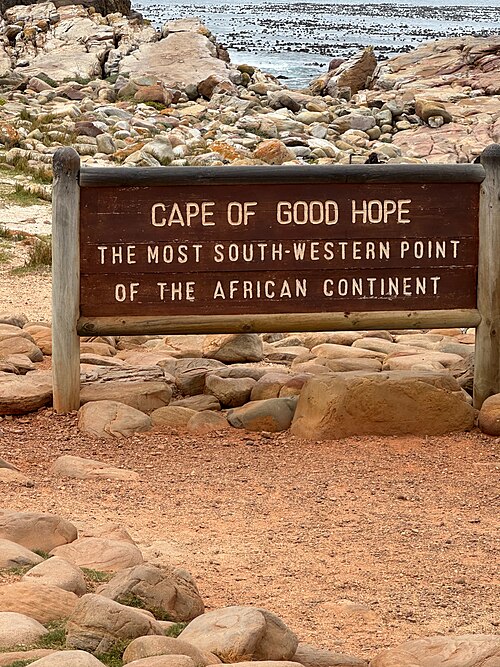
The Cape of Good Hope is a rugged headland within Table Mountain National Park on the Cape Peninsula.
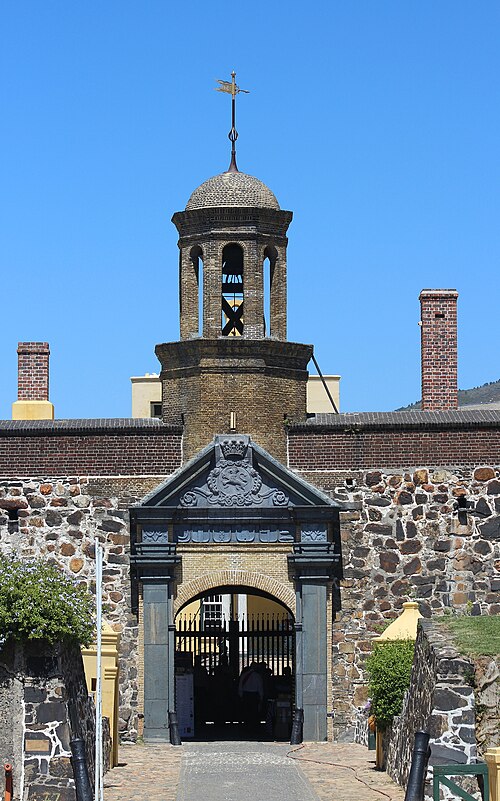
The Castle of Good Hope is a seventeenth-century fort standing as Cape Town's oldest surviving colonial building. Constructed by the Dutch East India Company, it represents a foundational civic-history landmark in South Africa's colonial narrative.
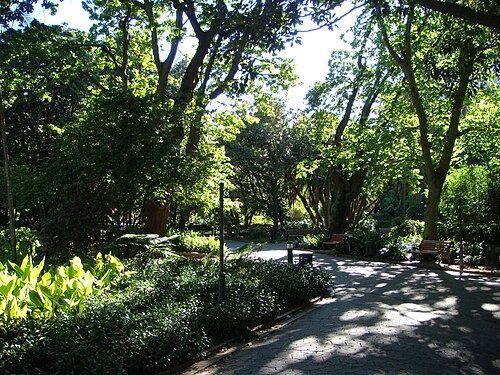
Company's Garden is a historic public park in central Cape Town, established in the 1650s by the Dutch East India Company (VOC) as a vegetable supply garden for ships rounding the Cape.
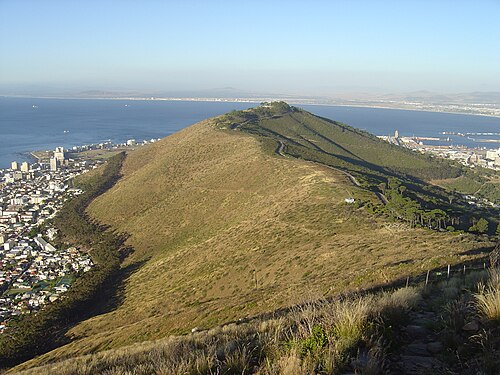
Signal Hill is a prominent low ridge located immediately beside Lion's Head in Cape Town, South Africa. It forms part of the dramatic mountainous backdrop that defines the city's skyline.
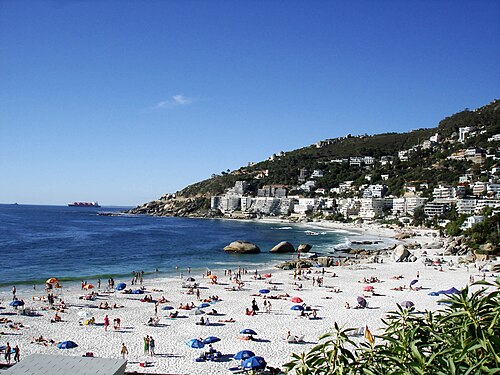
Clifton Beaches are four small Atlantic coves below Victoria Road in Cape Town, numbered First through Fourth from north to south.
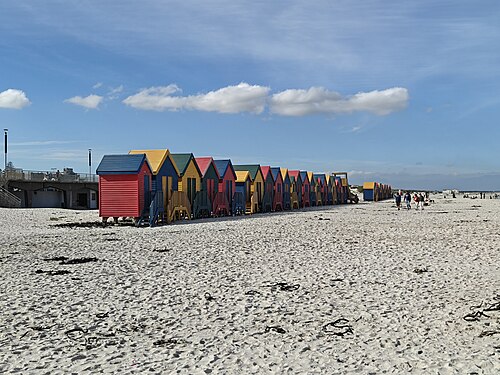
Muizenberg Beach is a broad sandy beach on the False Bay coastline of Cape Town, South Africa. It is widely recognised as the city's classic beginner-surfing destination, with gentle waves that attract novice surfers.

Cape Town City Hall is a historic municipal building located on the Grand Parade in central Cape Town, South Africa. Designed in the Edwardian Baroque style, it was opened in 1905.
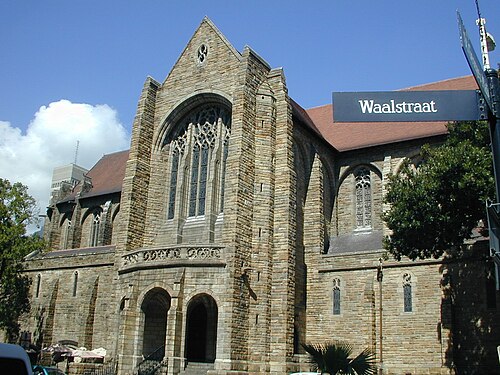
St George's Cathedral is an Anglican cathedral on Wale Street in Cape Town city centre and the seat of the Archbishop of Cape Town.
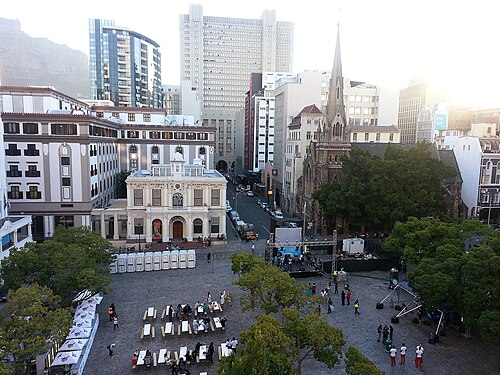
Greenmarket Square is a historic central square in Cape Town, South Africa. It has served as a public gathering space since the seventeenth century and remains one of the city's most recognisable urban landmarks.
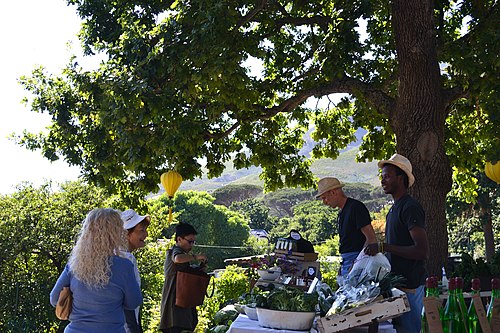
Oranjezicht City Farm Market is a farmers' market in Cape Town, situated near the V&A Waterfront area. The market operates as a community-focused food destination where regional producers gather to sell their goods.
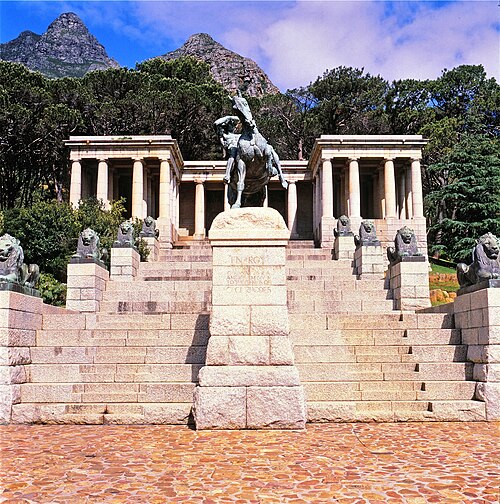
Rhodes Memorial is a mountainside monument on the slopes of Devil’s Peak in Cape Town. It commemorates Cecil John Rhodes, whose colonial legacy remains deeply contested.
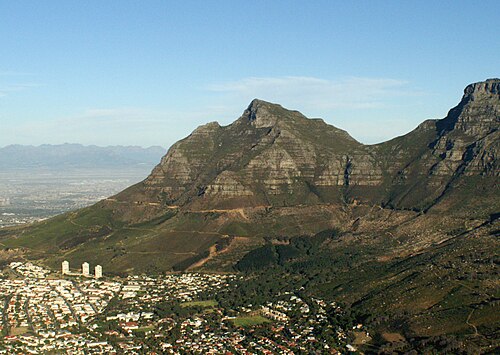
Devil's Peak is a prominent mountain summit forming the eastern flank of Table Mountain in Cape Town, South Africa. It rises dramatically above the City Bowl and the university precinct, creating one of the most recognisable skylines in the city.
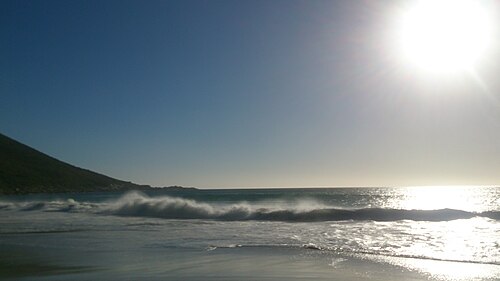
Llandudno Beach is a natural Atlantic cove below the mountains of Cape Town’s Cape Peninsula. Its undeveloped shoreline, sand and surrounding rock formations create a quieter coastal setting than the city’s more built-up beaches.

Oudekraal is a small cove within Table Mountain National Park, situated along Cape Town's Atlantic seaboard beneath the Twelve Apostles mountain range.
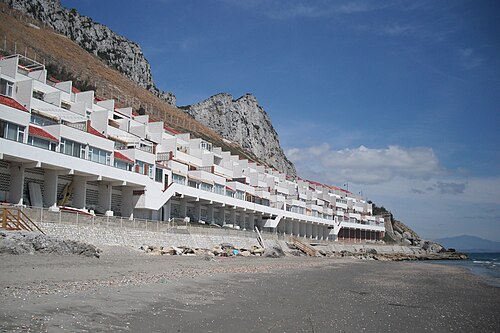
Sandy Bay Beach
Sandy Bay is an isolated Atlantic beach on the Cape Peninsula, situated on the western coastline between Llandudno and Hout Bay. The beach lies below steep mountain slopes and is accessed via a walking path.
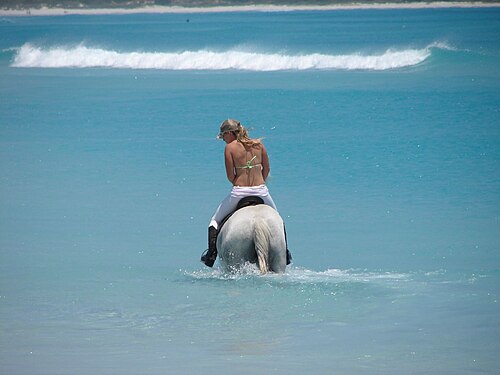
Noordhoek Beach is a long white-sand beach on the Atlantic coast of the Cape Peninsula, situated below the dramatic Chapman's Peak Drive. It stretches approximately eight kilometres along the shoreline, offering an exposed open-coast landscape.
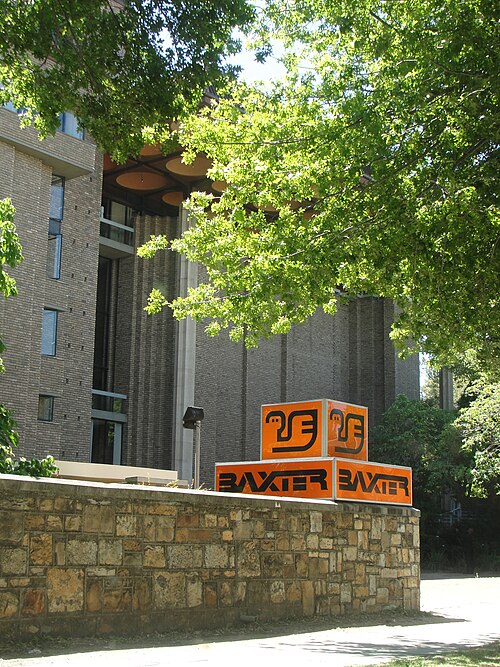
Baxter Theatre Center
The Baxter Theatre Centre is the University of Cape Town's premier performing arts complex. Established as a cultural landmark, it serves as a major venue for theatre, dance, and music productions in the city.
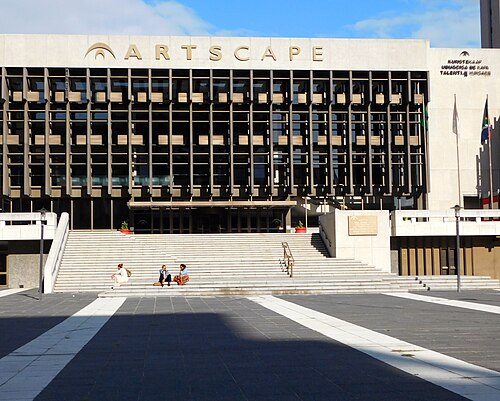
Artscape Theatre Centre stands as Cape Town's principal city-centre theatre complex, serving as a substantial venue for opera, dance, and South African performance.
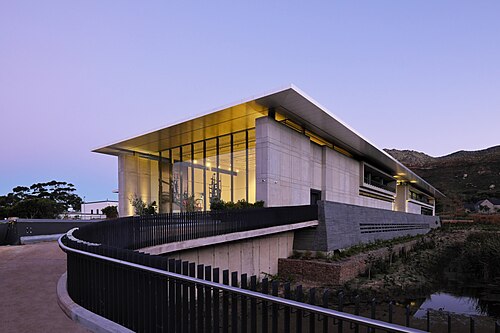
Norval Foundation is a contemporary art museum and sculpture garden in Steenberg, in Cape Town’s southern suburbs. It brings indoor exhibitions and outdoor sculpture together in a landscaped setting, making the visit feel different from a conventional city gallery.
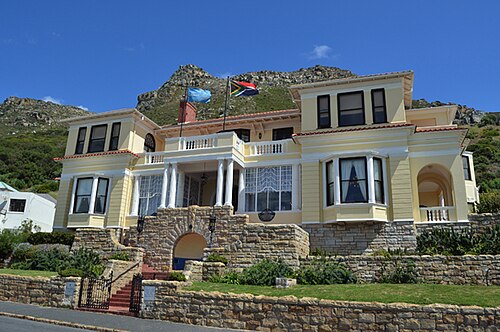
Casa Labia is an Italianate villa in Muizenberg on Cape Town’s False Bay coast. The historic building now serves as a cultural venue, bringing heritage architecture and arts programming together in one of the southern peninsula’s distinctive settings.
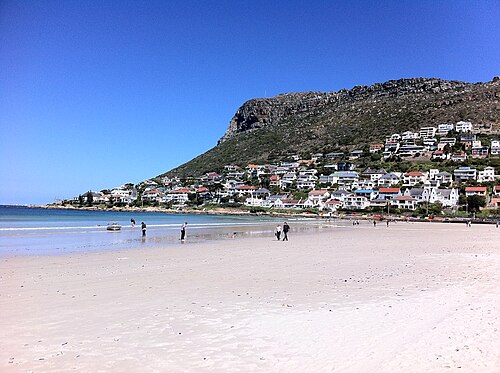
Fish Hoek Beach
Fish Hoek Beach is a broad, sheltered coastal beach on the False Bay shoreline of Cape Town's southern peninsula.
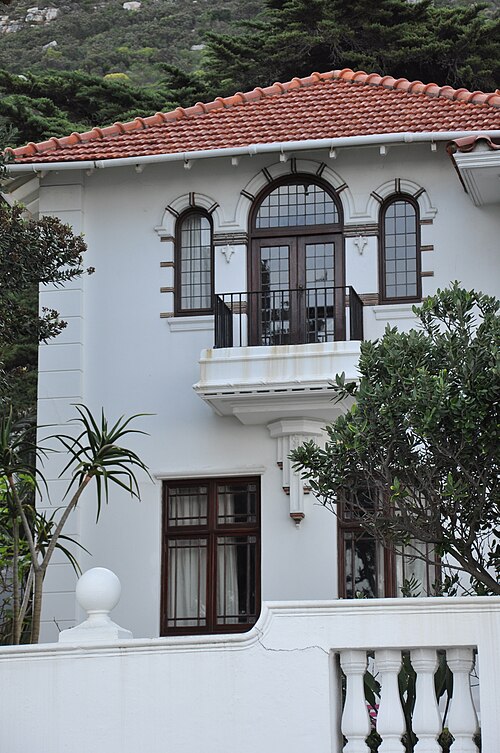
St James Beach is a compact False Bay beach in Cape Town’s St James suburb. Its most recognisable feature is a row of colourful Victorian-style bathing huts beside the shore.
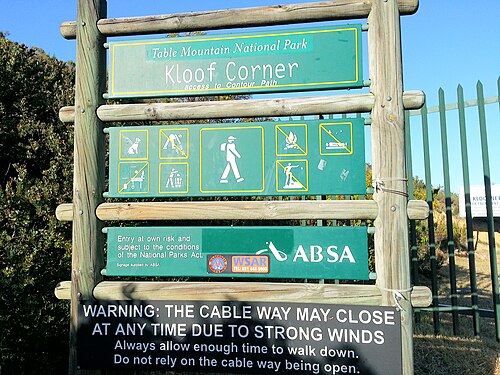
Kloof Corner is a short, steep hiking route on the lower slopes of Table Mountain in Cape Town, South Africa. It serves as a viewpoint hike offering elevated perspectives of the city, coastline, and mountain terrain.
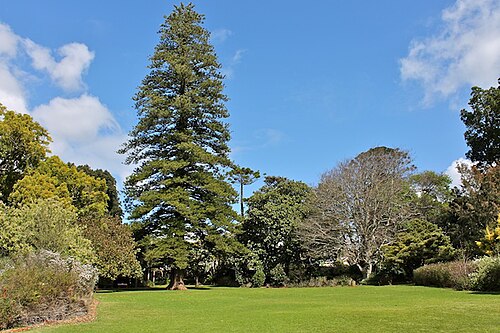
Arderne Gardens is a historic public garden in Claremont, Cape Town. Established in the Victorian era, the garden preserves a heritage landscape within a lived-in southern suburb.
The City Bowl forms the historic and commercial core beneath Table Mountain, with Bo-Kaap on its western slope and the V&A Waterfront north beside the harbour. The Atlantic Seaboard continues through Sea Point, Clifton and Camps Bay. Woodstock lies east, while Observatory, Newlands, Constantia and Kirstenbosch spread through the southern suburbs. Cape Point and the False Bay coast belong to a separate peninsula circuit rather than a central-city itinerary.
Checked 2026-08-26
Walk within the City Bowl, Waterfront and individual neighbourhood clusters, then use MyCiTi buses, metered taxis, ride-hailing or a rental car between dispersed areas. Cape Town Tourism also identifies rail, minibus taxis and cycling among local options, but route suitability varies by destination. The peninsula, Constantia and some trailheads need deliberate transport planning; do not assume one central route connects every major sight.
Checked 2026-08-26
No fixed stay length is recorded. Plan separate blocks for the City Bowl and Waterfront, Table Mountain, the Atlantic Seaboard, the southern suburbs and any Cape Peninsula circuit.
The City Bowl, Bo-Kaap and V&A Waterfront combine most easily. Kirstenbosch and Constantia form a southern route, while Cape Point and False Bay need their own circuit.
Walk within the City Bowl, Waterfront and individual neighbourhoods. Use a bus, taxi, ride-hailing service or car between the major zones spread around the mountain and coastline.
No single service connects every major sight conveniently. Some southern-suburb, peninsula and trailhead journeys require a transfer, taxi, tour or car.
Keep mountain and coastal activities flexible because wind and cloud can alter access. Pair each exposed plan with a museum, market or neighbourhood route.