Como_in_Melbourne_Australia.jpg)
.jpg)
.jpg)

11 min walk
Melbourne High School
- High · Heritage site
- Place of worship
Language · 11 published
Nature site · Melbourne
Como House and Garden
Reviewed by Elena Voss · Roavina Travel Editor
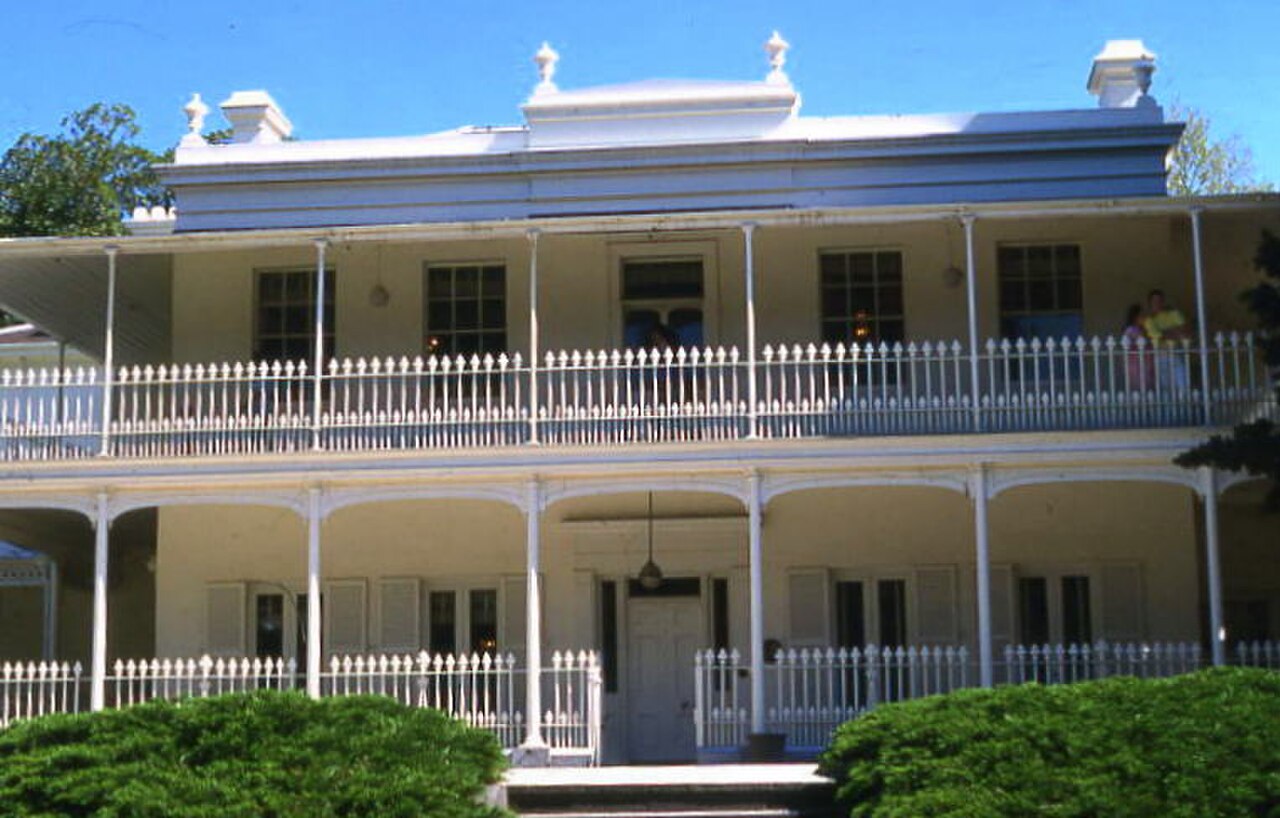
This place is a Garden. It carries the listed on the Victorian Heritage Register heritage designation. It is run by National Trust of Australia (Victoria).
Como House and Garden is a heritage estate in Melbourne, combining a historic house with landscaped grounds. It offers a quieter cultural experience than the city’s large museums, with the appeal of architecture, domestic history, and garden atmosphere in one setting. The estate suits visitors who enjoy preserved homes, period character, and a measured walk through a historic property. It can anchor a south-eastern Melbourne outing focused on heritage and gardens. Como House and Garden is a heritage property in Melbourne, recognized as a notable visitor destination within the documented city scope. The site represents a significant historical estate preserved for public interest. As a cultural attraction, it contributes to Melbourne's heritage tourism landscape. The property is identified in official visitor information sources as a point of interest for those exploring the city's historical and garden attractions. Its retention within the city scope confirms its relevance to Melbourne's visitor offering. Verify directly before visiting.
Checked 2026-08-26 · Source
The visit brings together the heritage house and its garden grounds. Inside, the interest lies in the rooms, domestic spaces, architectural details, and objects that communicate how the estate was lived in and maintained. Outside, landscaped areas provide a change of pace and a setting for understanding the house within its grounds. The combination makes Como more than a garden walk: it is a place where interior and exterior heritage are read together. Visitors should expect a heritage house with associated garden grounds typical of such historical properties. Prospective visitors are advised to consult directly with the property or official tourism channels for current information about what can be viewed inside the house and throughout the garden areas.
Checked 2026-08-26 · Source
Allow one to three hours for a substantial visit, depending on how closely you explore the house and garden. A shorter visit can focus on the estate setting and principal rooms, while a longer stay gives more time for architectural details, interpretation, and landscaped grounds. Como works well as a dedicated heritage stop or as one element in a day that includes Melbourne’s gardens and historic neighbourhoods. Visitor judgment suggests that heritage properties of this nature typically require between one and three hours for a meaningful experience, depending on individual interest in historical interiors and garden exploration.
Checked 2026-08-26 · Source
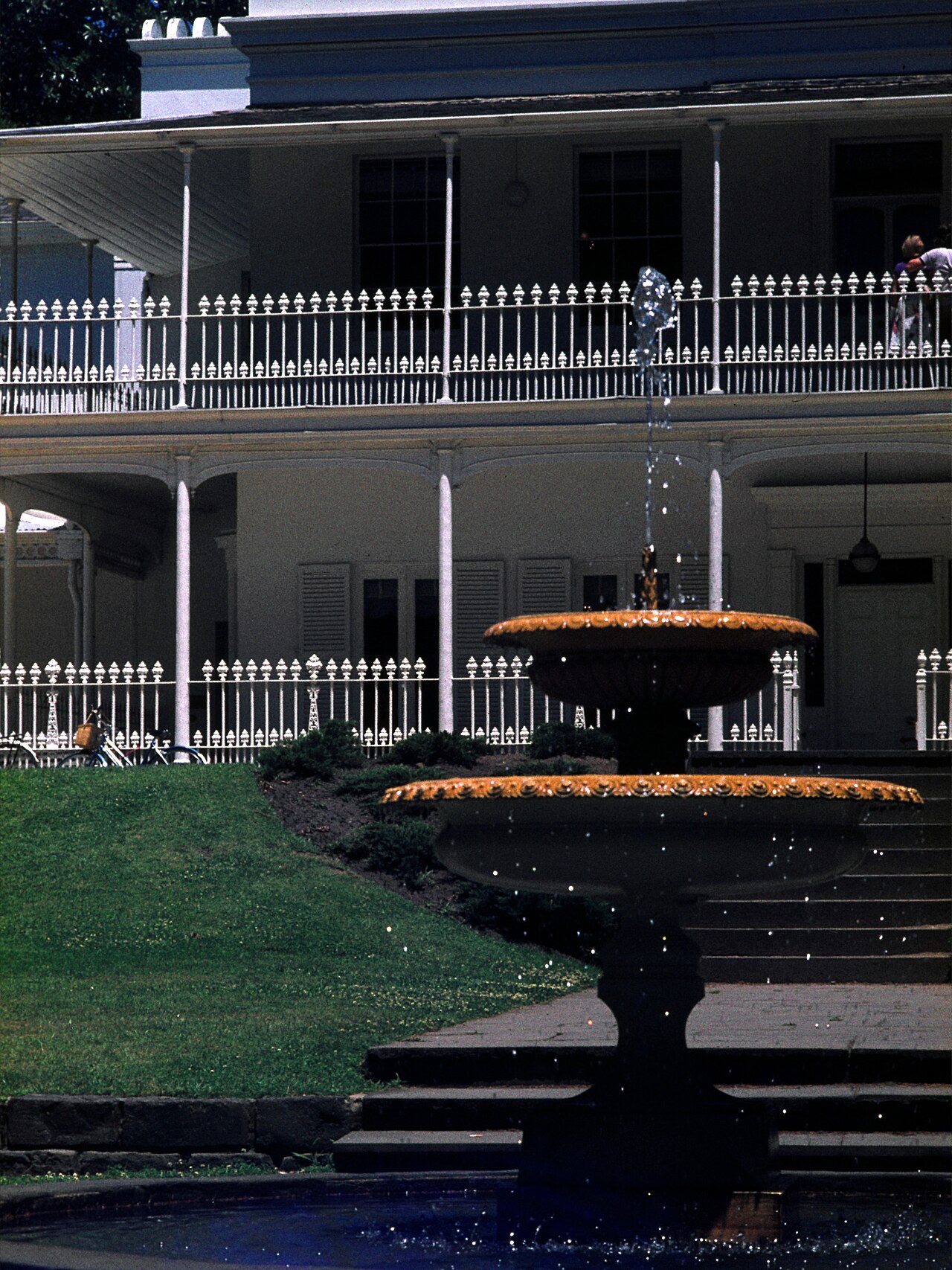
Choose a dry day if you want to give equal attention to the house and garden. Spring and autumn are comfortable for moving between interior rooms and outdoor paths, while summer offers brighter garden conditions. Melbourne’s changeable weather can make a garden visit feel different from a house-focused visit, so leave enough flexibility for both parts of the estate. The property’s heritage atmosphere also rewards a slower pace rather than a rushed stop.
Checked 2026-08-26 · Source
Como House and Garden is a heritage visitor attraction centred on the preserved estate, its interiors, and its grounds. The visit should be planned as a cultural experience rather than as a simple public-park walk. Different parts of the property may form one connected experience, including the house and garden. Set aside enough time to appreciate both, especially if period architecture and domestic history are central interests.
Checked 2026-08-26 · Source
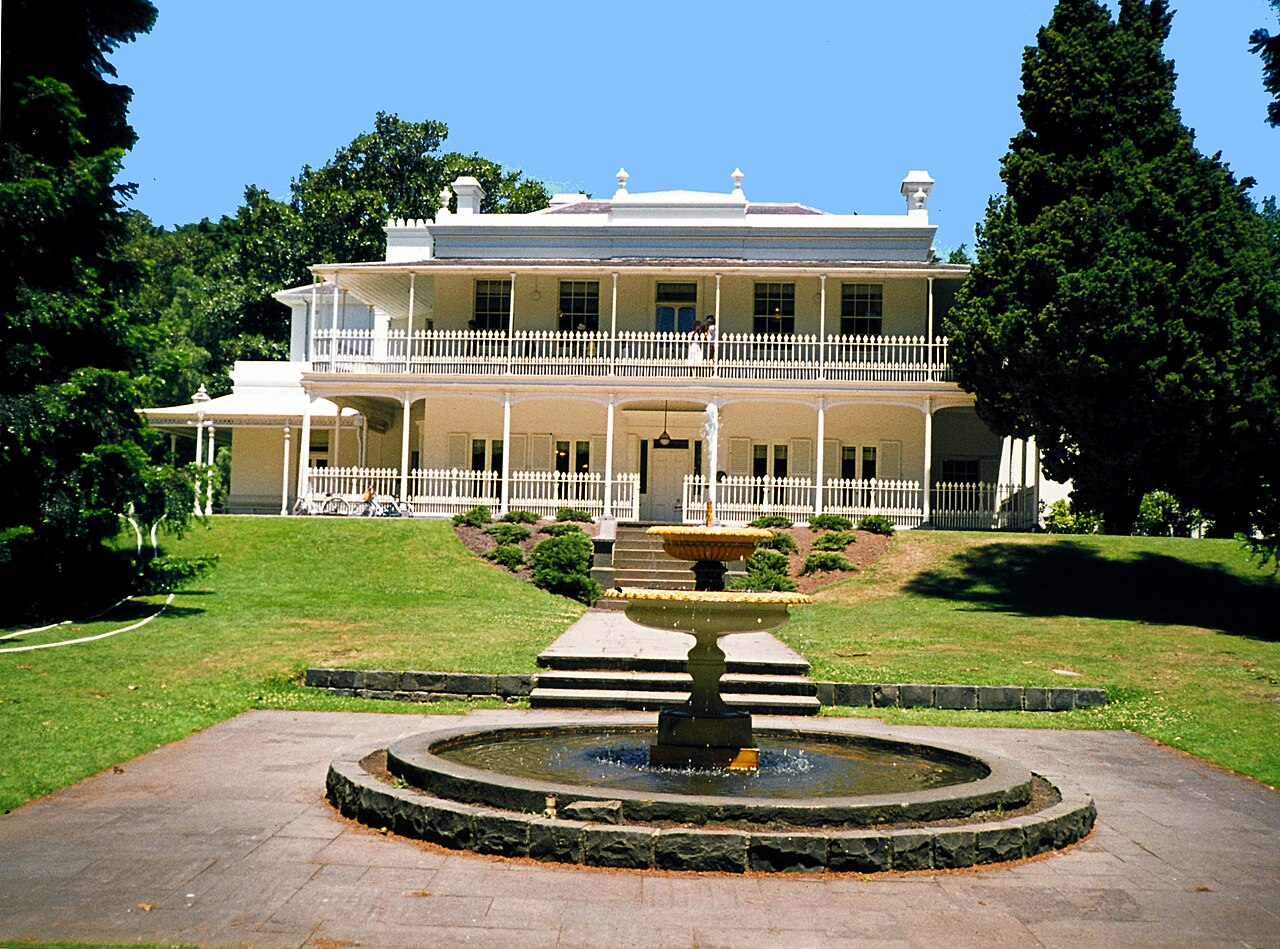
Como House and Garden is a Melbourne heritage destination that fits naturally into an itinerary built around historic properties, gardens, and residential neighbourhoods. The estate is best treated as a planned stop rather than an incidental landmark encountered between central attractions. Travellers using public transport, walking, cycling, or a car can organise the visit as part of a south-eastern Melbourne route. A map-based route helps connect Como with other nearby garden and heritage experiences.
Checked 2026-08-26 · Source
Como combines indoor heritage rooms with outdoor garden paths, so comfortable shoes and clothing suited to changing weather are helpful. Treat period interiors, furnishings, and architectural details carefully, and follow the movement pattern established for visitors. Garden surfaces may be uneven or wet after rain. Keep food and drinks to areas where they are permitted, and give other visitors space in smaller rooms, corridors, and viewpoints across the estate.
Checked 2026-08-26 · Source
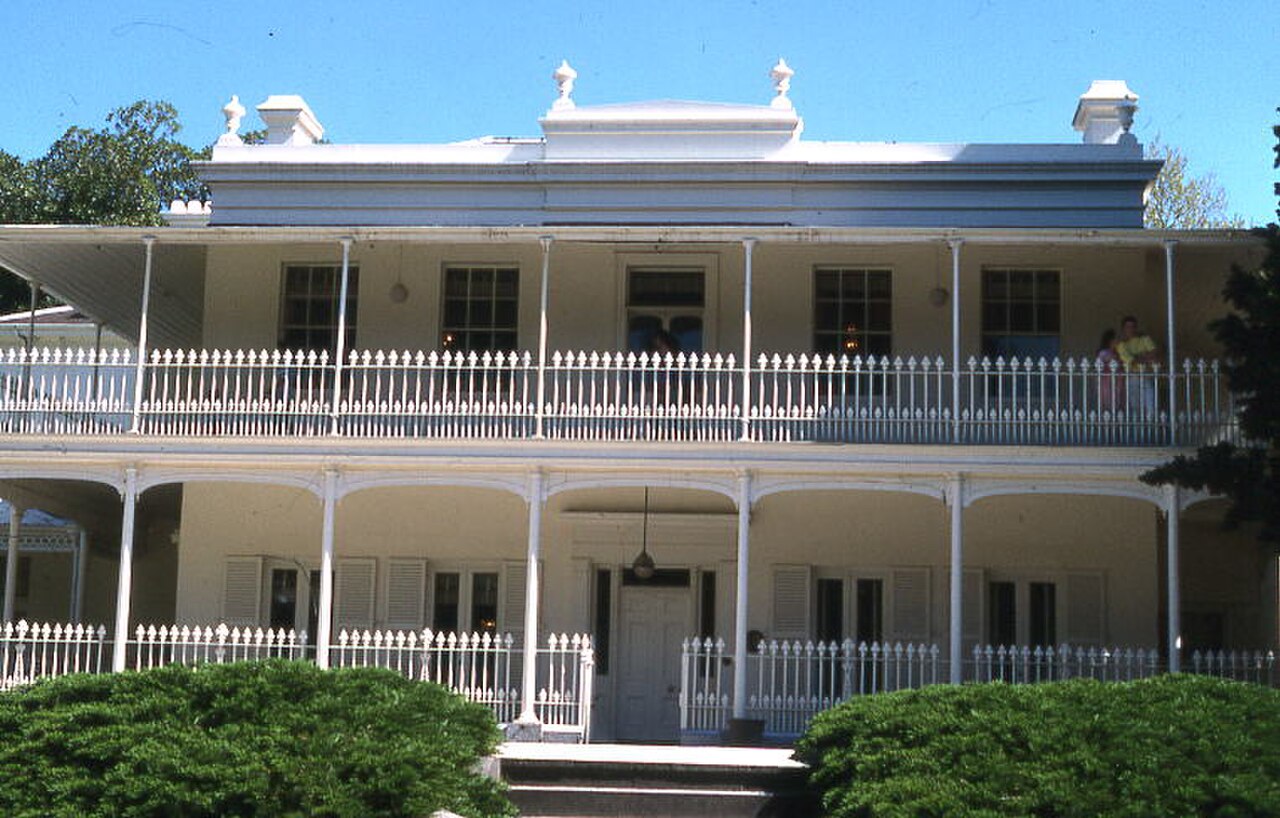
Como offers two complementary photographic subjects: the atmosphere and details of a preserved heritage house, and the broader composition of house, garden, trees, and paths. Architectural lines, period surfaces, doorways, and garden views can create a varied sequence. Use natural light thoughtfully and keep cameras or tripods from obstructing movement. Outdoor views usually provide more room for composition, while indoor photographs should respect the character and quiet of the rooms.
Checked 2026-08-26 · Source
It is a Melbourne heritage estate combining a preserved historic house with landscaped garden grounds.
The visit brings together period interiors, architectural details, domestic-history displays, and landscaped outdoor areas.
Allow one to three hours, depending on how closely you explore the house, interpretation, and garden.
It is both: the house provides the interior heritage experience, while the garden places the estate within its landscaped setting.
A dry day is useful when you want to spend time in both the heritage house and the garden grounds.
Comfortable shoes and clothing suited to Melbourne’s changeable weather help when moving between interior rooms and garden paths.
Loading the interactive map…
The interactive map could not be loaded.
Last updated:
Source: OpenStreetMap contributors, Wikidata ·