


16 min walk
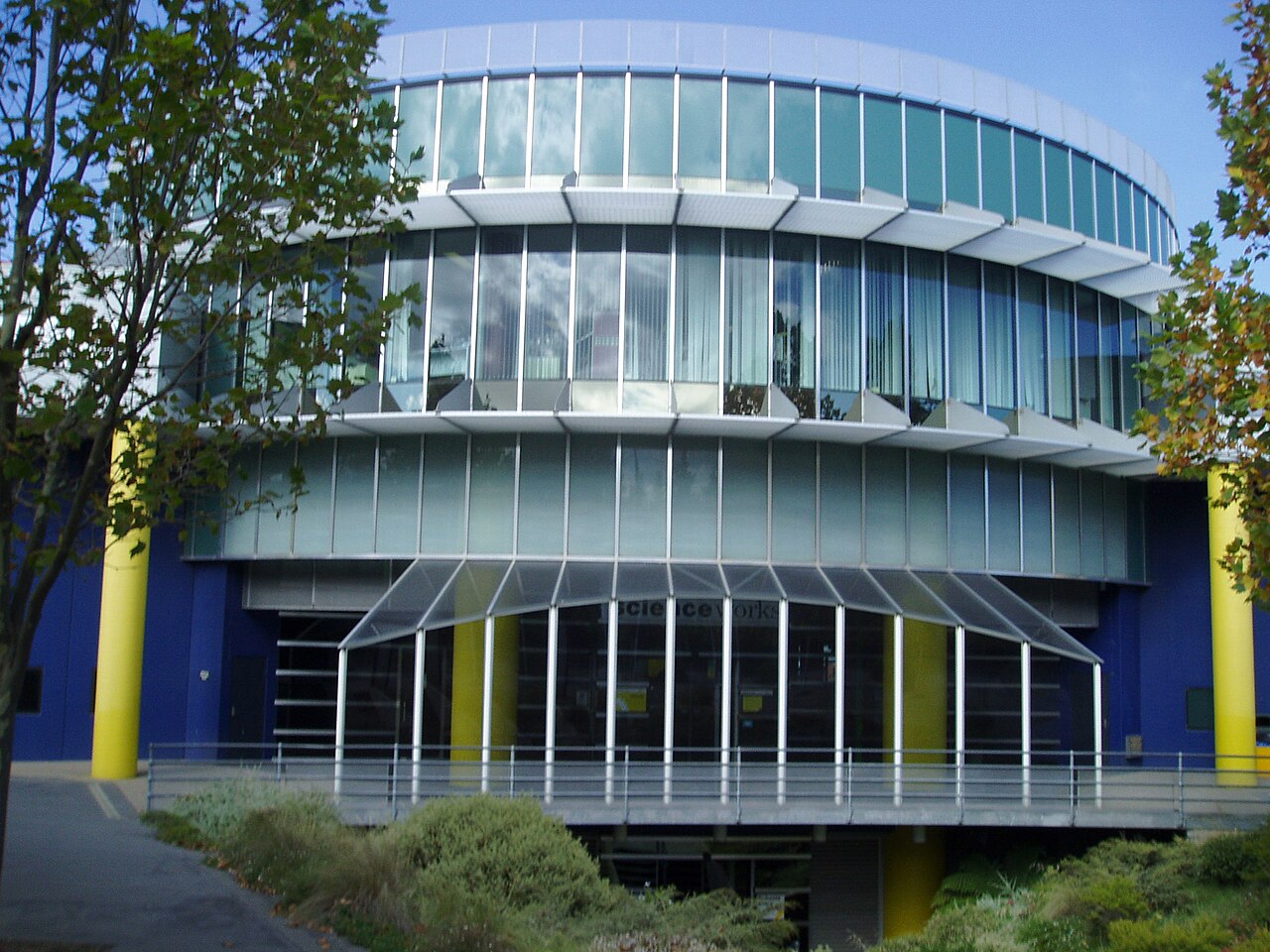
Scienceworks
- Must see
- Museum
Language · 11 published
Nature site · Melbourne
Reviewed by Elena Voss · Roavina Travel Editor
This place is a Park.
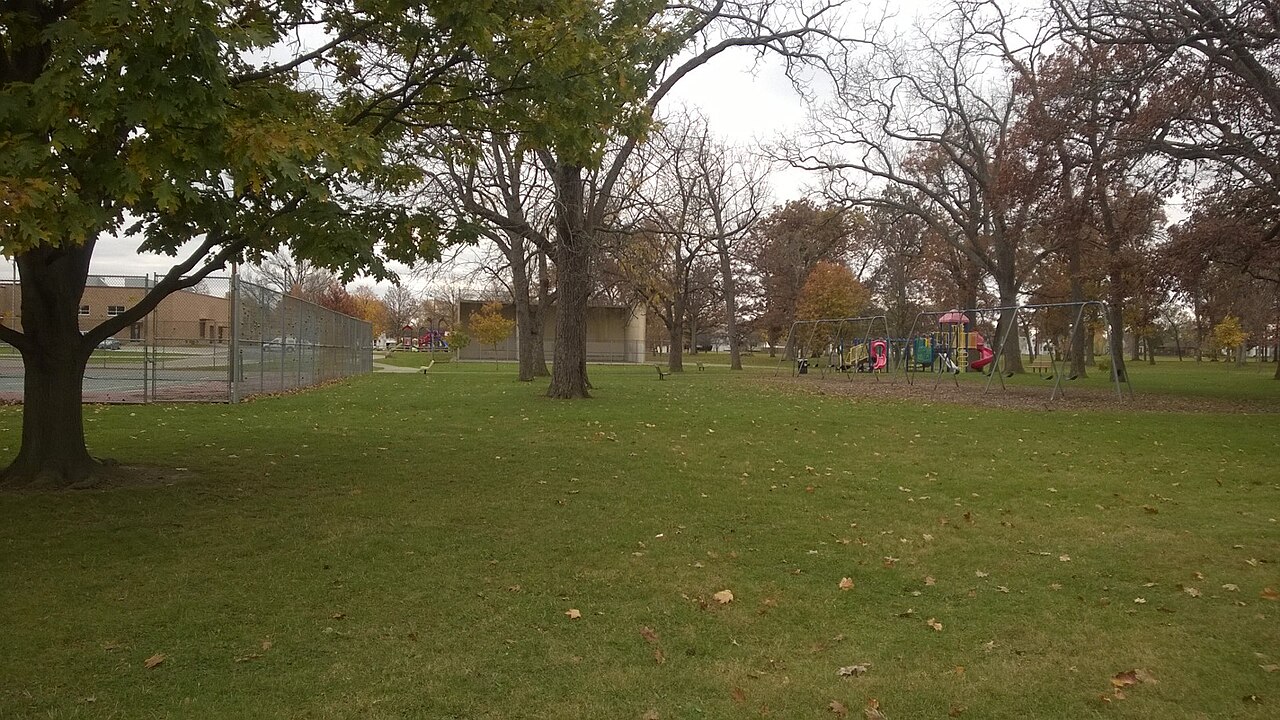
Westgate Park is an open space in western Melbourne beside the West Gate Bridge. Its setting combines riverside and estuarine landscape with the immense scale of major transport infrastructure overhead. The park offers a different side of Melbourne from formal central gardens: quieter paths, natural vegetation and industrial surroundings create the character of this distinctive urban place. Westgate Park is a public park located in Melbourne, Victoria. Situated near the West Gate Bridge, the park occupies a position within the industrial and port precinct of the city's western reaches. The area forms part of Melbourne's broader network of open spaces, offering visitors a glimpse into a landscape shaped by both natural features and significant infrastructure. The park's setting beneath the iconic bridge deck creates a distinctive atmosphere that distinguishes it from more conventional urban green spaces elsewhere in the metropolitan area. The park's rugged environment, industrial surroundings, and exposure to traffic and weather suggest careful consideration before bringing young children. No playgrounds or child-specific facilities are documented.
Checked 2026-08-26 · Source
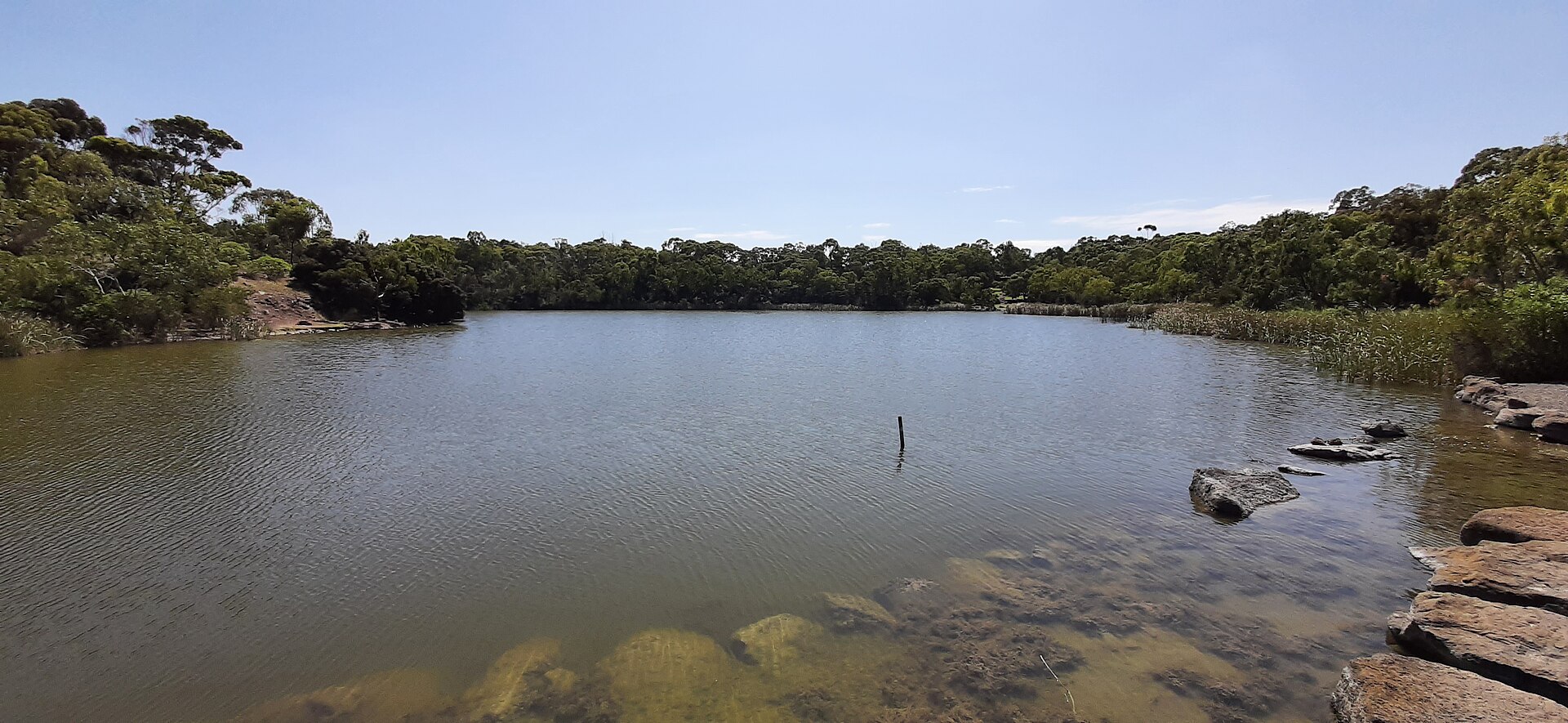
Walking paths cross portions of the park through vegetation shaped by the nearby Yarra River mouth and Port Phillip Bay. Saltmarsh and wetland qualities contribute to the landscape, while the West Gate Bridge dominates the view above. Expect a semi-natural, open setting rather than manicured lawns, visitor exhibits or a programme of organised attractions. The park contains natural and semi-natural elements typical of its riverside and estuarine location. Vegetation suited to the local conditions grows throughout the area, with saltmarsh and wetland characteristics present given the proximity to the Yarra River mouth and Port Phillip Bay. The dominant visual feature remains the massive concrete structure of the West Gate Bridge overhead. Walking paths traverse portions of the park, allowing exploration of the terrain. Visitors should expect an environment more rugged and less manicured than central city gardens, reflecting its industrial adjacency and functional role within the urban landscape.
Checked 2026-08-26 · Source
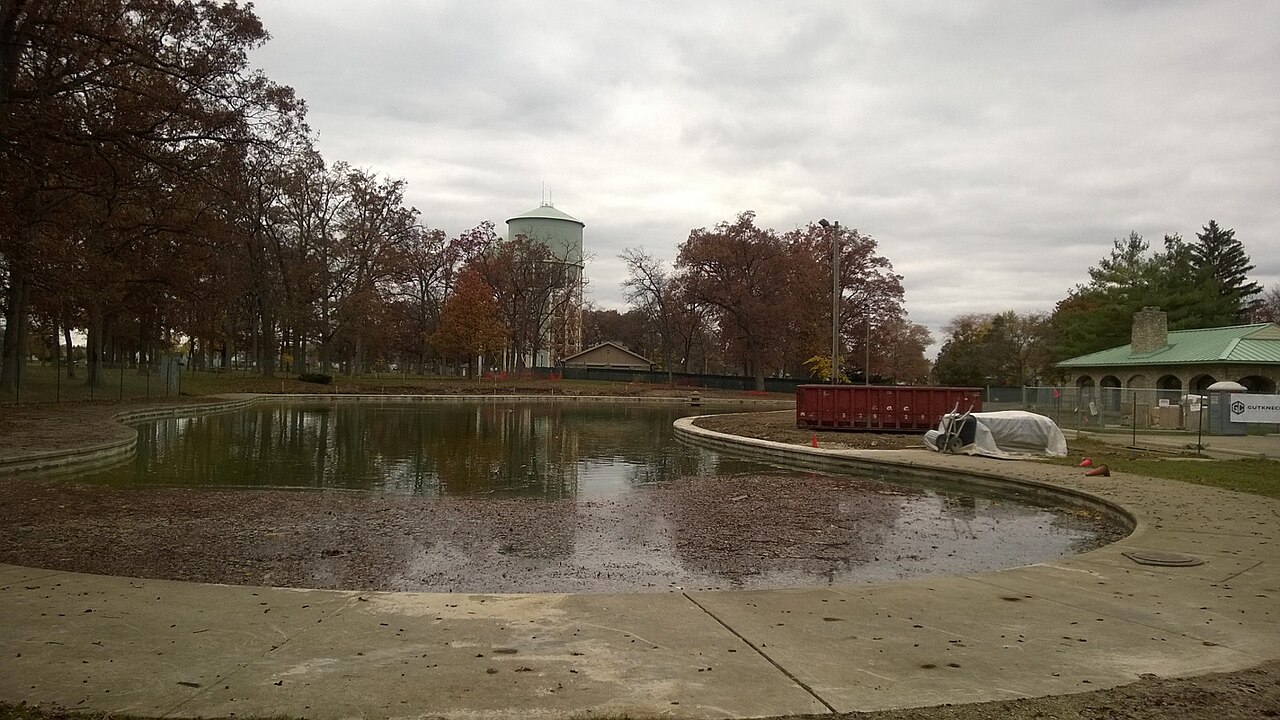
A short visit of around thirty minutes works for seeing the bridge and taking a few photographs. Allow one to two hours if you want to walk the available paths and spend time with the riverside landscape. The park suits a focused outdoor stop, not a full-day attraction built around extensive facilities or scheduled activities. A visit to Westgate Park can range from a brief stop of thirty minutes to several hours depending on individual interest. Those seeking to walk the available paths and observe the bridge structure and surrounding landscape may wish to allocate one to two hours. Photography enthusiasts or visitors drawn to industrial heritage and infrastructure might extend their stay. The park does not contain extensive recreational facilities or programmed attractions that would necessitate a full day. Most visitors will find a short to medium duration sufficient for experiencing what the location offers.
Checked 2026-08-26 · Source
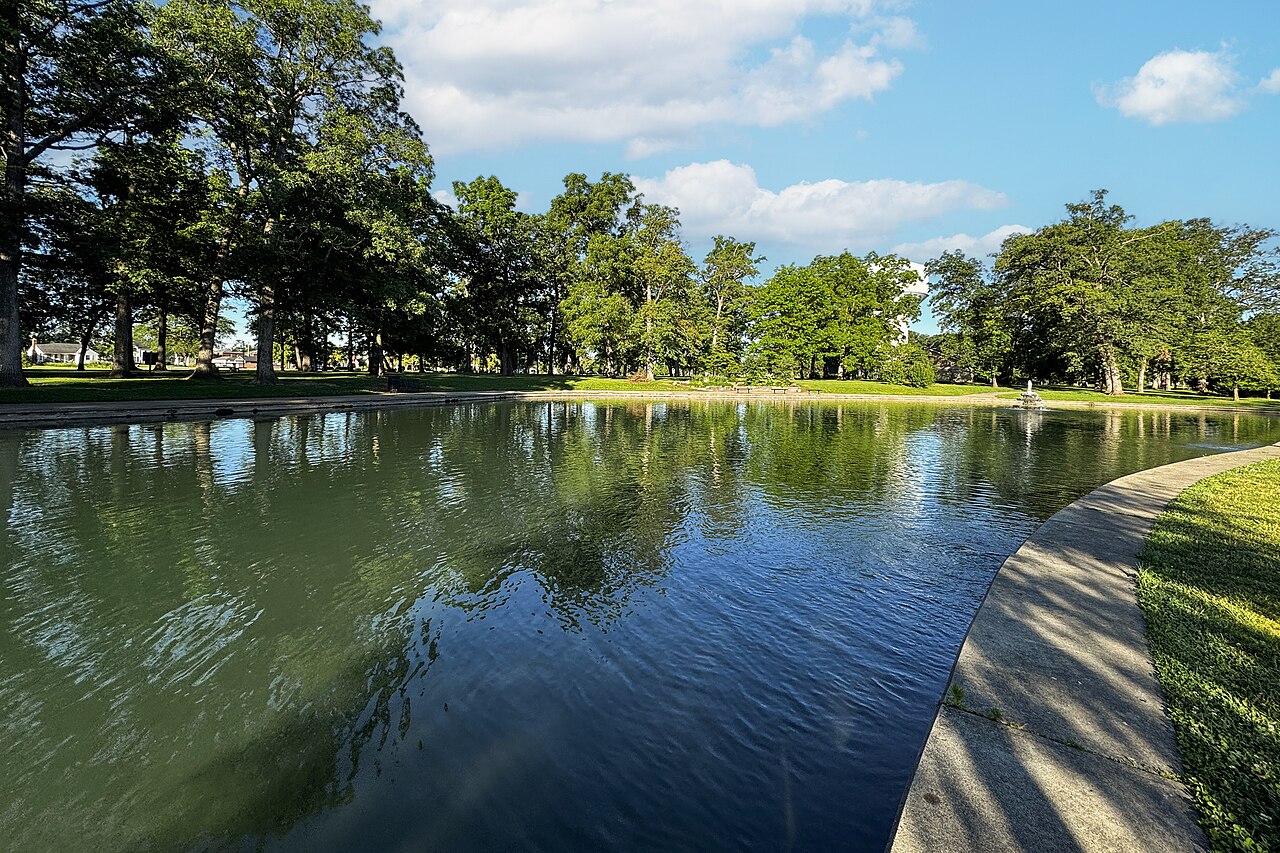
Visit during daylight, when the paths and open landscape are easiest to appreciate. The western setting is exposed to wind from Port Phillip Bay, and conditions beneath the bridge can feel harsh in unsettled weather. Different seasons change the vegetation and light, but the strongest reason to choose your timing is comfortable, visible outdoor walking.
Checked 2026-08-26 · Source
Westgate Park is described as a public park, so the visit is an outdoor walk through a public open space rather than a ticketed museum or attraction. Plan around the paths, bridge views and landscape itself, with no attraction-style admission step included in the guide.
Checked 2026-08-26 · Source
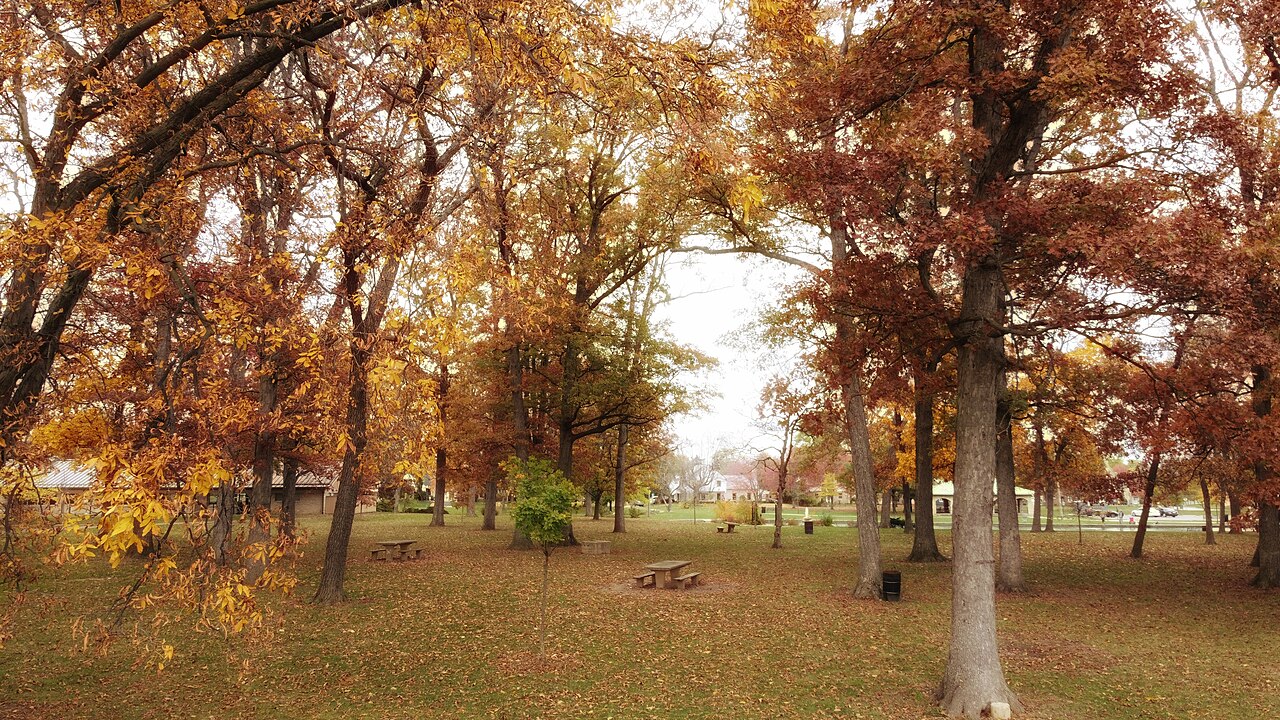
The park sits near the West Gate Bridge in Melbourne's western area, between the central city and the river's industrial corridor. Road access is practical, while public transport requires a connection serving this less central district. Cycling can suit confident riders, but nearby industrial traffic deserves attention. Allow time for the final approach and orientation.
Checked 2026-08-26 · Source
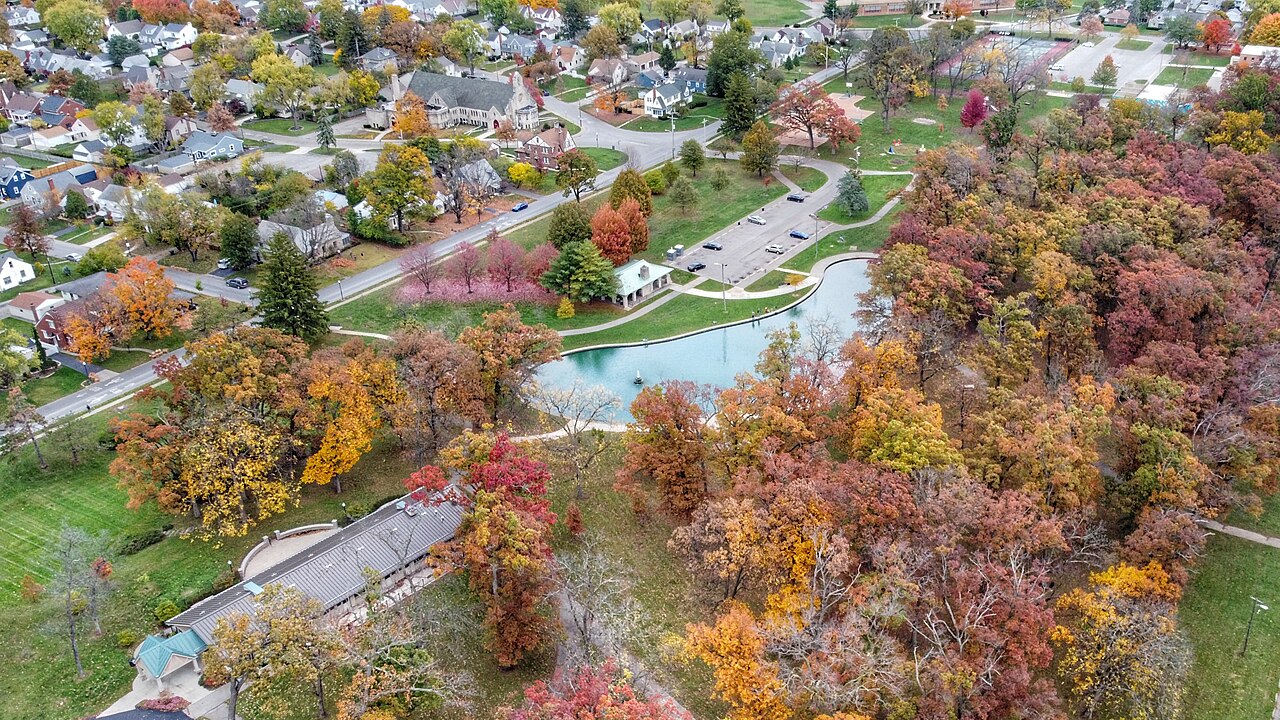
Bridge traffic creates continuous noise, and heavy vehicles use roads in the surrounding industrial area. The park is weather-exposed and its semi-natural ground may be uneven, so sturdy footwear helps. Carry water and sun protection for the walk. Stay aware of vehicles near access roads and keep children close in this open but industrial setting.
Checked 2026-08-26 · Source
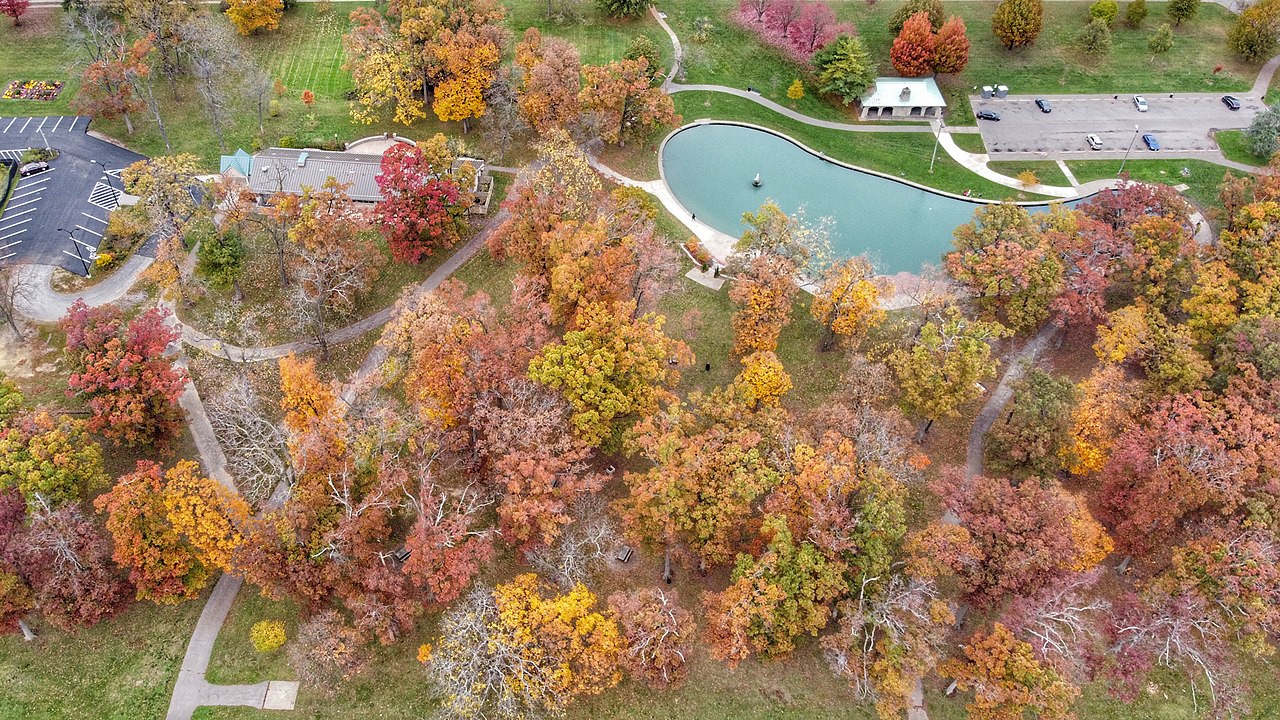
Westgate Park gives photographers ground-level views of the West Gate Bridge, allowing its concrete structure to fill the frame or rise above wetland and riverside vegetation. Industrial and maritime backgrounds add context. Overcast light softens the scene, while clear sunlight creates strong shadows beneath the deck. Bring attention to composition, scale and the changing weather.
Checked 2026-08-26 · Source
It places visitors beside the Yarra River mouth and Port Phillip Bay, directly beneath the imposing West Gate Bridge, combining natural and industrial scenery.
Thirty minutes covers the main bridge view, while one to two hours allows time to walk the paths and explore the landscape.
No. It is a semi-natural open space with wetland and saltmarsh qualities, shaped by its riverside position and industrial surroundings.
Traffic on the West Gate Bridge creates substantial, continuous noise, adding to the park's infrastructure-focused atmosphere.
Water, sun protection and sturdy footwear are useful because the park is exposed to weather and includes semi-natural, potentially uneven ground.
The park offers ground-level perspectives of the West Gate Bridge framed by wetland, riverside vegetation and industrial or maritime backgrounds.
Loading the interactive map…
The interactive map could not be loaded.
Last updated:
Source: OpenStreetMap contributors, Wikidata ·