
6 min walk
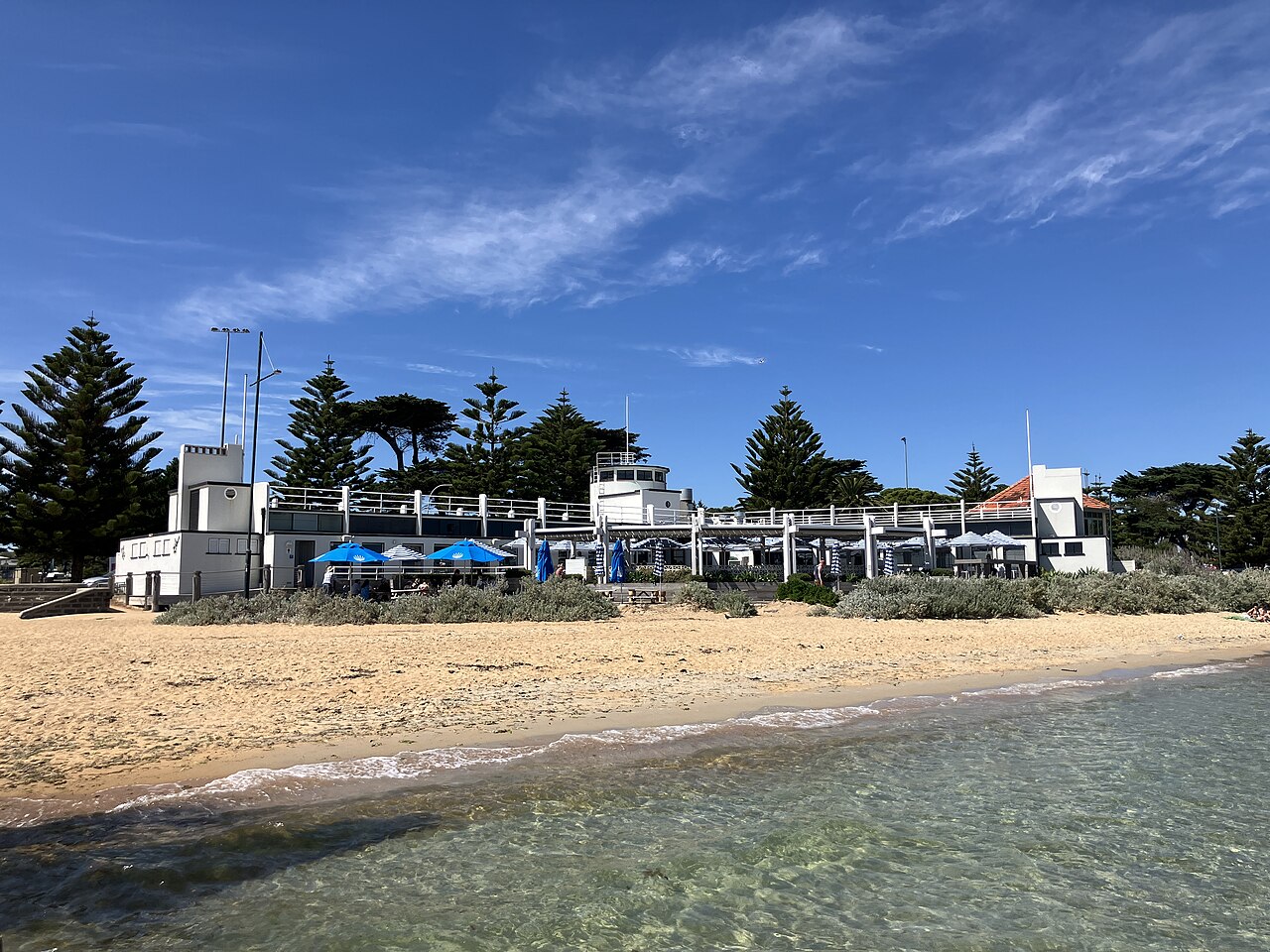
Williamstown Beach
- Must see
- Nature site
Language · 11 published
Nature site · Melbourne
Reviewed by Elena Voss · Roavina Travel Editor
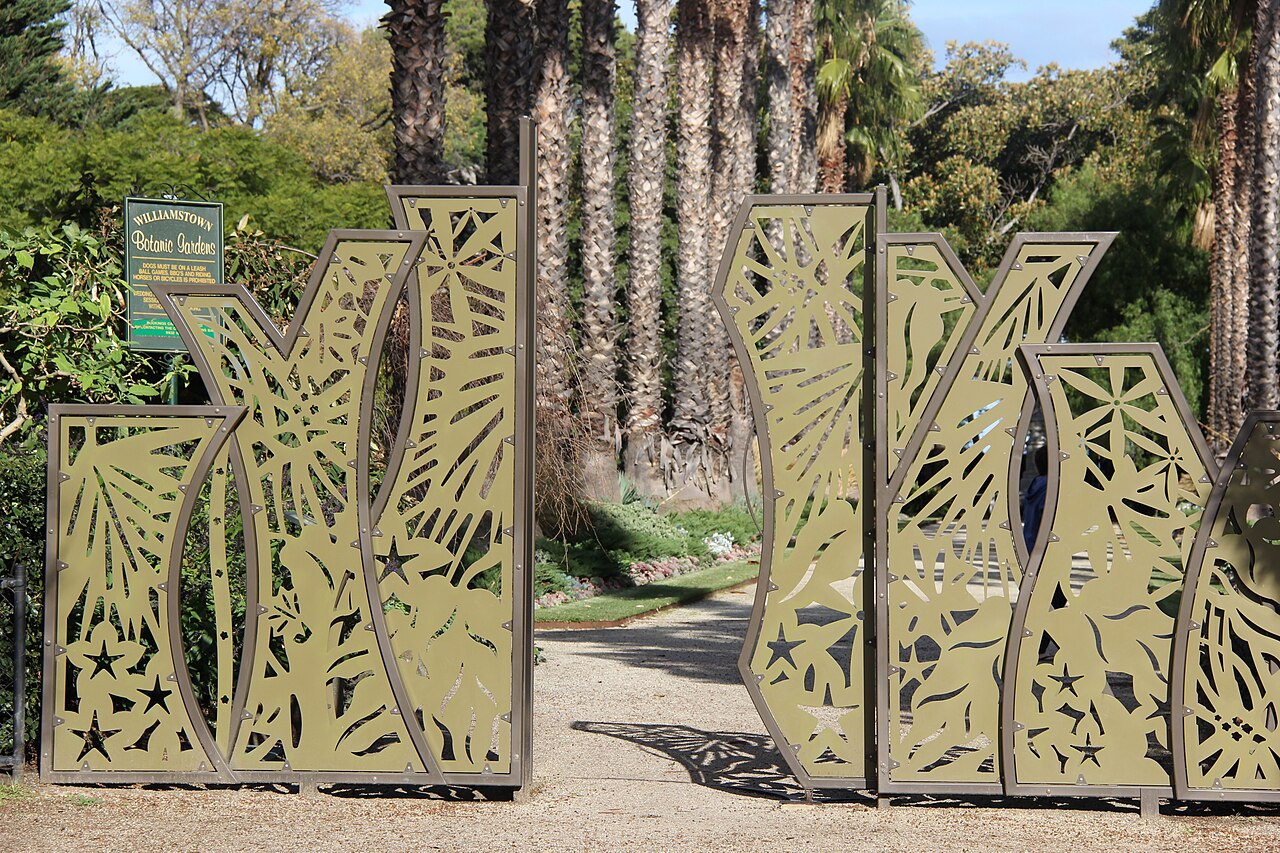
This place is a Garden. It carries the listed on the Victorian Heritage Register heritage designation.
Williamstown Botanic Gardens is a historic public garden in Melbourne's western suburb of Williamstown. Its nineteenth-century origins and Victorian landscape character make it a calm counterpoint to the waterfront's maritime attractions. Mature vegetation, lawns, and structured plantings create space for a slow walk, quiet rest, and garden photography. The gardens work particularly well as part of a wider Williamstown outing that includes the foreshore and historic township. Williamstown Botanic Gardens is a historic public garden located in the suburb of Williamstown, within the greater Melbourne metropolitan area. Established in the nineteenth century, the gardens represent an important example of Victorian-era landscape design and horticultural planning. The site serves as a recreational and cultural destination for both local residents and visitors to the western suburbs of Melbourne. The gardens contribute to the heritage character of Williamstown, a waterfront suburb with maritime associations and established tourism appeal. Visitors should verify current arrangements directly.
Checked 2026-08-26 · Source
Expect mature trees, lawns, established garden beds, specimen plantings, and landscaped paths shaped by the traditions of Victorian public gardens. The appeal is the combination of open space and older vegetation rather than a single landmark building or exhibition. Garden details reward a relaxed pace: look closely at plant textures, then step back for views across the lawns and tree canopy. The setting also reflects Williamstown's established residential and heritage character. The gardens contain mature trees, lawn areas, and traditional botanical garden plantings consistent with nineteenth-century design principles. Visitors can expect structured garden beds, specimen trees, and landscaped open spaces typical of Victorian-era public gardens. Heritage plantings and established vegetation contribute to the garden's character.
Checked 2026-08-26 · Source
Allow thirty minutes for a brief garden walk and up to two hours for an unhurried visit with time to sit, photograph mature plants, and enjoy the landscape. The gardens are easy to combine with Williamstown's waterfront, historic streets, Nelson Place restaurants, and maritime attractions. A half-day plan gives enough room for the garden and foreshore without making either stop feel rushed. A visit to Williamstown Botanic Gardens typically requires between thirty minutes and two hours, depending on individual interest in botanical specimens, heritage features, and garden ambience. Casual visitors may spend a shorter period enjoying the lawns and pathways, while those with specific interest in horticulture or Victorian garden design may prefer extended exploration.
Checked 2026-08-26 · Source
Spring and autumn are especially comfortable seasons for walking through the gardens, with mild conditions that suit time outdoors. Summer brings longer daylight and stronger heat, while winter can offer a quieter atmosphere for visitors who enjoy cool-weather walks. Visit earlier or later in the day for softer light and a calmer feel. Pairing the gardens with the waterfront makes the destination worthwhile in every season.
Checked 2026-08-26 · Source
The gardens are a public municipal landscape rather than a ticketed museum or enclosed exhibition. The main experience is a walk among lawns, paths, mature trees, and plantings. Keep separate costs in mind for transport, nearby food, or other Williamstown attractions when planning the outing. Special events, tours, or hired spaces may follow different arrangements from an ordinary garden visit.
Checked 2026-08-26 · Source
Williamstown is connected with central Melbourne by the Williamstown train line, and the gardens can be included in a day exploring the suburb on foot. Bus services and road routes through the western suburbs provide other approaches. Cyclists can link the visit with waterfront and shared paths. If driving, allow time to find a suitable street space, particularly at busy times when the popular foreshore draws additional visitors.
Checked 2026-08-26 · Source
Wear shoes suited to garden paths, which may feel uneven or slippery after rain. Protect yourself from the sun during longer walks, supervise children near roads and open areas, and stay on paths around planted beds. Treat the garden as a shared public landscape: leave plants undisturbed, keep litter with you until it can be disposed of, and respect any signs covering dogs, games, cycling, or organised activities.
Checked 2026-08-26 · Source
The gardens suit close-up plant studies, broad lawn views, mature tree portraits, and photographs that capture Williamstown's Victorian landscape character. Morning and late-afternoon light can add texture to foliage and soften open-space scenes. Keep equipment on paths, avoid stepping into planted beds, and give other visitors room. Wedding, commercial, or organised photography may require permission, while ordinary personal photography is best kept unobtrusive.
Checked 2026-08-26 · Source
They are a historic public garden with Victorian landscape character, mature trees, lawns, paths, and established plantings.
Allow thirty minutes for a short walk or up to two hours for a relaxed visit with time to sit and photograph.
Spring and autumn offer comfortable walking conditions, while summer provides longer daylight and winter a quieter atmosphere.
Take the Williamstown train line, use bus services, drive through the western suburbs, or cycle via connecting waterfront paths.
Yes. The gardens pair naturally with Williamstown's waterfront, historic streets, Nelson Place restaurants, and maritime attractions.
Look for mature trees, specimen plantings, garden beds, lawns, foliage details, and Victorian landscape views.
Loading the interactive map…
The interactive map could not be loaded.
Last updated:
Source: OpenStreetMap contributors, Wikidata ·