
4 min walk
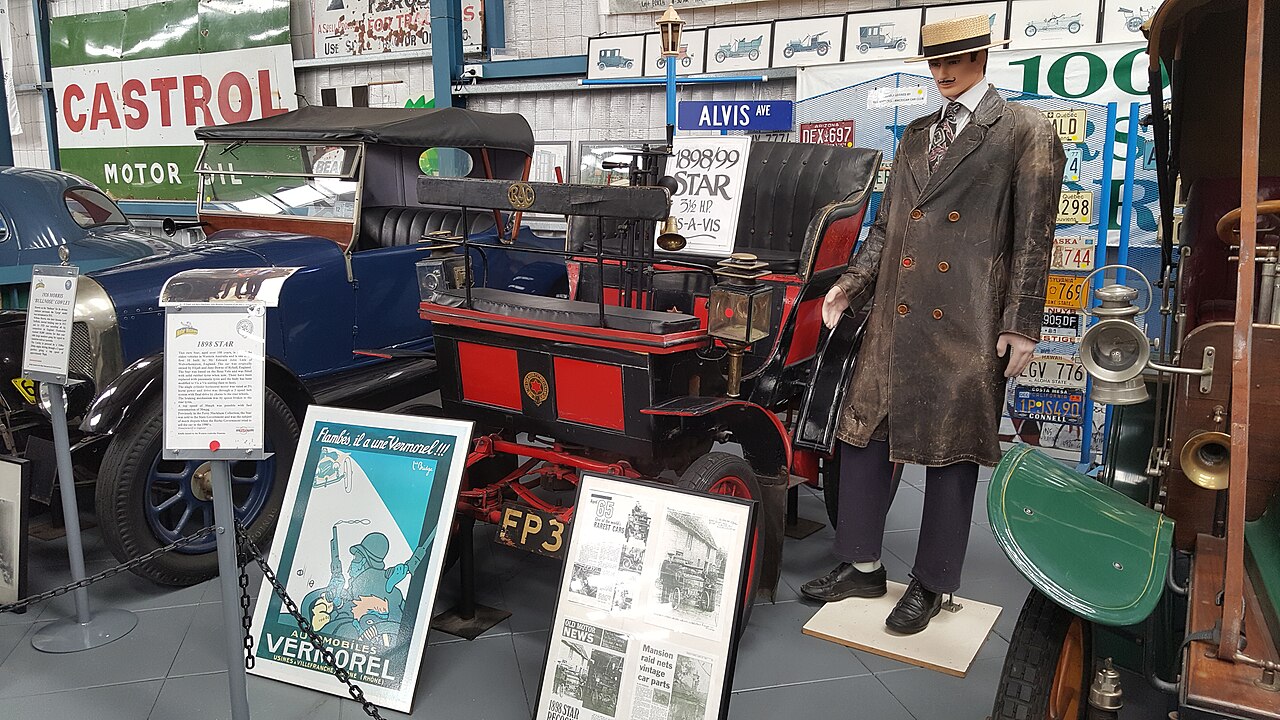
Motor Museum of Western Australia
- Must see
- Museum
Language · 11 published
Family attraction · Perth
Reviewed by Elena Voss · Roavina Travel Editor

Caversham Wildlife Park is a wildlife attraction in the Perth metropolitan region, north-east of the central business district. It focuses on Australian animals and gives visitors an accessible introduction to native wildlife. The privately managed park is especially suited to families and travelers who want close encounters, animal-focused activities and a substantial outdoor stop beyond Perth's central attractions. Caversham Wildlife Park is a wildlife attraction in the Perth metropolitan area of Western Australia. The park offers visitors opportunities to encounter native Australian animals in a setting accessible from the city. As a curated metropolitan visitor destination, it features in regional tourism promotion. The park operates as a privately managed wildlife facility rather than a public reserve. Visitors should verify current operational status directly with the venue before planning travel, as conditions may change without broad public notification. The park generally accommodates families, though parents should supervise children closely near animals and follow all safety guidelines.
Checked 2026-08-26 · Source
Visitors can encounter Australian wildlife including kangaroos, koalas, wombats and birds. The park's appeal comes from seeing native species at close range and joining interactive experiences or keeper presentations when they are part of the day's programme. Enclosures and viewing areas create different opportunities for observation and photography. Allow time to explore at a comfortable pace, particularly if animals and family activities are your main reason for visiting. The park contains native Australian wildlife species typical of regional fauna parks. Visitors can generally expect kangaroos, koalas, wombats, and various bird species. Interactive feeding experiences and keeper presentations are commonly featured attractions at such facilities. The specific animal collection, enclosure designs, and daily activity schedules are determined by park management. Visitors seeking particular species or experiences should contact the park directly for current information, as animal availability and programming rotate seasonally and according to operational requirements.
Checked 2026-08-26 · Source
Plan on several hours for a satisfying visit. Half a day gives you time to see a broad selection of animals, pause at popular enclosures and fit in keeper talks or feeding experiences when available. Families may need longer because children often set the pace. Visitors concentrating on a few species can make a shorter visit, but the park rewards leaving room for unhurried observation. A complete visit to Caversham Wildlife Park typically requires several hours, though individual pacing varies considerably. Visitors interested in keeper talks, feeding sessions, and thorough exploration of all exhibits should allocate half a day. Families with young children or those prioritizing specific animal encounters may adjust duration accordingly.
Checked 2026-08-26 · Source
Spring and autumn bring comfortable temperatures for walking between animal areas. Summer can be hot, so an early start is more comfortable for outdoor viewing, while winter offers cooler conditions and occasional wet weather. Weekdays are a calmer choice than weekends and school holidays. Morning also gives families more time to explore before tiredness sets in and leaves flexibility for talks or feeding activities.
Checked 2026-08-26 · Source
Caversham Wildlife Park is a managed visitor attraction, so admission is part of planning the outing. A long visit makes the day more worthwhile than a quick stop, particularly for families interested in several animal areas. Set aside time for the full experience, including pauses between encounters. Any activity involving direct contact with animals belongs within the park's supervised visitor programme.
Checked 2026-08-26 · Source
The park lies north-east of Perth's central business district in the metropolitan region. A private vehicle is the most straightforward choice for a destination outside the central area. Visitors without a car can build the journey around public transport, a rideshare or a tour that includes the park, allowing extra time for connections and the return trip. The location works well as a dedicated half-day excursion.
Checked 2026-08-26 · Source
Follow keeper instructions and every enclosure sign, even when an animal seems accustomed to visitors. Children need close supervision around open or interactive areas. Wear comfortable shoes for outdoor walking, protect yourself from Perth sun and carry water. Wash your hands after animal contact and before eating. Keep belongings secure during encounters, and give animals space when they are resting or feeding.
Checked 2026-08-26 · Source
Caversham offers abundant opportunities for photographing Australian wildlife, from close views of distinctive animals to wider scenes showing enclosures and surrounding greenery. Use natural light where possible and follow restrictions around flash, equipment and animal encounters. Keeper-led sessions can provide strong viewing positions, but stay focused on the animal rather than blocking other visitors. Bring spare battery capacity for a several-hour visit.
Checked 2026-08-26 · Source
The park features Australian wildlife including kangaroos, koalas, wombats and a variety of bird species.
Allow several hours, or about half a day, to explore the animal areas and include keeper talks or feeding experiences when available.
Yes. Families can combine animal viewing with interactive experiences, while children benefit from close adult supervision throughout the park.
Interactive feeding and keeper-led encounters are part of the park's appeal when included in the day's programme, with staff guidance applying throughout.
It is in Perth's metropolitan region, north-east of the central business district, and works well as a half-day excursion.
Wear comfortable walking shoes, bring water and sun protection, and carry spare camera battery capacity if you plan to photograph animals.
Loading the interactive map…
The interactive map could not be loaded.

Last updated:
Source: OpenStreetMap contributors, Wikidata ·