


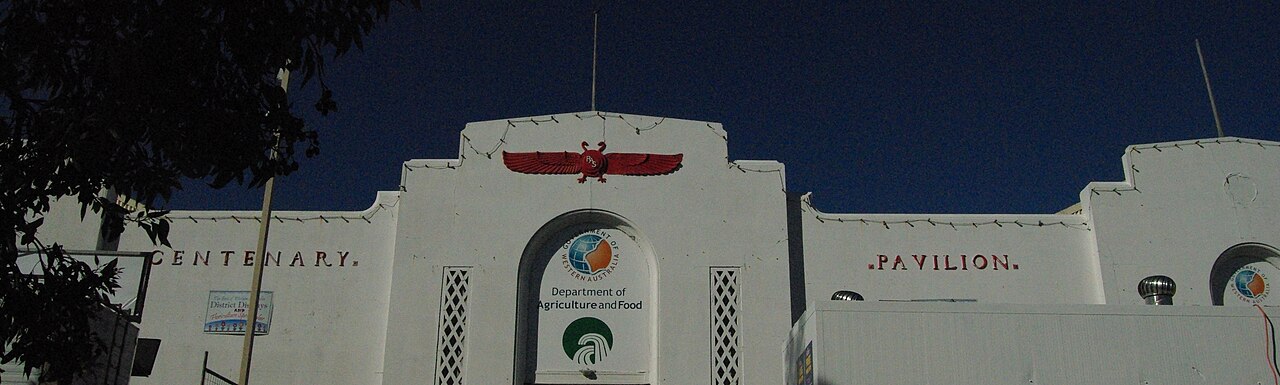
22 min walk
Claremont Showground
- High
- Historic monument
Language · 11 published
Museum · Perth
Freshwater Bay Museum
Reviewed by Elena Voss · Roavina Travel Editor
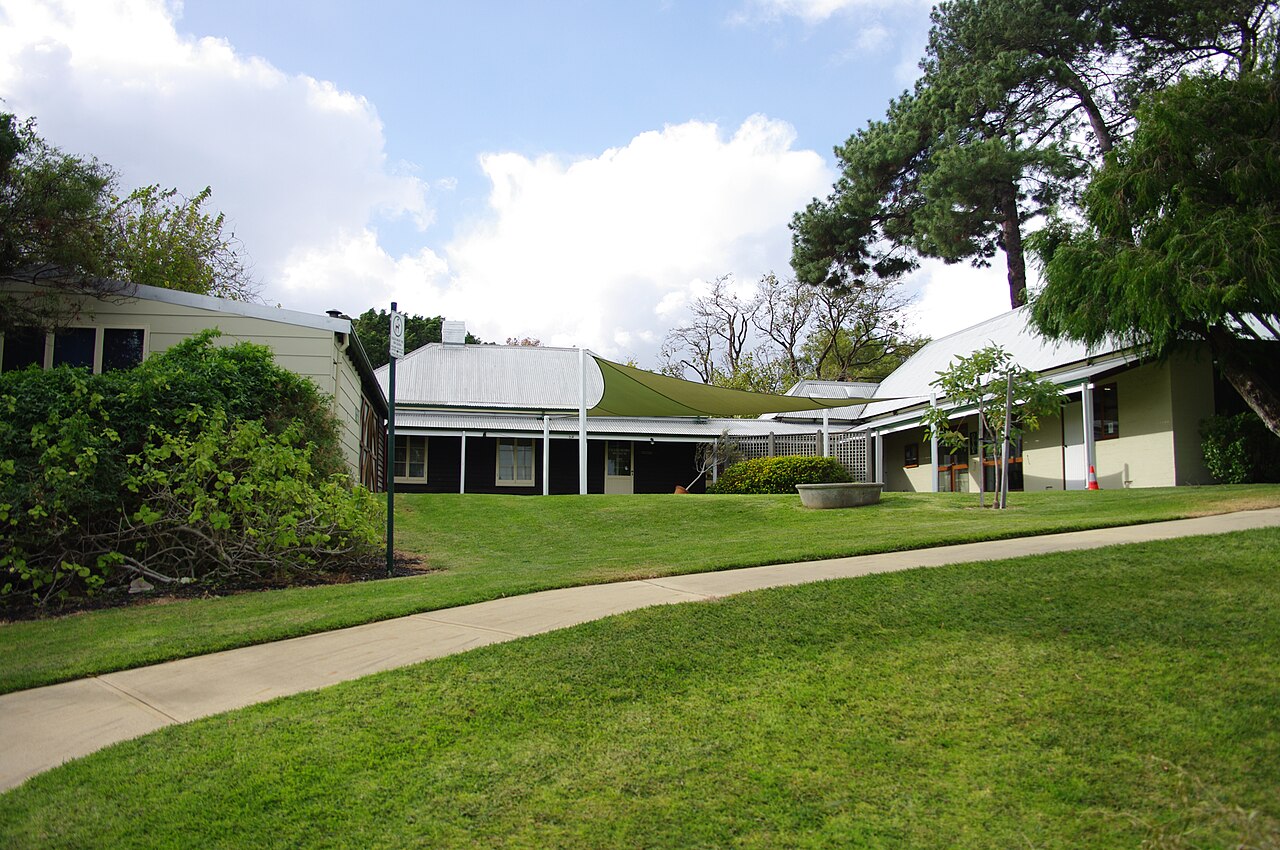
This place is a Museum. It was established in 1861. It carries the State Registered Place heritage designation.
Claremont Museum is a local heritage museum in Perth’s western suburbs. Its focus is the history of Claremont and the surrounding community, presented through artefacts, documents, photographs, and stories connected with the district. This is a useful stop for travelers who want to understand how a Perth suburb developed over time rather than seeing only the city’s major institutions. The museum places everyday life and local change at the center of the visit. Its appeal comes from the connection between personal objects, community memory, and the streets and buildings of Claremont beyond the museum itself.
Checked 2026-08-26 · Source
Expect displays connected with Claremont’s social and built heritage. Photographs, household objects, clothing, documents, and archival material help explain how residents lived and how the district changed. The collection is most rewarding when you look for ordinary details: domestic routines, community institutions, local streets, and the objects that recorded them. Allow the displays to build a picture of suburban life rather than searching only for a single headline exhibit. The museum’s local focus also makes it a natural companion to a walk around Claremont, where the historical stories can be related to the present-day suburb.
Checked 2026-08-26 · Source
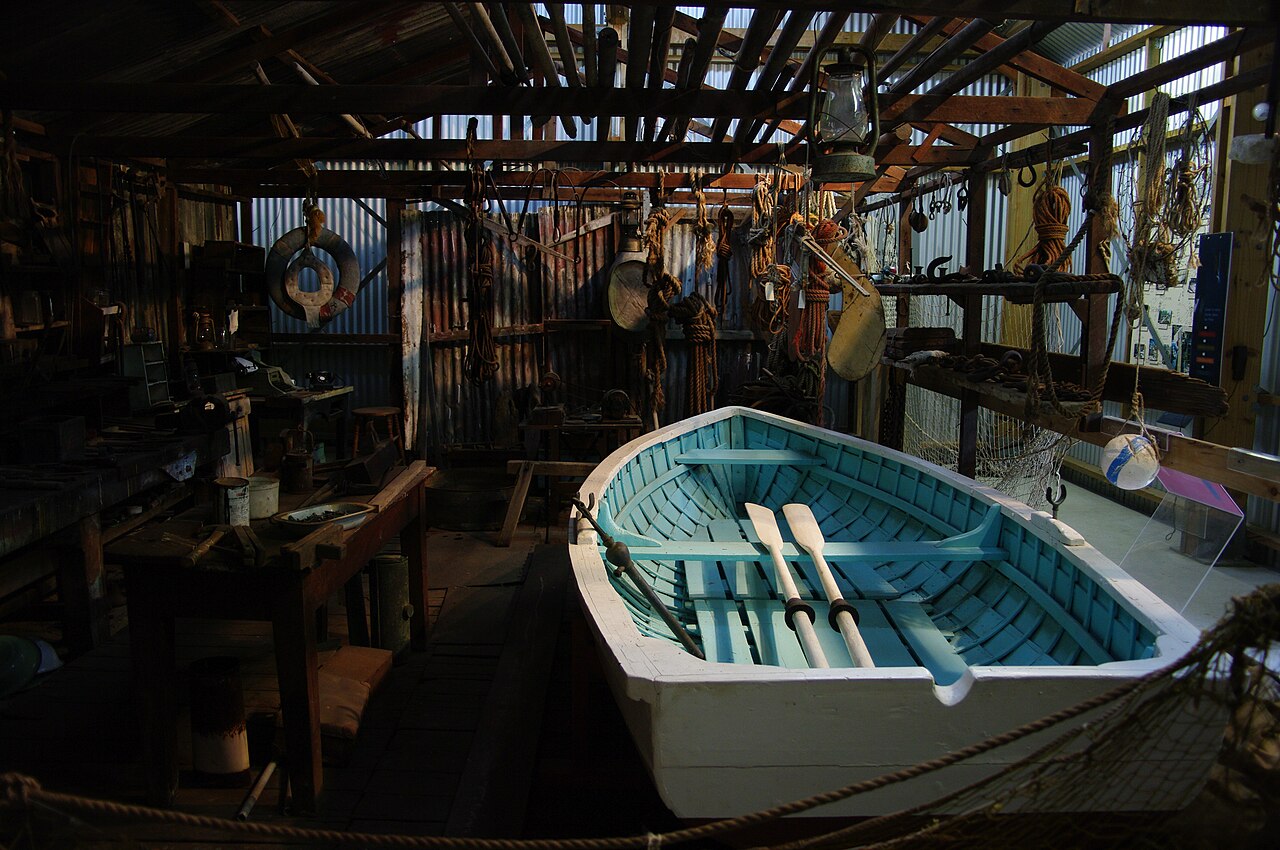
A visit of about forty-five to ninety minutes suits most travelers. That is enough time to view the local-history displays and read the main interpretation without turning the museum into a rushed stop. People with a personal connection to Claremont or a strong interest in archival material may want longer. The museum fits easily into a western-suburbs itinerary, especially when paired with a walk through Claremont and time in the surrounding urban area. Treat it as a focused cultural visit: the experience is measured by attention to the stories and objects, not by the size of the building.
Checked 2026-08-26 · Source
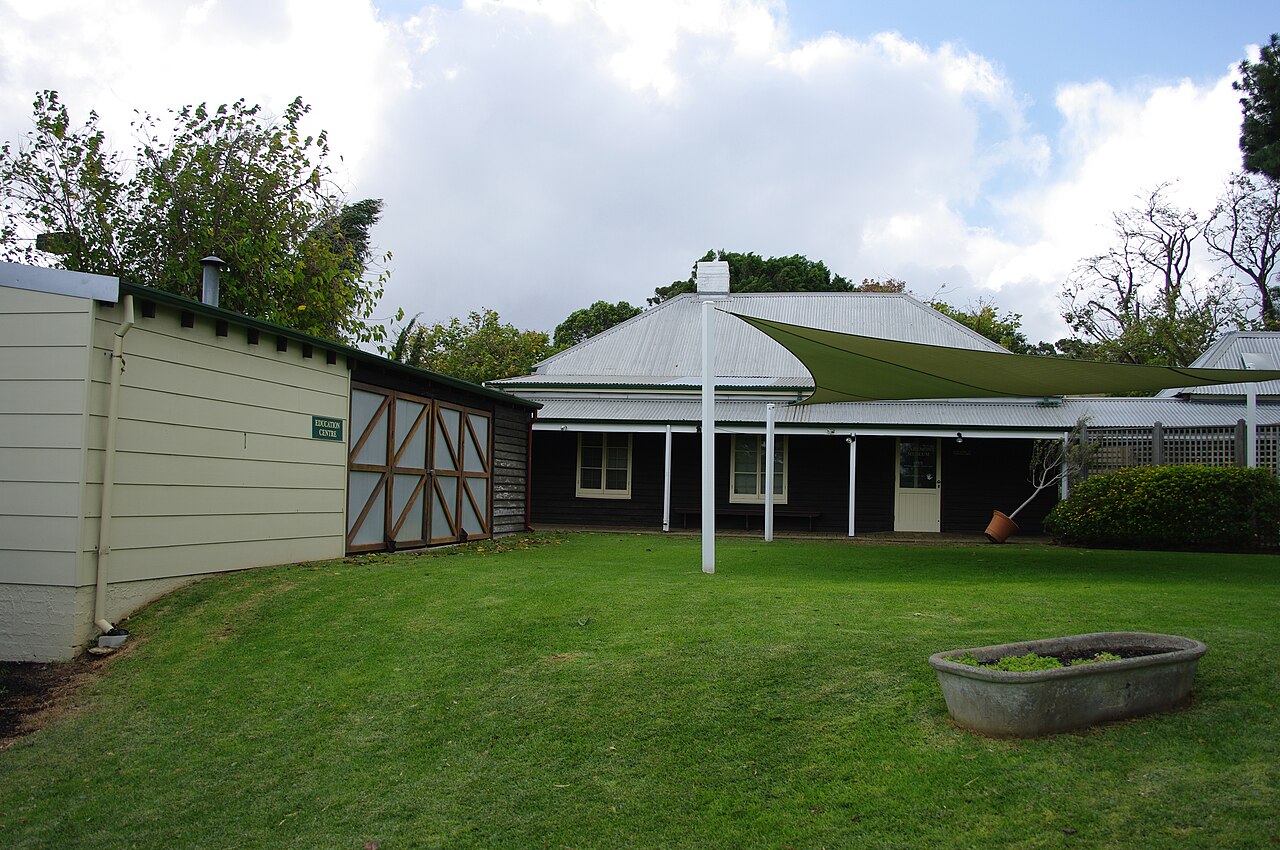
The milder Perth months of spring and autumn are comfortable for combining the museum with an outdoor walk through Claremont. Summer can be hot for travelers arriving on foot or using public transport, while winter remains suitable with a light waterproof layer. A weekday visit may feel more closely aligned with a quiet local-history museum experience, whereas a broader day plan can include the suburb’s streets, shops, and dining areas. Shape the timing around the museum’s visiting schedule and your transport connection, leaving enough time to explore the district rather than arriving immediately before departure.
Checked 2026-08-26 · Source
Claremont Museum’s purpose is to present local heritage through community collections and interpretation. The available place information does not establish a current admission amount, so avoid treating a presumed free entry or donation as a confirmed arrangement. The museum remains an easy cultural addition to a Perth day because the visit is compact and can be combined with nearby urban exploration. Keep the financial part of your itinerary flexible, and give priority to the museum’s local stories, photographs, domestic objects, and documents when deciding whether the stop fits your interests.
Checked 2026-08-26 · Source
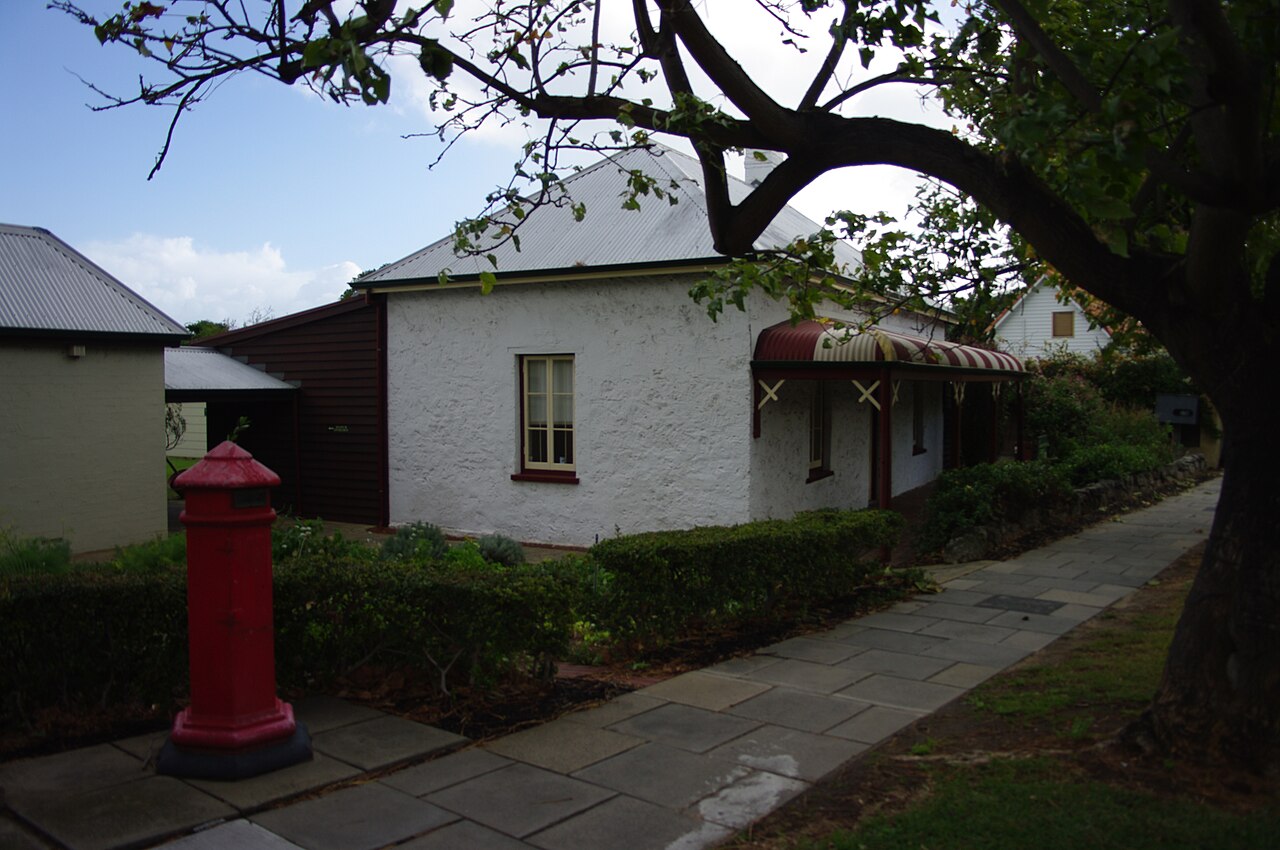
Claremont is a well-connected western suburb of Perth. The Fremantle railway line serves the area through Claremont Station, and bus services also run through the suburb. From the station or a bus stop, the final walk depends on the museum’s position within Claremont, so leave practical margin for the local streets. Driving is another option, but parking conditions around the museum are not established in the place information. Public transport works especially well when you plan to continue with a walk through the surrounding suburb after the museum visit.
Checked 2026-08-26 · Source
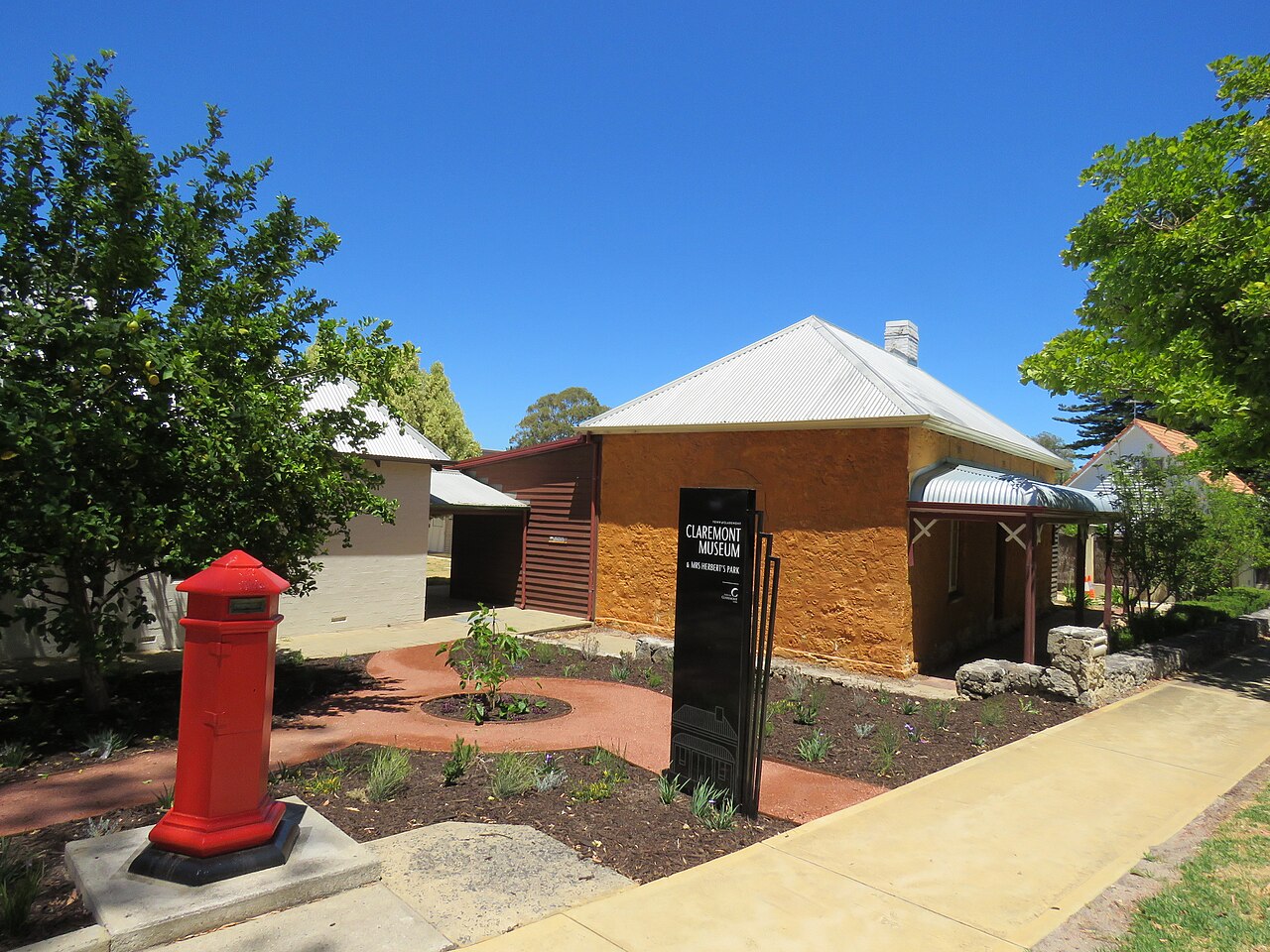
A small local museum rewards a calm, attentive visit rather than a fast checklist. The building may contain tight display areas, so be mindful of other visitors while moving between objects. Combine the stop with food or a break in Claremont’s wider urban area if you want a longer outing. Summer heat can make the walk from transport less comfortable, and winter rain can affect the outdoor part of your route. Children may enjoy photographs and household objects when the visit is framed as a story about how a neighborhood changed over time.
Checked 2026-08-26 · Source
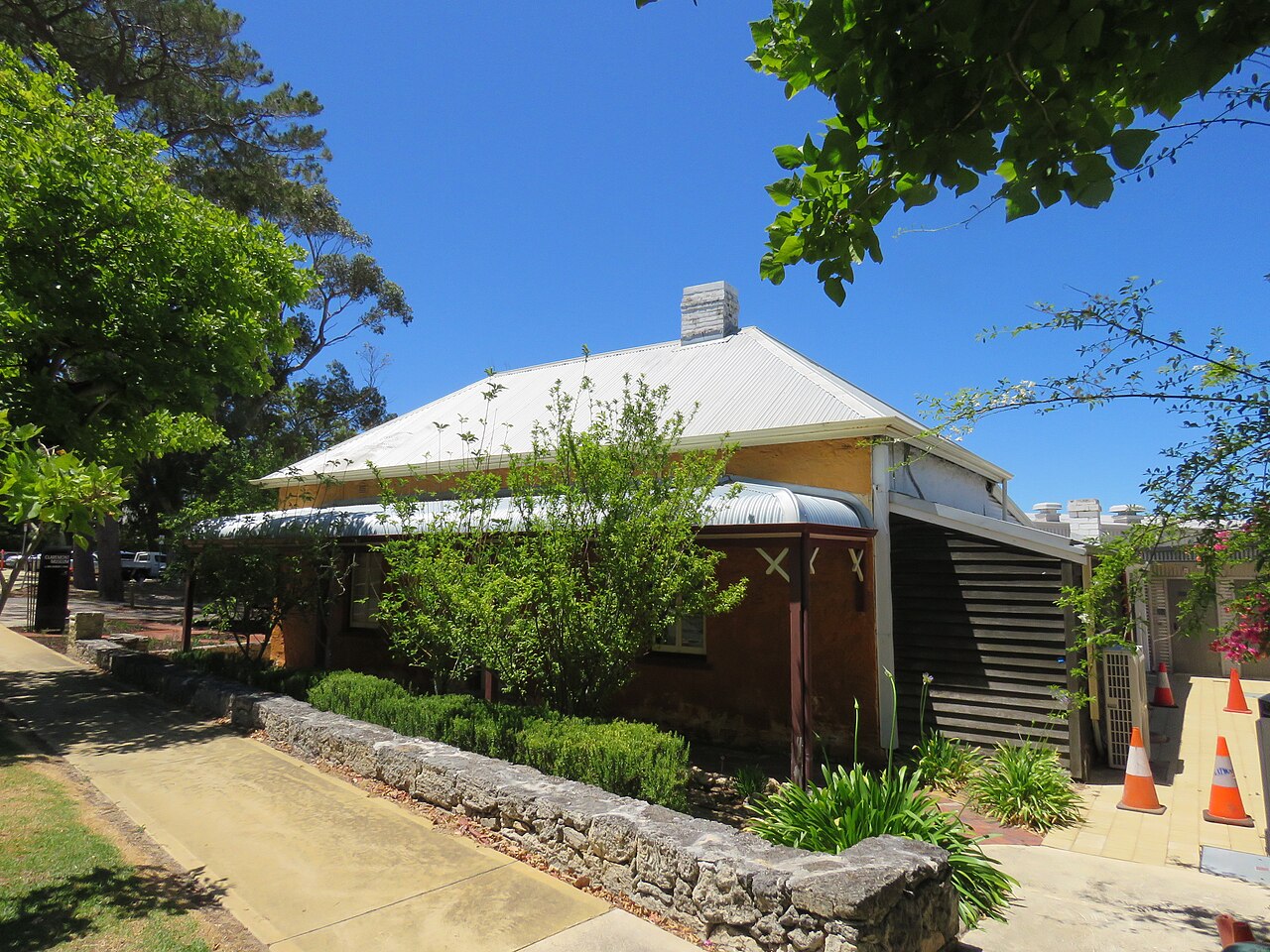
Photographs, documents, household objects, and clothing can offer detailed subjects for careful museum photography. Look for textures, handwritten material, domestic design, and images that show Claremont’s changing streets. Keep your camera movements unobtrusive in confined rooms and protect the viewing experience for other visitors. Do not touch objects while photographing them. Exterior images can extend the story by linking the museum’s local history with the surrounding suburb. If you want to use images commercially or set up equipment, treat that as a separate activity requiring permission rather than as ordinary visitor photography.
Checked 2026-08-26 · Source
It presents the history of Claremont and its surrounding community through local artefacts, documents, photographs, and stories.
Plan for roughly forty-five to ninety minutes, with extra time if you enjoy detailed local-history and archival displays.
Claremont is served by the Fremantle railway line through Claremont Station, as well as by bus services through the suburb.
The local-history displays include material such as photographs, household objects, clothing, documents, and archival items linked with Claremont.
Continue into Claremont’s surrounding streets and urban area, making the museum part of a wider western-suburbs walk.
It is better suited to a focused cultural stop of under two hours, combined with other activities in Claremont or Perth’s western suburbs.
Loading the interactive map…
The interactive map could not be loaded.
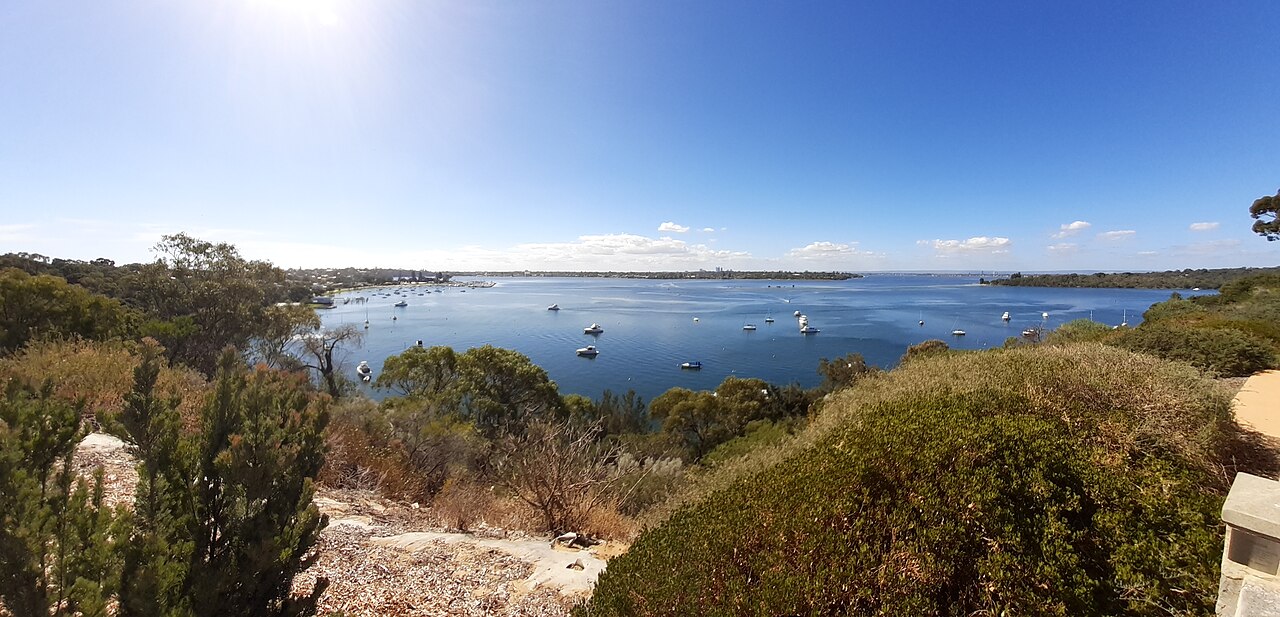
Last updated:
Source: OpenStreetMap contributors, Wikidata ·