

18 min walk
Mazenod College
- Notable
- Place of worship
Nature site · Perth
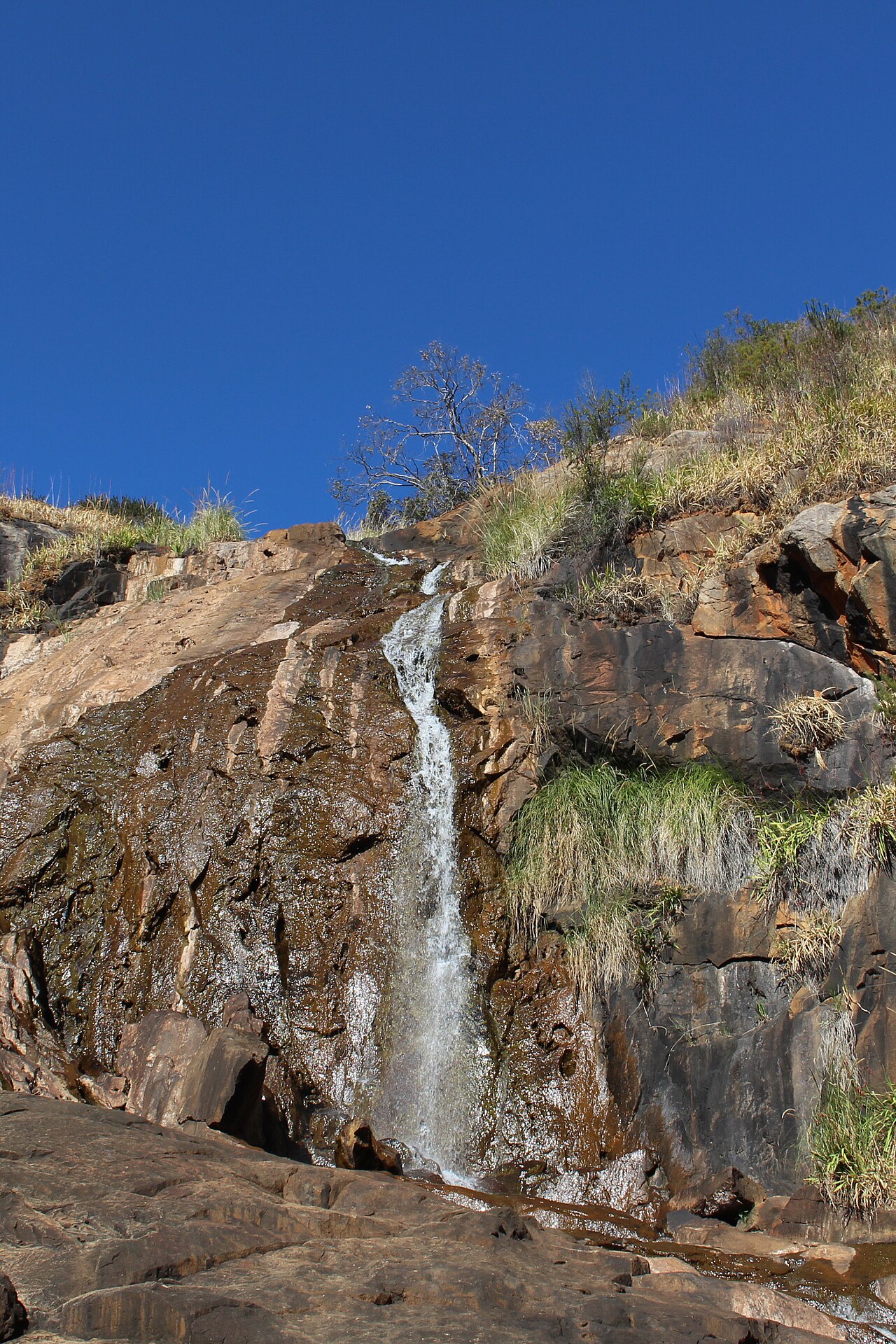
Lesmurdie Falls National Park is a Perth Hills nature destination centred on a waterfall descending the Darling Scarp. The escarpment setting creates a strong contrast between elevated bushland and views toward the coastal plain. It is a compact choice for visitors who want a scenic outdoor stop near Perth, with walking, waterfall viewing and landscape photography as the main reasons to come. The character of the place changes sharply with rainfall, making the falls an especially seasonal attraction. Lesmurdie Falls National Park is a protected natural area within the metropolitan region of Perth, Western Australia. The park is centred on a seasonal waterfall that flows over the Darling Scarp, a significant geological feature marking the edge of the coastal plain. The site forms part of the broader network of natural landmarks accessible to Perth residents and visitors. Its inclusion in curated metropolitan visitor rankings indicates recognised recreational value. The park represents typical Darling Range vegetation and landform characteristics, offering bushland experience without extensive travel from the city centre. Conservation status provides protection for native flora and fauna communities. No. The falls are seasonal, with flow dependent on rainfall. Winter and spring typically show the strongest flow, while summer may bring reduced flow or dry conditions.
Checked 2026-08-26 · Source
The waterfall is the focal point, with bush tracks crossing jarrah and marri vegetation around the scarp edge. Elevation change creates open viewpoints across the coastal plain, while granite outcrops and seasonal watercourses add texture to the walk. The park is more about natural scenery than built attractions. Expect a relatively simple outdoor setting in which the falls, rock, forest and distant views provide the visual interest. Wildlife typical of Perth Hills bushland may also appear. The park contains Lesmurdie Falls itself, a waterfall descending the Darling Scarp face.
Checked 2026-08-26 · Source
A short stop focused on the falls and a lookout can fit into less than an hour. Allow longer if you plan to walk further across the scarp, pause for photographs or take several rests on the slopes. The terrain makes distance feel more demanding than a flat city walk. For many Perth itineraries, Lesmurdie Falls works well as a one- to two-hour nature visit that can be paired with another Perth Hills activity.
Checked 2026-08-26 · Source
Visit in winter or spring if your priority is the waterfall, because rainfall usually produces the strongest flow. Summer may bring a much smaller cascade or exposed dry rock. Morning and late afternoon are comfortable choices for walking and can give the scarp softer light. Warm weather increases the importance of water and sun protection, while wet weather makes steep ground more difficult. The park’s nearby location allows you to choose a short visit around Perth’s wider plans.
Checked 2026-08-26 · Source
The visit is centred on walking, scenery and waterfall viewing rather than a staffed indoor attraction. Keep the stop flexible and budget separately for transport or food, since no entry amount is established here. The absence of a recorded price does not support adding a fee, concession rate or annual pass to the guide.
Checked 2026-08-26 · Source
Lesmurdie Falls National Park is in the Perth Hills, east of the metropolitan centre, and road access follows local streets in the Lesmurdie area. A car is the practical option for reaching the scarp and moving efficiently between viewpoints. Public transport requires careful planning because the final approach includes walking and the terrain rises steeply. Cycling is possible but demanding. Use a current map for the final road choices and allow extra time for the hill roads.
Checked 2026-08-26 · Source
Steep and uneven ground is the main practical challenge, especially after rain when surfaces become slippery. Stay on formed tracks near the falls and avoid unstable edges. Carry your own water and protect yourself from strong sun. Snakes occur in Western Australian bushland, so watch where you step and keep to the route. Summer fire conditions can affect the area. Reception may be unreliable in valleys, and help can take longer to reach remote sections.
Checked 2026-08-26 · Source
Photographers can work with three distinct subjects: the falling water, the rocky scarp and the broad outlook across the coastal plain. Winter and spring provide the most dramatic waterfall compositions, while drier months reveal more of the rock structure. Morning or evening light can model the escarpment and bushland with less glare. A wide lens suits the landscape; a longer lens isolates water and vegetation. Uneven ground makes tripod placement important, and spray may reach equipment near the falls.
Checked 2026-08-26 · Source
No. The waterfall is seasonal. Winter and spring generally bring the strongest flow after rainfall, while summer can leave the cascade reduced or dry.
The main reason is to see Lesmurdie Falls and walk through Darling Scarp bushland. Elevated viewpoints also provide views across the coastal plain toward Perth.
Allow less than an hour for a brief waterfall and lookout stop. Walking farther, taking photographs and resting on the slopes can extend the visit to one or two hours.
No. The park lies on the Darling Scarp, so routes include elevation change, slopes and uneven ground. Walking time and effort depend on the route and weather.
Bring drinking water, sun protection and shoes suited to steep, uneven surfaces. These items are particularly important during hot weather or after rain, when tracks can become slippery.
The strongest subjects are the seasonal waterfall, granite and scarp textures, jarrah-marri bushland and views across the coastal plain. Flow and light change substantially through the year.
Loading the interactive map…
The interactive map could not be loaded.
Last updated:
Source: OpenStreetMap contributors ·